Sep19
In the Kanban Guide, we define Kanban. We bring Kanban down to the minimal aspects, and we hope you find that helpful.
In doing so, we made a lot of things optional. One of the things that is optional in the definition of workflow is a backlog. You do not have to have a backlog on a definition of workflow, and I wrote about defining your workflow in a previous article.
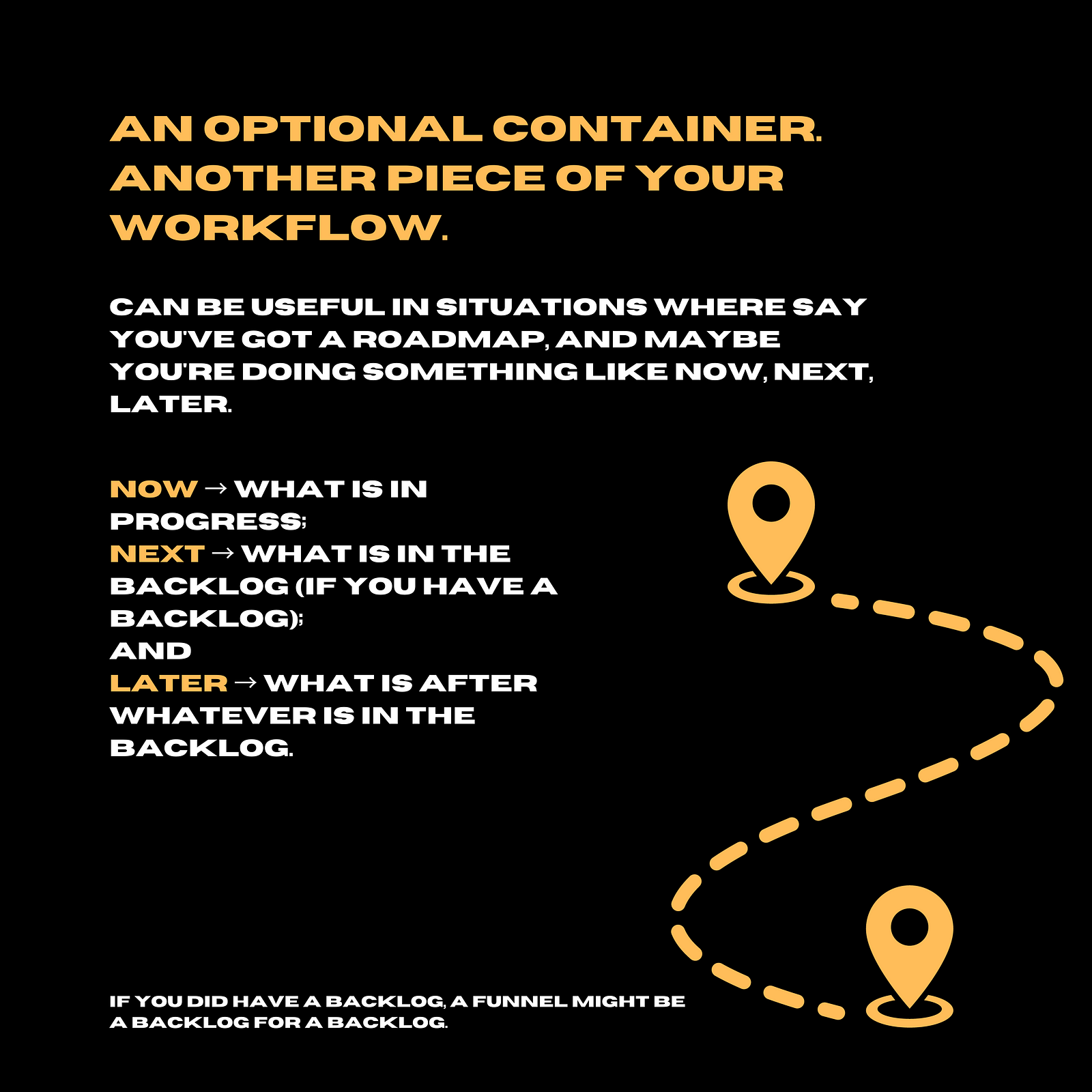
Funnel is another optional container, if you like, another piece of your workflow that you can have. If you did have a backlog, a funnel might be a backlog for a backlog.
So, it can be helpful in situations where you’ve got a roadmap, and maybe you’re doing something like now, next, or later.
Some might call it a hopper, a pool of ideas; whatever you want to call it is fine.
The general intent behind a funnel is that it’s for items that we haven’t really considered properly yet.
People have submitted some ideas; they are in the funnel. But we don’t know if they will end up in the backlog yet. So if you did have a backlog, if you did have some kind of prioritization, that’s something you can do.
Remember that even if you have a backlog in Kanban, the backlog is not necessarily ordered. So, this whole notion of sequencing a backlog is more a thing for Scrum than Kanban. It’s not something that we necessarily do in Kanban.
Thank you for reading.
By John Coleman
Keywords: Agile, Change Management, Management
 The Age of Continuous Shocks: Why the coming downturn will be decided in your supply chain
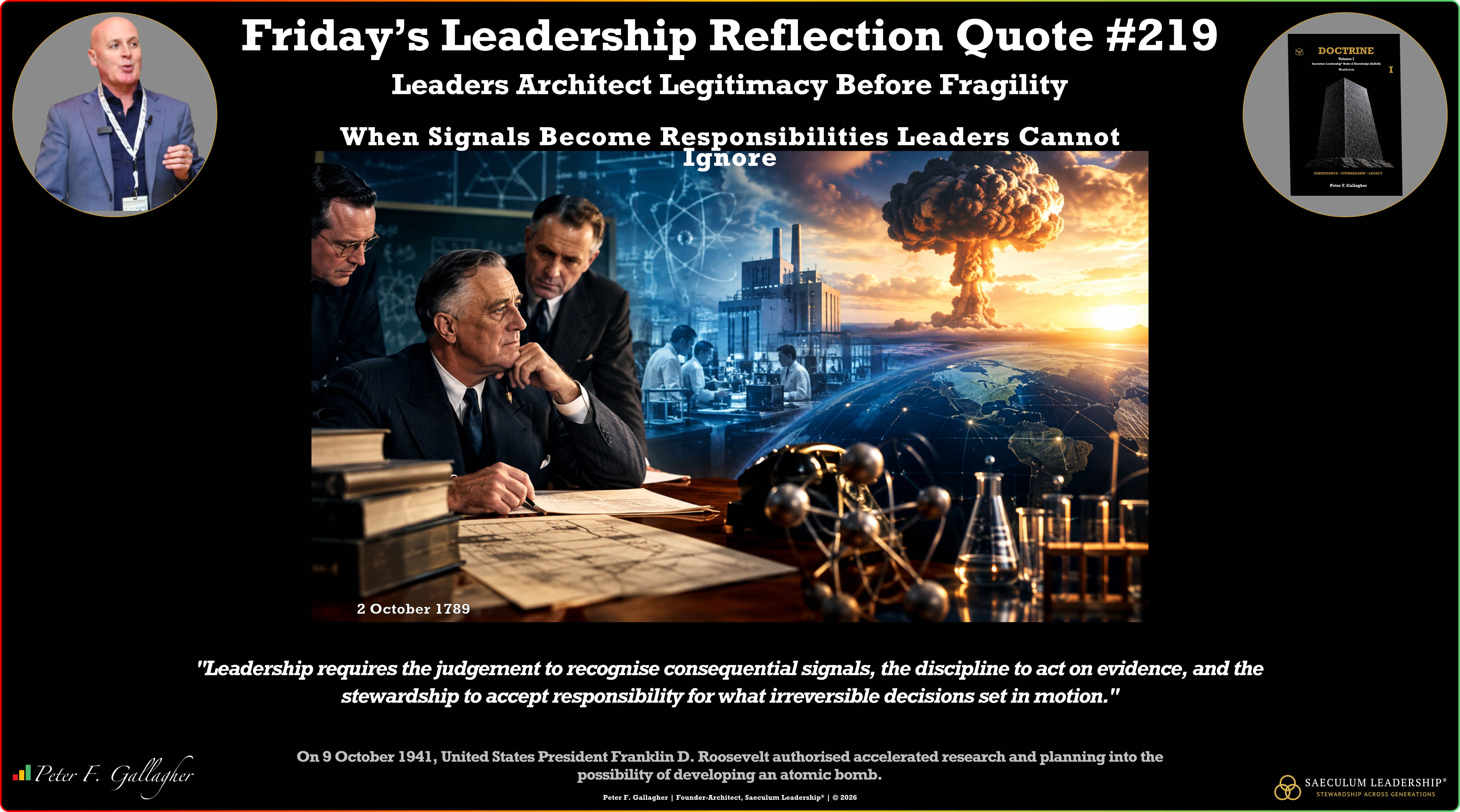 Friday’s Leader Reflection Quote – Saeculum Leadership Leaders Accept Decisions Create Responsibilities
 The Corix Partners Friday Reading List - October 9, 2026
 Consumer vs. enterprise AI agents
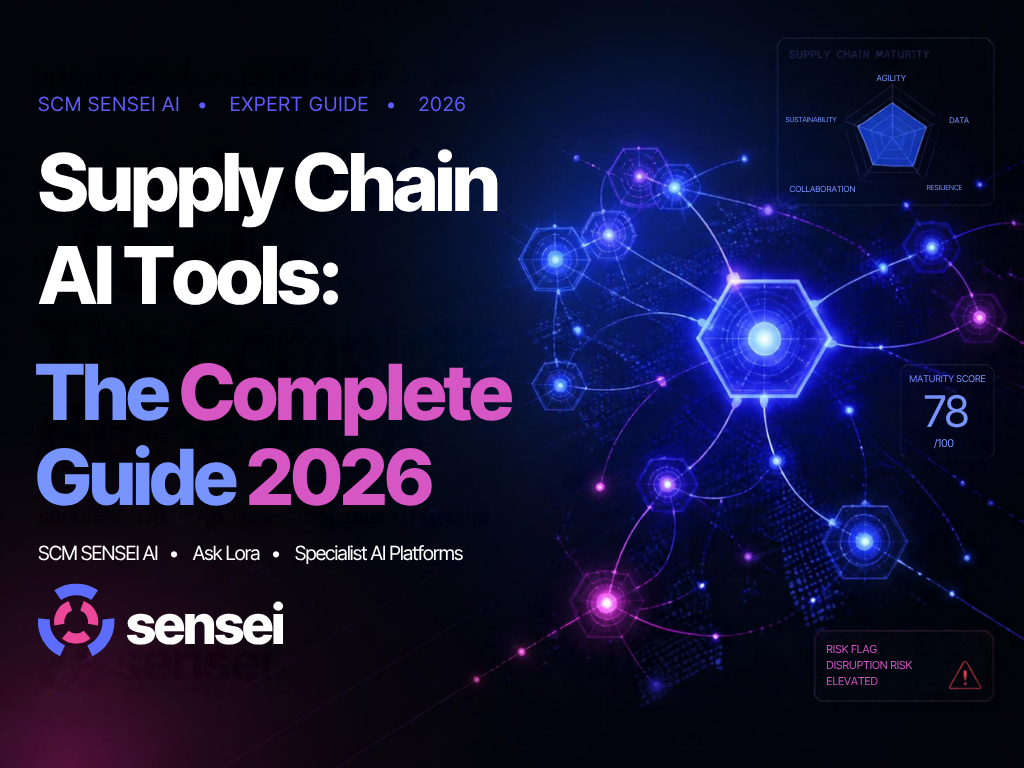 Best Supply Chain AI Tools in 2026: SCM SENSEI AI and Ask Lora Compared