Sep10

Think about the steel around you. The frame of the building you sit in. The car parked outside. The train you took this morning. The washing machine at home. The bridge you crossed without noticing. All of it started as rock pulled out of the ground somewhere far away, and it travelled a long road before it became the thing you see. That was designed long ago and we don´t think or talk about it enough.
Most of the iron ore in the world comes from two places. Australia and Brazil (yes Sweden also has some). They dig it up and they ship it out in enormous volumes over very long distances. That ore travels to a lot of places and a lot of it travels to China. Iron is the step before steel. You take ore, you melt it together with coal and a few other things in a blast furnace, and you get liquid iron. Then you take that iron and you turn it into steel in another furnace, most often a basic oxygen furnace, where you blow oxygen through the iron to burn out the excess carbon.
From there the steel gets cast, rolled, and shaped into different products. Like the sheets that end up in car bodies and cans and white goods. Long products, like the beams and rebars that hold up buildings. Speciality steels, the higher grade stuff that goes into tools and machines. And then those products go into construction (which alone consums about half), into automotive, into machinery, into infrastructure.
So the chain is simple on paper. Ore in Australia and Brazil. Iron and steel in China and some other places. Products everywhere. Use everywhere.
Now ask yourself a funny question. Who decided this?
The answer is, nobody decided it (at least not recently). This layout grew up in a world that does not exist anymore. It grew up when shipping was cheap, when energy was cheap, when coal was just the way you made steel, when nobody priced carbon, and when the main goal was to make more steel, faster, cheaper, somewhere with scale. It grew up in the post-war decades and it was refined during the globalization years.
That world is gone. But that is sometimes hard to understand.
We now live in a different reality. Energy is not cheap everywhere. Carbon has a price, and in Europe that price is becoming a wall at the border through the carbon border adjustment. The climate conversation is no longer a side note, it is a constraint on how things get made. The geopolitics of raw materials has hardened. People have seen what happens when a single source breaks, whether through a pandemic, a war, or a closed strait. And the demand for steel is changing, because the things we build are changing, lighter, more electric, more circular.
So here is the real question. If you were designing the steel supply chain today, from scratch, would you design the one we have?
The answer is no way! You would not put so much of your iron making in one country. You would not build everything on coal and cheap shipping. You would not run a chain where the ore travels ten thousand miles before it becomes anything. You would think about where the energy is clean and cheap. You would think about where the scrap is, because scrap steel can be melted in an electric arc furnace and that changes the whole map. You would put capacity closer to the markets that need it. You would think about resilience, not only cost.
But here is the hard part. You cannot just redraw the map. These chains are not lines on paper. They are relationships. They are agreements. They are factories that took a decade to build and contracts that run for ten or fifteen years. They are ships on long term charters. They are power contracts. They are offtake agreements that lock in volumes. The chain is not only metal, it is paper, and that paper is what holds the metal in place.
This is where most people lose interest, because it sounds like administration. And we do not like admin as leaders. It is however the part that decides whether the change actually happens.
When you want to move from a coal based blast furnace in one country to a hydrogen based direct reduction plant next to clean energy in another country, you are not building a factory. You are building a new set of agreements. Who supplies the hydrogen and for how long and at what price. Who takes the green steel and commits to it before it is even produced, because nobody builds that plant on speculation. Who carries the risk if energy prices jump. Who owns the carbon savings and who reports them.
Those are contracting questions. They are procurement questions. They are contract management questions.
I would not call that simple and small questions. They are the reason the transition moves slowly, not because the technology is impossible, but because the agreements are hard. The technology for green steel exists. What does not exist yet, at scale, is the web of commitments around it.
This is something I see every day in my work. The hard part of any supply chain change is not the idea. It is the rethinking of who does what, who carries what risk, who gets paid for what, and over what time frame. Those decisions live in contracts and they live in the way contracts are managed after they are signed.
Procurement is where the chain gets chosen. It is the function that decides who we buy from, where, and on what terms. Contract management is what keeps that choice working for the life of the agreement, and what makes sure the agreement still makes sense when the world around it changes. Most chains were procured for a world that no longer exists, and the contracts that hold them together were written for that same world. So when the world shifts, the contracts need to shift with it, or the chain breaks.
Let me try to explain.
If you want a greener steel chain, procurement has to stop buying on price alone and start buying on carbon, on origin, on energy source, on resilience. It means qualifying suppliers in regions you never bought from before. It means signing long offtake agreements for green steel so the producer can finance the plant. It means contracting for scrap, because in a circular steel chain scrap becomes a raw material that you compete for.
Contract management then has to govern those agreements for a decade or more, in a market that is moving. The hydrogen price moves. The carbon price moves. Regulation moves. A contract that looked right in year one can be wrong in year five. So the contracts need review points, flexibility, clear mechanisms for change, and someone whose job it is to watch them. That is not a legal exercise, it is a management discipline, and leadership is very lousy at this.
Here is where it gets bigger. Rethinking a supply chain like steel means rethinking who does what in the whole ecosystem.
In the old chain the roles were clear. The miner mines. The steelmaker makes steel. The processor processes. The buyer buys. Everyone stays in their box and the chain runs in one direction.
In the new chain the boxes break. A steelmaker may become a major energy buyer, contracting hydrogen or clean power on a scale that used to belong to utilities. A miner may start processing ore closer to the mine, because shipping processed material is cheaper and cleaner than shipping raw rock. A big buyer, an automaker, a construction group, may contract directly with a green steel consortium and effectively become a co-investor in capacity. A scrap handler may move from the margins to the center of the chain, because the flow of scrap now decides how much new iron we need at all. A logistics player may become a partner in carbon accounting, because where and how things move is now part of the environmental footprint.
The roles stop being fixed and start being negotiated. And what negotiates them, what fixes them in place long enough to build something, is the contract.
This is why I keep saying that contract management is not a back office function. It is one of the few disciplines that sits across the whole ecosystem and can see the whole picture. Procurement picks the partners. Contract management governs the relationships over time. Together they are the mechanism through which a new supply chain actually gets built. Not the strategy slide, not the press release, the actual operating reality.
And this is a whole new business case. Not a cost reduction exercise. Not a tweak. A redesign of who does what, where, and why, in a chain that touches energy, transport, construction, manufacturing, and public policy at the same time. And redesign requires guts and a longer term vision, which in both politics and business is lacking at the moment.
The companies that see this first have a real advantage if they can survive shareholder pressure and bla bla on strategic autonomy. They are not the ones with the cheapest steel. They are the ones with the chain that still works in ten years. They signed the right agreements early, with the right partners, in the right places, with the flexibility to move when the world moves again. They treated contracts as the architecture/infrastructure of the chain, not as paperwork at the end.
The companies that do not see it will keep running a chain built for a century that is over. They will keep buying the same ore from the same places, melting it the same way, and shipping it the same distance, until one of the assumptions breaks and the whole thing gets expensive fast.
Steel is just the example. The same shape shows up in cement, in chemicals, in aluminium, in the minerals that go into batteries and chips. Long chains designed in a different age, held together by agreements written for that age, now asked to perform in a new one.
The lesson is simple. When the reality changes, the chain has to change. And the chain changes through its contracts, through its procurement decisions, and through the way those agreements are managed over time. That is the work. It is unglamorous, it is slow, and it is exactly where the future of these industries gets decided.
The steel around you was planned in a different century. The question is whether the steel around you in twenty years gets planned in this one.
Keywords: Ecosystems, Leadership, Supply Chain
 2027 Predictions for Cybersecurity: The Agent Is the New Insider
 FROM THE AISLE Field Notes on AI Implementation
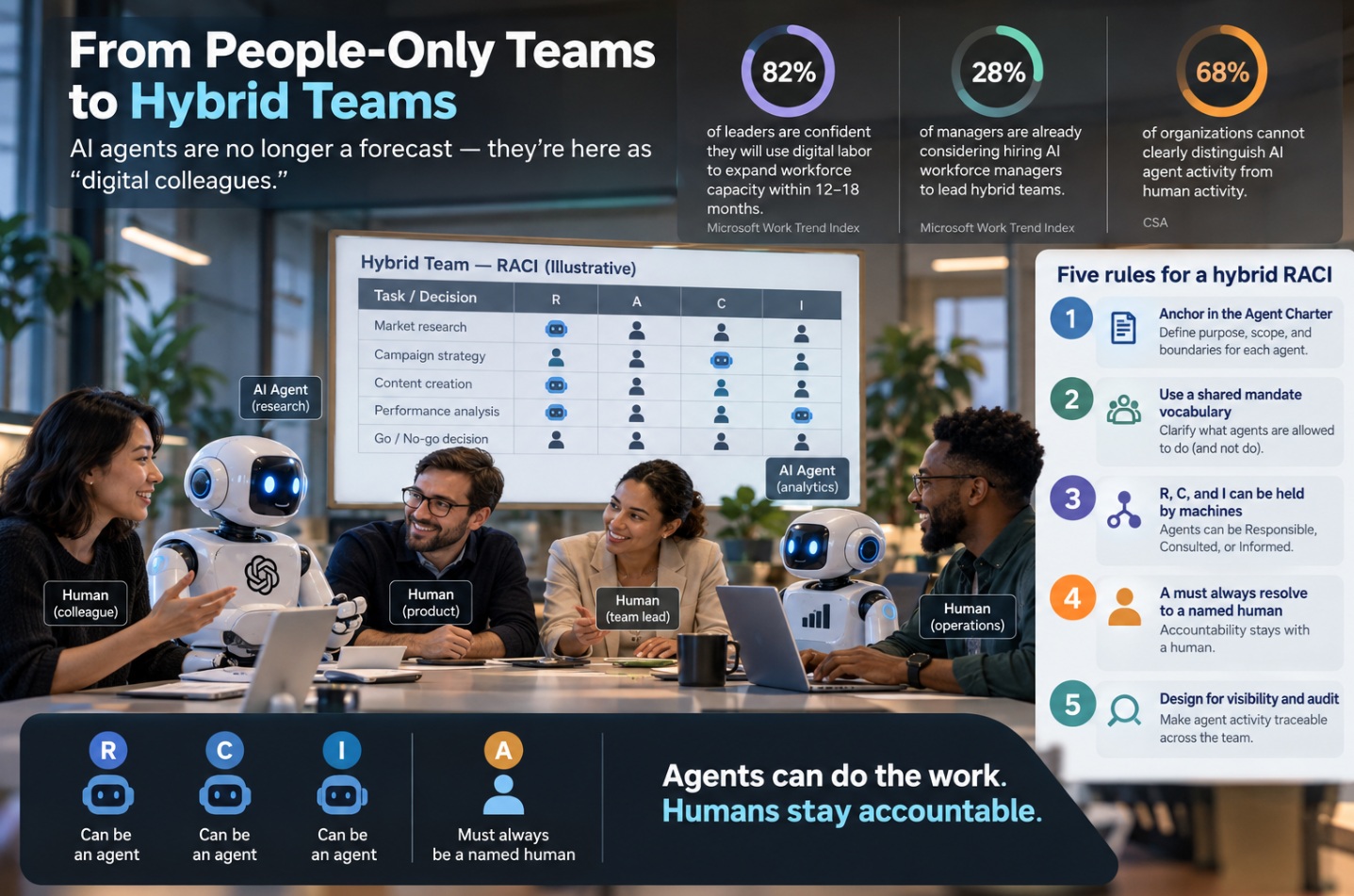 The Hybrid Team: Rethinking RACI When Some of Your Team Members Are Machines
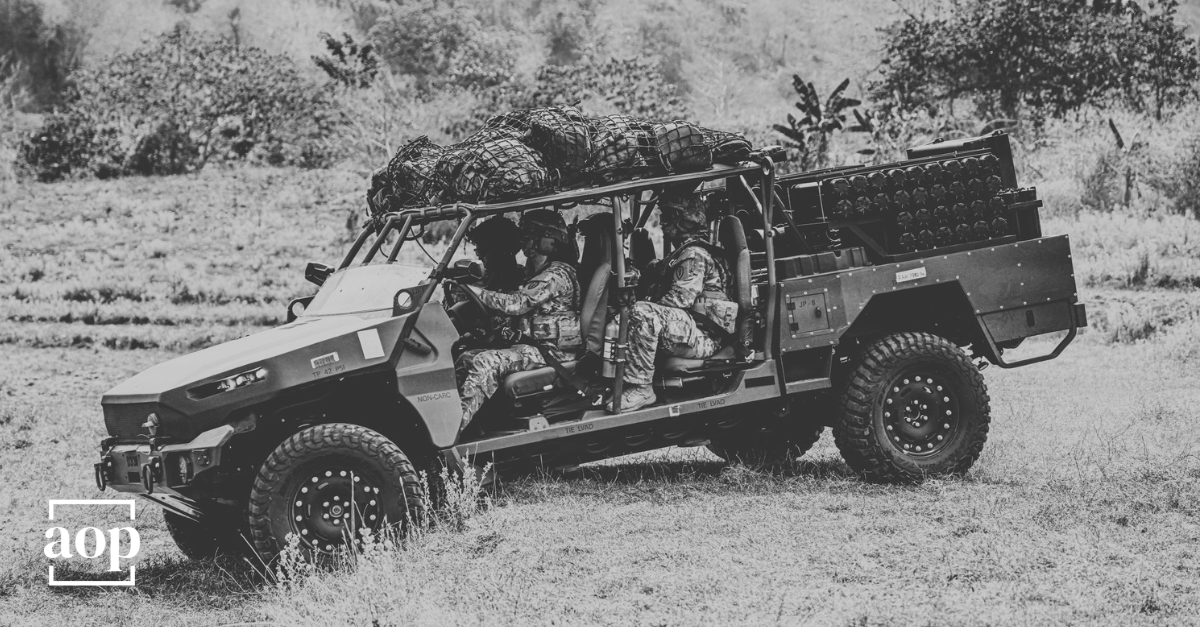 Two Clocks, One Truck: The Army's Need for Speed Meets New Defense Sourcing Rules
 Sustainable Transformation: The Elephant and The Mouse In The Room