Sep09

4 of 4 in a series on Building a Leadership Pipeline That Won’t Crack Under Pressure
Future leaders often come across as confident.
They speak well in meetings.
They have strong technical knowledge.
They make decisions quickly.
Their peers respect them.
Their manager says they're ready for more responsibility.
Confidence comes from things they have accomplished that can be held up as examples of success.
Readiness is much harder to measure.
That distinction matters because many succession decisions are based on past accomplishments.
Confidence can create the illusion of preparedness.
Readiness is built through experience.
I've met plenty of leaders who confidently accepted bigger roles only to discover they had never developed the skills those positions required.
I've also met quieter leaders who doubted themselves, yet consistently demonstrated excellent judgment when given broader responsibilities.
Confidence and readiness are not the same thing.
In succession planning, owners should be asking different questions.
Instead of asking, "Who wants the job?"
Ask, "Who has demonstrated the judgment the job requires?"
Instead of asking, "Who seems like a leader?"
Ask, "Who has consistently solved enterprise-level problems?"
Instead of asking, "Who presents well?"
Ask, "Who continues making sound decisions when the pressure increases?"
Those answers reveal readiness.
One exercise I often recommend is creating an inventory of executive experiences.
List the responsibilities your future CEO will inherit. (Asking your current CEO to create this list is often a surprise in itself! So many of us don’t realize all the decisions we make in a day – or how we reasoned through those decisions.)
Then evaluate each succession candidate against those experiences.
Not whether they have observed them or “understand” them, but whether they have actually led them.
The gaps become remarkably clear.
The good news is those gaps are usually addressable—if you identify them early enough.
That's why succession planning should begin years before a leadership transition.
Time allows organizations to intentionally create experiences that build judgment.
Without that time, companies often end up promoting people based on potential and hoping they grow into the role quickly enough.
Hope is not a succession strategy.
Experience is.
One founder told me, "I know she'll figure it out."
Yipes!
Why leave something that important to chance?
Imagine if airline pilots didn’t practice emergency procedures – even though 99.9% of the time they never need them.
We would never accept that lack of preparation from someone steering the ship (literally).
Yet businesses regularly promote executives into the most important leadership role of their careers with very little opportunity to practice the responsibilities they are about to inherit.
That isn't confidence.
That's optimism.
The companies that consistently navigate leadership transitions well understand the difference.
They don't simply identify talented people.
They systematically prepare them.
Confidence may help someone get into the top three, but readiness is what will make them the clear choice.
= = = =
See the other articles in this series:
1 - How to Build a Leadership Pipeline That Won't Crack Under Pressure
2 - Stress-Test Your Successors Before the Market Does
3 - Why High Performers Don't Always Make Great CEOs
Keywords: Entrepreneurship, HR, Leadership
 2027 Predictions for Cybersecurity: The Agent Is the New Insider
 FROM THE AISLE Field Notes on AI Implementation
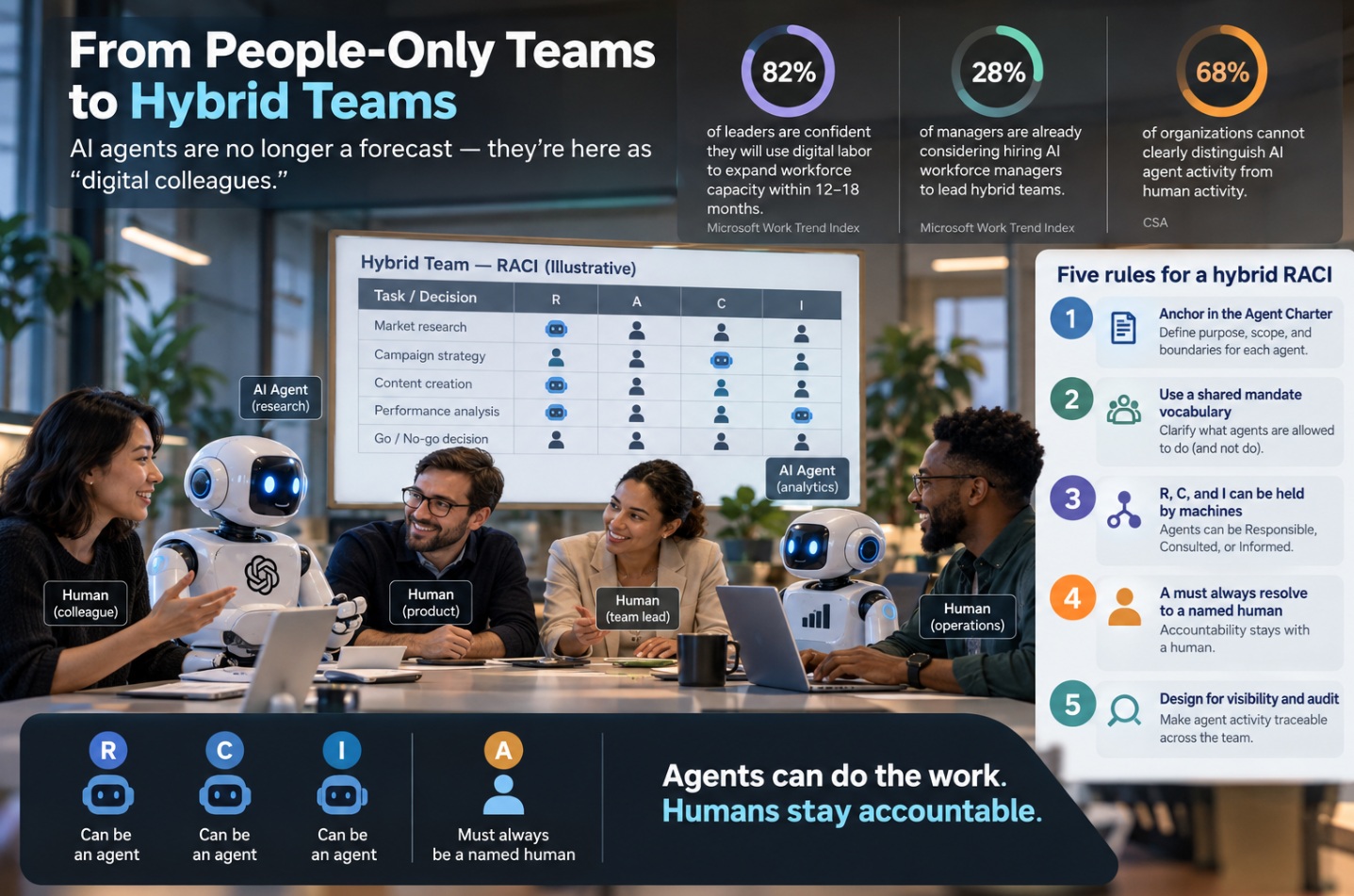 The Hybrid Team: Rethinking RACI When Some of Your Team Members Are Machines
 Two Clocks, One Truck: The Army's Need for Speed Meets New Defense Sourcing Rules
 Sustainable Transformation: The Elephant and The Mouse In The Room