Mar23
|
On Friday 15 March 2024, a routine configuration change by a third-party provider took McDonald’s ordering systems offline across multiple countries. Stores in Australia turned away customers, outlets in Japan and the UK paused service, and many restaurants reverted to cash and pen-and-paper until systems returned a few hours later (1). The outage made headlines precisely because the system is usually invisible and ultra-reliable. The brand’s consistency has never depended on a single heroic manager on shift. It rests on teachable, auditable systems that run the restaurant when no one famous is in the building. That is the point for middle managers: your legacy is the system you leave, not the spotlight you stand in. Why systems outlast presenceDocumented and auditable systems are not bureaucracy, they are compounding assets. A meta-analysis published by the International Organization for Standardization summarised findings from 42 empirical studies and concluded that ISO 9001 quality management systems are associated with better financial and operational outcomes, particularly when they drive genuine internal improvement rather than a tick-the-box certification. (2) Likewise, research on Toyota’s codified management system shows sustained links between Toyota Way practices and improved operational performance and long-term growth. (3) And if you need a practical risk lens, the bus factor is a vivid measure of fragility when too few people hold critical know-how. Low bus factor equals single point of failure; systems raise the bus factor by spreading knowledge across roles. (4) This is where AI can be your best assistant, using AI, within the frameworks your organisation allows, to draft, summarise, streamline, test, organise systems will amplify productivity, save vital time; time middle managers could be spending doing the critical people leadership work. The Legacy Ladder in practice Managers move from Heroics to Habits to Playbooks to Platform. The climb is a mindset shift from ‘only I can do this’ to ‘any trained person can do this’ to ‘the system ensures it happens.
|
|
|
|
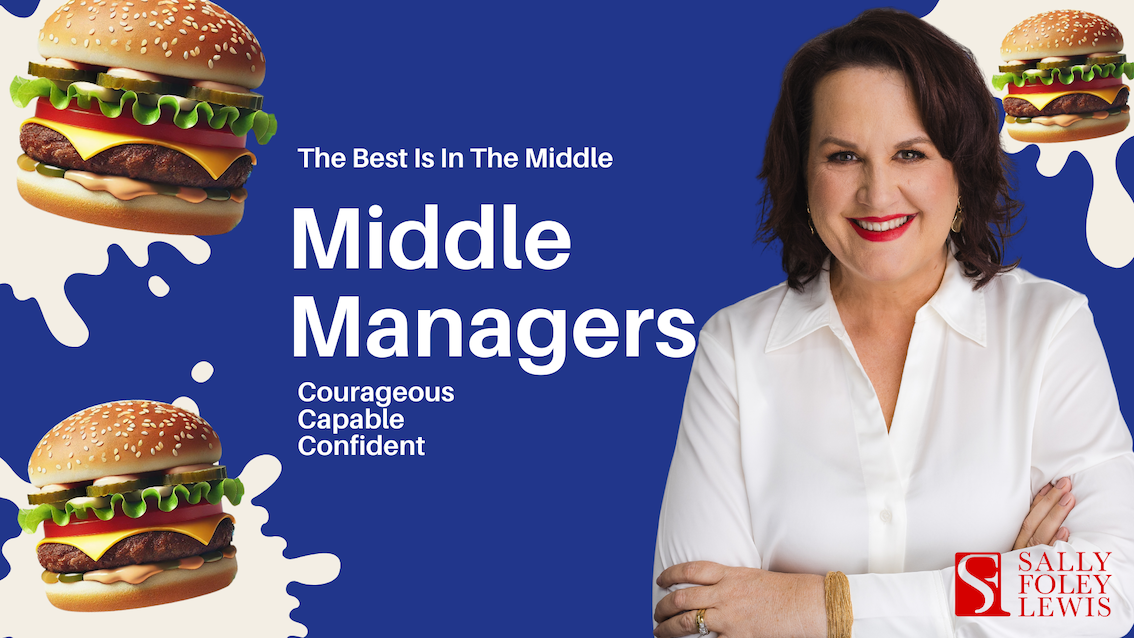
McDonald’s standard work and visual management are well-documented lessons in how to scale quality, speed and consistency. The 2024 outage did not nullify that lesson. If anything, it underlined a second truth: robust systems also include contingency playbooks for inevitable exceptions, from failovers to cash-only modes to manual order capture. (6) Your Burger Framework for Legacy Let’s keep this tasty and tactical using the High-Performing Manager Burger: |
|
|
|
Eight practical moves to climb the ladder
Ignoring this or not seeing this through completely leads to a high risk of performance becoming brittle. Leave, promote or lose one key person and you expose single points of failure, delay decisions, and erode customer trust. The bus factor drops, the firefighting spikes, and growth stalls. By contrast, codified systems turn good days into standard days. I'd love to know your thoughts Source: 2. https://www.iso.org/news/2012/ 3. https://www.qip-journal.eu/ 4. https://en.wikipedia.org/wiki/ 5. https://www.reuters.com/ |
Keywords: Leadership, Management
 Two Clocks, One Truck: The Army's Need for Speed Meets New Defense Sourcing Rules
 Sustainable Transformation: The Elephant and The Mouse In The Room
 The Price of Standing Alone: Strategic Autonomy in a World Where Nobody Can Do It Alone
 The Potter’s Hands: Why Great Leaders Shape Environments, Not People
 The Corix Partners Friday Reading List - October 16, 2026