Apr26

Sponsored Post By Resumeble
The modern HR landscape has moved far beyond routine administrative tasks. Today, it operates at the intersection of data, technology, and strategic leadership, where every hiring decision is increasingly tied to measurable business outcomes. Organizations are adopting sophisticated HR platforms, integrating artificial intelligence, and leveraging predictive analytics to identify candidates who can not only perform but also drive growth, innovation, and long-term value. Hiring is no longer a reactive process, it’s a forward-looking strategy aimed at securing leaders who can navigate complexity and deliver results in rapidly changing markets.
In this environment, executive candidates are no longer judged solely on tenure or job titles. Instead, they are evaluated based on measurable impact, leadership effectiveness, and their ability to influence organizational success at scale. Decision-makers are looking for clear evidence of transformation whether it’s revenue growth, operational efficiency, successful digital initiatives, or team performance improvements. As a result, resumes must do more than outline responsibilities; they need to tell a compelling, data-backed story that demonstrates how a candidate has created value throughout their career.
This shift has significantly transformed how resumes are crafted, particularly for senior professionals. A traditional, text-heavy document is no longer enough. Today’s executive resume must be strategically structured, optimized for Applicant Tracking Systems (ATS), and aligned with the expectations of both automated screening tools and human recruiters. It needs to highlight key achievements with quantifiable results, present a clear leadership narrative, and reflect a strong personal brand. Every section from the executive summary to core competencies and career highlights must work together to position the candidate as a high-impact leader.
At the same time, competition for senior roles has intensified. Top-level positions often attract highly qualified candidates from across global markets, making differentiation critical. Even highly accomplished professionals can be overlooked if their resumes fail to communicate their value effectively or align with modern hiring technologies. This is where professional expertise becomes a decisive advantage.
For experienced leaders navigating this highly competitive space, investing in for top managers is no longer optional it is a strategic decision that can shape future opportunities. A professionally crafted executive resume ensures that achievements are clearly articulated, leadership strengths are properly positioned, and the overall presentation meets the expectations of today’s data-driven hiring processes. It not only increases visibility in a crowded talent pool but also strengthens a candidate’s ability to secure interviews, negotiate better offers, and advance into roles where they can make a meaningful impact.
The Shift Toward Data-Driven Executive Hiring
From Responsibilities to Measurable Outcomes
Modern HR systems, often powered by cloud-based platforms and predictive analytics, are designed to evaluate candidates based on quantifiable achievements. Advanced HR technology increasingly focuses on identifying high-performing professionals and forecasting future success.
This means executive resumes must clearly demonstrate:
A generic list of responsibilities is no longer sufficient. Hiring systems and decision-makers expect evidence.
ATS and Algorithmic Screening
Applicant Tracking Systems (ATS) are now standard across enterprises. These systems scan resumes for keywords, structure, and relevance before a human ever reviews them.
Key requirements for executive resumes include:
Failure to meet these technical standards can result in automatic rejection—even for highly qualified candidates.
Why Executive Resume Writing Requires Specialized Expertise
The Complexity of Leadership Narratives
Executive careers are inherently complex. Senior professionals often have:
Translating this into a concise, compelling narrative requires more than writing skills—it demands business acumen.
Alignment with HR Technology Trends
Modern HR ecosystems integrate talent management, learning systems, and analytics into a unified approach to workforce evaluation.
As a result, resumes must align with how organizations think about talent:
Professional resume writers understand how to position candidates within this framework.
What Defines a High-Impact Executive Resume Today
Top executives are expected to demonstrate measurable results, such as:
These metrics align with how modern HR analytics systems evaluate performance.
A strong executive resume is not a career summary—it is a strategic document that positions the candidate as:
This positioning is critical for senior leadership roles.
Executives must present a clear leadership identity, including:
This differentiation is essential in highly competitive markets.
The Role of HR Technology in Resume Effectiveness
Predictive Analytics in Hiring
Advanced HR systems increasingly use predictive analytics to assess employee potential and long-term success.
This impacts resumes by increasing the importance of:
Employee Experience and Leadership
Modern systems also evaluate how leaders influence engagement and organizational culture.
Executives must showcase:
These factors are becoming key hiring criteria.
Why Generic Resume Approaches Fall Short
Many resume services focus only on formatting rather than strategy. For executive-level roles, this is not enough.
Common limitations include:
Strategic, tailored resume development is essential for standing out.
The Competitive Advantage for Senior Leaders
Standing Out in a Crowded Market
Senior roles often attract hundreds of applicants. A well-crafted executive resume ensures:
Accelerating Career Growth
A strong resume does more than secure interviews—it supports:
Aligning with Future Trends
As HR technology evolves, executive branding must evolve with it, staying aligned with:
Final Thoughts
The evolution of HR into a data-driven, technology-enabled function has fundamentally changed how executives are evaluated. According to industry research from organizations such as LinkedIn and McKinsey, more than 70% of large enterprises now use AI-powered recruitment tools or advanced analytics in their hiring processes, meaning leadership potential is increasingly assessed through structured, data-backed criteria rather than subjective review alone. As a result, organizations now seek leaders who can demonstrate measurable impact, strategic thinking, and adaptability in a rapidly changing environment.
In this context, a resume is no longer just a document, it is a strategic asset. Studies on hiring behavior consistently show that recruiters spend only a few seconds on initial resume screening, while Applicant Tracking Systems filter out a significant share of applications before they reach a human reviewer. This makes structure, clarity, and quantified achievements essential for senior-level candidates who want to remain competitive.
For top managers aiming to secure leadership roles and advance their careers, investing in for top managers is a decision grounded in both logic and long-term professional value. A well-structured executive resume not only increases visibility in automated systems but also significantly improves the likelihood of progressing to interview stages, particularly in highly competitive, data-driven hiring environments.
Keywords: HR, Recruiting
 “I didn’t write an award acceptance speech because I didn’t expect to win.”
 AI Is Exposing the Data Problems Humans Used to Hide
 "The AI may in fact be conscious." Really?
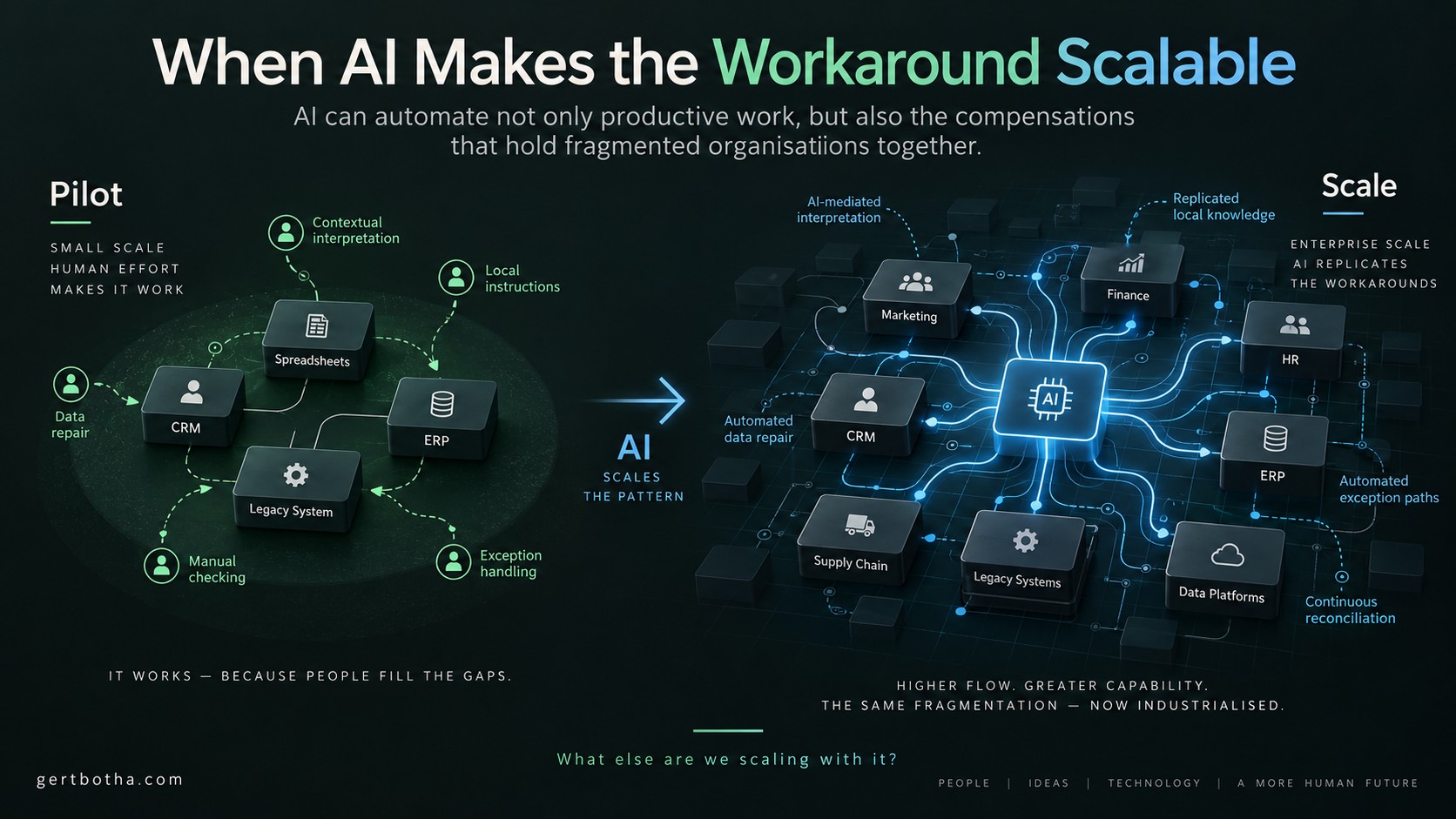 When AI Makes the Workaround Scalable
 The Age of Continuous Shocks: Why the coming downturn will be decided in your supply chain