




I am Oliver Schumacher – a B2B sales trainer with real-world experience. After ten years in field sales, I now speak on stage: honest, direct, and without showmanship. My focus topics are price negotiation, customer interaction, and sales mindset. Those who hear me quickly realize: this is someone who truly knows how selling works.
As a business graduate and former sales manager at Wella, I have been a sought-after sales trainer across the German-speaking region since 2009. The business magazine Wirtschaftsecho calls me “one of Germany’s best trainers.” I have earned more than 1,000 positive client reviews and authored several books – including the long-seller Preisverhandlung (“Price Negotiation”). I also run a successful YouTube channel where I share regular insights on sales and pricing excellence.
Available For: Advising, Authoring, Consulting
Travels From: Lingen (Ems), Niedersachsen, Deutschland
Speaking Topics: customer acquisition, selling, b2b
| Oliver Schumacher | Points |
|---|---|
| Academic | 0 |
| Author | 310 |
| Influencer | 42 |
| Speaker | 5 |
| Entrepreneur | 0 |
| Total | 357 |
Points based upon Thinkers360 patent-pending algorithm.

 How to properly introduce a keynote speaker: examples, template and typical mistakes
Tags: Business Strategy, Marketing, Sales
 Measure and sustainably secure the impact of a keynote speech
Tags: Business Strategy, Marketing, Sales
 Booking a keynote speaker: Clarify the process, contract, fee and services
Tags: Business Strategy, Marketing, Sales
 Planning a roadshow with a keynote speaker: ensuring smooth execution, logistics, and quality
Tags: Business Strategy, Marketing, Sales
 Keynote online, in person or hybrid: Which format suits your event?
Tags: Business Strategy, Marketing, Sales
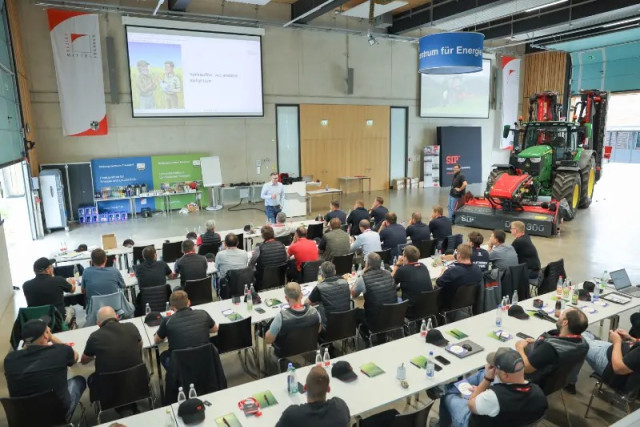 Keynote, inspirational speech or workshop: Which format suits the event?
Tags: Business Strategy, Marketing, Sales
 Requesting and briefing keynote speakers: Template for event organizers
Tags: Business Strategy, Marketing, Sales
 Selecting and comparing keynote speakers: Decision matrix for event organizers
Tags: Business Strategy, Marketing, Sales
 Building a sales academy: Systematically developing strategy, learning architecture and learning paths
Tags: Business Strategy, Marketing, Sales
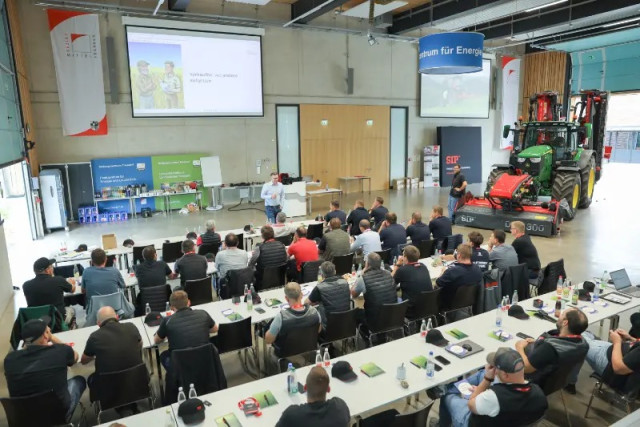 Planning the training rollout: Ensuring quality and learning transfer across multiple trainers and locations
Tags: Business Strategy, Marketing, Sales
 Tendering sales training and selecting providers: A guide for larger qualification projects
Tags: Business Strategy, Marketing, Sales
 Customer service: 20 tips – How to advise customers correctly
Tags: Business Strategy, Marketing, Sales
 Over 30 distribution channels – do you know them all?
Tags: Business Strategy, Marketing, Sales
 10 tips: Onboarding new sales staff
Tags: Business Strategy, Marketing, Sales
 11 tips to help your employees use your CRM system
Tags: Business Strategy, Marketing, Sales
 Unlocking customer potential – here's how
Tags: Business Strategy, Marketing, Sales
How to successfully implement cross-selling in a modern way
Tags: Business Strategy, Marketing, Sales
 Closing Sales: Tips and Phrases
Tags: Business Strategy, Marketing, Sales
 Recognize buy signals – and sell!
Tags: Business Strategy, Marketing, Sales
 Telephone coaching: Finally, more confidence!
Tags: Business Strategy, Marketing, Sales
 Identifying buying motives and initiating purchasing decisions
Tags: Business Strategy, Marketing, Sales
 Increase sales – it's easy – 20 ideas
Tags: Business Strategy, Marketing, Sales
 Obtain and use customer references – 30 tips
Tags: Business Strategy, Marketing, Sales
 Pricing strategies: What's right? What's wrong?
Tags: Business Strategy, Marketing, Sales
 Price pressure: When customers compare apples to apples…
Tags: Business Strategy, Marketing, Sales
 Tendering sales training and selecting providers: A guide for larger qualification projects
Tags: Business Strategy, Marketing, Sales
 Bock auf Vertrieb: So machen Ihre Kunden Gewinn und Sie Karriere (Dein Business)
Tags: Business Strategy, Marketing, Sales
 Was viele Verkäufer nicht zu fragen wagen: 110 Tipps für bessere Verkaufsresultate im Außendienst
Tags: Customer Loyalty, Marketing, Sales
 Verkaufen auf Augenhöhe: Wertschätzend kommunizieren und Kunden nachhaltig überzeugen
Tags: Sales
 THE BEST SPEAKERS ON SALES AND MARKETING: EXPERTISE THAT SELLS
Tags: Business Strategy, Customer Loyalty, Sales

Tags: Business Strategy, Customer Loyalty, Sales





 Raising Prices with Confidence - Why Your Mindset Matters More Than Your Script
Most salespeople don’t lose because of their customers. They lose because of what happens inside their own head. The moment they say price increase, their pulse jumps. Even before the customer reacts, a voice whispers: “What if I lose this account?” And that’s where the trouble starts.
In price discussions, your mindset beats your argument. A salesperson says softly, “Unfortunately, we have to adjust our prices.” The customer frowns, leans back, and replies, “That doesn’t work for me.”
And just like that, the seller starts explaining, defending, apologizing. The authority is gone. Not because of the price change, but because of the tone.
A price increase isn’t a crime. It’s part of running a healthy business.
Trying to hold prices steady while wages, energy, and materials rise is like driving with the handbrake on - you’ll burn out before you move forward.
Customers aren’t naive. They understand that costs rise. What they don’t accept is uncertainty. The moment a salesperson hesitates, trust fades.
That’s why you shouldn’t defend a price adjustment. You should explain it — calmly and clearly.
For example: “To maintain the quality you’re used to, this price adjustment is necessary.”
That sentence shows confidence. And confidence builds trust.
Many salespeople fear they’ll lose a customer when they raise prices.
But in reality, they lose them when they shrink. Customers test limits; it’s their job. But they respect clear boundaries.
I call it the knee reflex: the instant a buyer objects, the seller folds.
Professional selling means staying upright, breathing, explaining. Not begging. Not backing down. Just standing firm and showing why the price makes sense.
Strong price communication starts in your head. Buyers can tell if you’re genuinely convinced or just acting. So prepare yourself:
• Know your arguments — short, logical, confident.
• Don’t fear silence — it usually means reflection, not rejection.
• Practice your opening line — it sets the tone for everything that follows.
Salespeople who see price increases as a normal part of business speak with more ease. They come across balanced, professional, and credible. That’s what earns respect.
Professional buyers have seen it all. They know every discount trick. But they respect salespeople who stand their ground.
A well-reasoned price increase says: this company is solid, reliable, and serious about value. That’s worth more than a quick discount.
Raising prices isn’t risky when it’s done with integrity. It shows that a business thinks long-term and that the salesperson understands their worth.
Speak calmly. Be factual. Show conviction.
Because customers don’t buy from the cheapest supplier — they buy from the one who believes in their own value.
In the end, it’s not the customer who decides whether your price increase works. It’s you — by the way you carry yourself when you announce it.
Tags: Sales



 30 Minuten Preisverhandlung