Unlock access to Thinkers360 AI to fast-track your search for analysts and influencers.
This feature is available for Enterprise Lite and Enterprise Members Only.
You have been temporarily restricted. Please be more thoughtful when adding content for your portfolio. Your portfolio and digital media kit and should be reflective of the professional image you wish to convey. Accounts may be temporarily restricted if we receive reports of spamming or if the system detects excessive entries.
Membership
Publish your original ideas on the Thinkers360 platform!
This feature is available for Pro and Pro-Plus Members Only.
Speaker Bureau functionality whereby individuals can be featured speakers within our Speaker Bureau service and enterprises can find and work with speakers.
This feature is available for Pro, Pro-Plus, Premium and Enterprise Members Only.
Highlight your featured products and services within our company directory for enhanced visibility to active B2B buyers worldwide.
This feature is available for Pro, Pro Plus, Premium and Enterprise Members Only.
Publish on the Web’s #1 Thought Leadership Blog.Join the elite. Ranked the top thought leadership blog by Feedspot (2021–2025), Thinkers360 offers you more than just a platform - it offers authority. Share your insights with our community and tap into a combined network of over 100M followers through our peer-to-peer marketplace.
You’ve reached your daily limit for entering quotes. Please only add personally-authored content which is reflective of your digital media kit and thought leadership portfolio.
Thinkers360 Content Library
For full access to the Thinkers360 content library, please join ourContent Planor become a contributor by posting your own personally-authored content into the system viaAdd PublicationorImport Publication.
Dashboard
Unlock your personalized dashboard including metrics for your member blogs and press releases as well as all the features and benefits of our member plans!
AI–EdTech expert. AI competency frameworks and digital culture expert. AI-based adult education innovation and curriculum developer. AI-based adult education innovation expert. at Dr. Zuti Pál
Békéscsaba, Hungary
Dr. Pál Zuti – Curriculum Vitae
Personal Information
• Name: Dr. Pál Zuti
• Date of Birth: August 21, 1951
• Citizenship: Hungarian
• Contact:
o Email: dr.zuti@gmail.com
o LinkedIn: www.linkedin.com/in/pál-dr-zuti-68b49418b
o Address: 5600 Békéscsaba, ?r utca 3/A. 4/2.
o Mobile: +36 20 383 6106
Academic Degrees and Certificates
• Doctor of Philosophy (Dr. Univ.) in Educational Sciences (Didactics)
Kossuth Lajos University, Debrecen (1982)
• Teacher of Mathematics and Technical Sciences
Bessenyei György Teacher Training College (1973)
• Lecturer in Education, Specialization in Pedagogy
Kossuth Lajos University (1980)
• Educational Technology Instructor
National Educational Technology Center (1977)
• IT Specialist in Education (Advanced)
ISZE (1998)
• Diploma in Project Management
ALISON, Ireland (2025)
• Diploma in Information Technology Support and Security
ALISON, Ireland (2025)
• Mobility Mentor
Directorate-General for Social Inclusion (2022)
Professional Experience
Leadership and Consulting Positions
Since 2025 – Adult Education and Digital Culture Development Leader
Mind Mate Inspiration Association
• Leading the development of strategic adult education projects and digital culture initiatives.
2016–2022 – Professional Leader in Adult Education
Félúton Foundation, HUMÁN SZTRÁDA Nonprofit Ltd.
• Comprehensive adult education program development, quality assurance, and strategic management.
2019–2021 – Coordinator and Instructor (Key Projects: GINOP-6.1.6-17, GINOP-1.2.8-20)
F-Active Learning Ltd.
• Implementing blended and online learning/training, introducing digital solutions to education and assessments.
2019–2021 – Head of Education, Professors for European Hungary Association
• Strategic planning, professional workshops, program development, GDPR compliance, quality assurance.
Academic and Teaching Roles
2024–2025 – Digital Culture Lecturer
Budapest Technical SZC Neumann János IT Vocational School
2022–2023 – Teacher of Digital Culture, Informatics, Mathematics
Erzsébetváros Hungarian-English Bilingual Primary and Art School
• Organizer of the annual Digital Theme Week.
2009–2014 – Division Head
European Business Polytechnic (Gyula)
• Management of adult education, curriculum development, educational administration.
2002–2009 – Senior Informatics Teacher, Branch Leader
European Business Polytechnic (Budapest)
1983–1987 – College Adjunct Professor, Senior Lecturer
Kossuth Lajos Military College
Bessenyei György Teacher Training College
Additional Roles
• OKJ Professional Exam President (2001–2016)
• Accredited Vocational and Adult Education Expert (since 2016)
• Program Expert (since 2016)
• Member of Examination and Expert Registers of Several Regional and National Centres
Fields of Expertise
• Higher Education: College adjunct professor, department deputy head.
• Secondary and Technical Education: Mathematics and informatics teacher.
• Adult and Vocational Education: Director, division head, program and methodology developer.
• Digital Culture and Pedagogy: Development and teaching of digital culture curricula and educational technology.
• Project Management: Leading educational and innovative development projects (including Erasmus+ and other EU-funded projects).
Key Competencies
• Responsible innovation, digitalization, curriculum and educational content development.
• Methodological and strategic leadership in adult education and digital culture.
• Quality assurance and accreditation in education.
• Competence in integrating ICT and AI into education, digital skills and digital transformation for Industry 4.0.
• Advanced IT user: text editing, spreadsheets, databases, presentations, and internet applications.
• Expertise in knowledge transfer, proactivity, adaptation, collaboration, and creative problem-solving.
Scientific and Professional Achievements
• Authored or co-authored over 45 publications, including books, studies, and professional articles.
• Developed and managed more than 100 curricula and training programs.
• Delivered presentations at numerous Hungarian and international conferences; awarded “best section presentation” multiple times.
• Key role in the design and implementation of national education and adult learning strategies.
• Recognized contribution to the modernization of education with a unique focus on responsible innovation and digital transformation.
International and National Activities
• Member of numerous professional organizations:
Hungarian Society of Pedagogy, Neumann Society of Computer Science, National Association of Adult Education Experts, Hungarian Society for Pedagogy, INFOTANÁR Mentor Program Club, EdTech Coalition, European Digital Education Hub, among others.
• Conference and Workshop Presenter: Frequent presenter at major relevant scientific and professional events (e.g., Multimédia az Oktatásban, Lifelong Learning Conferences, International Interdisciplinary Conferences).
• Erasmus+ project participant: “Be the Change” transnational project, responsible for curriculum and methodology development.
Notable Program and Curriculum Development
• Digitization and Responsible Innovation in Adult Education (“Adult Education 4.0”): Design and implementation of future-proof training models focusing on digital, communication, and innovation skills.
• ICT Core Skills, Digital Literacy, and Office Applications: Author of multiple foundational and advanced training programs for adult learners.
• Curriculum Development for Ipar 4.0 Awareness: Training for the digital industrial shift and automation.
Selected Publications
• “Multimédia és prezentáció” – Tankönyvmester Kiadó, Budapest, 1999 (co-author).
• “Feln?ttképzés 4.0 – Tananyagfejlesztés a digitális korban” – Lifelong Learning Conference Proceedings, Óbudai Egyetem, 2024 (co-author).
• “Digitization and Responsible Innovation in the Future-Oriented Training Process” – Journal of Applied Multimedia (in press, 2025).
• “AI-EdTech and Trust in Future-Oriented Educational Processes” – International Interdisciplinary Conference Proceedings, Veszprém, 2025.
• Full publication list: Available upon request or in the professional portfolio.
Professional Philosophy
Dr. Pál Zuti's educational philosophy focuses on digital culture, responsible innovation, futures awareness, artificial intelligence, adaptation to societal and individual needs, and the integration of advanced digital and pedagogical methodologies into lifelong learning. Its strategic vision focuses on quality, adaptability, participant-centeredness, and the synergy of interdisciplinary collaboration to ensure the continuous development of both educators and learners in the age of digital transformation.
Békéscsaba, August 5, 2025
Available For: Advising, Authoring, Consulting, Influencing, Speaking Travels From: Bekescsaba, Hungary
Speaking Topics: AI EdTech & Adult education4.0 & AI Literacy. Digital Culture, AI and Lifelong Learning.
Pál Dr. Zuti
Points
Academic
625
Author
493
Influencer
79
Speaker
41
Entrepreneur
40
Total
1278
Points based upon Thinkers360 patent-pending algorithm.
Thought Leader Profile
Portfolio Mix
Company Information
Dr. Zuti Pál
AI–EdTech expert. AI competency frameworks and digital culture expert. AI-based adult education innovation and curriculum developer. AI-based adult education innovation expert.
Stay up to date with the latest insights in AI literacy, generative AI, and educational innovation.
Here you will find brief highlights of my most recent work, including emerging trends, key reflections, and practical takeaways relevant to AI-driven transformation in education and organizational development.
For in-depth analysis, weekly expert insights, and exclusive tools and frameworks, explore the VIP content section available to subscribers.
1 Article/Blog
From Prompt Pedagogy to Organizational AI Literacy: A Blueprint for Adult Education 4.0
Thinkers360
June 07, 2026
An exclusive, practitioner-focused deep dive into how prompt pedagogy, ethics and data protection can be translated into concrete AI literacy programs for adult learners and corporate training – building on my conference work and real-world consulting experience, and available only to my Thinkers360
Exceptional recognition
Dr. Pál Zuti (Self-published on Thinkers360)
June 26, 2026
Dr. Pál Zuti has been included in the 2026 jubilee encyclopedia of Britishpedia's "Successful Personalities of Hungary".
There are moments that become milestones of an entire career. June 25, 2026 was such a day in the life of Dr. Pál Zuti.
British Publishing House – Certificate of Outstanding Performance and Membership
Dr. Pál Zuti (Self-published on Thinkers360)
June 20, 2026
In December 2025, British Publishing House Ltd. awarded me a Certificate of Outstanding Performance and confirmed my membership in BPH – British Publishing House. This recognition highlights my work at the intersection of adult education, AI literacy, and educational technology, including curriculum design, professional training programs, and thought leadership on future‑ready learning. It serves as an external validation of my ongoing contributions to research‑informed practice and high‑impact, innovation‑driven education for professionals and organizations.
PROQM – Mastering Professional Work
Dr. Pál Zuti (Self-published on Thinkers360)
June 25, 2026
PROQM – Mastering Professional Work (48 hours)
Dr. Pál Zuti successfully completed the PROQM – Mastering Professional Work program, an intensive 4+2 day training focused on professional, quality-driven work practices and process-based thinking. The course develops proactive, prevention-focused work culture, transparent workflows, and data-informed decision-making to enhance individual and organizational effectiveness. The knowledge gained supports the design of AI-augmented learning ecosystems, structured L&D processes, and quality-oriented organizational development initiatives.
Oktatócsomagok tervezése a matematika tantárgypedagógiában
Acta Academiae Paedagogicae Nyíregyháziensis Tom 9/1.
April 26, 1982
Az oktatócsomag a tananyagot megtestesítő taneszköz-rendszer, eszközegyüttes, amely kiegészül a tanulási célok rendszerével, teljesítménymérő eszközökkel, tesztekkel, gyakorlati feladatokkal stb., tanári v. tanulói felhasználási útmutatóval aszerint, hogy csoportos, tanórai, vagy egyéni feldolgozásra tervezték.
2025 Multimedia in Education – Lifetime Membership Award Laudation
Dr. Pál Zuti (Self-published on Thinkers360)
June 21, 2026
This laudation was delivered at the “Multimedia in Education” Conference 2025 to recognize a Lifetime Membership Award for outstanding contributions at the intersection of pedagogy, multimedia and educational technology. It highlights long-term commitment to innovation, community leadership and the meaningful use of digital media to enhance teaching and learning.
Living with Future Consciousness: How One Training Turned a Skeptic into a Committed Learner
Dr. Pál Zuti (Self-published on Thinkers360)
June 11, 2026
This reflective essay describes how a seemingly “just another mandatory training” on the 7 Habits of Highly Effective Teachers turned into a powerful lesson in future‑consciousness, AI‑era mindsets and professional growth.
From Training Survivor to Sceptical Participant
In my professional life, the period of in‑service training has been a very special, often tension‑filled chapter of my personal history. Over several decades of professional development – from college and university courses to compulsory in‑service trainings – I have completed more programmes than I can easily count. Along the way, I gradually developed what I used to call a “training survival routine”.
The routine was simple: look as if you are paying attention, sit in a way that hides the fact that after ten minutes you no longer have any idea what the trainer is talking about, and hope that nobody asks questions so you can leave earlier. I often felt that we were listening for hours to something that could have been said in three minutes. In many cases, practising teachers in the room had more real‑world experience than the trainer. We listened to theories and unrealistic blueprints about imaginary schools while our time was being wasted without any tangible benefit for our everyday work.
Over the years, I built a whole micro‑strategy around this: how to appear active without truly engaging, how to “get through” mandatory sessions while mentally focusing on tasks I considered more important. With this accumulated scepticism and “survival mode”, I also walked into this particular training course: a programme on “The 7 Habits of Highly Effective Teachers”.
First Impressions: Resistance and Skepticism
From the very beginning, I did not like what I saw. The room had been rearranged. That usually means “active participation” will be expected, I thought. I had no intention of being active; I simply did not feel like it. The trainer – a very enthusiastic lady – smiled, asked questions, tried to energise the group. Meanwhile, I sensed that most participants were in survival mode, just as I was.
The American origin of the method and the overly optimistic atmosphere initially reinforced my scepticism. It seemed, once again, that we were about to be presented with a new “miracle method” promising universal solutions to complex problems. In my mind I labelled it as: “another American invention – rediscovering the obvious and selling it in a highly emotional way”. When the motivational videos started, I felt my resistance grow even stronger. I was convinced I already knew how these things work and that nothing truly new would emerge.
The Turning Point: From Passive Attendance to Real Engagement
Then something happened that I did not expect. The trainer asked yet another question and, as usual, nobody answered. My first thought was: “Let someone say something so we can move on and finish earlier.” After a short silence I decided to speak up myself, just to move things forward.
This small act of participation became a turning point for me. The trainer reacted with genuine appreciation, praised my contribution and showed real interest in the thoughts of the group. Her positive feedback and authentic curiosity prompted me to open up and to give the training a second chance. I thought: “Perhaps I should actually listen. Maybe there is something here that could be useful.”
To my surprise, there was. It is true that there is very little that is entirely new under the sun. Conceptually I knew most of what was being presented. But hearing these ideas clearly named, structured and connected into a coherent framework made them feel new. The conscious mindset behind the model and its structured approach provided a valuable perspective on my own habits and professional practice.
The core message of the training – conscious life management, goal setting and self‑reflection – offered a practical framework for developing competencies that are directly applicable in everyday life and work.
Future‑Consciousness: Goals, Planning and Self‑Management
A central element of the training was future‑conscious thinking: the idea that we should live and act with an explicit awareness of the future we are helping to create. I was reminded how important it is to formulate concrete, realistic yet challenging goals – not only in our private lives, but also in our professional roles as educators.
I realised that I had, in many ways, been living in a future‑conscious way already. I value having clear, attainable and motivating goals. What this training added was a sharper awareness and language for this. It placed conscious goal‑setting, time management, proactive reactions and thoughtful communication at the centre of everyday practice.
At some point during the course, I understood that this programme was actually about me – about how I could consciously activate the habits that would move me forward in specific situations. It was not about a theoretical ideal teacher, but about how I, in my own context, could make more intentional choices.
Proactive Communication in the Classroom
I am a pedagogue. The images and phrases in the trainer’s presentation quickly found their way into my everyday classroom language. For me, one of the most valuable outcomes was seeing how these concepts became part of a shared vocabulary with my students.
They began to use terms like “proactive” and “reactive” in their own words when describing situations or reflecting on conflicts. A common language started to emerge between us. We discussed not only what we did, but also how and why we reacted in certain ways. I had never experienced such a strong and lasting impact from a training course before. It became a constant topic of conversation in the staffroom and among students alike.
This showed me that a well‑designed development programme can deeply influence not just individual participants, but an entire community. It also illustrated something I later connected to AI literacy and digital culture: language matters. The words we use shape how we think about our agency, our choices and our responsibilities – whether we are talking about habits or about working with AI tools in a future‑ready classroom.
Rethinking the Role of the Trainer – and the Teacher
Another key insight was about the role of the trainer, and by extension, the role of the teacher. During the programme I realised that, as a pedagogue, I am effectively a trainer or facilitator every single day. The person leading the training was a vivid example of how much the success of such a programme depends on the personality, authenticity and facilitation skills of the trainer.
Her role was not simply to “transfer content”. She created an atmosphere of trust, guided reflections, asked good questions and modelled the very habits she was teaching. This experience inspired me to rethink my own teaching methods and my relationship with students.
I was reminded that our personality is one of our most powerful tools. We educate not only with our knowledge and materials, but with our presence, integrity and daily behaviour. This is an enormous responsibility that cannot be taken lightly, not even for a moment. Completing the course, achieving the goals I had set for myself and overcoming my initial resistance made me genuinely proud. I felt that I had done something important for my own development.
Continuous Self‑Development and Measurable Impact
After the training, I formulated new development goals for myself. Daily reflection became a more conscious practice: I started to pay more deliberate attention to which situations I handled constructively and how I was able to have a positive impact on my environment.
The biggest lesson for me was that future‑consciousness can bring measurable change both in personal effectiveness and in professional practice. With the tools and perspectives offered by the training, I was better able to handle challenges and communicate in a more constructive way with colleagues and students.
At the same time, this experience connected for me with the broader challenges of education in the digital age. Today, living and teaching with future‑consciousness also means understanding how data, algorithms and AI‑driven systems influence our decisions, opportunities and constraints. In this sense, future‑consciousness and AI literacy are closely linked: both require us to be aware, critical and intentional in how we use tools, manage information and shape learning environments.
Future‑Conscious Thinking in the Digital and AI Era
For me, future‑conscious thinking is characterised by data‑informed, critical, algorithmic and creative ways of reasoning. It is not just a method, but a mindset. In the 21st century – and especially in a digital, AI‑driven context – this mindset has become essential for educators.
We are not only helping learners acquire knowledge; we are helping them build the capacity to navigate complex, technology‑rich environments. This includes the ability to question, interpret and co‑operate with AI tools rather than using them blindly. When we, as pedagogues, develop our own AI literacy and integrate it into a broader future‑conscious approach, we can better support our students in becoming responsible, reflective and resilient digital citizens.
Looking back on this training, I can say that its real value lay in moving beyond superficial motivational talk. It offered concrete, applicable strategies for dealing with everyday challenges, and it helped me refine my own habits and decision‑making. Many small joys in my everyday work now connect back to this experience: when I mentally run through the habits and recall how I resolved a difficult situation, or when a student’s smile reminds me that a small, proactive choice made a difference in their day.
Closing Reflections: When a Future Vision Becomes Real
This training convinced me that professional development is not just about acquiring new information. It is about consciously applying what we already know, fine‑tuning our personal competencies and aligning our actions with a clear, future‑oriented vision.
For me, the essence of this experience can be summarised in one thought:
A pedagogical future vision is only truly a future vision if it lives intensively in the mind of the pedagogue – and if it actively guides their actions.
In the coming period, my pedagogical work aims to prove exactly this: that we can live and teach with future‑consciousness, integrate AI literacy into our practice and remain authentically, deeply human in the process.
A Pedagogue’s Confession: My Educational Mission and Inner Struggles
Dr. Pál Zuti (Self-published on Thinkers360)
June 11, 2026
A Pedagogue’s Confession: My Educational Mission and Inner Struggles
The everyday struggles of a pedagogue reflect underlying mindsets and value systems. In this context, “struggle” does not mean aggression or conflict‑seeking behaviour. It describes a conscious sense of professional mission that aligns with the essence of my vocation as a pedagogue and helps me understand how my teacher identity has evolved. For me, this is an emotionally intelligent, deliberately reflective pedagogical attitude. It is not a personal eccentricity, but an adaptive response to the inherent challenges of the teaching profession, connecting professional competences with deeply held human values.
As pedagogues, we do fight many battles. Throughout my career I have encountered colleagues’ jealousy and envy, the shadows of discouragement, the influence of fear, the comfort of routine, and the presence of prejudice, ignorance and indifference. This network of inner and outer conflicts is not a sign of personal weakness. It is one of the inherent characteristics of the teaching vocation.
The struggle becomes particularly intense when my practical experience no longer matches what I learned in theory. When I am confronted with the fact that reality can be harsh and disheartening, yet this is precisely where I must stand my ground. At the same time, I know I am not alone. Powerful allies stand beside me: reason, a hunger for up‑to‑date knowledge, originality, creativity, a willingness to build, faith, integrity, love and a sense of joy. These keep me from burning out and help me sustain my professional effectiveness. For me, these values are not abstractions; they are practical tools for everyday pedagogy.
Self‑reflection and continuous professional development – staying current – mean that I deliberately observe, evaluate and adjust my pedagogical and digital‑technology methods while consciously directing my own growth in line with the spirit of my time. I try to keep my practice in dialogue with both contemporary educational research and the realities of the classroom.
As a pedagogue, I believe that whatever I build with love, trust and integrity will endure. Educational research also confirms that the pedagogical power of care and love plays a central role in the formative process. When I work with love, trust and honesty, I do not only shape my students and adult learners – I also build my own identity. We human beings are social by nature. A pedagogue, in particular, lives through relationships: we work with children, young people and adults in learning contexts. But in order to coordinate these relationships well, we must first bring order within ourselves. How could I expect anything from others if I do not know what I want or who I am?
My 52 years on the “field of education” are rich in memories. Every experience, every success and every failure has become part of who I am today. I live my present through pedagogical trials and challenges. I am not satisfied with mere routine or the thought that “this is how I have always done it”, nor with the argument that “it worked before”. I continuously seek and accept new challenges, because I know this is my path of development.
I spend my days oriented towards the future – this is the essence of my educational mission. I do not stay trapped in the past, and I do not let the difficulties of the present paralyse me. Instead, I consciously turn towards the future; I try to live with future‑consciousness. This future‑oriented perspective allows me to start each day with renewed energy.
The question “Who am I?” is not a purely philosophical exercise for me. It is a practical challenge. My professional teacher identity reflects questions such as: “Who am I as a teacher? What kind of teacher do I want to become?” As a pedagogue, I constantly analyse my own practice and deliberately shape my professional development. I do not wait passively for external impulses; I take a proactive role in building my pedagogical identity. This is a conscious sense of mission that aligns with the essence of my vocation and helps me understand how my self‑image as a pedagogue is formed and re‑formed over time.
From my experience, those teachers who are able to integrate their professional knowledge with the dimensions of human care and genuine concern are more likely to avoid burnout and maintain their effectiveness over the long term. I am deeply committed to this future‑conscious construction of my professional life. Our struggle, as pedagogues, represents a deliberate, value‑driven educational mission that carries particular significance in modern education – especially in a world shaped by digitalisation, AI‑supported learning environments and rapidly changing societal expectations.
For me, to be a pedagogue today means to hold together professional competence, emotional intelligence and an ethical commitment to learners’ long‑term interests. It means accepting that our work is demanding and sometimes exhausting, but also believing that what we build with integrity will outlast us. And it means continuously aligning who I am – and who I am becoming – with the future I want to help create for my students.
Prompt Pedagogy and AI Literacy
LinkedIn
May 31, 2026
Prompt Pedagogy and AI Literacy
Prompt pedagogy is not simply about the technical handling of AI tools, but about making learning a shared, reflective and critical process. Goal: to strengthen critical thinking, algorithm awareness and the role of autonomous participants.
Prompt pedagogy is the conscious, didactically planned use of interactions with generative artificial intelligence, in which the central tool of learning is not the ready-made answer given by the AI, but the process of asking the question and its reflexive analysis. Prompt pedagogy interprets prompting as a new literacy that connects human intent and the operation of artificial intelligence, and thus critical thinking, algorithm awareness, and creative, autonomous learner role.
The emphasis is on formulating good questions, examining the reliability, biases and shortcomings of AI answers, and iterative, dialogue-based knowledge building, where the teacher guides the process as a facilitator and "prompt mentor".
The future of education does not depend on the mere application of AI, but on a conscious, reflective dialogue with it.
There is no question that the use of AI has a detrimental effect or weakens cognitive abilities and problem-solving in students. In other words, using pedagogically punctured methods, they could not have come to any other result.
There are necessary and sufficient conditions for the use of AI, which are the following:
1. Creative and critical thinking together: The two pillars of human thinking: critical analysis, which explores the problem, and the creative approach, which opens up new avenues (cognitive microscope). AI acts as a "cognitive microscope" to help us visualize our thought processes, assumptions, and sources of information.
2. The art of prompting: Not a simple instruction, but precise communication that guides the AI towards the desired result with the right questions and context. This is the key competence of the future!
If the two conditions are met, then and only then will we talk about the CO-CREATOR role between humans and AI, on the part of humans! The Co-creator initiates a dialogue. It does not expect a ready-made answer, but starts a common thinking process. He sees AI as a partner, with whom he works to come up with ingenious solutions. If the synergy of AI and human intelligence is met, i.e. where digital technology (including AI!) does not replace, but complements and amplifies. When accepting the result obtained, the decision always belongs to the person!
We have a great responsibility, we must educate the future today! Beyond the Digital Ocean, or not...
NJSZT MMO
May 31, 2026
It is well known that Óperencia is a folk tale term denoting a very distant, unknown place. In general, Óperencia marks the boundary between the known and the unknown world—figuratively speaking, the boundary between reality and fiction. Recently, we have been similar with digitalization as we have been with the world beyond the Digital Ocean. But today this is the past. Nowadays, we have a great responsibility in the pedagogical innovative development of the digital transition, because today we have to educate the future!
19. Képzés és Gyakorlat Nemzetközi Neveléstudományi Konferencia
Sopropni Egyetem
May 31, 2026
19. Képzés és Gyakorlat Nemzetközi Neveléstudományi Konferencia
A Soproni Egyetem Benedek Elek Pedagógiai Kara adott otthont a 19. Képzés és Gyakorlat Nemzetközi Neveléstudományi Konferenciának. A hűség városa idén is méltó helyszínt biztosított a hazai neveléstudomány legjelentősebb találkozójának. A rendezvényen a hazai és külföldi kutatók a modern pedagógia legfontosabb kérdéseit vitatták meg, különös tekintettel a digitális kihívásokra, az elmélet és gyakorlat szoros kapcsolatára. Az ünnepi esemény közel két évtizedes hagyományra építve biztosított fórumot a neveléstudományi oktatók, kutatók és gyakorlati szakemberek találkozására és párbeszédére.
A Soproni Egyetem kiemelten fontosnak tartja a nemzetközi együttműködések és a szakmai kapcsolatok erősítését. Az idei évben is kiemelt érdeklődés kísérte a konferenciát, 20 szekcióban 120 előadás hangzott el. A nap folyamán a résztvevők megosztották egymással legfrissebb eredményeiket és bemutatták azokat az újszerű módszereket, amelyek meghatározzák az oktatás jövőjét. A konferencia lehetőséget teremtett arra, hogy az előadók és résztvevők naprakész tudományos ismeretekhez juthassanak, és aktívan részt vegyenek szakterületeikkel kapcsolatos párbeszédekben.
Én a „Digitalizáció és mesterséges intelligencia” szekcióban tartottam prezentációs előadást, amelynek címe: „Al műveltség fejlesztése felnőttképzésben: prompt pedagógia, etika és adatvédelem”.
Mit jelentett számomra a konferencia?
A hazai és a nemzetközi tudományos konferenciák a tudományos információáramlás gyorsítását, a kutatási eredmények publikálását, megvitatását, és további kutatásra ösztönzést szolgálják. A tudományos munkát végzők többsége a kongresszusokat, konferenciákat tartja a legfontosabb információszerzési helyszínnek az internet és a könyvtár mellett.
„19. Képzés és Gyakorlat Nemzetközi Neveléstudományi Konferencia” alapvető célja a tudományos gondolatok közzététele és megmérettetése a tudományos közvélemény előtt. A pedagógia területein, témáin dolgozók személyes találkozása, megismerkedése, eszmecseréje mással nem helyettesíthető lehetőséget biztosított az előadók számára. Ezért, nem elhanyagolhatóan fontos, hogy a Soproni Egyetemen megrendezésre került konferencián nem csak szakmai, tudományos tapasztalatokat és kapcsolatokat szerezhettünk, gyarapíthattuk kapcsolati tőkénket, hanem nagyon értékes tudásra is szert tehettünk.
Remek hangulatú, tartalmas összejövetelen vehettem részt. A konferencia előadásai egyben a minőség biztosítékai is, mivel ezek az előadások többnyire újdonságokról számolnak be, ezért tudományos szempontból rendkívül nagy hasznát vehettük. Tény, hogy rengeteg tudás, ötlet, innováció, tehetség és munka áll a hazai és a nemzetközi megmérettetés keretében megvalósult konferencián az előadások mögött.
A definíció szerint a tudomány nemzetek feletti. Én még hozzáteszem: a tudomány politika feletti! Az információk szabad áramlása rendkívül fontos a kutatók számára. A tudományos információk természetéhez ugyanis a kétirányú kommunikáció tartozik. A viták, a meggyőzések, a bizonyítások. Emiatt nem lehet helyettesíteni az emberi kapcsolatokat, szükség van a kutatók gondolatainak összeérésére és összemérésére.
Meggyőződésem, hogy a Soproni Egyetem által felépített akadémiai hálózat és a konferencia szellemisége, hosszú távon is hozzájárul a magyar és nemzetközi neveléstudomány fejlődéséhez, a digitális és AI alapú oktatási kultúra felelős formálásához, valamint a kutatók és gyakorló pedagógusok közötti együttműködés erősítéséhez.
Őszinte és mély szakmai tisztelettel szeretném megköszönni, hogy a 19. Képzés és Gyakorlat Nemzetközi Neveléstudományi Konferencia megrendezésével ilyen magas színvonalú tudományos fórumot hoztak létre a neveléstudomány, a pedagógiai kutatás és az innovatív oktatási gyakorlatok képviselői számára.
Köszönetem mindazoknak, akik a konferencia szakmai előkészítésében, lebonyolításában és utóéletének támogatásában részt vettek.
Megtiszteltetés volt részt venni ezen a rangos tudományos eseményen, és bízom abban, hogy a jövőben is lesz lehetőségem a Soproni Egyetem közösségével együtt gondolkodni az oktatás és nevelés jövőjéről.
KÖSZÖNJÜK, SOPRONI EGYETEM!
A digitalizáció és felelősségteljes innováció a jövőtudatos képzési folyamatban – Hatása a versenyképességre és a vonzóképességre
JOHN VON NEUMANN COMPUTER SOCIETY MULTIMEDIA IN EDUCATION SECTION XXVIII. CONFERENCE PROCEEDINGS
April 26, 2026
Digitization, as the main megatrend in Industry 4.0, has a direct or indirect impact on all sectors and areas of education, and we are witnessing a radical transformation in our lives. Digitization is nothing more than an online, virtual presence infiltrating all walks of life, the uninterrupted exchange of data and information between smart devices and people. In the context of digitalization, the concepts of competitiveness, attractiveness and innovation are gaining in value on the one hand and may also gain new meaning in the future-oriented training process.
A digitalizáció, mint az Ipar 4.0 fő megatrendje, közvetlenül vagy közvetett módon minden ágazatra, képzési területre hatással van, életünk gyökeres átalakulásának lehetünk tanúi. A digitalizáció nem más, mint az élet minden területébe beférkőző online, virtuális jelenlét, a szüntelen adat- és információcsere okos eszközök és emberek között. A digitalizáció kapcsán a versenyképesség, vonzóképesség és az innováció fogalma egyrészről felértékelődik, másrészt pedig új értelmet is nyerhet a jövőtudatos képzési folyamatban is
Digitalisation and responsible innovation in a future-proof training process – Its impact on competitiveness and attractiveness
NJSZT MMO
April 20, 2026
Digitization, as the main megatrend in Industry 4.0, has a direct or indirect impact on all sectors and areas of education, and we are witnessing a radical transformation in our lives. Digitization is nothing more than an online, virtual presence infiltrating all walks of life, the uninterrupted exchange of data and information between smart devices and people. In the context of digitalization, the concepts of competitiveness, attractiveness and innovation are gaining in value on the one hand and may also gain new meaning in the future-oriented training process.
Our thoughts are present but forward-looking, adapted to social and individual needs and demands. The term Industry 4.0 has become the most popular technology buzzword in recent years - and the next few years, according to trends - due to the ever-increasing attention.
Digitalisation is undoubtedly one of the most dominant megatrends of our time, and innovation is very important for the development of society and the economy.
While the late 1980s were all about telecommunications, the 1990s about multimedia and the internet, and the mid-2000s about the world-shaping impact of social media, today everyone is trying to assess how the phenomenon known as the fourth industrial revolution is transforming our times and to the future it is leading us. In this context, it will bring a greater and more widespread change than the previous processes.
Among the above impacts, in our study we will examine five perspectives as challenges: the impact of digitalisation on social and educational processes and what kind of innovation skills (responsible innovation) we need to have to gain a competitive advantage in digital transformation in terms of competitiveness and attractiveness, and in the future-conscious training process when examining megatrends.
AI-EdTech and Trust in the Future-Conscious Educational Process
VEAB - ISBN 978-615-5360-26-8
January 07, 2026
Abstract
The aim of my presentation is, on the one hand, to examine the dimensions of AI-EdTech,
future consciousness, and trust, and on the other hand, to manage changes, challenges,
impacts, and opportunities while seeking breakthrough points and answers that are formulated in the present but point toward the future.
Digital culture is a concept that describes how digital technology (ICT), AI-EdTech, AI, and
IoT shape the way we interact with each other as human beings (communication – technical
communication – design communication). This is the way we behave, think, and communicate in society, in which the 7 dimensions of digital culture play a prominent role.
The development of future-oriented skills and future-conscious thinking in the digital age
also has an impact on institutional community-building perspectives and goal systems.
Future-conscious thinking places great importance on the goal system of future consciousness (SMART goals) and data. Within institutional frameworks, maintaining trust
and preserving our security is impossible without experiencing and developing institutional acceptance and support.
The existing strategy of education must inevitably be aligned with the data from sciences
about digitalization (AI-EdTech), innovation (responsible innovation), and education
(future-conscious education).
Keywords: digitalization, innovation, AI-EdTech, future consciousness, trust.
Dimensions of digital culture in the future-oriented training process – Our responsibility is huge, the education of the future needs to start today!
ISBN 978-615-6835-04-8
December 03, 2024
Abstract: Digitization, as the main megatrend in Industry 4.0, has a direct or indirect impact on all sectors and areas of education, and we are witnessing a radical transformation in our lives. Digitization is nothing more than an online, virtual presence infiltrating all walks of life, the uninterrupted exchange of data and information between smart devices and people. In the context of digitalization, the concepts of competitiveness, attractiveness and innovation are gaining in value on the one hand and may also gain new meaning in the future-oriented training process.
Keywords: dimensions of digital culture, digitalization, digitalization technology, responsible innovation, future-oriented thinking, innovation intelligence
Tananyagfejlesztés a digitális korban
MPT
April 20, 2026
Pedagógiai - didaktikai - módszertani világképünknek a tanulói és nem a tanári aktivitás köré kell rendeződnie. Ellenkező esetben konzerváljuk azt a pedagógiailag tarthatat-lan helyzetet, hogy pedagógiai munkánk hatékonyságát nem a "felvett", hanem a "le-adott" ismeretek mennyisége alapján ítéljük meg. A következmény egyértelmű: megbom-lik a "közvetítő" tanári és az "elsajátító" tanulói tevékenység kívánatos egyensúlya. Ha ezt a viszonylagos egyensúlyt nem tudjuk megteremteni, az összes pedagógiai törekvé-sünk semmissé válik. A külvilágot egyáltalán nem érdekli, hogy mi mennyi fáradságos munkát fordítunk a tanításra: számára az a fontos, hogy a tanulók mit tanulnak meg! A tanításnak csak akkor van értelme, ha a tanulók tanulnak. Nem a felejtésnek taní-tunk!
Diploma in Applied Generative AI
Alison
April 26, 2026
The evolution of Generative AI has introduced transformative capabilities that are profoundly redefining industries across the spectrum, from art and marketing to healthcare and finance. As artificial intelligence technologies have rapidly advanced over the years, Generative AI has emerged as one of the most powerful and versatile tools available today. This technology empowers machines to create and produce a wide range of content, encompassing everything from stunning visual artwork and original music compositions to intricate and nuanced business insights. With the support of groundbreaking advancements in machine learning and deep learning, Generative AI is not just altering how we create and consume information; it is fundamentally reshaping our approach to problem-solving within both business and societal contexts. By harnessing these innovative capabilities, organizations can leverage Generative AI to enhance creativity, drive efficiency, and unlock new opportunities for growth.
This course is designed to equip learners with the practical skills and comprehensive knowledge necessary to harness the full potential of this remarkable technology. Participants will delve deeply into the core concepts of Generative AI, exploring its foundational technologies and understanding its multifaceted applications across various business functions. The course curriculum includes a blend of theoretical frameworks and practical applications, allowing students to engage with real-world case studies and participate in hands-on exercises. These activities will facilitate a deeper understanding of how Generative AI can be utilized to optimize operational processes, enhance customer experiences, and drive strategic decision-making in an increasingly competitive marketplace. Key areas of focus will include machine learning algorithms, the ethical implications of AI deployment, and the impact of these technologies on business practices. Throughout the duration of the course, learners will gain invaluable insights into the pivotal role that AI plays in modernizing key sectors such as marketing, supply chain management, and finance. The course will also explore the innovative ways in which AI can transform human resources and customer service functions. By examining various AI-driven innovations, students will develop a nuanced understanding of how Generative AI can be applied to real-world challenges, enabling organizations to stay ahead of the curve in a rapidly evolving technological landscape. Furthermore, the course will address the ethical considerations surrounding AI applications, ensuring that graduates are well-versed in implementing AI solutions that not only drive efficiency and profitability but also promote sustainability and social responsibility. By the end of this comprehensive diploma course, you will be fully equipped to design, execute, and manage AI projects that not only leverage cutting-edge technologies but also foster sustainable and ethical growth within their organizations. This program is specifically tailored for individuals who aspire to contribute to a forward-thinking, AI-enabled future, where innovation and ethical practices go hand in hand. You will leave with a robust toolkit of strategies and techniques that they can immediately apply in their professional environments, positioning themselves as leaders in the field of Generative AI.
The course is ideally suited for leaders and managers who wish to broaden their understanding of Generative AI and its profound impact on contemporary business strategies and operational processes. With the rapid advancement of AI technologies, the ability to navigate this landscape is becoming increasingly essential for business success. Enrolling in this course will empower you to become a leader who is not only knowledgeable about these transformative technologies but also capable of leveraging them to drive meaningful change within your organization. Take the first step towards your future today by enrolling in this course and positioning yourself as a key player in this modern AI era.
This course will first discuss the principles of supervision and leadership. You will learn when delegation is needed in your work, study the qualities of a good supervisor, and learn the differences between mentoring and coaching. You will then learn the everyday functions of a supervisor and why good supervisors are essential in the workplace. You will also learn how to motivate employees by studying important theories of motivation such as Maslow's hierarchy of needs and the ERG theory (Existence, Relatedness, and Growth).
You will then learn how and when to provide supervision for staff and volunteers, as well as how to help your staff to grow. You will learn how to conduct performance reviews, correct performance problems, and performance management. The course will also teach you how to manage bullying, manage groups and teams, use KASH to improve the team and resolve team conflict, take corrective action as a supervisor, prevent and handle grievances, and manage change in the workplace.
Acquiring effective supervisory skills can help bring about better outcomes for service users and foster harmonious professional relationships. It can also promote confidence and skill development in workers and staff alike by creating greater awareness and understanding of others. Most importantly, a good supervisor can help create an opportunity to reflect and reduce workplace stress. By taking this course, you will gain a strong understanding of these supervisory roles and more. All, for free.
I completed the "What is data science?" (What is Data Science?) online training, so IBM issued me the IBM badge to certify my "Data Science Orientation". In this way, the badge holder understands why data science, artificial intelligence (AI) and machine learning are revolutionizing business and research methods around the world. Furthermore, you have a good understanding of what data science really is today.
The Step-by-Step Guide to Building your Thought Leadership on LinkedIn
2025
April 20, 2026
Leverage the power of content on LinkedIn to become a thought leader. Create an authentic voice and grow your audience with tips from a Linked Top Voice for the UK.
Issued Apr, 2026 – Expired Apr, 2026
Credential ID bd2adf430ebd334222fda2949e7553867a2bfe703c05ddd5f79cab7852360a6e
Top 50 Global Thought Leaders and Influencers on Innovation
Thinkers360
May 14, 2026
A milestone I'm proud of: Thinkers360 Top 50 Innovation Leader 2026
This recognition is closely connected to my work around AI literacy, DigComp 2.2-based competence development, and AI–EdTech solutions for adult and corporate learning. Over the last years, I have been designing AI literacy programs and assessment approaches that help professionals use AI tools in real, everyday work contexts.
Some of the key initiatives I’m particularly proud of include:
• Developing AI literacy and digital culture training concepts for “Felnőttoktatás és -képzés 4.0”, focusing on responsible innovation and future-oriented skills in adult education.
• Creating practice-oriented AI–EdTech workshops that translate complex AI concepts into usable, job-relevant competencies for non-technical professionals.
• Sharing insights on Thinkers360 as an AI–EdTech and digital culture expert, contributing to the global conversation on generative AI, innovation and the future of learning.
For me, innovation in education is not about technology for its own sake, but about how we design learning so that people can understand, critically question and responsibly apply AI in their daily work. This listing is not a finish line, but an invitation to scale these efforts further and collaborate with even more organizations and professionals.
Thank you to everyone I have collaborated with so far – looking forward to the next projects and conversations.
I am a teacher and I am lucky because I can build tomorrow today!
International Conference Grand Prize
NJSZT - MMO
April 20, 2026
The John von Neumann Computer Science Society organized the international conference entitled Multimedia in Education for the XXXIth time this year. Venue: John von Neumann Nonprofit Public Benefit Ltd. (Budapest)Date: 7 November 2025The title of my conference presentation: "AI-EdTech in adult education". Winning the main prize of the international conference (diploma, ring) and laudation.
Executive Summary
As an AI-based adult education innovation expert, I have more than five decades of pedagogical and adult education experience, and I have gradually become one of the key players in AI-driven digital transformation in Hungary from a traditional teacher role. My career spans from public education and classical teaching to the development of AIliteracy, AI competence frameworks and AIEdTech solutions, with a strong background in research, curriculum development and consultancy.
My professional work focuses on the integration of AI literacy and AI competences into the practice of adult education, vocational education and training and work-based learning. Within this framework, I will create training programs, modular learning materials and innovative educational tools that support the responsible, ethical and pedagogically sound application of artificial intelligence. My key area of expertise is to integrate AI-based tools into learning environments in a way that strengthens student autonomy, critical thinking and digital citizenship.
My portfolio provides a selection of the most significant projects, trainings and developments of recent years: AI-supported adult education programs, AIliteracy trainings for educators and trainers, learning materials adapted to digital competence frameworks, and AI pedagogical pilots. With these projects, I demonstrate to different target groups (teachers, adult education professionals, corporate trainers, decision-makers) how theoretical knowledge can be translated into practical, immediately usable solutions.
The document also presents my expert, advisory, and mentoring roles in which I support the development of digital and AI maturity in organizations. My work includes the redesign of training systems, the development of educational aspects of AI strategies, and the management of institutional-level awareness-raising programs that fit the guidelines of international AI strategies and competence frameworks. My activities in the portfolio clearly illustrate my ability to plan, lead and evaluate complex, multi-actor educational innovation projects.
The aim of my portfolio is to provide a comprehensive, yet quickly at-a-glance overview of my professional profile, main achievements and competencies for decision-makers, evaluators and professional partners who are looking for a trusted, senior-level expert in the field of AI-based adult education innovation. Based on the life path and projects presented here, I am prepared to participate as a leading or key player in international cooperations, domestic and European programs, and organization-level transformation initiatives.
Data Science Orientation
Coursera - IBM
May 31, 2026
Issued by IBM
This badge earner has a good understanding of why data science, artificial intelligence (AI) and machine learning are revolutionizing the way people do business and research around the world. They have general knowledge on what data science is today.
The Essentials of Educating Adults
Alison
May 31, 2026
Training has become a beacon in the domain of professional development, directing an incalculable number of practitioners toward mastery and excellence. This training course lays out the essential characteristics and mindset of a trainer. We also show you the implications of andragogical principles for trainers. We first go through the generational differences in adult learning. This course will provide answers to questions like "What are the adult motivation sources?" and "What is the importance of personality types?"
The course then demonstrates the role of storytelling and narratives in training. We explain the science and art of instructional design. We examine the types and severity of task analysis techniques. The course then moves on to tools and methods for engagement. We help you answer questions like ‘What are some facilitation skills?’ and ‘What are the techniques for starting and ending sessions effectively?’.
This course offers the fundamental concepts and skills you require as a trainer. We provide practical techniques and insider tips you can confidently use in the field to boost your career. This course suits anyone who works with people. Sign up for this training course and be prepared for professional growth strategies.
Artificial intelligence (AI) is one of the most transformative and revolutionary technologies of the 21st century, with the potential to revolutionize industries ranging from healthcare and finance to education and entertainment. As AI becomes increasingly integrated into business operations to improve efficiency, streamline processes, and drive innovation, it is vital to address the ethical concerns and governance structures surrounding its use. This course delves into the ethical challenges and considerations of AI, ensuring that AI applications adhere to legal frameworks and comply with ethical standards to promote responsible and fair usage.
One of the key concerns in AI is its susceptibility to discrimination and bias, which can arise due to human prejudices and errors embedded in data. AI systems are trained on large datasets, and if these datasets contain biases, AI models may inherit and amplify these biases, resulting in harmful and unjust outcomes in areas such as hiring, lending, and law enforcement. This course covers essential topics such as AI bias, fairness, and the regulatory and compliance challenges associated with mitigating such issues. It emphasizes the importance of data protection and security and addresses the ethical implications necessary for ensuring AI is used responsibly, fairly, and without reinforcing societal inequalities.
Whether you work as a data scientist, compliance officer, business executive, or AI project manager, this course is designed to provide you with the knowledge and tools to understand the complexities of AI ethics, governance, and compliance. By taking this course, you'll gain valuable insights into how AI can be applied ethically and in line with international standards. Our comprehensive and engaging course takes you through the rapidly evolving world of AI, equipping you with the expertise needed to tackle AI-related challenges in real-world scenarios. Please note that the prerequisite for this course is "Advanced Data Management." Enroll now to take the first step toward mastering AI ethics and governance.
LEARNING METHODOLOGY DAY - MMI-ÓE
ÓE-MMI
May 31, 2026
Az Óbudai Egyetem Keleti Károly Gazdasági Karán 2025. november 28-án kerül megrendezésre az MMI Tanulásmódszertani Nap, amely az egységes kompetenciafejlesztésre összpontosít. A Tanulásmódszertani Nap rendkívül értékes és időszerű kezdeményezés, amely a modern felsőoktatás aktuális kihívásaira nyújt válaszokat és a jövő tanulását formálja, egy jövőt építő, jól átgondolt és értékes programról van szó, amely pionír jellegű kezdeményezés a magyar felsőoktatásban. Az MMI jó érzékkel válogatta össze a témákat és előadókat, létrehozva egy koherens és inspiráló tanulási élményt. A program példamutatóan integrálja az elméleti tudást a gyakorlati alkalmazhatósággal.
A program tudományos megközelítése, megalapozottsága, gyakorlati orientációja és innovatív megközelítése, így együtt, egy csomagban egyedülálló. Ez a kezdeményezés mérföldkő lehet a hazai tanulásmódszertan fejlesztésében és modellként szolgálhat más felsőoktatási intézmények számára.
Különösen nagy elvárásaink vannak a digitális kultúra és mesterséges intelligencia integrálásától, valamint a holisztikus szemléletmód következetes alkalmazásától. A program jelentős hatást gyakorolhat a résztvevők tanulási stratégiáira és a tematikai felépítés biztosítja, hogy a Tanulásmódszertani Nap ne csak elméleti ismereteket adjon át, hanem valóban gyakorlati kompetenciákat fejlesszen, amelyek azonnal alkalmazhatók az egyetemi tanulmányok során és a későbbi szakmai életben egyaránt.
A Tanulásmódszertani Napon két előadással is szerepelek. Az előadásaim témakörei a következők:
1. A digitális kultúra hatása a kompetencia alapú képzési szemléletre, tanulási technikákra - Egyetem 4.0
Az előadás didaktikai alapokra és képességfejlesztésre helyezett hangsúlya kiváló pedagógiai szemléletet tükröz. A digitális kultúra hatásának beépítése a kompetencia alapú képzési szemléletbe rendkívül időszerű és előremutató. Az "Egyetem 4.0" koncepció alkalmazása azt mutatja, hogy ez a megközelítés nemzetközileg elismert trendekkel is összhangban áll. A mai egyetemistáknak ismerniük kell a digitális eszközök tudatos használatát, az információkeresés és -értékelés módszereit, valamint a mesterséges intelligencia alapú eszközök etikus alkalmazását. Ez magában foglalja az online biztonságot, a digitális tartalomalkotást és az adatértelmezési készségeket.
2. Aktív tanulási módszerek: metakogníció, az önálló tanulás kulcsa. Kritikus gondolkodás és problémamegoldás (feladatmegoldás) a felsőoktatásban
Az aktív tanulási módszerek, a metakogníció és kritikus gondolkodás témája pedig kulcsfontosságú a 21. századi kompetenciák fejlesztésében. Az aktív tanulás olyan folyamat, amikor a hallgatók nem passzív befogadók, hanem tevékenyen alakítják saját tudásukat. A metakognitív készségek - vagyis a "gondolkodásról való gondolkodás" - fejlesztése kulcsfontosságú az önálló tanulás kialakításában. Ez magában foglalja a tanulási folyamat tervezését, nyomon követését és értékelését. A kritikai gondolkodás fejlesztése alapvető XXI. századi készség. A problémamegoldási folyamat négy fő lépése: probléma megértése, megoldási stratégia tervezése, végrehajtás és ellenőrzés. Ezek gyakorlati alkalmazása különböző szimulációs feladatokkal fejleszthető.
A 2025. november 28-ai időpont ideálisan választott, mivel az őszi félév végén a hallgatók már rendelkeznek megfelelő tapasztalattal a tanulási kihívásokkal kapcsolatban, így a program nagyfokú hatékonysággal alkalmazható.
AI FOR SOCIAL PROFESSIONALS: SOCIAL WORK, PSYCHOLOGY, AND MORE
Future Learn
May 23, 2026
Apply AI tools to enhance social work practices
across individual, group, and community settings
•
Create personalized client advice using AI
models for judicial, financial, and social service
needs
•
Develop case management solutions using AI for
risk assessment and administrative tasks
•
Evaluate mental health applications of AI,
including chatbots, social robots, and prediction
models
•
Assess ethical implications and regulatory
requirements when implementing AI in social
services
•
Design responsible AI implementation strategies
that balance efficiency with client well-being
•
Practice improved professional communication
skills using AI and virtual reality tools
•
Describe how AI can contribute to community
safety initiatives and cyberbullying prevention
Mastering Digital Marketing
Great Learning
May 23, 2026
This Digital Marketing course is designed to equip you with essential skills to drive business growth. You’ll learn to create and execute effective growth strategies using SEO, content marketing, paid ads, display ads, and social media. This complete course in Digital Marketing includes digital marketing fundamentals, customer retention, CRM systems, and ways to measure campaign success. These topics help you apply practical skills and improve your strategies.
Through hands-on projects, you'll learn and apply real-world experience in analyzing buyer personas, crafting targeted campaigns, and measuring campaign performance.
After completing this course, you'll be equipped with the knowledge and practical experience to lead successful marketing initiatives and make data-driven decisions that deliver consistent, long-term results.
ChatGPT for Digital Marketing
Great Learning
May 23, 2026
In this free course on ChatGPT for Digital Marketing now updated with GPT-5 prompts, you will explore various aspects of the field. You will start by understanding the different types of digital marketing and how they can be leveraged to reach your target audience effectively. Using ChatGPT, you will learn about market segmentation and how it can be applied to create personalized marketing campaigns. The course also covers search engine optimisation, where you will discover strategies for ranking high on a search engine. You will explore the power of email marketing and learn how to utilize ChatGPT to craft compelling email campaigns that drive conversions.
Lastly, you will discover how to leverage ChatGPT to gather and analyze customer feedback, enabling you to enhance your marketing strategies based on valuable insights. By the end of this course, you will have a comprehensive understanding of key digital marketing techniques and how to utilize ChatGPT to optimize your marketing efforts.
Digital Skills: Artificial Intelligence
Future Learn
May 22, 2026
LEARNING OUTCOMES
SYLLABUS
Week 1: Introduction to Artificial Intelligence
Week 2: Artificial Intelligence in Industry
Week 3: Adapting your Skills to Work with
Diploma in Creativity and Innovation
Alison
May 15, 2026
We can help you find solutions to the ‘problem of abundance’ in our lives as you make creativity a habit and become more mindful. We highlight how to skillfully generate creative ideas and explore the potential central organizing principles of your life. The course also provides some proven ways to reduce overeating and increase your focus on important tasks. We examine some of the simplest ways to improve your thinking and organize your use of email, cell phones and social media. We demonstrate some methods used to reduce both mental and physical clutter around us to clear our thinking. The course delves into the concept of ‘deep creative work’ to help you realize your artistic dreams.
AI and Future Trends 23rd July,
Alison
May 15, 2026
First, we'll explore the latest advancements in AI technologies and their various application in different business sectors. Through real-world applications, we will demonstrate how AI is revolutionising urban living and creating a sustainable, efficient, and liveable urban environment. You'll learn about AI-driven solutions for monitoring climate change, managing natural resources, and promoting sustainable practices. We'll teach you how to prepare for an AI-driven future with training, continuous learning, and collaboration with academic institutions, as well as the importance of remaining up-to-date on research and development and technological trends.
Artificial intelligence isn’t just for engineers. If you want your organization to make better use of AI, this course is recommended for everyone—especially non-technical colleagues.
In this course, you’ll learn: - The meaning of common AI terminology, including neural networks, machine learning, deep learning, and data science - What AI can—and can’t—realistically do - How to recognize the potential for AI in your organization - What it’s like to create machine learning and data science projects - How to work with an AI team and develop an AI strategy for your company - How to navigate the ethical and societal debates surrounding AI While this course is largely non-technical, engineers can also take this course to learn about the business aspects of AI.
The first step in defending yourself or your company from potential cyber threats is understanding the foundations of cyber security. This diploma course covers the fundamentals of cyber security. We establish the value of cyber security in the Digital Age and provide an overview of cyber threats and attack vectors. We also explore the legal and ethical issues relevant to cyber security. The course lays out the fundamentals of network security, system security, cryptography, web application security and mobile security.
We explain how you can get on-demand access to computing power, storage space and database services at pay-per-use costs in the cloud computing industry rather than making investments in and owning physical servers and data centres. Moving on from cloud computing, we explore incident response and forensics, ethical hacking, cyber threat intelligence and risk management and compliance.
This diploma course identifies security as the most crucial components of any software system that organisations can use to help protect their systems and their data against cyber threats. This requires that they incorporate security considerations from each project's start and sustain security efforts throughout its existence. We also discuss secure software development, wireless network security, social engineering and physical security, Internet of Things (IoT) security and various legal and ethical aspects of cyber security. This course suits IT specialists, software developers and anyone interested in learning about security, privacy and anonymity. Sign up to earn a diploma that signals your ability to effectively maintain information security and mitigate cyber threats.
Diploma in Business Administration
Alison
May 03, 2026
The administration function within an organisation is critical to many broader business activities and there are specialist skills required to perform optimally and contribute to business success. In this free online Diploma in Business Administration, you will learn some of the basic equipment and competencies needed to be a business administrator within a customer-facing environment. Phone systems are becoming increasingly sophisticated and this free business management course covers some of the key features of different phone systems as well as how to make, receive and transfer calls to maintain good communication. You will also analyze the importance of verbal and non-verbal communication. Business operations are then analyzed including what processes you may be involved with and how to work in a team of different types of people, which brings its own set of challenges.
This business administration certification will discuss essential administrative duties and the role of technology in fulfilling these duties. You will learn the purpose of the chairperson in a meeting, their formal responsibilities and the arrangements and actions of the business administrator which includes planning and organising meetings as well as follow-up actions. The course content discusses business travel, how to obtain travel-related information, business travel policies and how to stay within budget. Good customer service is another important part of business operations and this course will teach you how to handle customer issues, how to treat customers, how to use product knowledge and expertise to deliver tailored customer service as well as how customer and consumer expectations can be met. Content discussed in this administration management course covers situation-specific company guidelines, induction, training and corporate communications updates. Content then explored is product and service quality and how maintaining high standards avoids customer losses and complaints. In the last part of this course, the production of high-quality documents is discussed in detail along with different types of documents and processes you might be involved in along with the benefits of using supportive technology such as Microsoft (MS) Office.
The Generative AI Training course equips you with the essential skills to work with Generative AI and Large Language Models (LLMs). You’ll start with the fundamentals, including the history and business applications of Generative AI, and learn the differences between Discriminative and Generative AI. You’ll explore how LLMs work, focusing on their architecture, text prediction, and why they sometimes produce errors (hallucinations). Through modules on ChatGPT and prompt engineering, you’ll gain the skills to craft effective prompts and understand tokenization, essential for working with AI models.
By the end of this course, you’ll be capable of using ChatGPT and LangChain for practical applications. You’ll apply Python programming to build AI-driven solutions and integrate them into business workflows. Hands-on projects will allow you to design quizzes, analyze resumes, extract insights from product reviews, and sharpen your prompt engineering skills. These projects will provide real-world experience, preparing you to develop AI applications and make data-driven decisions in the rapidly growing field.
Understand how modern Digital Culture (always-on tools, meetings, notifications, AI) impacts focus, productivity, and wellbeing at work.
Apply behavioral science and neuroscience to identify why digital overload, distraction, and burnout happen in knowledge work.
Implement practical, individual-level strategies to manage email, meetings, messaging, and social media without reducing performance.
Use proven frameworks to manage overload from Microsoft and Google workplace tools more intentionally and efficiently.
Understand how teams and organizations can shape healthier Digital Culture through norms, policies, and role modelling.
Diploma in Information Technology Management
Alison
April 26, 2026
This Diploma in Information Technology Management course explains the fundamental role IT plays in both the structure and control of modern businesses. The course covers why successful managers must have an excellent grasp of the functionality, capabilities, and effects of the technology they implement and manage. You will also gain an understanding of how to aid corporate strategies with information technology and how to identify different business frameworks.
The course will then help you identify the issues and benefits that globalization brings to companies worldwide. You will be guided through the essential topics of software management and database technologies, as well as the importance and functions of database management. You will then be shown how to build an information system, with particular attention to the early stages of building such systems.
The course will be of great benefit to entrepreneurs who want to improve their understanding of the management of Information Technology in the modern workplace. The lessons are also ideal for those considering a career in IT management or who want to boost their skills in this area. So why wait? Check out the course today and give your skills and résumé a great boost, for free.
Diploma in Information Technology Support and Security
Alison
April 26, 2026
Are you ready to launch a rewarding career in IT support and security? The demand for skilled professionals is growing as businesses rely on secure and efficient technology. Many struggle with system failures, cyber threats, and network issues, making expert IT support essential. This information technology course equips you with the knowledge to keep systems running and data secure.
You will develop hands-on skills in troubleshooting, network security, and cloud management while mastering essential IT infrastructure and operating systems. From preventing cyber threats to handling remote IT support, this course prepares you for real-world challenges. Learn best practices in IT ethics, automation, and scripting to enhance efficiency and ensure smooth operations in any organisation.
With a strong focus on problem-solving and security, this course trains you to manage IT environments effectively. You will gain expertise in hardware, software, and virtualisation, ensuring seamless user experiences. The authors generated this text in part with GPT-4o, OpenAI’s large-scale language-generation model. Upon generating draft language, the authors and subject matter experts reviewed, edited, and revised the text to ensure it reflected accurate expertise and met high pedagogical standards. This course content was created in partnership with Tyler Ker, a System Analyst. For more information on our subject matter expert, visit https://www.linkedin.com/in/tyler-ker-6b5548a2/. Enrol today and take the next step in your IT career.
The Complete Artificial Intelligence Masterclass
Alison
April 26, 2026
Large language models (LLMs) are AI systems trained on vast amounts of text data to understand and generate human language, enabling them to perform various tasks. ChatGPT is one such LLM, capable of understanding and generating human-like text based on the input it receives, making it useful for conversations. In this course, we’ll demonstrate how to effectively use ChatGPT for tasks such as content writing, image generation, email composition, and project management.
Next, you’ll explore how to harness the power of AI tools like Gemini AI, Microsoft Copilot, and Perplexity AI to significantly enhance your productivity and effectively achieve your personal and business goals. We’ll take you further by demonstrating how to create and manipulate images, videos, and 3D graphics using AI platforms such as Midjourney, Leonardo AI, and Runway ML.
We designed this course for individuals who want to advance their knowledge and expertise in AI-driven applications to boost productivity and efficiency. Prerequisite knowledge and expertise are optional for taking this course. This course is organized into distinct sections, each focusing on a specific area of AI tools and their applications, ensuring the content is easily understandable and replicable for learners. The instructor worked on real-world projects that allow you to apply what you've learned so you can confidently tackle AI challenges in any industry. Enrol today and take the first step towards a future where you don't just work with AI—you lead it.
This course begins by reviewing the evolution of media and its impact on culture. You will learn about media theories and controversies and then look into the main factors which influence books, newspapers, and magazines, and learn how these types of media impact modern cultures. You will also study the impact modern media - such as the Internet, electronic games and entertainment, and social media - has had on society.
The course then looks at the history of music, the different factors which have influenced music, and music's impact upon culture. You will also look into the challenges which face today's music industry. The course will also discuss the history of radio broadcasting, movies, and television including the influence modern technology has had on these types of media. You will then look at their impact on society and culture, and the different factors which affect them in turn.
The evolution of the Internet and globalization has made a big impact on culture and communication, and you will look at their impact on society and culture, and the different factors which affect them in turn.
If you’re interested in media studies as a future career, or if you’re a media professional seeking to improve your knowledge, then this course is the one for you. Understanding the role of the media in today's world and it how influences culture and society is essential for any aspiring media professional. Start this course today, and by the end of the week, you’ll have gained valuable new knowledge.
Diploma in Soft Skill Development
Alison
April 26, 2026
This free online course Soft Skills Development tells us how to apply our hard skills in a social environment. This course starts with how to understand a communicative environment, the roles of communicants, the cultural norms, values and traditions affecting the nature and efficacy of speech interaction. Next we will discuss what to listen to and why. Listening has a very strong dimension of interpersonal communication of emotions.
We will also discuss when to speak and how. We will be looking at voice skills, the movement from listening to speaking, strategic speaking, speaking in groups. Learn also how to start and sustain a conversation, how to communicate more effectively, either with customers or colleagues, improve your presentation skills and business writing skills. We will move on to communication styles which are the broad ways in which people tend to communicate with others. Learn also how to speak in groups and be confident.
Finally, soft skills development focuses on the relevance of visual
culture and changing role of visuals in our culture, visual perception, its key components, form perception, depth perception, colour perception and auditory perception. Next we will look at the body and the way it communicates, different aspects of body language and facial expressions and the concept of deceit. Topics like how to improve your emotional intelligence, intrapersonal communication, creativity at workplace, the art of persuasion and how to apply softskills to workplace will be explained in each video.
AI in Education
King’s College London_Certificate_of_achievement
April 26, 2026
This course explored AI tools, focusing on how they emulate human intelligence and create novel content. It encouraged reflection on the capabilities, limitations and challenges of these tools, including ethical considerations of inclusion and sustainability. It also explored how AI could enhance teaching, learning, assessment, and feedback in education. Finally, it examined the potential impact of AI on employment and skills in a rapidly changing job landscape.
Mobile device management at the basic level
MPT
June 07, 2026
Smartphones and tablets: first use, settings and security — step by step, for beginners. What should we pay attention to before buying? How to compare prices and reviews?
Typical everyday smartphone apps
MPT
June 07, 2026
Typical everyday smartphone apps
Mobile device management at a basic level. This curriculum introduces you to the most important areas of everyday smartphone use – from the weather to the browser to privacy. Our goal is to give you the confidence and autonomy to use the most common features of your phone.
Manage your computer at a basic level. Introduction to Safe Internet Browsing
MPT
June 07, 2026
This curriculum unit will help you navigate the world of browsers, understand online textual content, and confidently defend yourself against digital threats. Step by step, simply and understandably.
What is Prompt?
A "prompt" is essentially an instruction or question that we give to artificial intelligence — think of it as the initiator of a conversation. AI responds to this text.
The more specific and detailed the prompt, the more relevant and useful the response will be.
The Thought Leadership Roadmap – Developing a Content Strategy
MPT
June 06, 2026
Developing a Content Strategy: Key Themes, Formats, and Platforms
How to build professional authority and influence in the digital world? This presentation will guide you step-by-step on the path to becoming an effective professional opinion leader.
Active learning methods. Metacognition. Critical thinking
MMI
June 06, 2026
The use of AI and digital technologies in the training reflects progressive thinking. This topic is of strategic importance in shaping the education system of the future. The integration of the topic of metacognition and critical thinking shows that the program not only focuses on technical skills, but also aims to develop higher-order thinking abilities.
Development of basic citizen digital competence I. 1. The role of educators in digital competence development 2. Review of the training curricula
MPT
June 06, 2026
Development of basic citizen digital competence I.
1. The role of educators in digital competence development
2. Review of the training curricula
Human-centeredness means that the individual is at the center of every educational decision. This approach recognizes that each learner has unique backgrounds, experiences, and goals. Human-centered pedagogy is not only a methodology, but also an approach that permeates all aspects of the training. In the 21st century labor market, the ability to cooperate is a fundamental competence. In adult education, cooperation is not only a method, but also a value-creating process.
Development of basic citizen digital competence I. 3. Characteristics of the target groups of citizens participating in the training 4. Increasing participant motivation and involvement in trainings
MPT
June 06, 2026
Development of basic citizen digital competence I.
3. Characteristics of the target groups of citizens participating in the training
4. Increasing participant motivation and involvement in trainings
Modules 3-4: Characteristics of target groups and increasing participant motivation — A practice-oriented guide for adult educators and training developers This training material covers two major topics that are closely are linked to the everyday practice of digital competence development.
Development of basic citizen digital competence I. 5. Attendance, blended teaching and consultation methods (individual and group forms) 6. Communication, feedback and contact in the training process
MPT
June 06, 2026
Development of basic citizen digital competence I.
5. Attendance, blended teaching and consultation methods (individual and group forms) 6. Communication, feedback and contact in the training process
Practice of in-person, blended and online teaching methods, as well as training communication and feedback for adult educators and training developers. Effective adult education requires flexible forms of education: from traditional face-to-face learning to blended and fully online solutions.
Development of basic citizen digital competence II. Use of digital tools and learning support platforms (DTR) and administrative tasks
MPT
June 06, 2026
Development of basic citizen digital competence II. Use of digital tools and learning support platforms (DTR) and administrative tasks
Use of digital tools and learning support platforms (DTR - Digital Learning Support System) and administrative tasks — A practice-oriented guide for adult educators and training developers.
RomAIlab
Cross-border digital talent management for the workplaces of the future Improving the social inclusion and labour market opportunities of young people living in the Hungarian-Serbian border region, especially Roma girls, through artificial intelligence education and community building.
First of the last. - Artificial intelligence as a tool for social inclusion in Roma communities
MPE OCM
June 04, 2026
First of the last. - Artificial intelligence as a tool for social inclusion in Roma communities
This is not just a slogan, but a real vision.
The National Roma Mission of the Hungarian Pentecostal Church has been working for decades to give members of Roma communities that are pushed to the periphery of society a chance to prosper.
In today's presentation, we will show how artificial intelligence can become a tool for social inclusion, how it can help bridge the gap that still separates Roma communities from the digital society and the labor market.
Mesterséges Intelligencia Használata II.
MPT
June 03, 2026
A mesterséges intelligencia gyökeresen átalakítja az oktatás világát. Az online tanulás új korszaka köszönt ránk – személyre szabottabb, hatékonyabb és mindenki számára elérhetőbb tudásszerzési lehetőségekkel.
Chatbotok: A Jövő Kommunikációja Már Itt Van
MPT
June 03, 2026
Az mesterséges intelligencia alapú chatbotok gyökeresen átírják az emberek és gépek közötti párbeszéd szabályait – fedezzük fel együtt, hogyan jutottunk idáig, és hova tartunk.
Nagy a felelősségünk,ma kell oktatni a jövőt!
MPT
June 03, 2026
Közismert, hogy az Óperencia egy nagyon távoli, ismeretlen helyet jelölő népmesei kifejezés. Általában az Óperencia az ismert és az ismeretlen világ határát – átvitt értelemben a valóság és a fikció határát – jelöli. A közelmúltban hasonlóan voltunk a digitalizációval, mint a Digitális Óperencián túli világgal. De ma már ez a múlt.
A digitális oktatás nem a hagyományos oktatási folyamat lineáris folytatása, nem ráépül, hanem kiváltja, helyettesíti annak bizonyos meghatározó, de elavult elemeit.
Digitális ügyintézés alapszinten: Munka és üzlet
MPT
June 03, 2026
Fedezd fel a digitális bankolás és online álláskeresés világát! Ez a gyakorlatorientált képzés felkészít az online pénzügyi szolgáltatások magabiztos használatára és a modern álláskeresési stratégiák alkalmazására.
Digitális ügyintézés alapszinten: magánélet és szórakozás
MPT
June 03, 2026
Fedezd fel a digitális lehetőségeket a mindennapi életedben!
Ez a kurzus praktikus útmutatót nyújt a digitális szolgáltatások magabiztos használatához.
A digitális kultúra hatása a kompetencia alapú képzési szemléletre és tanulási technikákra - Egyetem 4.0
MMI
June 03, 2026
Megismerkedünk a digitális kultúra és a kompetencia alapú képzés közötti szoros kapcsolattal, amely alapvetően átformálja a modern felsőoktatást.
Egyetem 4.0 – a felsőoktatás digitális átalakulása.
Change management: How to lead change successfully?
Dr. Pál Zuti (Self-published on Thinkers360)
June 13, 2026
Successful change management is no longer a luxury, but a basic condition for survival both on an individual and organizational level. This presentation will provide guidance on how to effectively manage change, demonstrating the challenges and practical methods for successful adaptation.
BE THE CHANGE - INTERNATIONAL REPORT
“BE THE CHANGE” CONSORTIUM
April 26, 2026
This international report represents the deliverable 4 of the project “Boosting entrepreneurship through intergenerational exchange”, hereafter “Be The Change”, funded by the Erasmus+ Programme-Key Action 2-Cooperation for Innovation and the Exchange of Good Practices. The partnership is composed by six partners from five European countries, with different backgrounds and competences that, if integrated, may ensure a multifaceted and interdisciplinary approach, useful for an educational intervention in non-formal and informal settings.
The project leader, the Italian National Institute of Health and Science on Aging (INRCA) is a public body with a longstanding experience in research on care, health prevention and social inclusion of older people. The Ca’ Foscari University of Venice (Italy) is experienced in intergenerational learning applied in entrepreneurship studies. The Association for Women’s Career Development (MNKSZ), from Hungary, is a non-governmental organization to help promoting women’s equality in all major sector of life and especially in entrepreneurship. The AWO agency, from Germany, is a social welfare organization that promotes education, health and the well-being of immigrants, unemployed people, families with children, older people in Germany. UPI Žalec is an adult education centre in Slovenia with a high number of learners of various age and type. The University of Malta is extensively committed towards Inclusive Education since the early 90s and has established a Department in Inclusion and Access to Learning.
This document shows and compares the results of the analysis of the framework carried-out at national level in five European countries (Italy, Hungary, Germany, Slovenia and Malta). Five National reports have been delivered between May and June 2017 and are available at the project website1. The realization of the International Report is the first preparatory action for the achievement of next project goals i.e., identification of educational objectives and development of contents of the training plans, and is the object of this report.
Dr. Pál Zuti - Professional Portfolio
LinkedIn
May 24, 2026
Executive Summary
AI-EdTech Expert | AI Literacy & Competency Frameworks | Adult Learning Innovator
100+ Training Programs | EU Projects | Internationally Ranked Thought Leader (Thinkers360)
As an expert in AI-based adult education innovation, I bring over five decades of pedagogical and adult learning experience. I have progressively transitioned from a traditional teaching role to become one of Hungary's defining voices in AI-driven digital transformation. My career has evolved from public education and classical teaching activities toward developing AI literacy, AI competency frameworks, and AI-EdTech solutions, backed by a strong research, curriculum development, and consultancy background.
At the heart of my professional work is the integration of AI literacy and AI competencies into adult education, vocational training, and workplace learning. In this capacity I create training programmes, modular learning materials, and innovative educational tools that support the responsible, ethical, and pedagogically grounded application of artificial intelligence. A particular focus of mine is integrating AI-based tools into learning environments in ways that strengthen learner autonomy, critical thinking, and digital citizenship.
My portfolio offers a selection of the most significant projects, training programmes, and developments of recent years: AI-supported adult education programmes, AI literacy training designed for educators and trainers, learning materials aligned with digital competency frameworks, and AI-pedagogical pilots. Through these projects I demonstrate to various target audiences — educators, adult learning professionals, corporate trainers, and decision-makers — how theoretical knowledge can be translated into practical, immediately usable solutions.
The document also presents my roles as an expert, consultant, and mentor supporting the development of organisations' digital and AI maturity. My work encompasses the redesign of training systems, the elaboration of the educational dimensions of AI strategies, and the leadership of institutional awareness-raising programmes aligned with the guidelines of international AI strategies and competency frameworks. The activities presented in the portfolio clearly reflect my ability to design, lead, and evaluate complex, multi-stakeholder educational innovation projects.
The aim of my portfolio is to provide a comprehensive yet quickly accessible picture of my professional profile, key achievements, and competencies for decision-makers, project evaluators, and professional partners who are looking for a reliable, senior-level expert in the field of AI-based adult education innovation. Based on the career path and projects presented here, I am prepared to participate as a lead or key player in international collaborations, national and European programmes, and organisational-level transformation initiatives.
It is not an AI subject that is needed, but AI literacy in vocational education!
LinkedIn
December 31, 1969
Artificial intelligence is no longer an extra digital technology in education, but a structuring force for the teaching-learning process and learning. If we respond to this challenge with just a new "AI subject", we lose the point!
Vocational education and training (VET) and adult education do not need isolated AI lessons, but AI literacy:
- prompt pedagogy (how to think together with AI as a co-creator),
- ethical awareness (authorship and plagiarism, citation and transparency, responsibility and norms),
- data protection and security competencies (ignorance carries serious risks.
I have now written a more detailed series of thoughts about this: I will show why there are few "AI subjects" and what a real AI literacy would look like in vocational education (see attached file).
AI-Literacy 2026
Dr. Pál Zuti (Self-published on Thinkers360)
June 28, 2026
Adults are increasingly encountering AI in their everyday lives – but the right to make decisions and the ability to control critically have not kept pace. This poses a serious learning and compliance risk for organizations and individuals alike.
When does AI lie? 2.
Dr. Pál Zuti (Self-published on Thinkers360)
June 27, 2026
Detect and prevent AI hallucinations.
Hands-on workshop for educators and knowledge workers — not technological deep drilling, but responsible and verifiable use of AI.
When does AI hallucinate? – 3.
Dr. Pál Zuti (Self-published on Thinkers360)
June 27, 2026
Detect and prevent AI hallucinations.
Hands-on workshop for educators, trainers, and knowledge workers who use generative AI tools for their daily work.
Improving the results of competence assessment in education
Dr. Pál Zuti (Self-published on Thinkers360)
June 18, 2026
The basis of quality education is the continuous development of students' knowledge and competences.
I present the key strategies and methods that can be used to improve the results of the assessment of competences and ensure the successful development of all learners.
The cornerstones of 21st century learning: digital literacy and AI competencies in university life
Dr. Pál Zuti (Self-published on Thinkers360)
June 18, 2026
To be or not to be in the digital age
Dr. Pál Zuti (Self-published on Thinkers360)
June 18, 2026
Cyberspace and ICT systems are radically transforming education, communication and human relationships – Shakespeare's eternal question will take on a new, digital dimension in 2026.
Adult education with AI support
Dr. Pál Zuti (Self-published on Thinkers360)
June 18, 2026
Digital technologies and innovative methods in future-conscious adult education.
Artificial intelligence is transforming the world of learning, creating new opportunities for continuous improvement. In our presentation, we will show how AI is revolutionizing adult education and what practical methods we can use to implement these technologies for effective knowledge transfer.
AI in the adult learning ecosystem
Dr. Pál Zuti (Self-published on Thinkers360)
June 18, 2026
Digital culture, security, creativity.
Adult learners are now exposed to artificial intelligence on a daily basis. Perhaps consciously, perhaps unnoticed – but AI tools have been integrated into our learning routines.
Digital culture, security, creativity.
Adult learners are now exposed to artificial intelligence on a daily basis. Perhaps consciously, perhaps unnoticed – but AI tools have been integrated into our learning routines.
Developing digital core competencies
Dr. Pál Zuti (Self-published on Thinkers360)
June 18, 2026
Discover the exciting possibilities of the digital world!
This course will help you confidently use modern technology, understand the rules of the online world, and navigate the digital space safely.
Now I really can't put off this AI thing!
Dr. Pál Zuti (Self-published on Thinkers360)
June 18, 2026
The time has come to finally face it: artificial intelligence is no longer the music of the future, but the reality of today.
And you know what? There is no reason to be afraid.
AI literacy foundation
Dr. Pál Zuti (Self-published on Thinkers360)
June 18, 2026
A 10-hour, targeted program for executives and senior executives – starting from scratch and rising to a strategic level. Learn about the true place of AI in today's business world and make informed decisions in 2025-2026.
Successful personalities of Hungary
MPT
April 20, 2026
BPH-BRITISH PUBLISHING HOUSE LTD informed me that I would like to publish my biography based on my work in the biographical encyclopedia entitled Successful Personalities of Hungary. The publisher is constantly striving to collect and publish the biographies of outstanding personalities in the works of the Britishpedia series. The 10th anniversary edition will be published in Hungary in 2026. The publisher determines the circle of people who may be potential participants in our next publications based on continuous media monitoring and based on the recommendations of their existing customers and readers. The Encyclopedia can only include a maximum of 2% of the country's population. The editorial board has chosen me as one of the participants of the publication in recognition of my achievements so far.
The Thought Leadership Roadmap 3. Content creation and publishing
MPT
June 10, 2026
Start communicating regularly, creating value. Our guide will help you become a true thought leader in your industry by regularly sharing your expert opinion. Learn how to build your long-term professional credibility through value-creating communication.
The thought leadership roadmap 4. Networking and collaborations: Finding partners and strengthening professional relationships
MPT
June 10, 2026
The thought leadership roadmap 4. Networking and collaborations: Finding partners and strengthening professional relationships
Successful thought leaders know that expertise is not enough to build influence – it is also crucial to establish and nurture the right relationships. This presentation will help you understand how to build strategic partnerships and strengthen your professional network.
The thought leadership roadmap 5.
MPT
June 10, 2026
Measure and fine-tune: Track results and adjust your strategy Successful thought leadership isn't just about creating content – the real value comes from regular measurement and strategic fine-tuning. This presentation will show you how to effectively track your thought leadership efforts and adapt based on the data for maximum success.
Thought Leadership – 2. Trust building, credibility management and brand building
MPT
June 10, 2026
Thought Leadership – 2. Trust building, credibility management and brand building
Welcome to our thought leadership course, where you will learn key competencies in credibility, value-based leadership and personal branding. This presentation will help you develop the leadership personality that will not only increase your professional influence, but also build long-term trust and recognition.
Thought Leadership – 2. Trust building, credibility management and brand building Next steps in the Thought Leadership Journey: 1. Create a set of personal value
MPT
June 10, 2026
The key to developing a successful professional leadership personality is to build trust and credibility based on authentic values. This presentation will guide you through the journey from creating a personal value inventory to building long-term trust and a strong professional brand.
Thought Leadership – 2. Next steps on the Thought Leadership journey: 2. Digital audit and action plan
MPT
June 10, 2026
Thought Leadership – 2. Next steps on the Thought Leadership journey: 2. Digital audit and action plan
Effective digital presence management is the key to building professional reputation and trust. In this presentation, we'll walk you through the process of a digital audit and show you concrete steps to strengthen your Thought Leadership position.
Thought Leadership – 2. Trust building, credibility management and brand building. 3. Developing a Content Strategy: Key Topics and Roadmap
MPT
June 10, 2026
Thought Leadership – 2. Trust building, credibility management and brand building. 3. Developing a Content Strategy: Key Topics and Roadmap
The next step on a successful Thought Leadership journey is to develop an effective content strategy. In this presentation, we'll show you how to choose 3-5 key topics in which to demonstrate your expertise and how to create a roadmap for regular content sharing across different platforms.
Thought Leadership – 2. Trust building, credibility management and brand building 4. Building a mentoring relationship
MPT
June 10, 2026
Thought Leadership – 2. Trust building, credibility management and brand building
4. Building a mentoring relationship
Mentoring is a key element of authentic professional branding. In this presentation, we will learn how to find the right mentor and how to build our own mentoring practice, which will strengthen not only the professional credibility of others, but also our own.
3. Thought Leadership in the Digital Age: 1. Developing Digital Competencies
MPT
June 10, 2026
The development of digital skills is no longer an option, but a prerequisite for successful leadership. This presentation will walk you through how to build your AI competencies and why it's essential in the modern business environment
3. Thought Leadership in the Digital Age: 2. Building a Value-Based Online Presence
MPT
June 10, 2026
3. Thought Leadership in the Digital Age: 2. Building a Value-Based Online Presence
Discover how to build an online presence that reflects your core values and helps you become an authentic thought leader in the digital world. This presentation will provide practical guidance on how to establish and maintain value-based communication across various digital platforms.
Thought Leadership – 7. FLOW Development and Motivation Systems. 1. Sustainable business models in the circular economy
Dr. Pál Zuti (Self-published on Thinkers360)
June 13, 2026
In today's business world, sustainability is no longer just a choice, but a necessity. In this presentation, we will introduce you to circular economy models that offer not only environmental benefits, but also serious business opportunities for your business.
Thought Leadership – 7. FLOW Development and Motivation Systems. 2. Sustainable Business Model Practices: A Sharing Model
Dr. Pál Zuti (Self-published on Thinkers360)
June 13, 2026
In the new era of sustainable business models, share-based systems play a key role in achieving economic and environmental balance. This presentation will show how this concept transforms corporate strategies and motivation systems.
Thought Leadership – 7. FLOW Development and Motivation Systems. 3. Sustainable Business Model Practices: Product as a Service
Dr. Pál Zuti (Self-published on Thinkers360)
June 13, 2026
Welcome to the world of sustainable business models! In today's presentation, we will explore the concept of "product as a service", which will fundamentally change the way we think about products, services and sustainability in the business world.
Future-Awareness and its Frameworks: Sustainability, Resilience, Change Management, Quality Assurance
Dr. Pál Zuti (Self-published on Thinkers360)
June 13, 2026
In an era of global challenges, it is becoming increasingly important to look ahead and prepare for the uncertainties of the future. This presentation will introduce the key frameworks for future-proofing that will help you navigate the world of change and ensure long-term success on both an individual and organizational level.
Sustainability: The key to our future
Dr. Pál Zuti (Self-published on Thinkers360)
June 13, 2026
Sustainability is not just an environmental issue, but a way of life and a way of thinking that will determine the future of our planet and humanity. This presentation will present the principles, challenges and possible solutions of sustainability both on a global and individual level.
Purposefulness, motivations and Building SMART goals
Dr. Pál Zuti (Self-published on Thinkers360)
June 13, 2026
Welcome to the world of purposeful goal and self-realization! This presentation will show you how to transform your desires into concrete, actionable plans using the SMART methodology.
Trend analysis, foresight and scenario planning: Consciously shaping the future
Dr. Pál Zuti (Self-published on Thinkers360)
June 13, 2026
In today's fast-changing world, it is vital for organizations and decision-makers to systematically map out the opportunities and risks of the future. This presentation will introduce the key tools and methods of futures research that we can use to consciously shape our future.
Resilience: The Art of Human Resilience in a Changing World
Dr. Pál Zuti (Self-published on Thinkers360)
June 13, 2026
In the modern world, it is more important than ever to be able to adapt flexibly to constant changes. In this presentation, we will learn about the concept, history, scientific background of resilience, and most importantly, how we can develop this vital skill in all areas of life.
Ensuring resilience, future-proofing, agility, flexibility
Dr. Pál Zuti (Self-published on Thinkers360)
June 13, 2026
How do we build an organization and personal skills that not only survive, but thrive in uncertainty? Let's learn the art of resilience, resilience and adaptation in an ever-changing world.
Company culture, change management and determination of the speed of change
Dr. Pál Zuti (Self-published on Thinkers360)
June 13, 2026
Welcome to today's lecture where we will explore the relationship between organizational culture and change management, as well as the speed of effective transformation. In today's rapidly changing business environment, this knowledge is essential to stay competitive.
Thought Leadership – 6. International credibility and partner management
Dr. Pál Zuti (Self-published on Thinkers360)
June 13, 2026
Welcome to our presentation on the methodology of building international professional credibility and managing global partnerships. Let's get to know together how we can become a real thought leader on the international stage.
Thought Leadership – 6. International credibility and partner management. 1. The basics of self-knowledge and cultural awareness
Dr. Pál Zuti (Self-published on Thinkers360)
June 13, 2026
A guide to building international professional credibility and effective partner management in a global environment.
The key to successful international cooperation is the coordination of cultural intelligence, self-awareness and partner management skills.
Thought Leadership 6. International credibility and partner management. 2. The Art of Building a Global Networking Network
Dr. Pál Zuti (Self-published on Thinkers360)
June 13, 2026
Building strategic partnerships and establishing credibility through international thought leadership is key. This presentation will show you how to build a valuable network of relationships on a global scale and create mutual value with your partners.
Thought Leadership – 6. International credibility and partner management. 3. Intercultural Leadership Skills: Culturally Adaptive Leadership Style and Managing Diverse Teams
Dr. Pál Zuti (Self-published on Thinkers360)
June 13, 2026
The key to successful international leadership is understanding cultural differences and the ability to adapt to them. In this presentation, we will show you how to develop your intercultural leadership skills to operate authentically and effectively in the global marketplace.
Thought Leadership – 6. International credibility and partner management. 4. Digitális thought leadership
Dr. Pál Zuti (Self-published on Thinkers360)
June 13, 2026
International thought leadership in the digital space is one of the strongest tools for building a global professional brand. This presentation will demonstrate how to build credible professional influence by sharing valuable content and engaging international audiences.
Thought Leadership – 7. FLOW Development and Motivation Systems
Dr. Pál Zuti (Self-published on Thinkers360)
June 13, 2026
We invite you on a journey into the world of leadership excellence, where FLOW theory, sustainability and effective motivation systems meet. This presentation will show you how to transform your leadership skills and build an environment that inspires your team and creates sustainable results
Google Gemini: The next generation of multimodal AI
Dr. Pál Zuti (Self-published on Thinkers360)
June 12, 2026
Google Gemini: The next generation of multimodal AI
A joint development of Google and DeepMind: the latest generative AI model designed to be multimodal from the ground up – not retrofitted, but natively.
Grok AI: xAI's Truth-Seeking AI
Dr. Pál Zuti (Self-published on Thinkers360)
June 12, 2026
Grok is a generative AI chatbot developed by xAI under the direct direction of Elon Musk. Unlike existing AI systems, Grok is built on a fundamentally different philosophy: access to real-time information, radical honesty, and the primacy of the search for truth over all other considerations.
My thoughts are aligned with the needs and needs of the present, but with a view to the future, to the needs and needs of the social individual! In addition to providing the most important elements and characteristics of the adult education strategy and philosophy of the trainers, I would like to point out the strategic role of the adult education system and its importance, which can clearly determine the requirements, expectations, target group, training structure and training methodology of the adult education activity of the trainer. Furthermore, the adult education strategy must declare an adult education system that can effectively address and encourage the target group to learn and train and provides a more differentiated and interesting offer compared to the competition.
Adult Learning Strategy
According to the approach and philosophy of the renewed adult education system, the aim of the adult education activity is to develop a high-quality and effective adult education activity in the field of knowledge management and knowledge transfer, which scientifically integrates the existing innovations in its activities, launches new topics and collaborations using their synergies, and develops the development of the its own professional staff of its adult education activities, with the continuous help of the adult education workshops providing the background. In order for the trainer to be able to carry out stable and well-founded adult education activities, it is essential to have planning supported by knowledge management. Knowledge management has now become a comprehensive, economic, sociological, psychological, legal and technical "superdiscipline", as an interdisciplinary approach and the daily cooperation of different professionals are essential for a more serious development. However, in order to be able to produce research plans of appropriate quality and implement innovative developments, it is essential to be aware of our opportunities and limitations. The exploration of the limitations can be ensured by focused exploration of the situation, and the understanding of the opportunities can be ensured by market analyses. As a result, our goal is to achieve a the development of a uniform procedure and a protocolized process management system, and the definition of a long-term strategic direction for adult education based on all these, which in the future will also include a clear framework for communication with professional, economic and financial actors.
The expected results of the adult education strategy implementing the above aspects are closely related to the organizational development objectives of adult education and the spread of "best practices" (adult education methods). This will also improve the integrated implementation of talent management, which is essential for maintaining and developing competitiveness. The training portfolio is present in the Integrated Training System as an in-person training course and in the online space in high quality, offering both future-proof and current topics that can be used well in practice for the participants. The training programs of the Integrated Training System are available in in-person, online and e-learning formats.
INTEGRATED TRAINING SYSTEM
The expected results of the adult education strategy implementing the above aspects are closely related to the organizational development objectives of adult education and the spread of "best practices" (adult education methods). This will also improve the integrated implementation of talent management, which is essential for maintaining and developing competitiveness. The training portfolio is present in the Integrated Training System as an in-person training course and in the online space in high quality, offering both future-proof and current topics that can be used well in practice for the participants. The training programs of the Integrated Training System are available in in-person, online and e-learning formats.
Face-to-face training provides a practical transfer of professional knowledge (interactive presentations, strategic thinking, presentation of good practices). Training programs should be implemented in an interactive, confidential atmosphere with maximum discretion, which provide an excellent opportunity for participants to learn from each other, exchange experiences and build relationships. The uniquely developed e-learning training programs in the Integrated Training System help the participants' aspirations regardless of space and time, e.g. with video animations, practical tasks, case descriptions, and support the preparation for face-to-face trainings. As one of the fast, practical and effective means of information transfer and knowledge transfer, in accordance with the intentional characteristics of the training programs, a part of it should be made available online, in webinar or video form, with the aim of providing a professional and skill-developing knowledge base independent of time and space in a flexible, interactive form. In this case, interactivity must be provided during the presentation, and after the presentation, contact classes and individual contact with the trainer must be provided. Shorter lectures and information-sharing webinars organized in online form can be presented with topics and regularities that are appropriate to the current social, economic, market, business and professional environment.
Adult education services should be continuously developed in accordance with social and individual needs, market trends and feedback from participants. This will also increase the recognition of activities focusing on the utilization of intellectual property, which is essential for the preservation of high-quality human resources as well as for the transfer of expected results to economic and financial activities.
Requirements and Requirements
The 21st century is the century of digitalization and the possession of competence and competent knowledge.
The possession of competent knowledge in adult education means that training in adulthood, primarily through formal, non-formal and informal training, covers in the broadest sense the spaces that ensure meaningful and continuous knowledge acquisition for adults (e.g. professional and digital competence development, general competence development, responsible innovation and sustainable development, Community forms of training that strengthen social cohesion, etc.).
Accordingly, an adult education strategy must be developed, as a result of which the relationship between the trainer and its partners will increase, as a result of which adult education will be able to access up-to-date and informative data on social and individual needs and needs, thanks to which it will be able to respond to the expectations of the sector much more prepared and efficiently.
Further expected effects include feedback on the adult education system, i.e. the interpretation of the expectations of professional, economic and financial actors. In addition, the sharing of "best practices" (adult education methods) related to the strategy document to be developed can be considered as an additional benefit (added value).
The adult education strategy of the training provider must provide guidance and assistance for adult education activities and digital development in accordance with the requirements of Industry 4.0 in accordance with the dimensions of responsible innovation. The adult education strategy of the trainer must offer a market product, so efficiency and competitiveness always come to the fore. Its most important characteristics are quality; reliability; adaptivity; participant-centeredness.
The expected results of the adult education strategy implementing the above aspects are closely related to the organizational development objectives of adult education and the spread of "best practices" (adult education methods). This will also improve the integrated implementation of talent management, which is essential for maintaining and developing competitiveness. Furthermore, the recognition of activities focusing on the utilization of intellectual property can also be increased, which is essential for the preservation of high-quality human resources as well as for the transfer of the expected results to economic and financial activities.
IN CONCLUSION
Finally, positive steps can be taken to improve the environment for responsible innovative adult education activities, which include the development of an attractive operating model and an attractive spin-off environment. On the one hand, this will create a responsible innovative adult education model that incorporates the capacities, innovative development ideas and strategic guidelines of the trainer related to its adult education activities, as well as feedback. On the other hand, an adult education methodology is also developed, which, if applied and always optimized, can be used to carry out continuous quality adult education activities.
I am a teacher – past, present and future
Thinkers360
April 17, 2026
I am a teacher – past, present and future
I'm a teacher, and yes, sometimes it's like I'm on a special battlefield. The everyday life of my work was full of struggles: I had to deal with the tensions arising from the rivalry between colleagues, the discouragement, the fear, the temptation of comfort, as well as the various forms of prejudice, ignorance and indifference.
However, I still have reliable resources to this day. The discipline of reason and critical thinking, the desire for up-to-date knowledge, originality and creativity, the joy of creation, faith in the vocation, pure intention and spirit, love and serenity not only protect but also take us forward. These internal and professional competencies provide the lasting backbone of teachers' work, and make it possible for everyday difficulties not to take away but to mature the sense of vocation. I know that what I build with love, trust and honesty will last forever!
My past is rich in memories: successful moments, relationships, breakthroughs and discoveries. My past is full of moments when I knew "well, this worked now". 52 years of pedagogical experience, these memories form a treasury from which I still draw today!
And my present – even at the age of 74 – is exciting, full of challenges! Every day brings a new challenge. New technologies, changing generations, and fresh methods keep us constantly moving. And I love it, because I can spend every day with the joy of shaping the future! The wisdom of experience is coupled with youthful curiosity in me. This responsibility is both a weight and a privilege: it requires further conscious, consistent work, yet it gives hope and meaning. Every day is a new challenge, a new opportunity to do something good for the future!
My future? The beauty of it is that what I have built up with 52 years of pedagogical work – knowledge, love, methods, relationships – lives on. As a teacher, mentor, consultant, or simply by selflessly sharing the wealth of experience I have accumulated. My future is to see how the generations I raised pass on what they received from me. This heritage, this continuity – this is what makes you eternally young, forever a student, forever a teacher.
It is a fact that we have unprecedented opportunities and a huge responsibility! The point is to interpret and develop the most comprehensive conceptual circle. This is AI literacy! The development of AI literacy is our shared responsibility and opportunity. Prompt pedagogy, ethical awareness and data protection competence together create the framework in which education can successfully adapt to the challenges of the 21st century. This shows that AI is not just a digital technology — but a partner (Co-creator) in shaping the future of education, where digital safety, digital culture - AI and creativity form a trialectical unit! My goal is for digital culture, artificial intelligence (AI) and human creativity to work together in perfect harmony! About my future! I hope I still have enough time to justify and prove them.
I am a teacher and I am lucky because I can build tomorrow today.
The key to the success of digital competence development programs lies not only in the well-designed curriculum, but also in the professionals who directly support and organize the learning process. In the context of the DIMOP Plus 4.2.3-23-2023-00001 project, two central actors are distinguished: the instructor and the educational assistant. A clear definition of these two roles and the conscious management of the functional boundaries between them is essential for the effective organization of learning and the successful development of participants.
I gave three presentations to the trainers of the DIMOP 4.2.3 project supporting the adult education course, entitled "Development of basic citizen digital competence".
Location: Nyíregyháza Fees: -
Service Type: Service Offered
The DIMOP Plus 4.2.3-23-2023-00001 project – "Development of basic citizen digital competence" – aims to respond to this very challenge. The aim of the project is to provide a structured, pedagogically sound training programme based on DigComp 2.2 for economically disadvantaged groups, older adults and rural residents of the convergence regions. The trainings are implemented in a blended learning format: participants complete independent curriculum processing in a digital learning system, which is complemented by synchronous attendance and/or online consultations. This learning organization model allows flexible, individually paced learning to be linked to group, interactive learning experiences. However, all this can only be effective if the work of the instructor and teaching assistant is professionally planned, pedagogically grounded and continuously reflected.
Location: TIT Körös Region Association, Békéscsaba Date : July 02, 2026 - July 02, 2026 Organizer: MTA SZAB BMTT Adult Education Section
MTA SZAB BMTT Adult Education Section:
The past and present of artificial intelligence and its future at the service of the population.
TIT Körös Region Association, Békéscsaba
2 July 2026
Join Thinkers360 for free! Are you a Reader/Writer, Thought Leader/Influencer (looking to increase your earnings), or an Enterprise User (looking to work with experts)?



 From Prompt Pedagogy to Organizational AI Literacy: A Blueprint for Adult Education 4.0
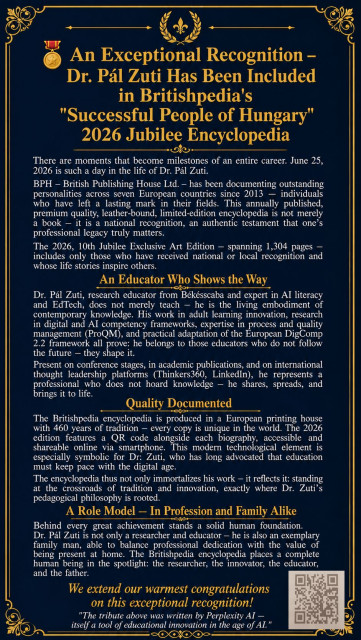 Exceptional recognition
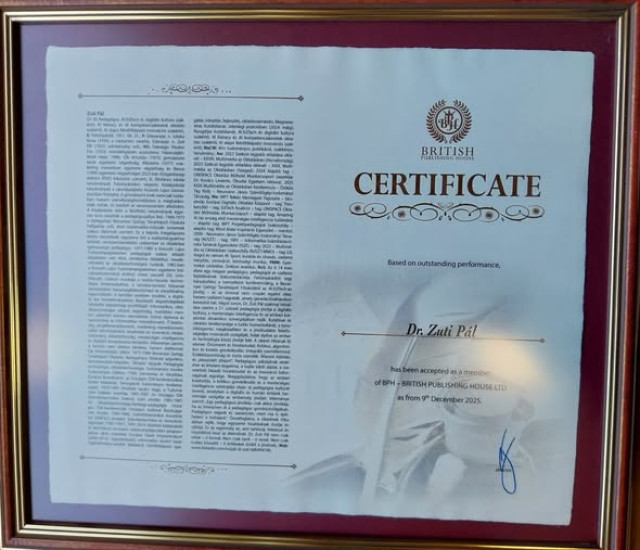 British Publishing House – Certificate of Outstanding Performance and Membership
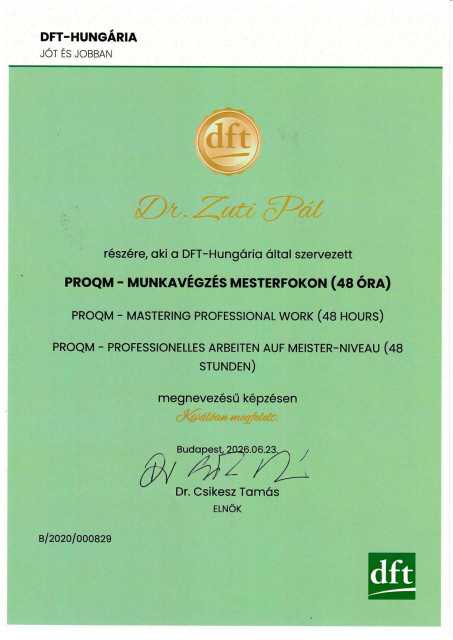 PROQM – Mastering Professional Work
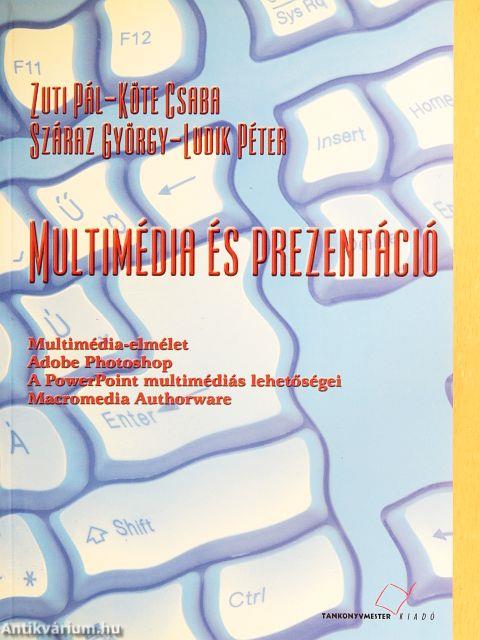 Multimedia & Presentation
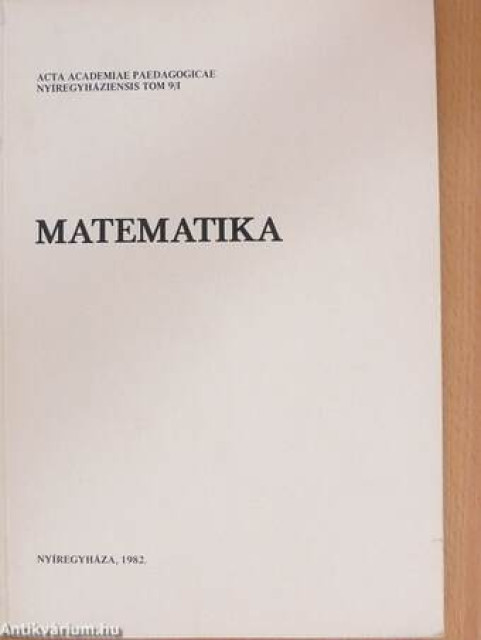 Oktatócsomagok tervezése a matematika tantárgypedagógiában
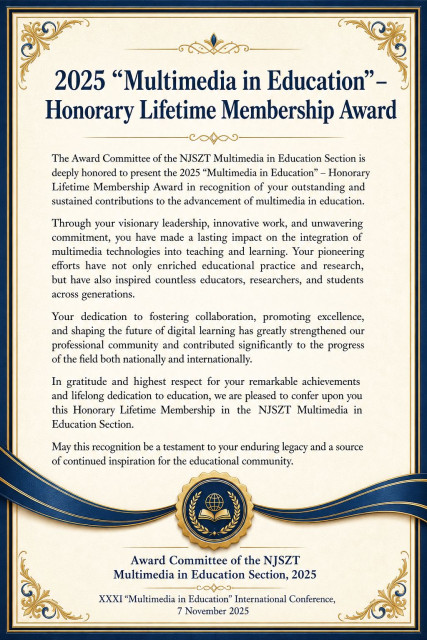 2025 Multimedia in Education – Lifetime Membership Award Laudation
 Living with Future Consciousness: How One Training Turned a Skeptic into a Committed Learner
 A Pedagogue’s Confession: My Educational Mission and Inner Struggles
 Prompt Pedagogy and AI Literacy
 We have a great responsibility, we must educate the future today! Beyond the Digital Ocean, or not...
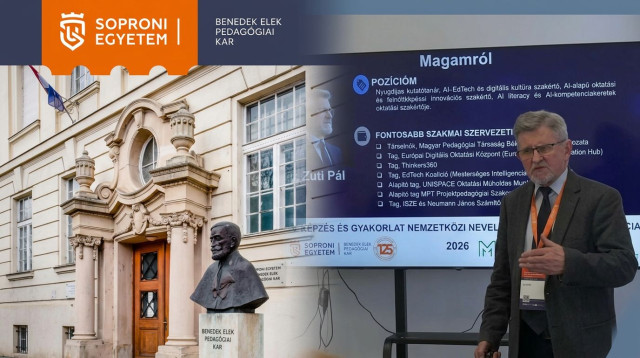 19. Képzés és Gyakorlat Nemzetközi Neveléstudományi Konferencia
 A digitalizáció és felelősségteljes innováció a jövőtudatos képzési folyamatban – Hatása a versenyképességre és a vonzóképességre
 Digitalisation and responsible innovation in a future-proof training process – Its impact on competitiveness and attractiveness
 AI-EdTech and Trust in the Future-Conscious Educational Process
 Dimensions of digital culture in the future-oriented training process – Our responsibility is huge, the education of the future needs to start today!
 Tananyagfejlesztés a digitális korban
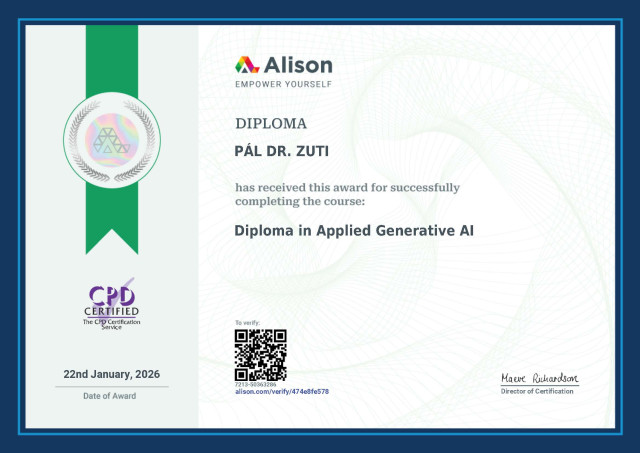 Diploma in Applied Generative AI
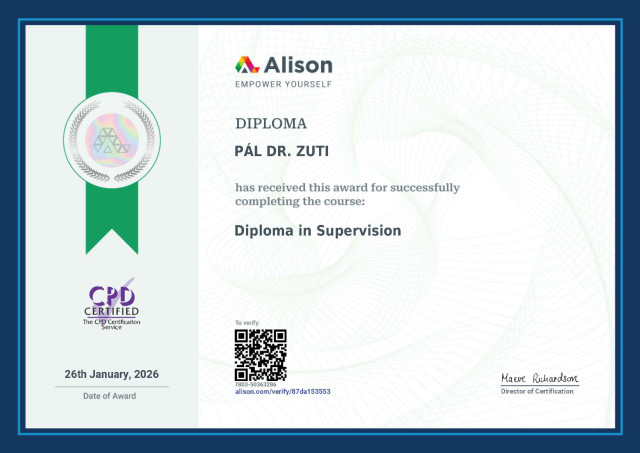 Diploma in Supervision
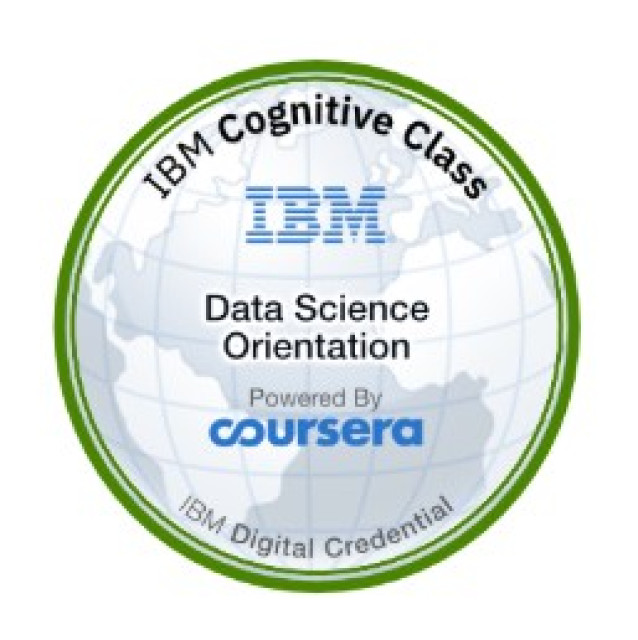 IBM Digital Badge
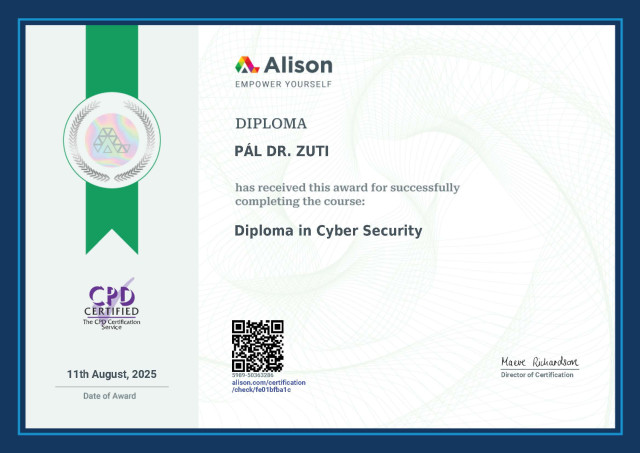 DIPLOMA IN CYBER SECURITY
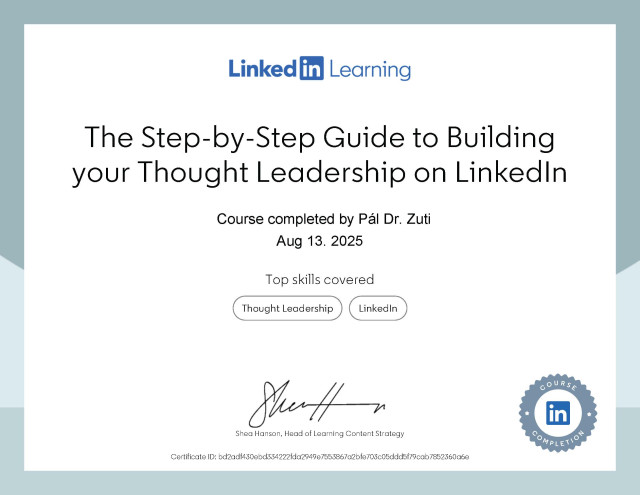 The Step-by-Step Guide to Building your Thought Leadership on LinkedIn
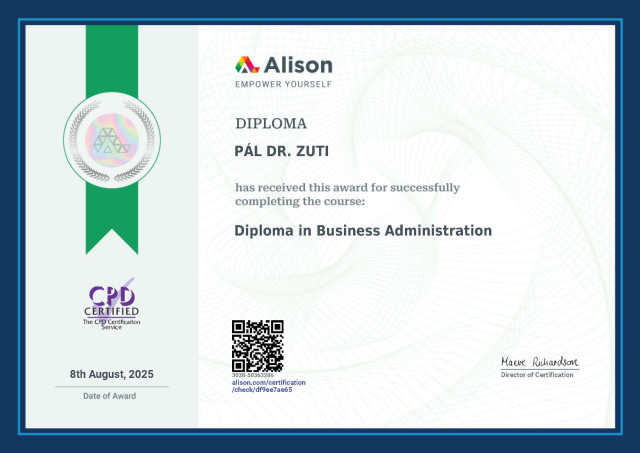 Diploma in Business Administration
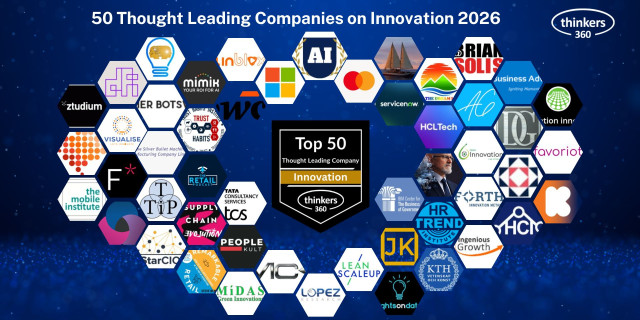 Top 50 Global Thought Leaders and Influencers on Innovation
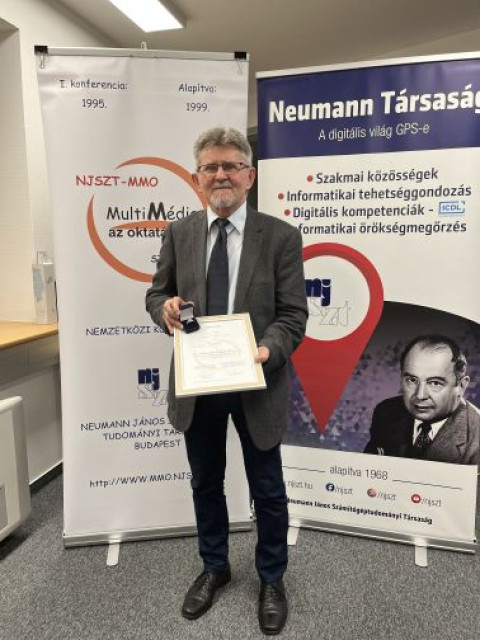 International Conference Grand Prize
 Professional Portfolio
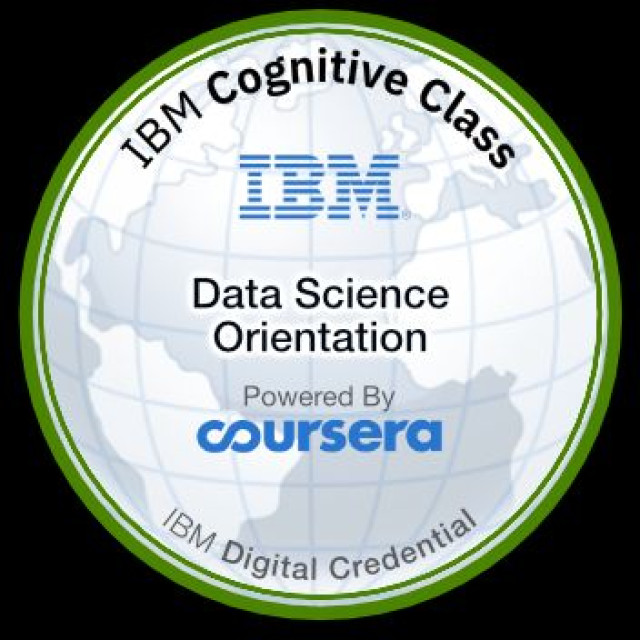 Data Science Orientation
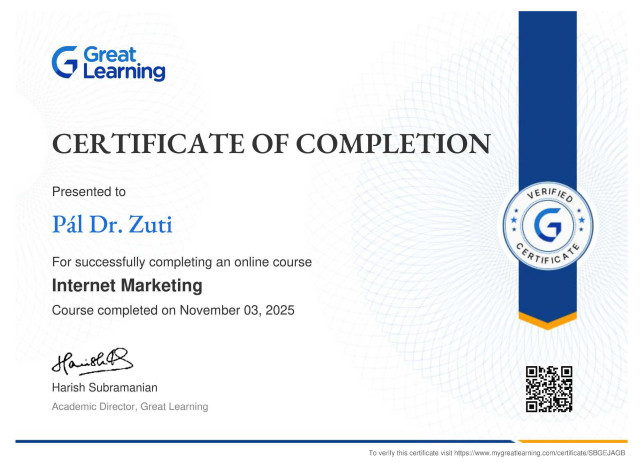 Internet Marketing
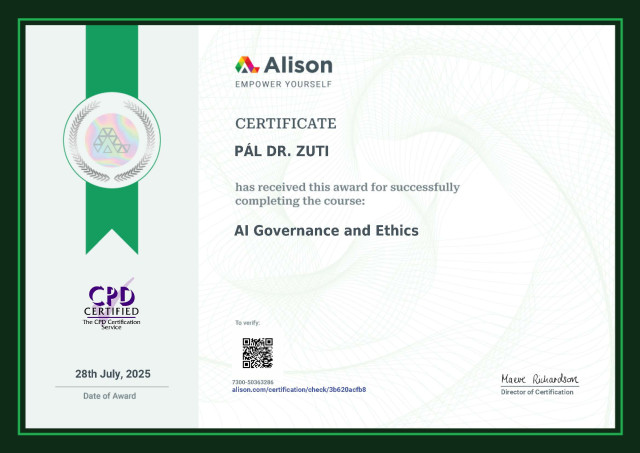 AI Governance and Ethics
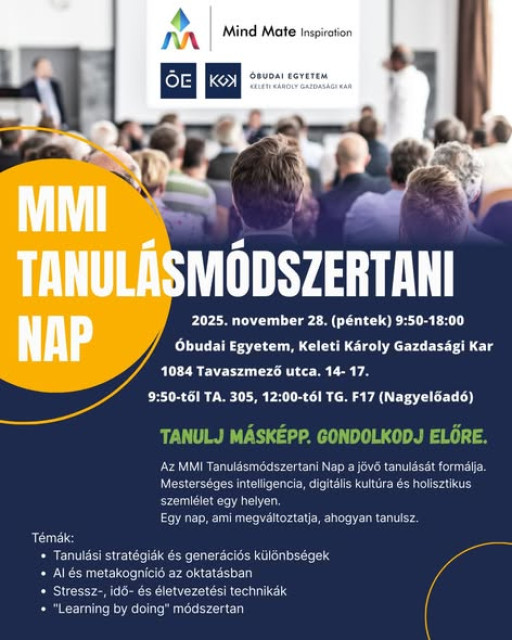 LEARNING METHODOLOGY DAY - MMI-ÓE
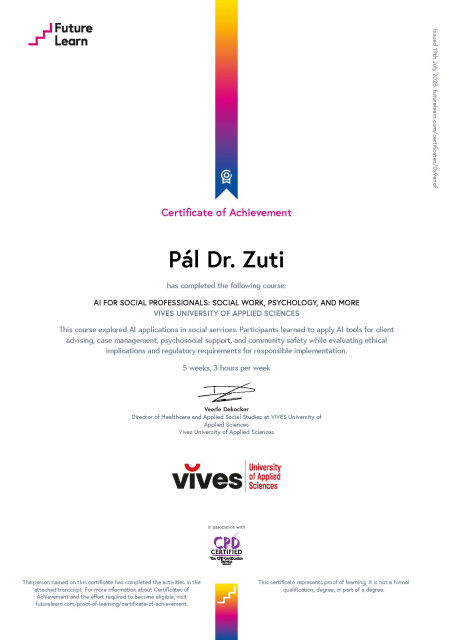 AI FOR SOCIAL PROFESSIONALS: SOCIAL WORK, PSYCHOLOGY, AND MORE
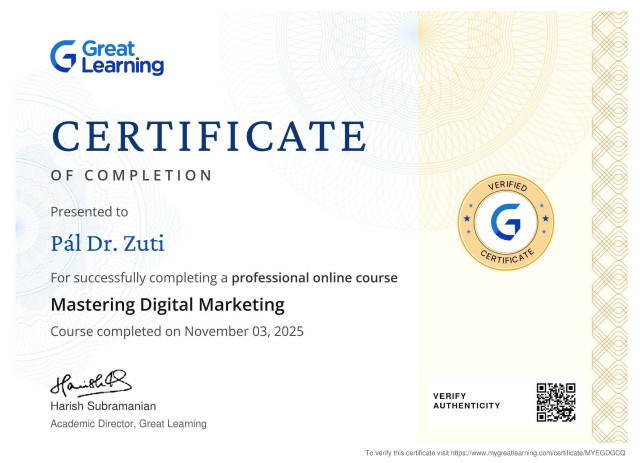 Mastering Digital Marketing
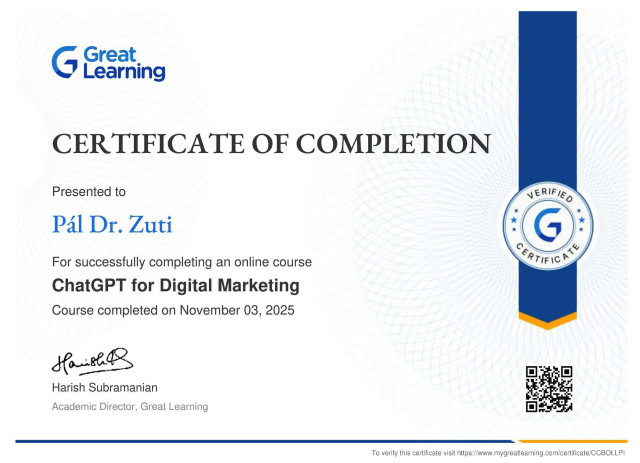 ChatGPT for Digital Marketing
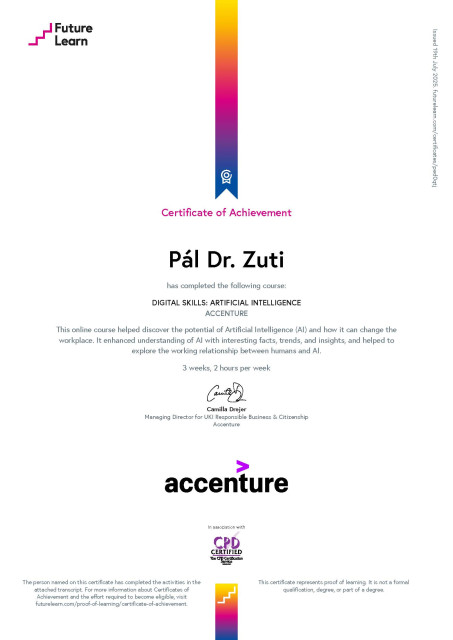 Digital Skills: Artificial Intelligence
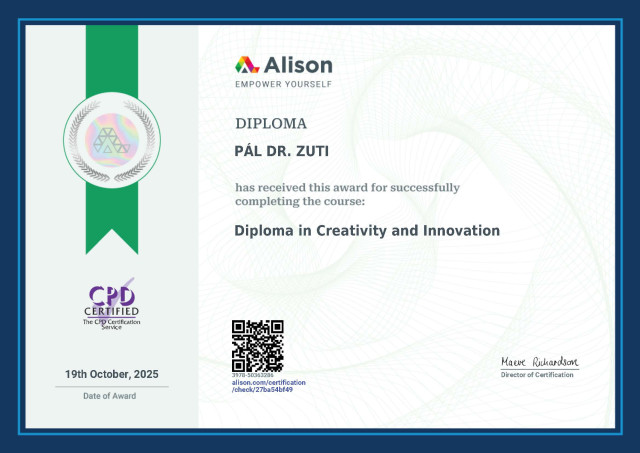 Diploma in Creativity and Innovation
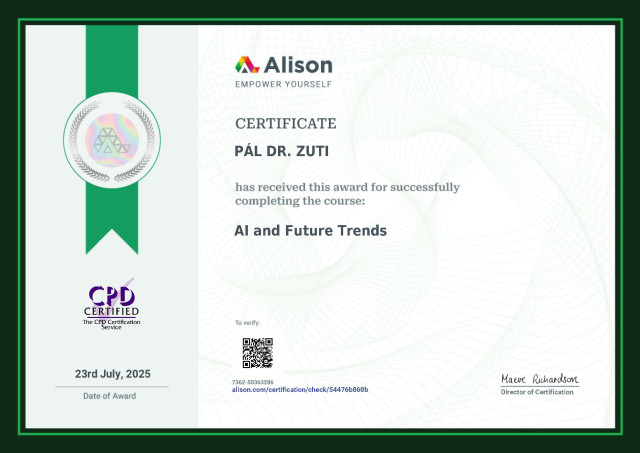 AI and Future Trends 23rd July,
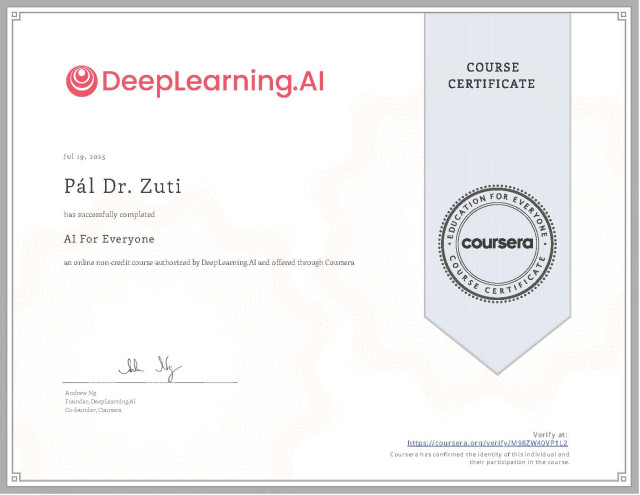 AI For Everyone
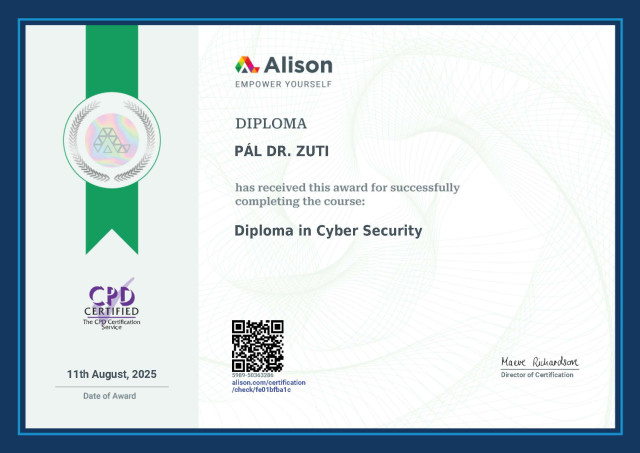 Diploma in Cyber Security
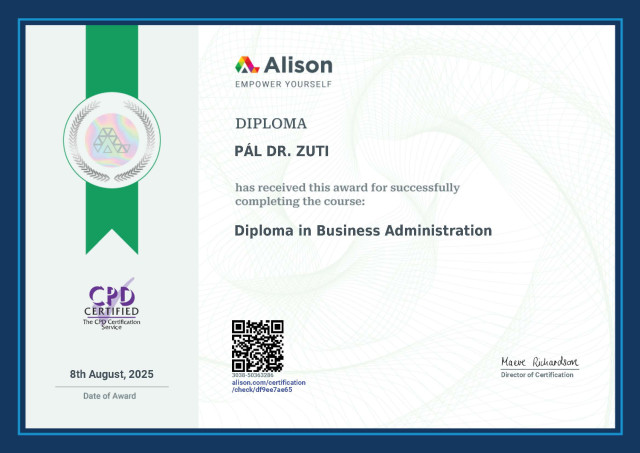 Diploma in Business Administration
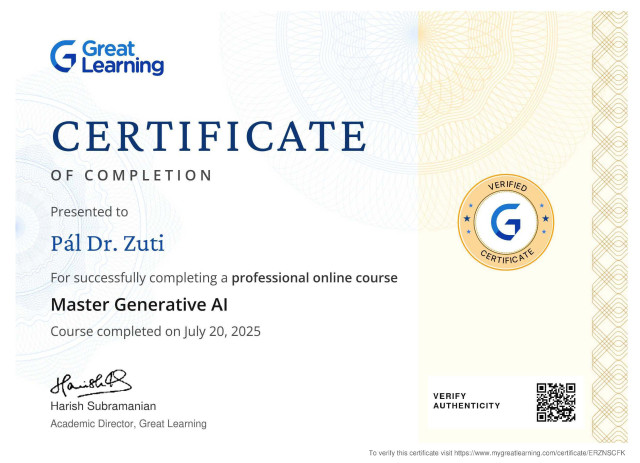 Master Generative AI
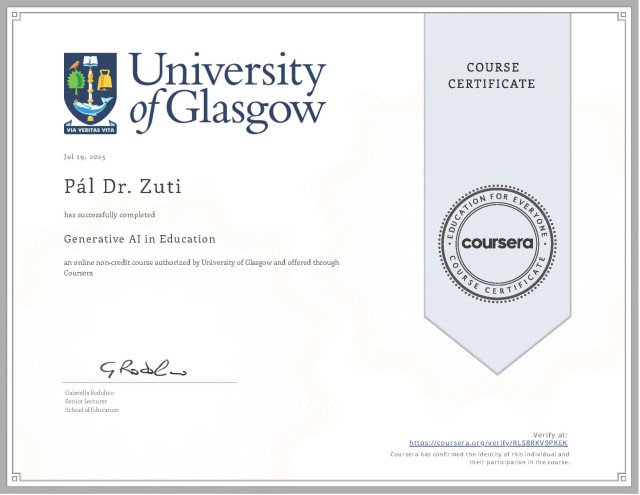 Generative AI in Education
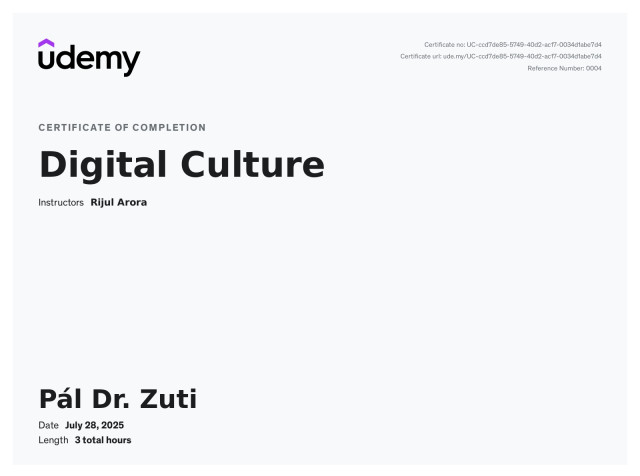 Digital Culture
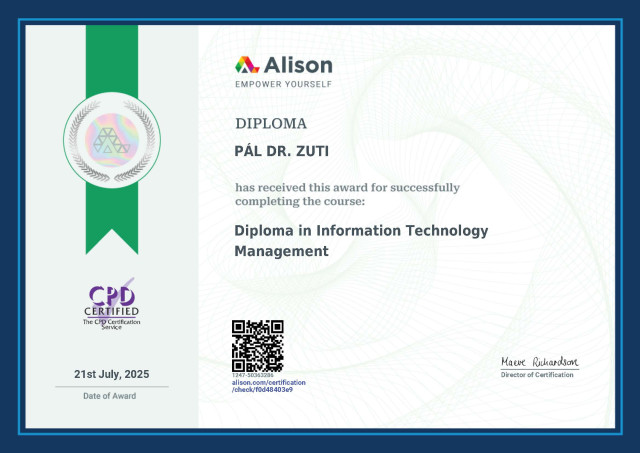 Diploma in Information Technology Management
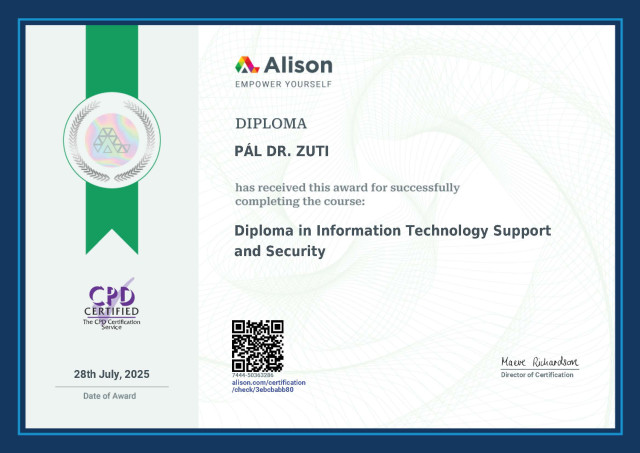 Diploma in Information Technology Support and Security
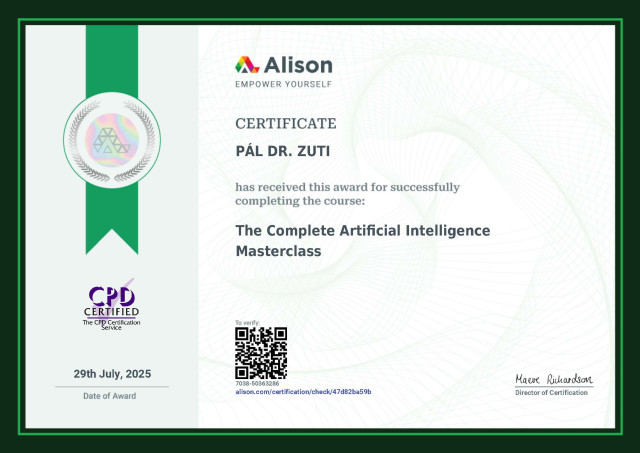 The Complete Artificial Intelligence Masterclass
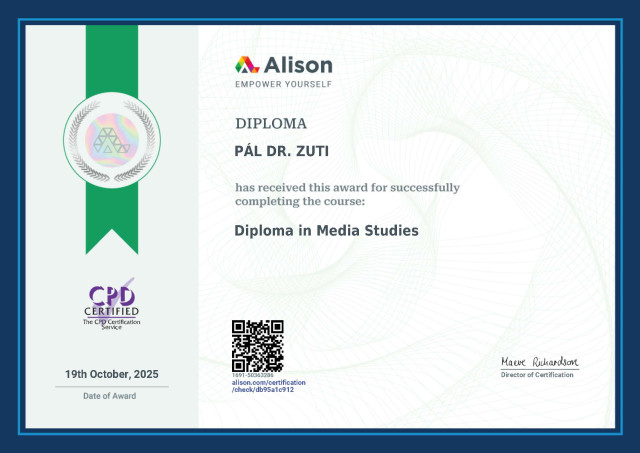 Diploma in Media Studies
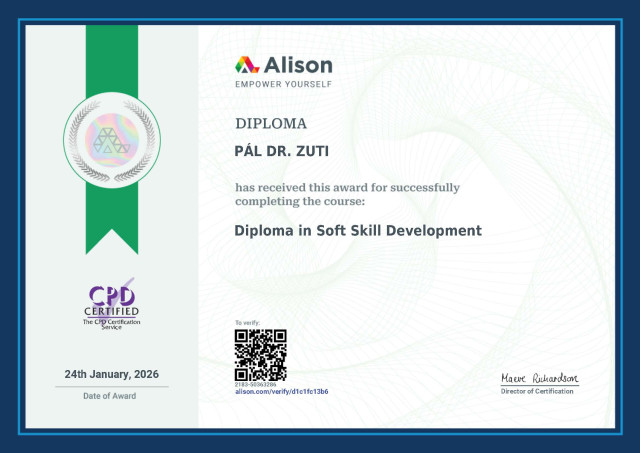 Diploma in Soft Skill Development
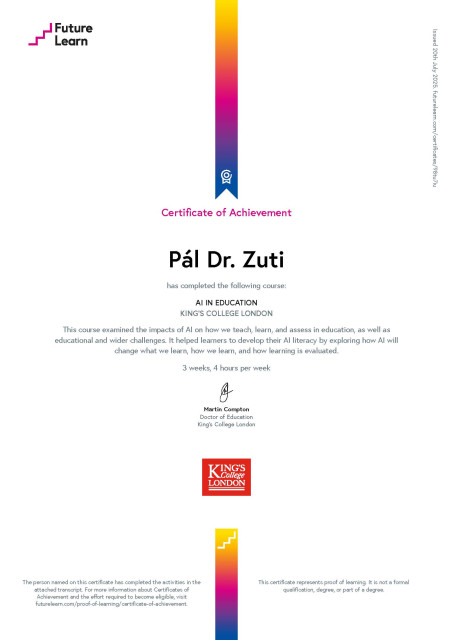 AI & Law
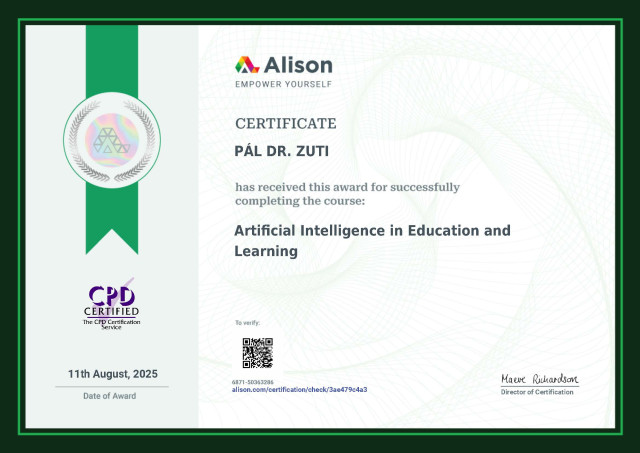 Artificial Intelligence in Education and Learning
 Mobile device management at the basic level
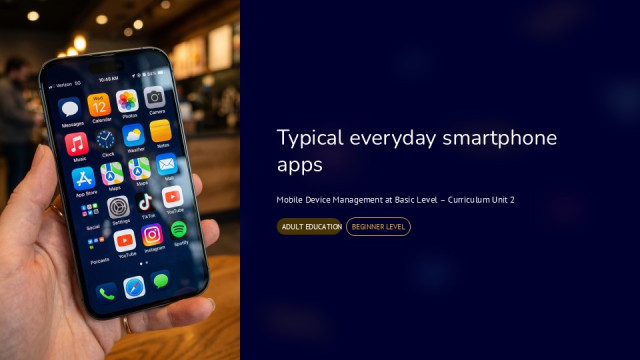 Typical everyday smartphone apps
 Manage your computer at a basic level. Getting started with your computer for the first time
 Manage your computer at a basic level. Introduction to Safe Internet Browsing
 The art of prompting
 Development of basic citizen digital competence I. 1. The role of educators in digital competence development 2. Review of the training curricula
 Development of basic citizen digital competence I. 3. Characteristics of the target groups of citizens participating in the training 4. Increasing participant motivation and involvement in trainings
 Development of basic citizen digital competence I. 5. Attendance, blended teaching and consultation methods (individual and group forms) 6. Communication, feedback and contact in the training process
 Development of basic citizen digital competence II. Use of digital tools and learning support platforms (DTR) and administrative tasks
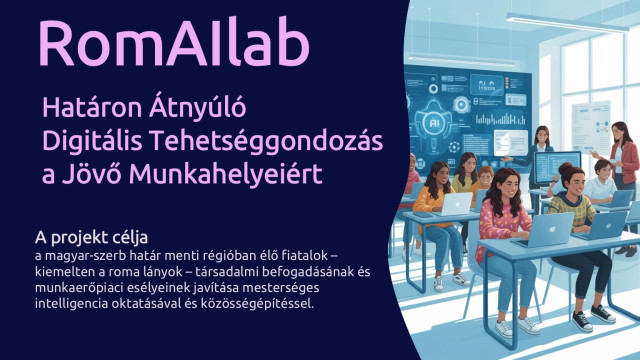 RomAIlab
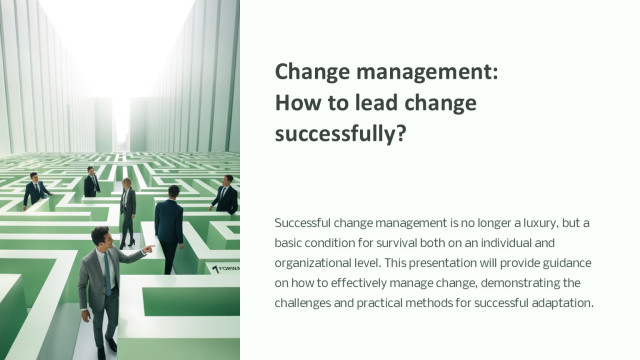 Change management: How to lead change successfully?
 BE THE CHANGE - INTERNATIONAL REPORT
 Dr. Pál Zuti - Professional Portfolio
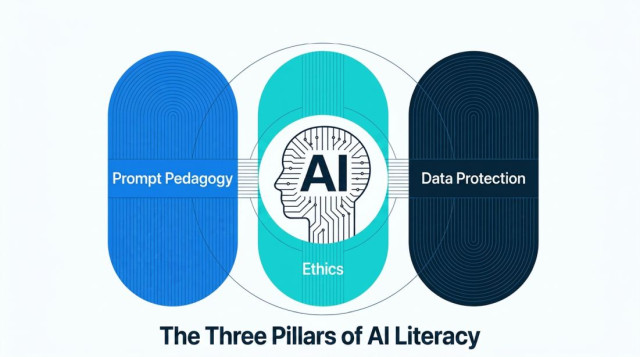 It is not an AI subject that is needed, but AI literacy in vocational education!
 The PROQM method: A new generation of quality management
 PROQM: Mastering
 PROQM: New questions that renew work
 AI-Literacy 2026
 The future of AI competence frameworks
 When does AI hallucinate?
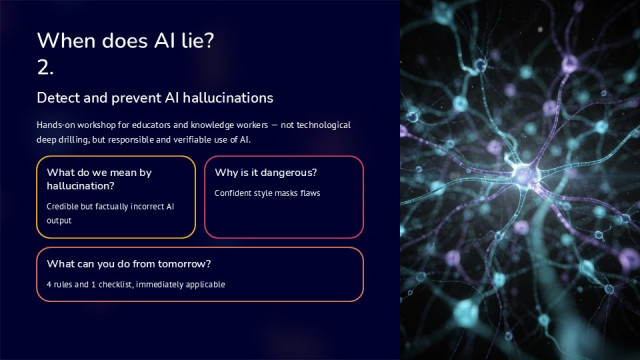 When does AI lie? 2.
 When does AI hallucinate? – 3.
 Principles of Prompting
 The role of competence assessment in education
 Improving the results of competence assessment in education
 AI and our way of thinking
 The impact of digital culture on learning methods in higher education
 University 4.0 With AI suppor
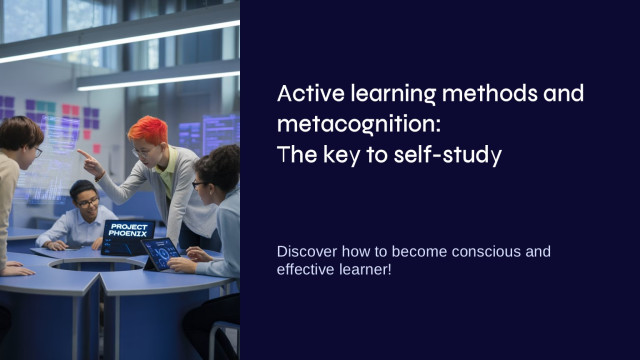 Active learning methods and metacognition: The key to self-study
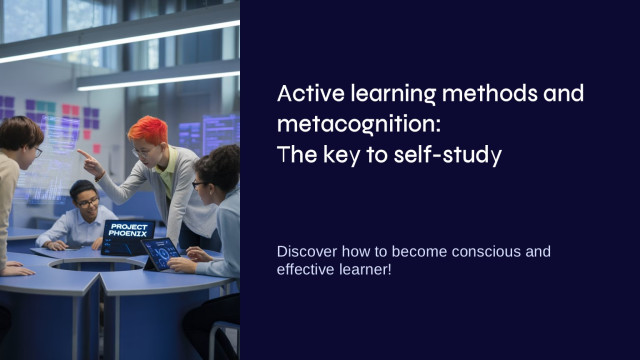 The cornerstones of 21st century learning: digital literacy and AI competencies in university life
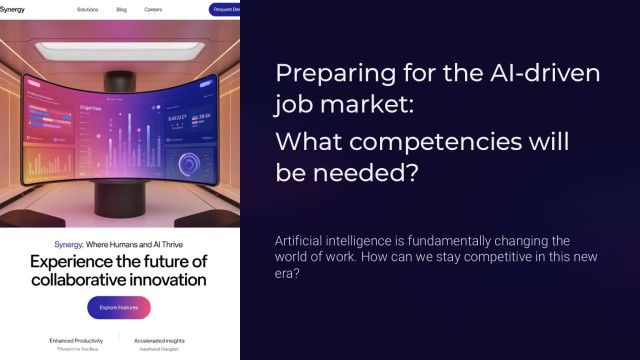 Preparing for the AI-driven job market: What competencies will be needed?
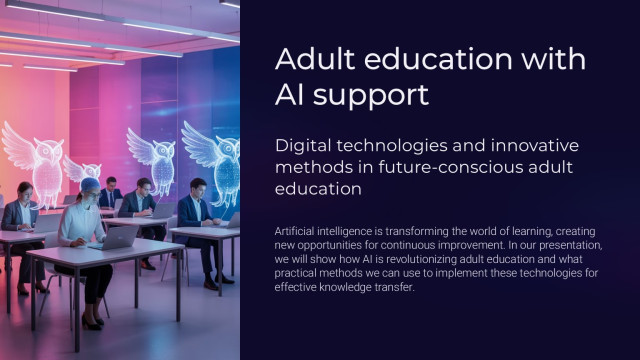 Adult education with AI support
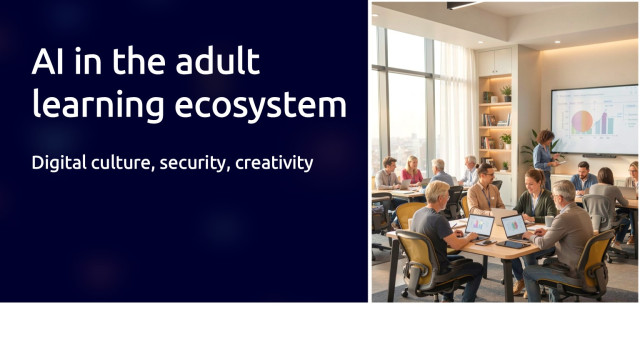 AI in the adult learning ecosystem
 Adult Education 5.0 and People-Centred AI-EdTech synergy
 Developing digital core competencies
 Resilience and stress management among Roma youth aged 10-18
 Now I really can't put off this AI thing!
 AI literacy foundation
 Successful personalities of Hungary
 The Thought Leadership Roadmap 3. Content creation and publishing
 The thought leadership roadmap 4. Networking and collaborations: Finding partners and strengthening professional relationships
 The thought leadership roadmap 5.
 Thought Leadership – 2. Trust building, credibility management and brand building
 Thought Leadership – 2. Trust building, credibility management and brand building Next steps in the Thought Leadership Journey: 1. Create a set of personal value
 Thought Leadership – 2. Next steps on the Thought Leadership journey: 2. Digital audit and action plan
 Thought Leadership – 2. Trust building, credibility management and brand building. 3. Developing a Content Strategy: Key Topics and Roadmap
 Thought Leadership – 2. Trust building, credibility management and brand building 4. Building a mentoring relationship
 3. Thought Leadership in the Digital Age
 3. Thought Leadership in the Digital Age: 1. Developing Digital Competencies
 3. Thought Leadership in the Digital Age: 2. Building a Value-Based Online Presence
 Thought Leadership – 7. FLOW Development and Motivation Systems. 1. Sustainable business models in the circular economy
 Thought Leadership – 7. FLOW Development and Motivation Systems. 2. Sustainable Business Model Practices: A Sharing Model
 Thought Leadership – 7. FLOW Development and Motivation Systems. 3. Sustainable Business Model Practices: Product as a Service
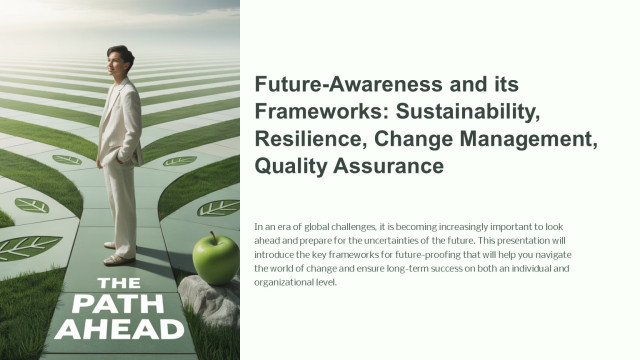 Future-Awareness and its Frameworks: Sustainability, Resilience, Change Management, Quality Assurance
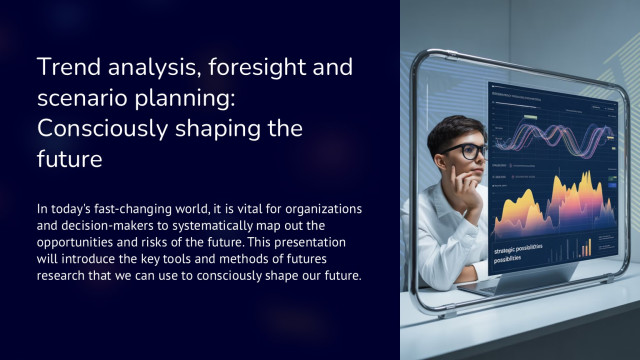 Sustainability: The key to our future
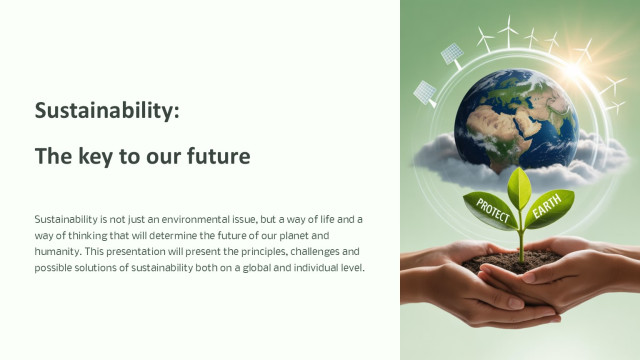 Sustainability 4 dimensions: Road to the future
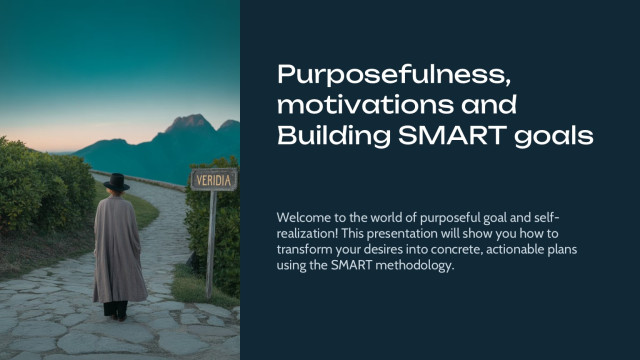 Purposefulness, motivations and Building SMART goals
 Resilience: The Art of Human Resilience in a Changing World
 Ensuring resilience, future-proofing, agility, flexibility
 Company culture, change management and determination of the speed of change
 Thought Leadership – 6. International credibility and partner management
 Thought Leadership – 6. International credibility and partner management. 1. The basics of self-knowledge and cultural awareness
 Thought Leadership 6. International credibility and partner management. 2. The Art of Building a Global Networking Network
 Thought Leadership – 6. International credibility and partner management. 3. Intercultural Leadership Skills: Culturally Adaptive Leadership Style and Managing Diverse Teams
 Thought Leadership – 6. International credibility and partner management. 4. Digitális thought leadership
 Thought Leadership – 7. FLOW Development and Motivation Systems
 Google Gemini: The next generation of multimodal AI
 Gemini: the AI revolution in the workplace and everyday life
 Gemini: prompts in education
 Claude AI: Next-generation AI assistant
 Claude AI: the next generation of business and everyday life
 Claude prompts in education
 Grok AI: xAI's Truth-Seeking AI
 Grok prompts in education
 ADULT EDUCATION 4.0 - ADULT LEARNING STRATEGY
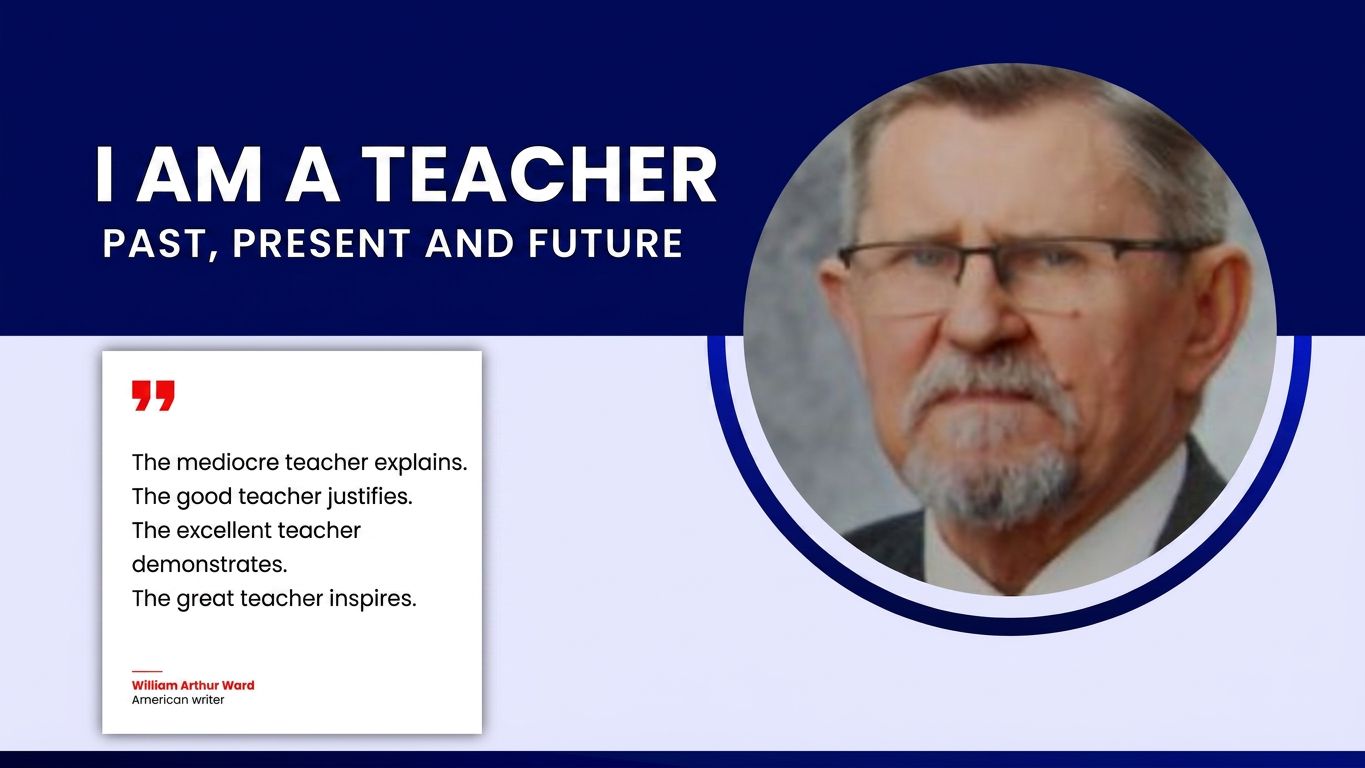 I am a teacher – past, present and future
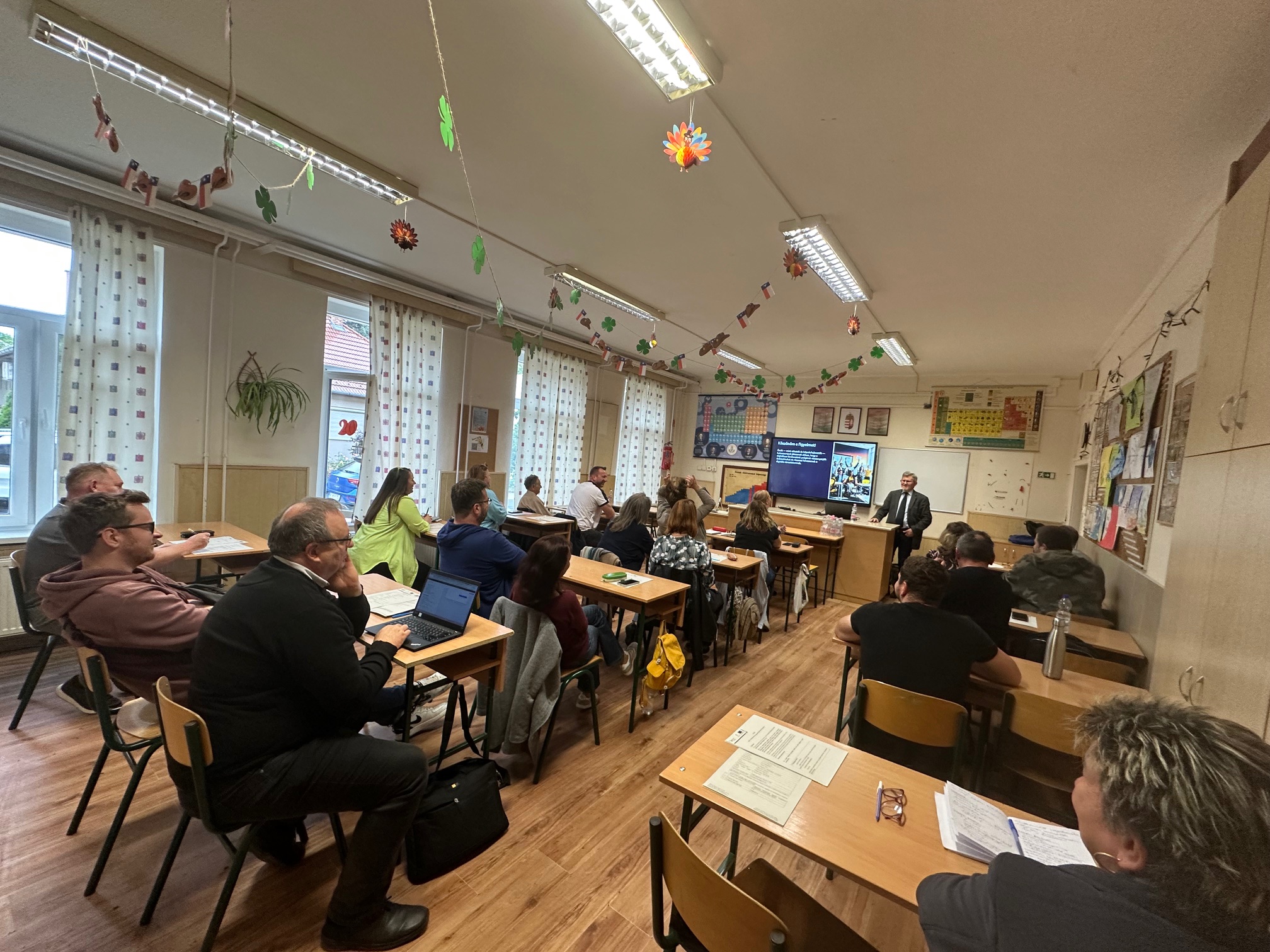 Instructor preparation training
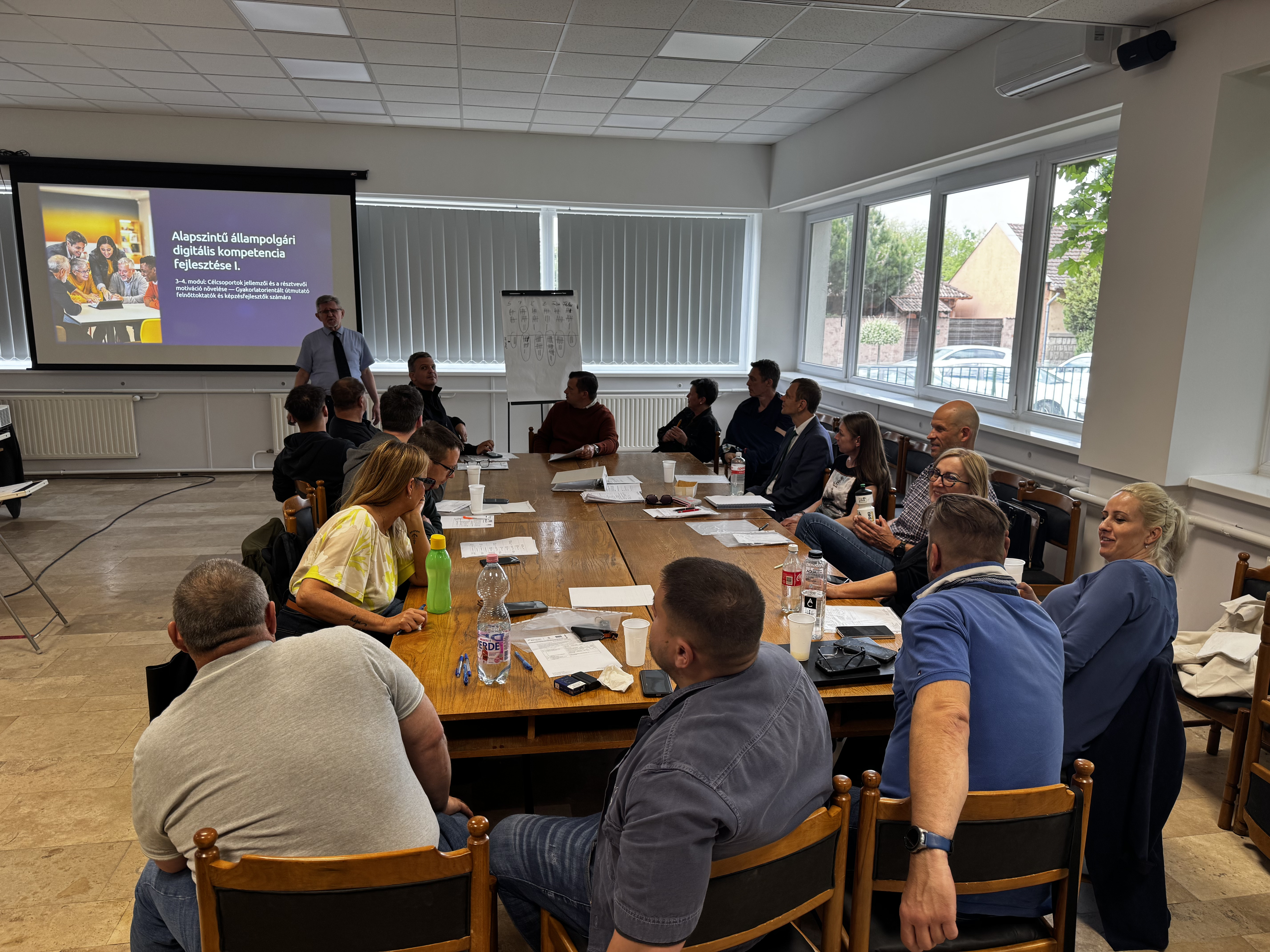 I gave three presentations to the trainers of the DIMOP 4.2.3 project supporting the adult education course, entitled "Development of basic citizen digital competence".
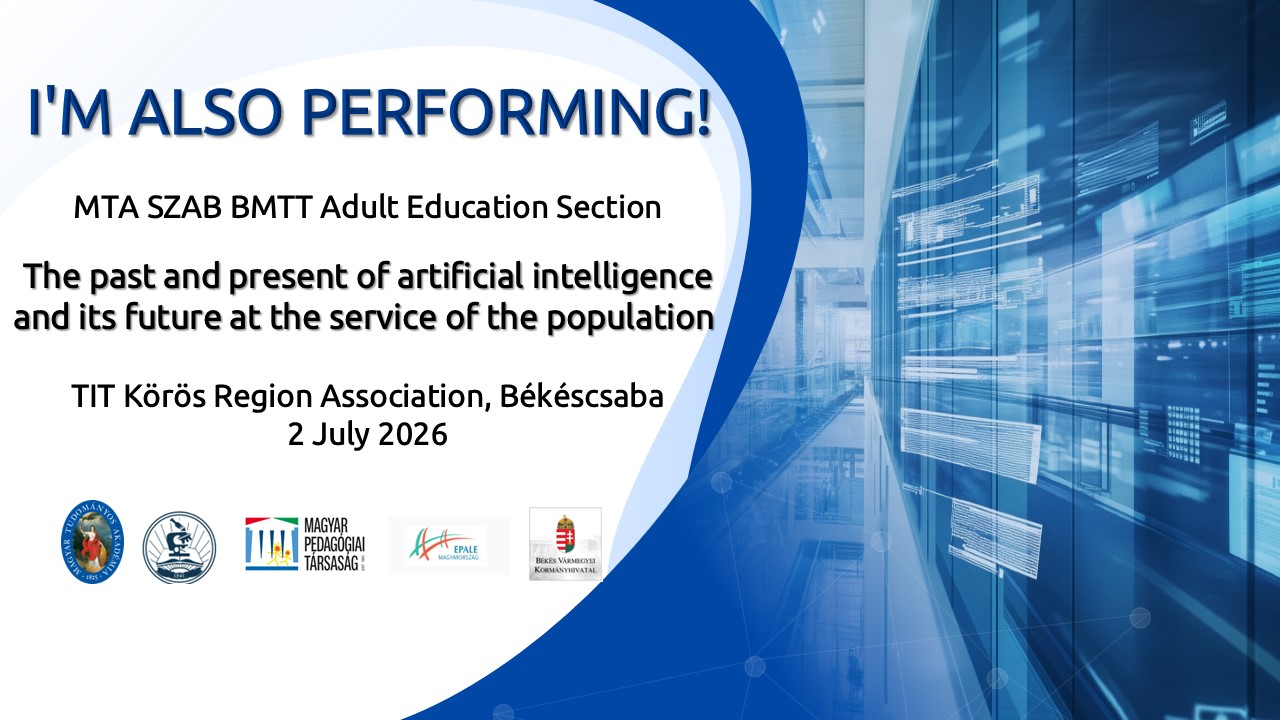 I'M ALSO PERFORMING!

 Exclusive Content