Jun06

ADULT EDUCATION 4.0
Adult Training 4.0 - Adult Learning Strategy
Adult Training 4.0
My thoughts are aligned with the needs and needs of the present, but with a view to the future, to the needs and needs of the social individual! In addition to providing the most important elements and characteristics of the adult education strategy and philosophy of the trainers, I would like to point out the strategic role of the adult education system and its importance, which can clearly determine the requirements, expectations, target group, training structure and training methodology of the adult education activity of the trainer. Furthermore, the adult education strategy must declare an adult education system that can effectively address and encourage the target group to learn and train and provides a more differentiated and interesting offer compared to the competition.
Adult Learning Strategy
According to the approach and philosophy of the renewed adult education system, the aim of the adult education activity is to develop a high-quality and effective adult education activity in the field of knowledge management and knowledge transfer, which scientifically integrates the existing innovations in its activities, launches new topics and collaborations using their synergies, and develops the development of the its own professional staff of its adult education activities, with the continuous help of the adult education workshops providing the background. In order for the trainer to be able to carry out stable and well-founded adult education activities, it is essential to have planning supported by knowledge management. Knowledge management has now become a comprehensive, economic, sociological, psychological, legal and technical "superdiscipline", as an interdisciplinary approach and the daily cooperation of different professionals are essential for a more serious development. However, in order to be able to produce research plans of appropriate quality and implement innovative developments, it is essential to be aware of our opportunities and limitations. The exploration of the limitations can be ensured by focused exploration of the situation, and the understanding of the opportunities can be ensured by market analyses. As a result, our goal is to achieve a the development of a uniform procedure and a protocolized process management system, and the definition of a long-term strategic direction for adult education based on all these, which in the future will also include a clear framework for communication with professional, economic and financial actors.
The expected results of the adult education strategy implementing the above aspects are closely related to the organizational development objectives of adult education and the spread of "best practices" (adult education methods). This will also improve the integrated implementation of talent management, which is essential for maintaining and developing competitiveness. The training portfolio is present in the Integrated Training System as an in-person training course and in the online space in high quality, offering both future-proof and current topics that can be used well in practice for the participants. The training programs of the Integrated Training System are available in in-person, online and e-learning formats.
INTEGRATED TRAINING SYSTEM
The expected results of the adult education strategy implementing the above aspects are closely related to the organizational development objectives of adult education and the spread of "best practices" (adult education methods). This will also improve the integrated implementation of talent management, which is essential for maintaining and developing competitiveness. The training portfolio is present in the Integrated Training System as an in-person training course and in the online space in high quality, offering both future-proof and current topics that can be used well in practice for the participants. The training programs of the Integrated Training System are available in in-person, online and e-learning formats.
Face-to-face training provides a practical transfer of professional knowledge (interactive presentations, strategic thinking, presentation of good practices). Training programs should be implemented in an interactive, confidential atmosphere with maximum discretion, which provide an excellent opportunity for participants to learn from each other, exchange experiences and build relationships. The uniquely developed e-learning training programs in the Integrated Training System help the participants' aspirations regardless of space and time, e.g. with video animations, practical tasks, case descriptions, and support the preparation for face-to-face trainings. As one of the fast, practical and effective means of information transfer and knowledge transfer, in accordance with the intentional characteristics of the training programs, a part of it should be made available online, in webinar or video form, with the aim of providing a professional and skill-developing knowledge base independent of time and space in a flexible, interactive form. In this case, interactivity must be provided during the presentation, and after the presentation, contact classes and individual contact with the trainer must be provided. Shorter lectures and information-sharing webinars organized in online form can be presented with topics and regularities that are appropriate to the current social, economic, market, business and professional environment.
Adult education services should be continuously developed in accordance with social and individual needs, market trends and feedback from participants. This will also increase the recognition of activities focusing on the utilization of intellectual property, which is essential for the preservation of high-quality human resources as well as for the transfer of expected results to economic and financial activities.
Requirements and Requirements
The 21st century is the century of digitalization and the possession of competence and competent knowledge.
The possession of competent knowledge in adult education means that training in adulthood, primarily through formal, non-formal and informal training, covers in the broadest sense the spaces that ensure meaningful and continuous knowledge acquisition for adults (e.g. professional and digital competence development, general competence development, responsible innovation and sustainable development, Community forms of training that strengthen social cohesion, etc.).
Accordingly, an adult education strategy must be developed, as a result of which the relationship between the trainer and its partners will increase, as a result of which adult education will be able to access up-to-date and informative data on social and individual needs and needs, thanks to which it will be able to respond to the expectations of the sector much more prepared and efficiently.
Further expected effects include feedback on the adult education system, i.e. the interpretation of the expectations of professional, economic and financial actors. In addition, the sharing of "best practices" (adult education methods) related to the strategy document to be developed can be considered as an additional benefit (added value).
The adult education strategy of the training provider must provide guidance and assistance for adult education activities and digital development in accordance with the requirements of Industry 4.0 in accordance with the dimensions of responsible innovation. The adult education strategy of the trainer must offer a market product, so efficiency and competitiveness always come to the fore. Its most important characteristics are quality; reliability; adaptivity; participant-centeredness.
The expected results of the adult education strategy implementing the above aspects are closely related to the organizational development objectives of adult education and the spread of "best practices" (adult education methods). This will also improve the integrated implementation of talent management, which is essential for maintaining and developing competitiveness. Furthermore, the recognition of activities focusing on the utilization of intellectual property can also be increased, which is essential for the preservation of high-quality human resources as well as for the transfer of the expected results to economic and financial activities.
IN CONCLUSION
Finally, positive steps can be taken to improve the environment for responsible innovative adult education activities, which include the development of an attractive operating model and an attractive spin-off environment. On the one hand, this will create a responsible innovative adult education model that incorporates the capacities, innovative development ideas and strategic guidelines of the trainer related to its adult education activities, as well as feedback. On the other hand, an adult education methodology is also developed, which, if applied and always optimized, can be used to carry out continuous quality adult education activities.
This is Adult Education 4.0.
By Pál Dr. Zuti
Keywords: EdTech, Education, Innovation
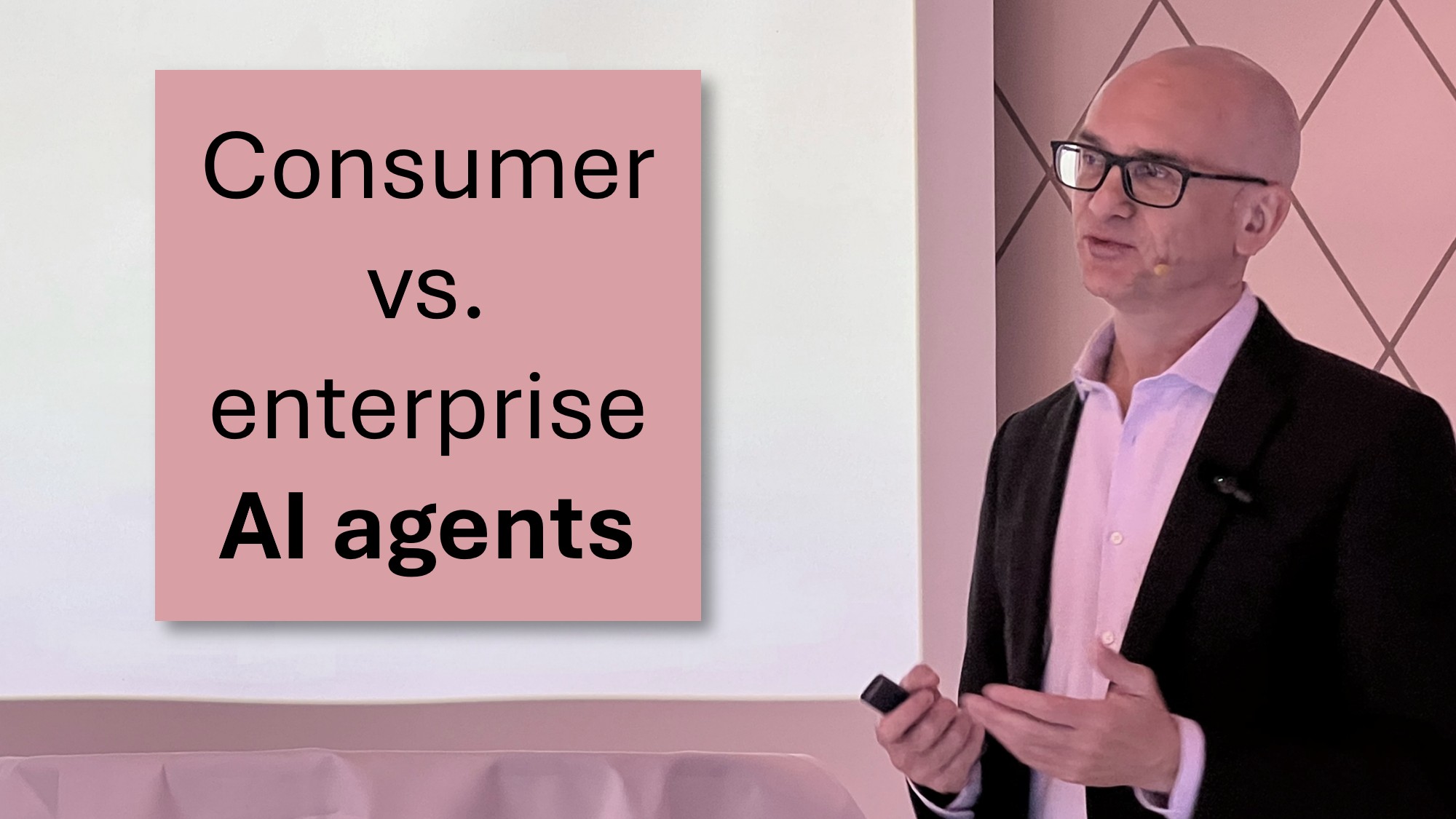 Consumer vs. enterprise AI agents
 Best Supply Chain AI Tools in 2026: SCM SENSEI AI and Ask Lora Compared
 Making Silos Permeable
 The Corix Partners Friday Reading List - October 2, 2026
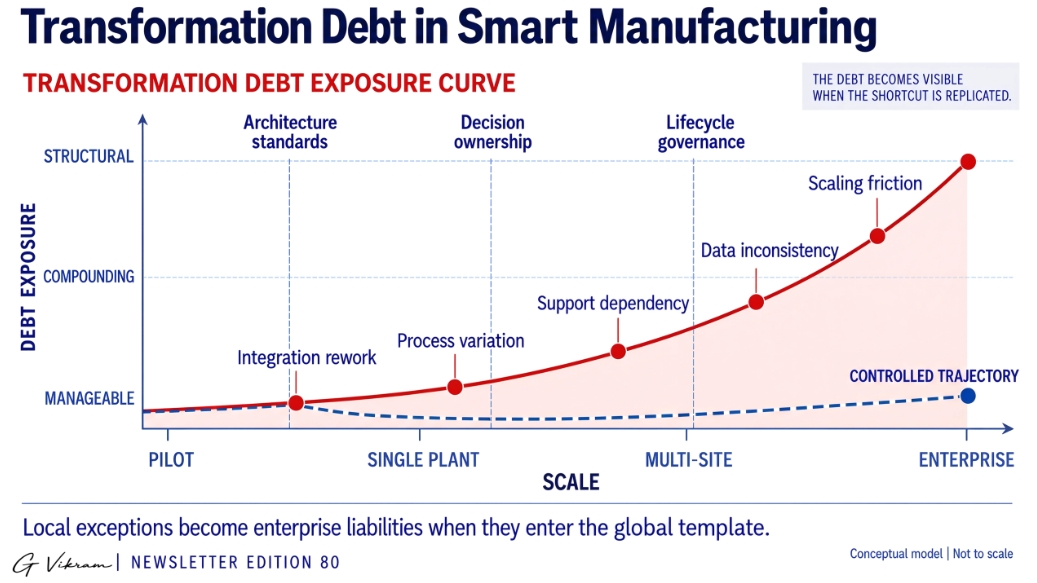 The most dangerous debt in a smart factory isn’t financial.