

Thinkers360
Interested in getting your own thought leader profile? Get Started Today.

Ryszard Skarbek

CEO at Empowerment Coaching Krakow

Krakow, Poland

30+ years of professional record. HR and IT are married together.
Global Head-level corporate experience. A strong foundation of Project Management. Full-spectrum of HR expertise (entire employee life cycle), including HR Analytics, and flavored with many years of hands-on experience in the Shared Service Center.

Founder and co-owner of www.empowerment-coaching.com, grounded in the following motto:
"Work for a Cause, not for applause. Live Life to express, not to impress"

Certified and appreciated by work colleagues, Coach for both individual and team coaching (GROW and Action Learning methods). MBTI profiler.

Project management practitioner in both Waterfall and Agile methods. Certified in the Design Thinking method by the University of Virginia Darden School of Business. Head of Programme Management Office for the transformation of the global service organization.

Available For: Advising, Authoring, Consulting
Travels From: online
Speaking Topics: coaching, mentoring, HR, organizational culture, employee engagement, internal communication

Ryszard Skarbek Points
Academic 0
Author 47
Influencer 4
Speaker 0
Entrepreneur 53
Total 104

Points based upon Thinkers360 patent-pending algorithm.

Thought Leader Profile

Portfolio Mix

Company Information

Company Type: Service Provider
Business Unit: HR, Coaching, Mentoring
Theatre: Europe
Minimum Project Size: N/A
Average Hourly Rate: $100-$149
Number of Employees: 1-10
Company Founded Date: 2020

Areas of Expertise

Agentic AI 30.03
AGI 30.63
Agile 30.33
AI 30.04
AI Governance 30.06
Analytics
Behavioral Science 34.73
Business Strategy 30.06
Careers 30.15
Change Management 30.09
Coaching 33.52
Creativity 31.64
Culture 30.13
Design Thinking 30.39
Digital Transformation
Diversity and Inclusion 30.21
Entrepreneurship
Future of Work 30.02
Generative AI 30.03
Health and Safety 30.25
Health and Wellness 30.32
HR 30.08
Innovation 30.06
IT Leadership
Leadership 31.01
Management 31.73
Mental Health 30.90
Project Management 30.34
Social 30.11
Sustainability 30.07
Transformation

Industry Experience

Consumer Products
High Tech & Electronics
Manufacturing
Professional Services

Publications & Experience

44 Article/Blogs
Are you a warrior?
Ryszard Skarbek
September 27, 2026
A warrior sounds proud. A warrior, like Hercules, is highly trained, well-shaped, and fearless. He's been through a lot already. He has overcome many obstacles. He can handle anything. He is often accompanied by fame and admiration. And it is very difficult to give it up.

See publication

Tags: Coaching, Health and Wellness, Leadership

The meaning of a pyrrhic victory - King Pyrrhus and his unhealthy aspirations
Ryszard Skarbek
September 13, 2026
You probably know the term "Pyrrhic Victory". It is a phrase that means "a victory achieved at an excessive cost". It is an apparent victory because the losses outweigh the gains. Historically, it refers to a victory achieved under difficult conditions in a war fought in a foreign territory. It basically means winning the battle but losing the war.

Pyrrhus was the king of Epirus, a land in northwestern Greece on the Ionian Sea. He lived in the 3rd century BC and reigned from 307 to 302 BC and from 297 BC until his unusual death in 272 BC. This opponent of Rome, a ruler with powerful ambitions, was considered a military genius.

He was one of the greatest military tacticians of his era, and the famous Hannibal, general of Carthage, considered him one of the three best commanders of all time. But as usual, he also had a wise advisor, Kineas.

See publication

Tags: Careers, Coaching, Leadership

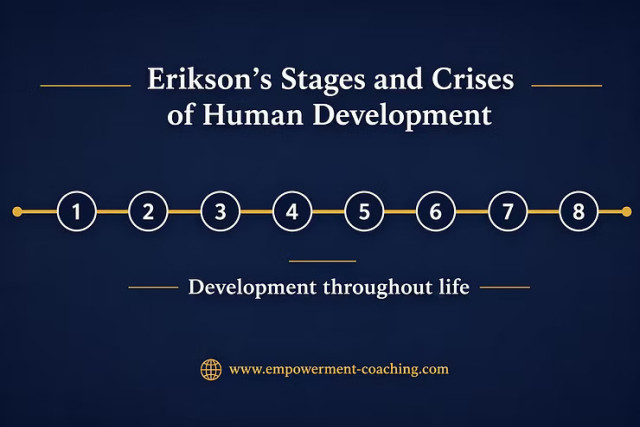
Theory of Psychosocial Development: Erikson's Crises and Stages
Ryszard Skarbek
September 06, 2026
Erik Erikson's theory of psychosocial development is one of the most well-known and respected concepts in psychology. It assumes that every person goes through successive stages of development, and in each experiences a specific developmental crisis, the resolution of which influences the rest of their life.

This article will help you understand what this theory is, what developmental phases it distinguishes, what crises are associated with each phase, and how they influence human identity.

See publication

Tags: Behavioral Science, Coaching, Mental Health
Cognitive distortions and their impact on decisions
Ryszard Skarbek
August 31, 2026
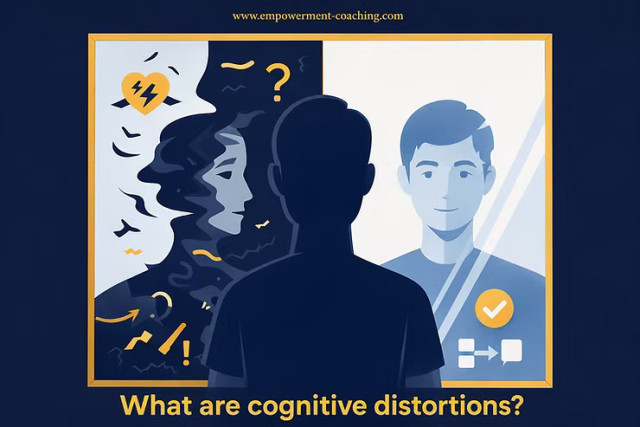
Cognitive distortions are a key topic in cognitive behavioral therapy because they explain why different people react so differently in similar situations. What we feel and how we behave is not based solely on the facts but on how we interpret them.

In this article, you'll learn what these distortions are, what types they come in, how they reinforce negative thoughts, and how to address them through cognitive and behavioral therapy. This text is a practical guide for those interested in personal development, psychology, and effective therapy.

See publication

Tags: Behavioral Science, Coaching, Mental Health
What is cognitive dissonance: definition and influence on our decisions
Ryszard Skarbek
August 23, 2026
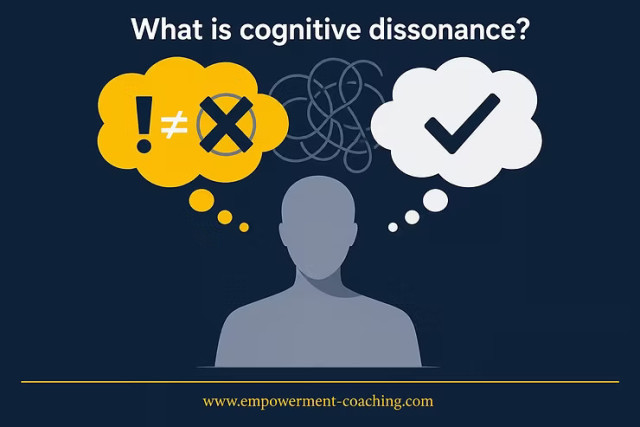
Cognitive dissonance is a key concept in modern psychology that helps us understand why people can think one thing, say another, and do a third. If you've ever justified a decision that clearly conflicted with your values, felt internal discomfort after making a choice, or rationalized behavior that didn't align with you, you've likely experienced this state.


In this article, we will explain what dissonance is, show examples and mechanisms of unconscious reduction, and demonstrate how this psychological phenomenon is sometimes used in manipulation and social communication.

We will also describe how coaching helps identify and remove internal dissonance.

See publication

Tags: Behavioral Science, Coaching, Leadership
Socrates' Three Sieves: How to Sift Every Message Before We Deliver It?
Ryszard Skarbek
August 16, 2026
In a world filled with rumors, fake news, and sensationalism, it's increasingly difficult to separate truth from the manipulated, incomplete, or downright toxic message. That's why it's worth returning to the ancient wisdom left to us by the Greek philosopher Socrates.

He created a timeless method known as the Socratic Sieve. It's a simple yet incredibly effective set of filters that allow us to sift through any message before we discuss it further. In this article, we'll explain what this method is, where it came from, and how you can use it effectively in today's age of disinformation.

This guide will help you think before you speak or share. It will show you how to effectively filter out falsehoods, avoid emotional statements, and even prevent reactions that you may later regret.

See publication

Tags: Behavioral Science, Coaching, Social
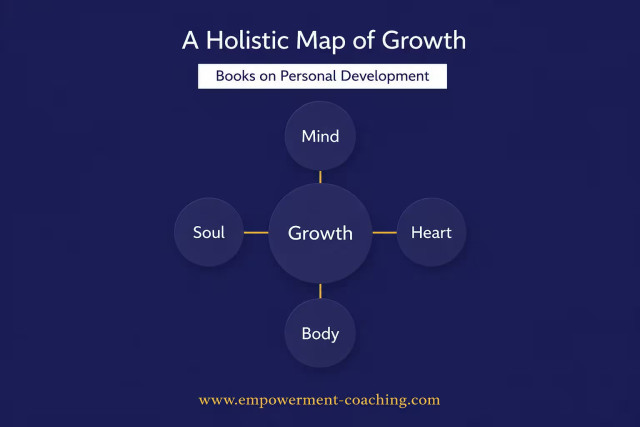
The 50 best personal development books
Ryszard Skarbek
August 09, 2026
Personal development books help develop self-awareness, improve thinking and decision-making, and build effectiveness in life and business. The most valuable books not only inspire but also provide practical models for personal development and leadership.

The 50 best personal development books offer not only inspiration but also real tools for transforming thinking, decisions, and actions. This guide features a selection of books on body, mind, heart, spirit, and coaching.

This article will help you discover books that truly change the way you think - not just provide knowledge.

See publication

Tags: Behavioral Science, Coaching, Leadership

Artificial Intelligence Trivia: AI and Its Impact on the Future
Ryszard Skarbek
August 01, 2026
Artificial intelligence technology is no longer just a futuristic concept — it has become an integral part of our daily lives. AI is transforming the way we function, work, and communicate.

In this article, we'll present artificial intelligence trivia worth knowing, impressive numbers, dancing robots, and key AI applications, from medicine to dating.

See publication

Tags: Agentic AI, AGI, AI

A brief history of artificial intelligence
Ryszard Skarbek
July 26, 2026
The field of artificial intelligence (AI) has fascinated scientists, computer scientists, and digital technology enthusiasts for decades. Its emergence and evolution are a tale of technological breakthroughs, surprising discoveries, and moments of stagnation.

In this article, we'll examine the development of AI, from its origins to its contemporary applications, highlighting the key events, people, and technologies that have shaped the field.

See publication

Tags: AGI, AI, Generative AI

Did coaching come before Christ?
Ryszard Skarbek
July 19, 2026
The early origins of coaching date back to ancient Greece and the methods employed by philosophers. Although they did not use the word "coaching," their assumptions and goals were consistent with the current creative process in which the coach, through questioning, guides the client toward achieving their goals.

Contemporary coaching began in the early 20th century and is undoubtedly interdisciplinary in its nature. Therefore, the literature is divided on who should be considered the pioneer.

This article explains the influence of both ancient philosophy and 20th-century trends in sports psychology, management, consulting, and counseling on coaching.

See publication

Tags: Behavioral Science, Coaching, Leadership

Fritz Perls: life, Gestalt therapy, quotes. What was unique about his approach?
Ryszard Skarbek
July 12, 2026
Fritz Perls, actually Friedrich Salomon Perls (July 8, 1893 - March 14, 1970), a German-born psychiatrist and Gestalt therapist of Jewish origin, is, without a doubt, one of the greatest psychotherapists in history.

His legacy as a pioneer of psychotherapy and his contributions to the development of therapeutic methods continue to be appreciated and studied by psychologists and therapists worldwide.

We present a short biography of Perls that embraces key events in his life. Let's examine the new approach to therapy and the Gestalt psychology he developed.

See publication

Tags: Behavioral Science, Coaching, Mental Health
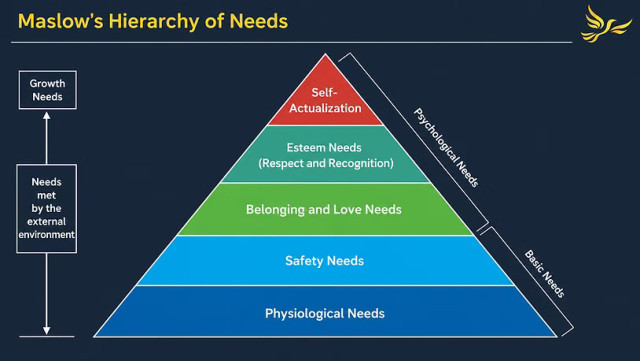
The Maslow's pyramid - is the hierarchy of need theory still relevant?
Ryszard Skarbek
July 06, 2026
Maslow's Pyramid, also known as Maslow's Hierarchy of Needs, is one of the most influential theories in psychology describing how our desires influence our behavior. Abraham Maslow was a psychologist who lived from 1908 to 1970. He proposed this concept in the mid-20th century, suggesting that our actions are driven by attempts to satisfy specific needs, progressing from the most basic to self-actualization.

In this article, we'll discuss in detail what Maslow included in his theory of needs and why understanding this hierarchy is crucial for personal development, management, and a general understanding of human behavior. Knowing Maslow's classification of needs allows for a better understanding of the motivations behind people's actions, which is incredibly valuable in both personal and professional life.

And what is extremely interesting, you will learn there were 6 levels in total, not 5!

See publication

Tags: Behavioral Science, Health and Safety, Leadership
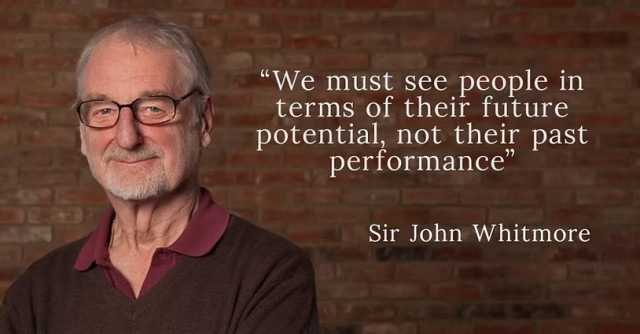
Sir John Whitmore - The father of business coaching
Ryszard Skarbek
June 28, 2026
Sir John Whitmore died on April 28, 2017, at 79. His legacy in coaching, mentoring, leadership development, and organizational change is undoubtedly invaluable. The list of merits he was awarded during his lifetime is remarkable.

He co-created the GROW coaching model (Goal, Reality, Options, Will). This model is recognized as the foundation of the business coaching industry. He created the concept of Performance Coaching, which has forever entered the business world. He described the essence of his concepts in the book Coaching for Performance, which has become the bible of business coaching. It has been sold in over one million copies and translated into over 20 languages.

Learn his biography and key achievements.

See publication

Tags: Behavioral Science, Coaching, Leadership
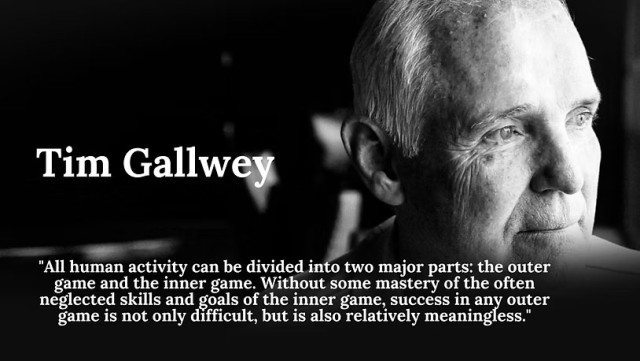
Timothy Gallwey: The inner game and origins of modern coaching
Ryszard Skarbek
June 21, 2026
Timothy W. Gallwey is an outstanding thinker in the fields of personal and professional excellence, business health and education, and the ability to push yourself beyond limits - especially in the area of competitive sports. He developed the concept of "The Inner Game", which became the foundation of modern coaching.

Tim Gallwey is a prolific writer. His books include The Inner Game of Tennis (1974), Inner Tennis: Playing the Game (1976), Inner Skiing (1977), The Inner Game of Golf (1981), Inner Game of Winning (1985), The Inner Game of Music (1986), The Inner Game of Work (1999), and The Inner Game of Stress (2009).

Two books he created, "The Inner Game of Tennis" and "The Inner Game of Work", have exceeded several million copies in print.

These groundbreaking books not only accelerated the achievement of peak performance in professional sports but also laid the foundations of modern business coaching. They have also been applied in the fields of business and health, offering many effective methods that enable high performance.

See publication

Tags: Behavioral Science, Coaching, Innovation
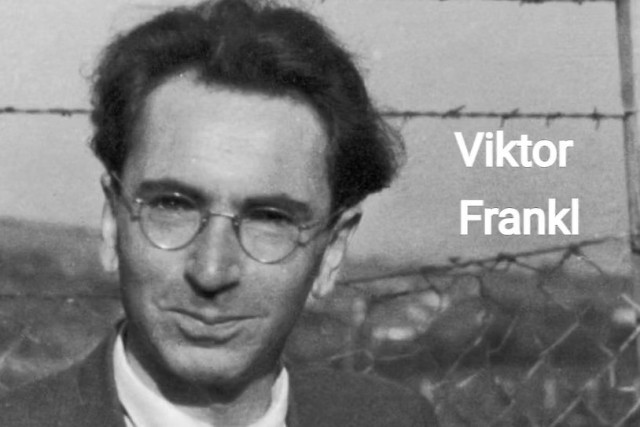
Viktor Frankl: Psychiatrist who survived Auschwitz
Ryszard Skarbek
June 14, 2026
Viktor Frankl is one of the most remarkable figures of the 20th century. An Austrian psychiatrist and psychotherapist, but also a neurologist and thinker, his traumatic experiences during World War II shaped one of the most compelling concepts in the history of psychology.

As a therapist who himself experienced extreme suffering, Frankl showed that even in inhumane conditions, life has meaning and that people can find inner freedom.

In this article, we present his life, camp experiences, scientific path, and the importance of logotherapy, which inspires therapeutic methods, coaching, and personal development.

See publication

Tags: Behavioral Science, Leadership, Mental Health
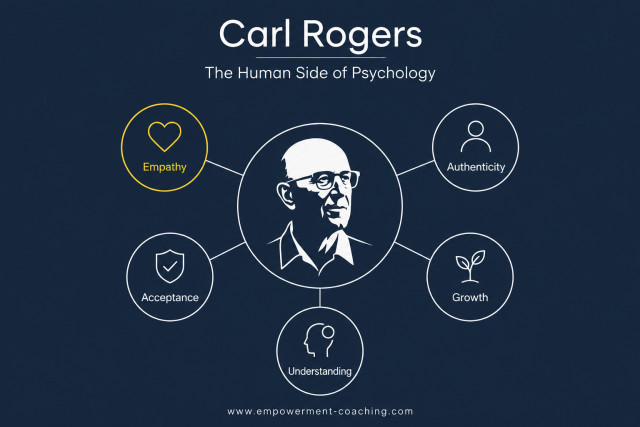
Carl Rogers and his influence on psychology, education, coaching and communication
Ryszard Skarbek
June 07, 2026
Carl Rogers is one of the most important figures in 20th-century psychology and a true icon of psychotherapy. As an American psychologist and psychotherapist, he created an approach that forever changed our understanding of humanity, the therapeutic relationship, and personal development.

His concepts have had a profound influence on psychotherapy, education, coaching, and modern leadership. He was one of the most important representatives of the humanistic movement and co-founder of the approach now known as humanistic psychology.

Meet Carl Rogers and learn his ground-breaking concepts.

See publication

Tags: Behavioral Science, Coaching, Mental Health
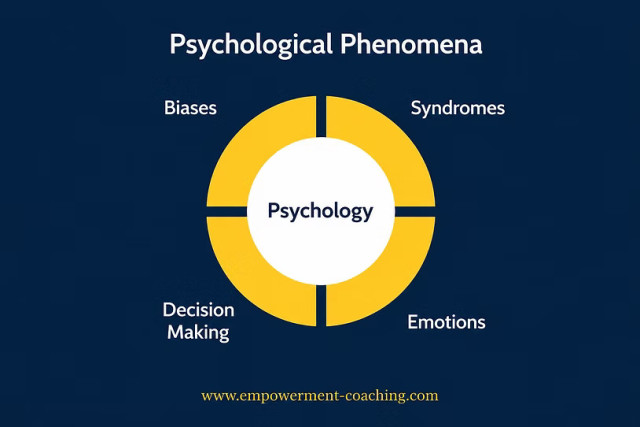
Psychological Phenomena and Cognitive Biases - A Complete Guide
Ryszard Skarbek
May 31, 2026
Psychological phenomena and cognitive biases are systematic deviations in thinking that influence how we interpret information, make decisions, and evaluate others. They arise from simplifications (heuristics) that facilitate quick reactions but often lead to erroneous conclusions. Understanding these mechanisms allows us to make better decisions, build relationships, and increase effectiveness in work and life.

This article explains how the most important psychological effects work, how to recognize them in practice, and how to use this knowledge in business, leadership, and personal development.

If you are a leader, working with people, or developing your self-awareness, this guide will help you understand why we think the way we do.

See publication

Tags: Behavioral Science, Coaching, Leadership
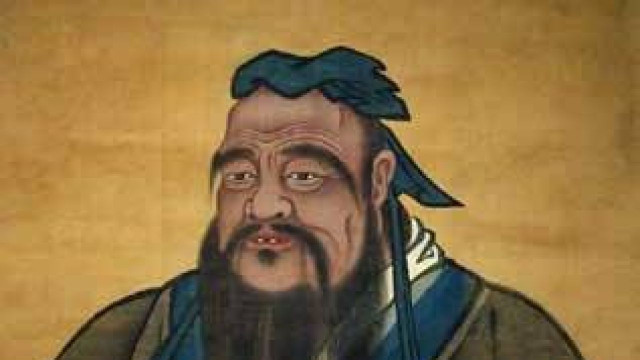
Why Confucius was so important for our civilization development?
Ryszard Skarbek
May 24, 2026
Confucius remains one of the most influential philosophers in world history and also one of those who exerted the greatest influence on Western thought, especially Christianity (surprise?). Although he reportedly did not write, his ideas were gathered by his students and passed on to the world in various forms. Here, you will find a short biography of Confucius, including some tasty curiosities, fun facts, and funny quotes.

His thoughts were extremely universal and acquired a timeless meaning. He studied human nature and developed virtues necessary for society's smooth functioning.

And probably his best-known thought is the famous Golden Rule:

"Do not do unto others what you do not want done to yourself."

See publication

Tags: Behavioral Science, Culture, Leadership

Why are some people more cheerful than others?
Ryszard Skarbek
May 21, 2026
Sonja Lyubomirsky, professor of psychology at the University of California, and Marci Shimoff, a well-known transformational leader in the USA, presented in their books the results of research on the extent to which our level of happiness is genetically determined, how it depends on external conditions, and to what extent it depends on ourselves.

These books are respectively:

1. "The How of Happiness: A Scientific Approach to Getting the Life You Want."
2. "Happy for No Reason: 7 Steps to Being Happy from the Inside Out."


The most important message of these books is extremely interesting. According to them, our level of feeling happy depends on:


- 50% from genetic conditions,
- 40% of our intentional actions,
- 10% of external conditions.

According to Sonja, we are born with a "happiness set-point". Would you like to learn more? Please dive into further text.

See publication

Tags: Behavioral Science, Health and Wellness, Mental Health
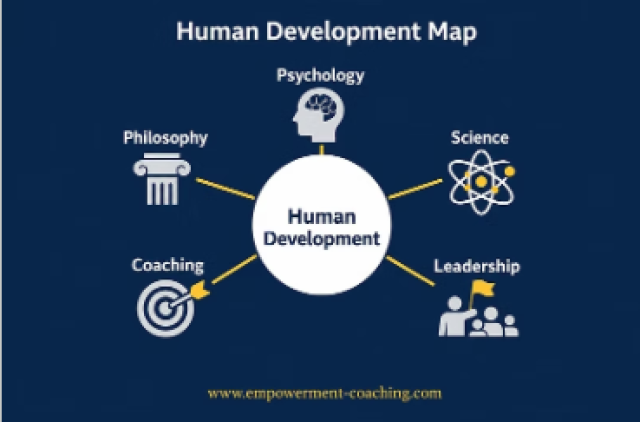
50 Minds That Changed the World and Influenced the Lives of Millions
Empowerment Coaching
May 18, 2026
The history of humanity is the history of ideas. It's not events that change the world - it is people who think differently, ask questions, and question reality. This article showcases 50 minds that changed the world and shaped contemporary thinking about humanity, leadership, psychology, and personal development.

This is not just a list of names. It's a knowledge map that:

- combines philosophy, psychology, science, and coaching,
- builds a deep understanding of human development,
- supports leaders, managers, and people in the change process.

If you want to understand where the ideas we use in coaching and business today come from, this article is for you.

See publication

Tags: Behavioral Science, Coaching, Leadership
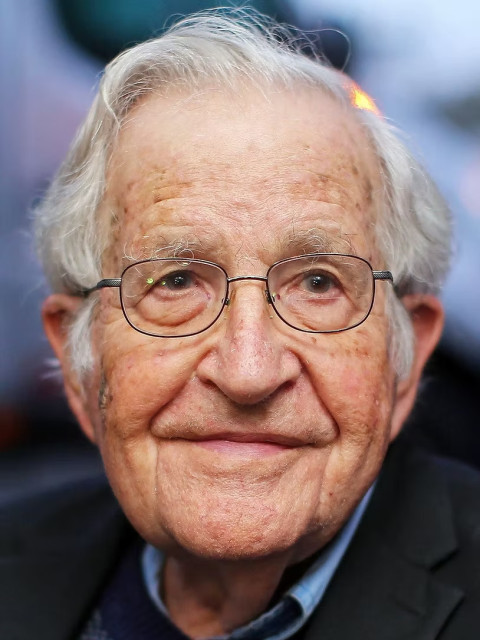
Noam Chomsky and his social manipulation theory
Ryszard Skarbek
May 18, 2026
Avram Noam Chomsky, an American Laureate Professor of Linguistics at the University of Arizona and Institute Professor Emeritus at Massachusetts Institute of Technology, MIT, is one of the most cited scientists in the world. This is partly due to his extensive body of work (he has written over 150 books on topics such as linguistics, war, and politics) and to many often moving quotes.

He is called the father of modern linguistics, and his greatest contribution to Mankind's achievements is the theory of linguistics. Chomsky is also a major figure in analytic philosophy and one of the founders of cognitive science.

But he is not only a respected and highly valued scientist. He is known for his political activism and social criticism.

Today, I would like to share a THEORY OF MANIPULATION that Chomsky developed while observing the modern world. I am curious about which points will appeal to you the most. You may find something there that you know from your experience.

See publication

Tags: Behavioral Science, Culture, Mental Health
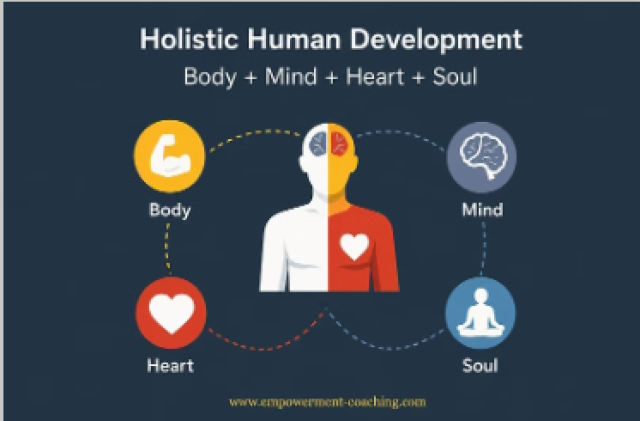
A holistic approach to the human being: body, mind, heart, and soul
Empowerment Coaching
May 17, 2026
A holistic approach to humanity assumes that the human being is an integrated system: body + mind + emotions (heart) + spiritual dimension. Each of these elements influences the others, so human development requires work on all levels simultaneously – biological, psychological, social, and existential.

See publication

Tags: Behavioral Science, Coaching, Health and Wellness

Boiled Frog Syndrome, Tall Poppy Effect, Pollyanna Syndrome: learn three major cognitive biases
Ryszard Skarbek
May 12, 2026
Three common cognitive biases can affect both our personal and professional lives. These biases are the Boiled Grog Syndrome, the Tall Poppy Syndrome, and the Pollyanna Effect. They can hinder our satisfaction, fulfillment, and relationships with others. These biases are prevalent in various aspects of our lives. They can pose challenges in our private relationships and at work.

Let's examine the Boiled Frog, Tall Poppy, and Pollyanna Syndrome. Learn to recognize and deal with them in everyday life. In the first place, let's put a frog in cold, tepid water and start a gradual heating process.

See publication

Tags: Behavioral Science, Health and Wellness, Mental Health

HR Trends 2026: AI, leadership i nowa era pracy
Empowerment Coaching
May 07, 2026
Raport McLean & Company „HR Trends 2026” pokazuje, że HR przestaje pełnić rolę administracyjnego wsparcia i staje się strategicznym liderem transformacji organizacyjnej. Najważniejsze trendy obejmują: rozwój leadershipu, wdrażanie AI, budowę kultury ciągłego uczenia się, wzrost znaczenia wellbeingu oraz silniejszą współpracę HR z IT, finansami i komunikacją. Organizacje przyszłości będą wygrywać dzięki adaptacyjności, kulturze opartej na wartościach i zdolności liderów do zarządzania zmianą.

See publication

Tags: AI, HR, Leadership

Artificial Intelligence in Coaching: The Online AI Coach Is Here
Ryszard Skarbek
May 06, 2026
Artificial intelligence is rapidly entering the world of coaching, supporting both coaches and coachees. Using machine learning algorithms and chatbots based on large language models (LLMs), AI can analyze massive datasets, provide personalized recommendations, and be available 24/7.

This modern technology, though already highly advanced, cannot yet recognize the subtleties of human emotion and certainly cannot replace human empathy. However, when used effectively, it can strengthen the interpersonal bond in the coaching process. This is achieved, among other things, by allowing the coach to take over routine tasks (e.g., note-taking and analysis) from a human coach and by providing real-time feedback.

In this article, we present specific examples of existing AI solutions that demonstrate how AI is used in coaching and support different types of coaching:

- life coaching,
- career coaching,
- business coaching,
- executive coaching.

Our summary includes both global solutions and those available on the Polish market.

See publication

Tags: AGI, Behavioral Science, Coaching

1 Founder
Founder and Managing Partner
Empowerment Coaching Krakow
March 02, 2020
Empowerment Coaching is a Krakow-based company specializing in executive business coaching for companies and individuals.

See publication

Tags: Coaching, Leadership, Management
2 Industry Certifications
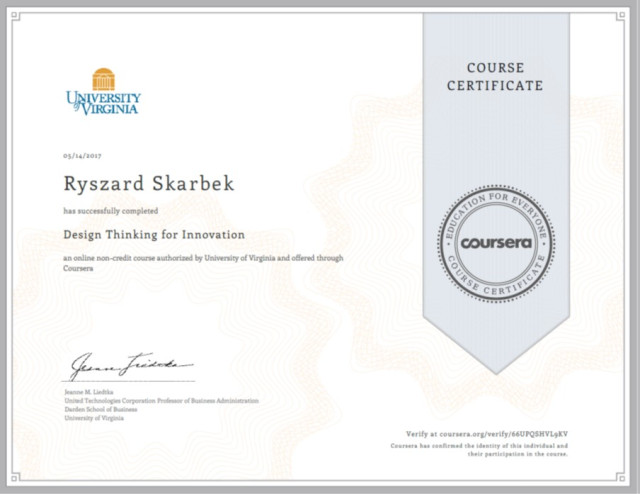
Design Thinking Certificate by University of Virginia
Darden School of Business University of Virginia
May 14, 2017
Ryszard Skarbek - Design Thinking Certificate by Darden School of Business University of Virginia

Credential ID 66UPQSHVL9KV

See publication

Tags: Agile, Creativity, Design Thinking
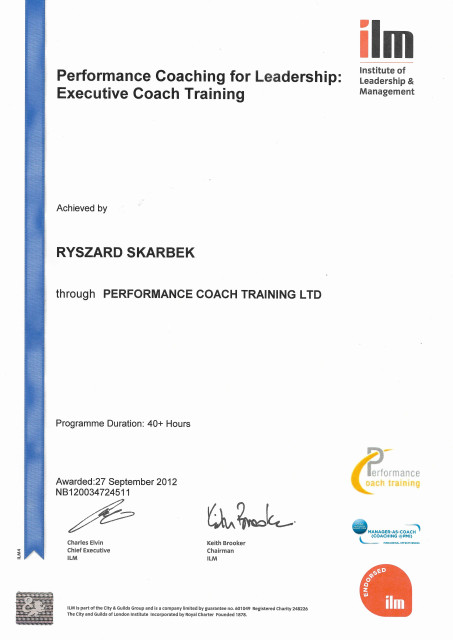
Executive Coach and Performance Coach Certificate
Institute of Leadership and Management
September 27, 2012
Executive Coach and Performance Coach Certificate

Credential ID NB120034724511

See publication

Tags: Coaching, Leadership, Management
2 Infographics
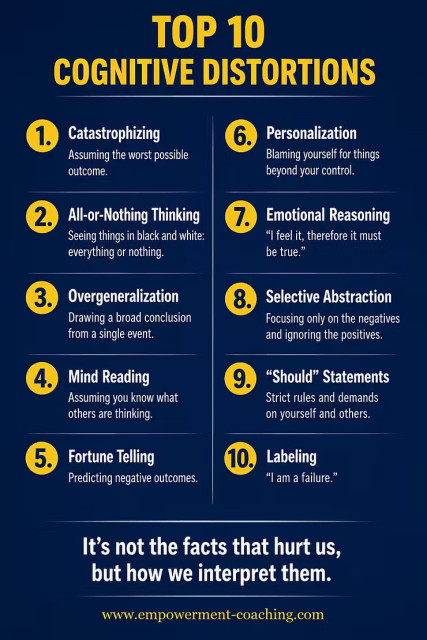
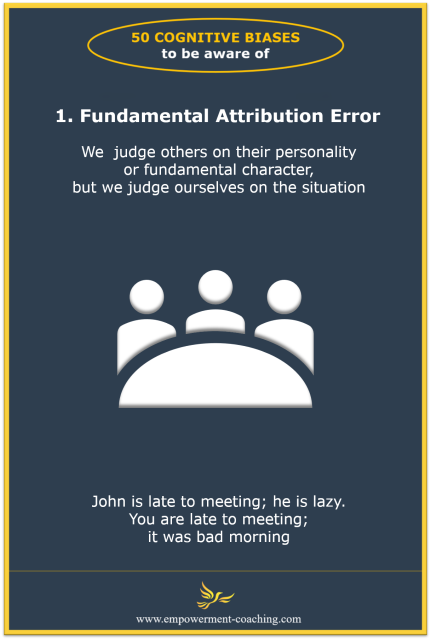
Top 10 Cognitive Distortions
Ryszard Skarbek
August 31, 2026
A well-developed list of cognitive distortions allows us to recognize our own thought patterns. This is the first step on the growth path, as it's difficult to change something we're unaware of. Such a list serves both an educational and diagnostic purpose. Here is the list of the top 10.

See publication

Tags: Behavioral Science, Coaching, Mental Health
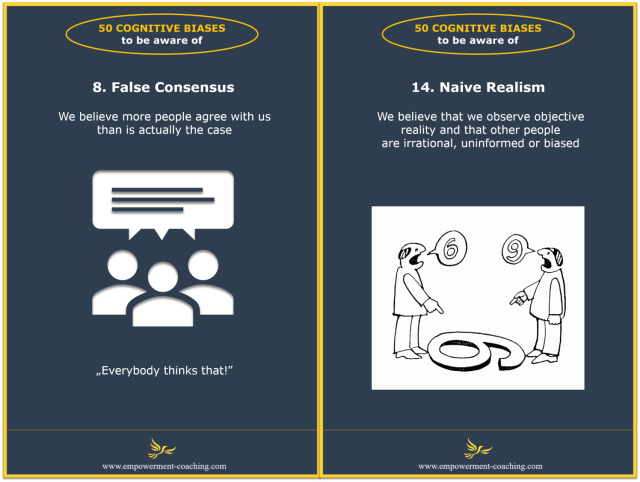
Top 50 Cognitive Biases
Ryszard Skarbek
April 08, 2026
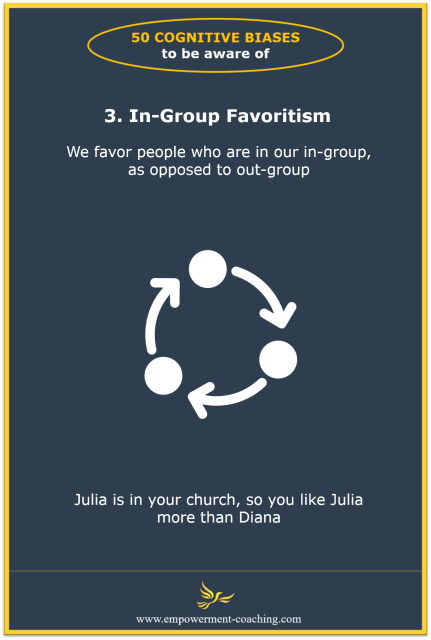
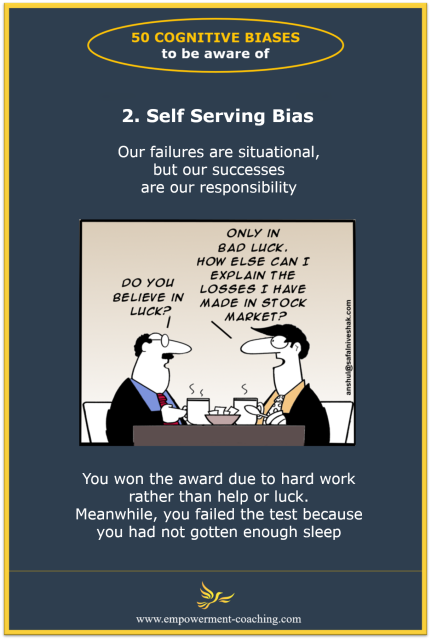
We often do not realize that we are subject to unconscious mistakes, that affect our judgment and behavior. 

What is a cognitive bias? It is a persistent, irrational error in our thinking that affects our conclusions, emotions, and ultimately decisions, attitudes, and behavior. 

Each cognitive error is a limitation for the correct perception of the reality that surrounds us. 

​On Empowerment Coaching Krakow website you will find the list of infographics describing the 50 most common cognitive biases. These graphical cards are free to download and use freely. 

In addition to the Graphical Library of 50 Cognitive Biases, you will also find more detailed descriptions of the five cognitive biases that I believe are the most common in the 21st-century Western world. 

At the end of this study, you will find specific tips that explain in five steps how to identify cognitive biases, how to eliminate them, and how to avoid them in the future. 

And one extra surprise awaits you, too! 

See publication

Tags: Behavioral Science, Coaching, Leadership
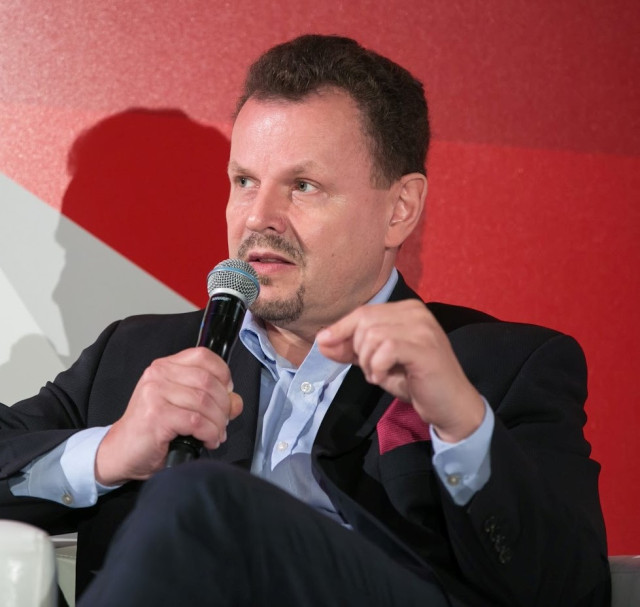
1 Media Interview
Coaching - I could do it for free. Interview with Ryszard Skarbek
Ryszard Skarbek
July 20, 2026

See publication

Tags: Behavioral Science, Coaching, Leadership
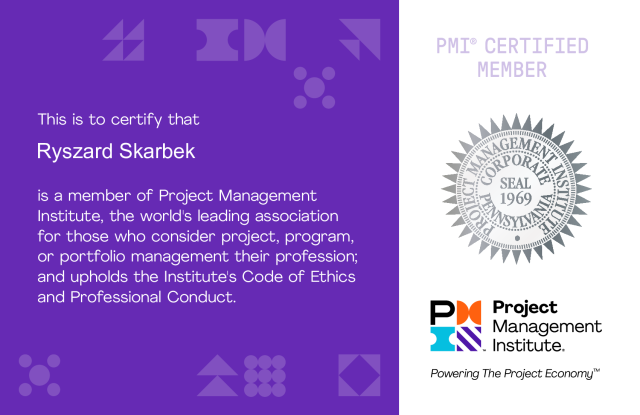
1 Membership
Project Management Institute (PMI) Membership Certificate
Project Management Institute (PMI)
April 21, 2022
Ryszard Skarbek - Project Management Institute (PMI) Membership Certificate

See publication

Tags: Project Management

2 Mentors
Mentor at Youth Business Poland Foundation
Ryszard Skarbek
July 20, 2026
Youth Business Poland (YBP) is part of Youth Business International, a network of programs founded by His Majesty Charles III, which supports entrepreneurship in 74 countries worldwide. In each member country, the program aims to support and develop the local entrepreneurial ecosystem. In particular, YBI focuses on running programs for individuals who want to run or expand their own businesses, offering business mentoring.

The Foundation's mission is to develop and support entrepreneurs, but also to provide comprehensive support to young people so they can fully develop their potential, create stable companies, and create new jobs.

See publication

Tags: Behavioral Science, Coaching, Leadership
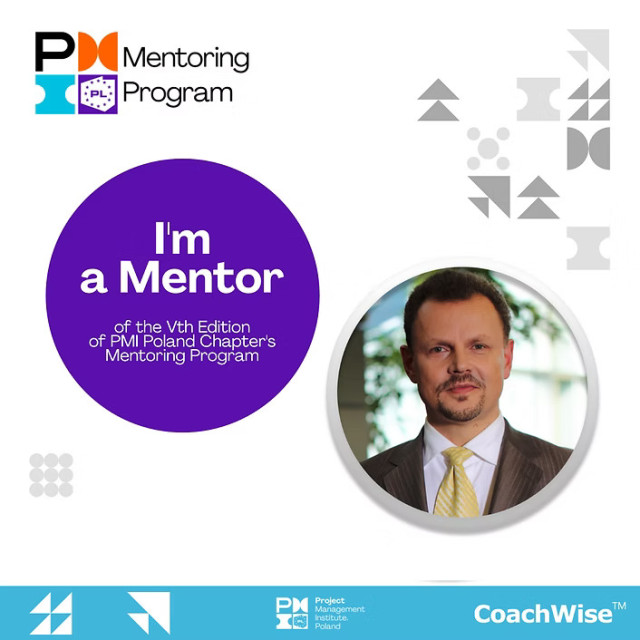
Project Management Institute Mentor Certificate
Project Management Institute
April 27, 2022
Mentor Ryszard Skarbek - Project Management Institute (PMI) Certificate

See publication

Tags: Leadership, Management, Project Management

4 Profiles
Coach Ryszard Skarbek
Ryszard Skarbek
July 20, 2026

See publication

Tags: Behavioral Science, Coaching, Leadership

Dobry coach Ryszard Skarbek
Ryszard Skarbek
July 20, 2026

See publication

Tags: Behavioral Science, Coaching, Leadership

Super coach Ryszard Skarbek
Ryszard Skarbek
July 20, 2026

See publication

Tags: Behavioral Science, Coaching, Leadership

Management Consultant Ryszard Skarbek
Ryszard Skarbek
July 20, 2026

See publication

Tags: HR, Leadership, Management

Thinkers360 Credentials

4 Badges

Blog

1 Article/Blog
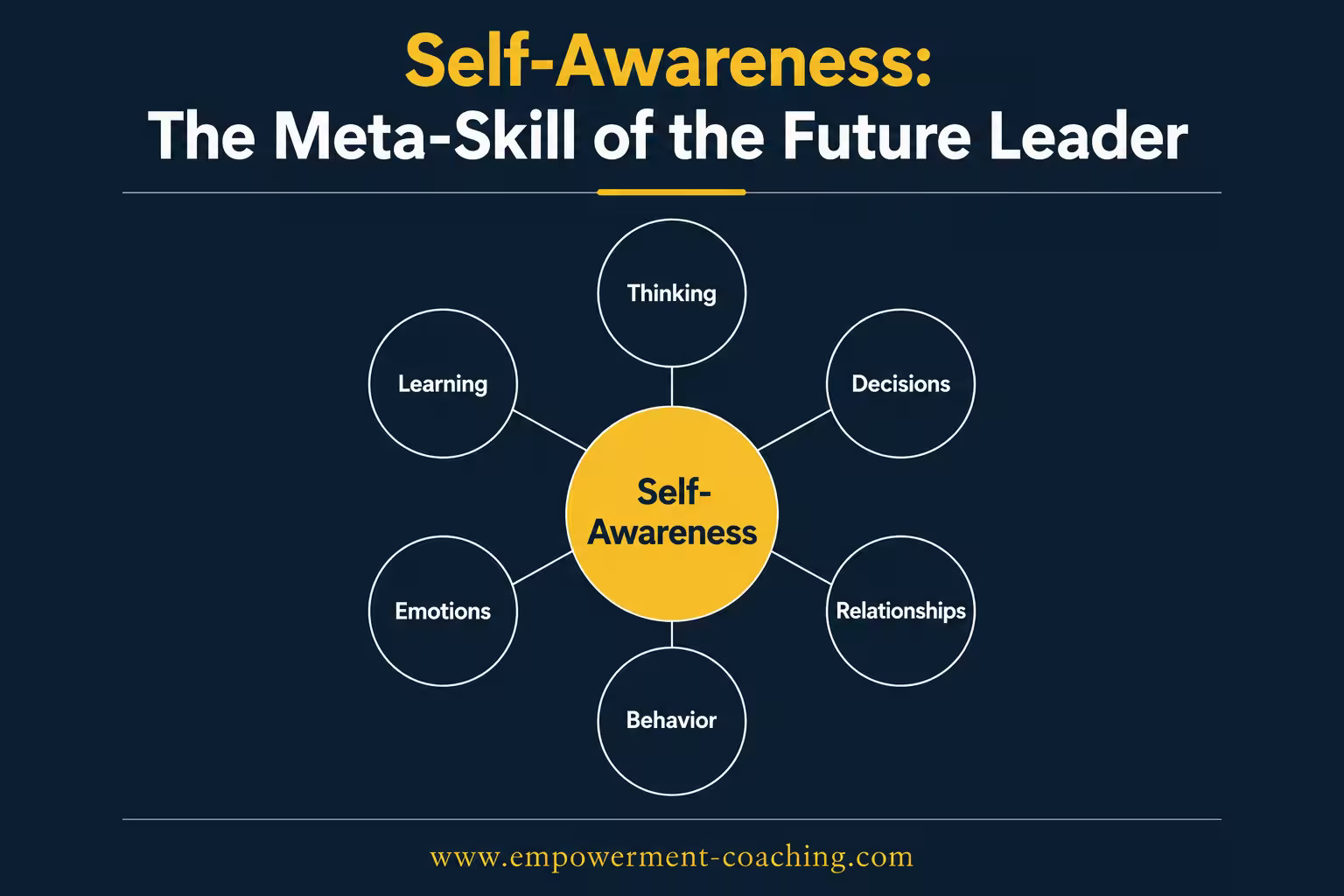
Self-Awareness: The Meta-Skill of the Future Leader

Thinkers360
September 20, 2026

Self-Awareness: The Meta-Skill of the Future Leader

As artificial intelligence automates more tasks and organizations become increasingly complex, self-awareness is emerging as one of the most important leadership capabilities of the future. Self-aware leaders make better decisions, build healthier cultures, adapt more effectively to change, and develop stronger relationships. In a rapidly changing world, understanding oneself may become one of the greatest competitive advantages. 


Key Insights. 

  • Self-awareness is becoming a strategic leadership capability. 

  • Technology increases external complexity and exposes internal blind spots. 

  • Leadership effectiveness depends heavily on understanding one’s thinking, emotions, assumptions, and behaviors. 

  • Self-aware leaders tend to make better decisions and build healthier cultures. 

  • Coaching and reflection strengthen self-awareness. 

  • The future belongs to leaders who continuously develop both external skills and internal awareness. 


The Leadership Skill Nobody Talks About Enough. 

Ask people what future leaders need, and the answers are usually predictable. 

They mention: 

  • strategic thinking, 

  • communication, 

  • innovation, 

  • adaptability, 

  • AI literacy, 

  • emotional intelligence. 

All of these matter. 

Yet there is one capability that quietly influences all the others. 


Self-awareness. 


Without self-awareness: 

  • intelligence can become arrogance, 

  • confidence can become overconfidence, 

  • decisiveness can become rigidity, 

  • ambition can become exhaustion, 

  • and experience can become resistance to change. 


Self-awareness is different from most skills. 

It does not simply add another capability. 

It improves the quality of every other capability. 


That is why it may be best understood as a meta-skill. 

A capability that shapes all other capabilities. 


Why Is The Age of Complexity Also the Age of Self-Awareness? 

The modern workplace is becoming increasingly complex. 

Leaders face: 

  • continuous change, 

  • digital acceleration, 

  • global uncertainty, 

  • information overload, 

  • hybrid work, 

  • and AI-driven transformation. 

External complexity is increasing rapidly. 


But complexity creates another challenge. 

It amplifies internal limitations. 


Under pressure, people often become more vulnerable to: 

  • emotional reactivity, 

  • cognitive bias, 

  • defensive thinking, 

  • stress responses,

  • and unconscious habits. 


Technology may evolve exponentially. 

Human psychology does not. 


This creates a gap. 

And inside that gap, self-awareness becomes essential. 

Because leaders who cannot understand themselves often struggle to understand the environments they are trying to lead. 


Why Intelligence Is Not Enough? 

Many organizations still assume that intelligence automatically creates effective leadership. 

Reality is more complicated. 

Some exceptionally intelligent leaders struggle because they are unaware of: 

  • how they communicate, 

  • how others experience them, 

  • how stress affects them, 

  • or how their assumptions shape decisions. 

Knowledge alone does not guarantee wisdom. 


Information alone does not guarantee insight. 

Leadership failures often emerge not from insufficient intelligence but from insufficient awareness. 


History provides countless examples of highly intelligent individuals whose lack of self-awareness eventually undermined their effectiveness. 


The future of leadership therefore requires something beyond expertise. 

It requires conscious leadership. 

And conscious leadership begins with self-awareness. 


Self-Awareness and Decision-Making.

Every leader makes decisions. 

But decisions are rarely purely rational. 


They are influenced by: 

  • assumptions, 

  • beliefs, 

  • emotions, 

  • experiences, 

  • fears, 

  • expectations, 

  • and cognitive biases. 


Many of these influences operate outside conscious awareness. 

This creates risk. 


Because leaders often assume: 

I see reality objectively. 


Usually, they do not. 

None of us do. 


We see reality through our mental models. 

Self-awareness helps leaders examine these models. 


It encourages questions such as: 

  • Why do I believe this? 

  • What assumptions am I making? 

  • What information am I ignoring? 

  • What emotional factors are influencing my judgment? 

These questions improve decision quality. 

Not because leaders become perfect. 

But because they become more reflective. 

And reflection often improves judgment. 


What Is the Hidden Cost of Blind Spots?

Perhaps the greatest danger in leadership is not weakness. 

It is unconscious weakness. 


Blind spots are particularly dangerous because people cannot see them. 


Leaders may unintentionally: 

  • discourage participation, 

  • create fear, 

  • resist feedback, 

  • avoid difficult conversations, 

  • or become overly controlling. 


Their intentions may be positive. 

Their impact may not. 

Leadership is always experienced by other people. 

Which means self-awareness requires understanding not only ourselves, but also our impact on others. 


This is why feedback is so important. 

It allows leaders to see parts of themselves that are difficult to observe alone. 

Growth often begins at the edge of awareness. 


Self-Awareness and Emotional Regulation. 

Modern leadership is emotionally demanding. 

Leaders encounter: 

  • uncertainty, 

  • conflict, 

  • disappointment, 

  • pressure, 

  • and constant change. 


Emotions influence leadership continuously. 


The question is not whether emotions exist. 

The question is whether leaders understand them. 


Self-awareness allows people to recognize: 

  • What situations trigger stress? 

  • What creates frustration? 

  • What causes defensiveness? 

  • What increases energy? 

  • What depletes motivation? 


These insights matter enormously. 


Because emotional states influence: 

  • thinking, 

  • communication, 

  • relationships, 

  • and decisions. 


Leaders who understand their emotions generally regulate them more effectively. 

And emotional regulation creates stability. 

Stable leaders often create stable systems. 


How Does Self-Awareness Create Better Relationships? 

Leadership is fundamentally relational. 

Organizations function through interactions between people. 


Relationships depend on: 

  • trust, 

  • communication, 

  • understanding, 

  • and emotional intelligence. 


Self-aware leaders tend to: 

  • listen more effectively, 

  • communicate more clearly, 

  • seek feedback, 

  • and remain open to different perspectives. 


They become more curious. 

Less defensive. 

More willing to learn. 


This does not make them perfect. 

It makes them adaptive. 

And adaptability is increasingly important in uncertain environments. 


Why AI Makes Self-Awareness More Important? 

Many people assume that future leadership will become increasingly technological. 

That is true. 

But it is only part of the story. 


As technology grows more powerful, human capabilities become more important. 


AI can: 

  • analyze information, 

  • identify patterns, 

  • generate recommendations, 

  • and process extraordinary amounts of data. 


What AI cannot fully replace is human self-understanding. 


Technology can tell leaders: 

  • what happened, 

  • what might happen, 

  • and what options exist. 


It cannot completely answer: 

  • Why do I react this way? 

  • What values drive my decisions? 

  • What assumptions shape my leadership? 

  • What kind of leader do I want to become? 


These questions remain deeply human. 

And they may become increasingly valuable.


Self-Awareness and Adaptability. 

The future rewards adaptation. 

Adaptation requires learning. 

Learning requires awareness. 

This sequence matters. 


People rarely change behaviors they do not recognize. 


Self-awareness allows leaders to notice: 

  • habits, 

  • assumptions, 

  • patterns, 

  • and limitations. 


Once visible, these patterns become manageable. 


Without awareness, change becomes difficult. 

With awareness, growth becomes possible. 


In this sense, self-awareness is the foundation of adaptability. 

And adaptability may be one of the defining capabilities of future leadership. 


Self-Awareness and Culture. 

Leaders influence culture continuously. 

Every reaction, every conversation, every decision, every behavior sends signals. 

These signals shape organizational norms. 


Unaware leaders often create cultures unintentionally. 

Their stress becomes organizational stress. 

Their fear becomes organizational fear. 

Their defensiveness becomes organizational defensiveness. 


The opposite is also true. 


Self-aware leaders often create cultures characterized by: 

  • trust, 

  • openness, 

  • learning, 

  • and psychological safety. 


Because awareness changes behavior. 

And behavior shapes culture. 


Coaching and the Development of Awareness. 

One of the reasons why coaching has become increasingly valuable is that awareness rarely develops accidentally. 

Modern life moves quickly. 

People are constantly: 

  • responding, 

  • solving problems, 

  • making decisions, 

  • and managing complexity. 


Reflection becomes rare. 


Coaching creates space. 

Space to think. 

Space to notice. 

Space to understand. 


Often the most transformative moments in coaching occur when leaders suddenly realize: 

I have been operating from assumptions I never questioned. 


These moments may appear simple. 

Yet they often create profound change. 

Because awareness changes possibilities. 


What Is The Inner Dimension of Leadership? 

Leadership development often focuses on external competencies. 

How to: 

  • communicate, 

  • influence, 

  • motivate, 

  • delegate, 

  • and lead change. 

These capabilities matter. 


But there is also an inner dimension of leadership. 


The ability to understand: 

  • ourselves, 

  • our motivations, 

  • our fears, 

  • our assumptions, 

  • our values, 

  • and our patterns. 


This inner work is not separate from leadership. 

It is leadership. 


Because people always lead from who they are. 

Not merely from what they know. 


Why Does The Future Belong to Conscious Leaders? 

The leaders who thrive in the coming decade may not necessarily possess: 

  • the highest IQ, 

  • the greatest expertise, 

  • or the most advanced technology. 


Instead, they may possess something more fundamental. 

Awareness. 


Awareness allows leaders to: 

  • learn continuously, 

  • adapt effectively, 

  • build healthy relationships, 

  • make better decisions, 

  • and create stronger cultures. 


It becomes a multiplier. 

A capability that improves all other capabilities. 


This is why self-awareness may be one of the most important leadership competencies of the future. 

Not because it replaces other skills. But because it elevates them. 


Final Reflection.

The future of leadership will undoubtedly involve: 

  • artificial intelligence, 

  • technological transformation, 

  • organizational complexity, 

  • and continuous change. 


But amid all this change, one reality remains remarkably stable: 

Leaders still lead through themselves. 

Their thinking shapes decisions. 

Their emotions shape relationships. 

Their behaviors shape culture. 

Their awareness shapes everything else. 


Because ultimately: 

The most important system every leader will ever lead is themselves. And the quality of that leadership begins with one capability: Self-awareness. 

See blog

Tags: Coaching, Future of Work, Leadership

Opportunities

Events

Contact Ryszard Skarbek

Book a Video Meeting

Media Kit

Share Profile

Contact Info

  Profile

Ryszard Skarbek


Latest Activity

Latest Member Blogs

Search
How do I climb the Thinkers360 thought leadership leaderboards?
What enterprise services are offered by Thinkers360?
How can I run a B2B Influencer Marketing campaign on Thinkers360?