


Board Member, Global Advisory Board, Multi-Fellow, Subject Matter Expert.
An accomplished technology advisory leader with over two decades of experience in Governance, Risk and Compliance on IT, Cybersecurity, and Artificial Intelligence.
Doctoral Researcher (DBA) at UCAM. Authoring an AI Governance Operating Model book for Wiley. IEEE Senior Member.
Awarded as a fellow of multiple global institutes (Royal Society of Arts, Manufactures and Commerce, FINSIA and OneTrust, among others), and recently Cloud Security Alliance Research Fellow, he has over thirty global credentials, is a Global Awards Judge, and an Industry Advisory Board at EC-Council University, International Advisory Board Member at EC-Council, AI CERTs Advisory Board, and Packt Publishing Technology Advisory Board, as well as a Global Blockchain Business Council Regional Ambassador and Accredited Member of Australian Institute of Company Directors. Additionally, he serves as a Subject Matter Expert for ISACA, CompTIA, ISC2, the Open Compliance and Ethics Group, and the Project Management Institute.
A Thinkers360 Top 10 Global Thought Leader on AI (Safety, Ethics, Governance), GRC, and Finance; Top 10 Thought Leaders in APAC; and Top 100 Thought Leaders worldwide.
In his IT auditing and consulting practices, he's steered 135+ organisations, including Fortune 50, 500, Global 500, India 500 & Indonesia 100 companies. He has co-managed multi-million-dollar enterprise IT projects - 20,000 portfolio, program and project hours.
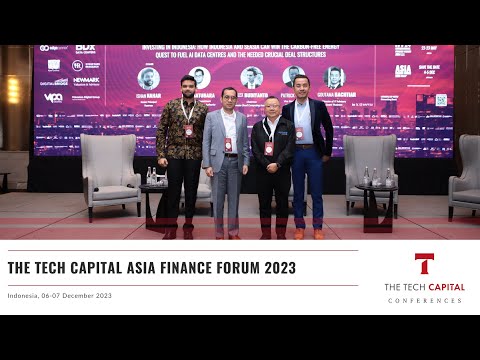
He has been delivering 320+ sessions to a total audience of 13,500+ people, racking up 6,800+ hours as a chairperson, moderator, jury, (keynote) speaker, panellist, trainer, and lecturer, in-person and online, notably for World CIO 200 Summit, Asia Finance Forum, ASEAN-JIF, BIG Awards and ACFE International Fraud Awareness Week.
Co-author of 4 books, 1 encyclopedia, 2 white papers, IASA Global Body of Knowledge v2; inventor of 2 pending patents; reviewer of top-tier book publishers, Scopus & WoS journals; creator of 55+ courseware, notably for O'Reilly, Springer, Wiley, IEEE, Elsevier, Edward Elgar, Packt, BJET, TechTrends.
Portfolio of 350+ articles, white papers & manuscripts for 30+ media & organisations written & reviewed for ISACA, COBIT, PMI, PMBOK, CSA, TAISE, AICM, CCSK, SSRM, OCEG, AECT, ICEM, ZDNet Asia, and e27.co.
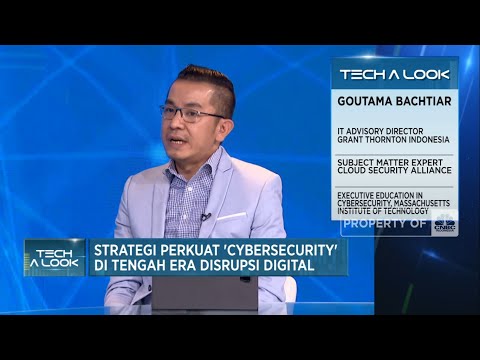
Been featured and quoted by O'Reilly, Cloud Security Alliance, CoinTelegraph, FutureCIO, OrtusClub, BusinessWeek ID, CNBC ID, CNN ID, and Routledge.
Available For: Advising, Authoring, Consulting, Influencing, Speaking
Travels From: Jakarta, DKI Jakarta, Indonesia
Speaking Topics: AI GRC, Cybersecurity, and Data Privacy
| Goutama Bachtiar, DBA (c), FRSA, SMIEEE, F FIN, FPT, MAICD | Points |
|---|---|
| Academic | 195 |
| Author | 285 |
| Influencer | 192 |
| Speaker | 221 |
| Entrepreneur | 1045 |
| Total | 1938 |
Points based upon Thinkers360 patented algorithm.
Tags: AI Ethics
Tags: EdTech
Tags: AI Ethics, AI Governance, AI Safety
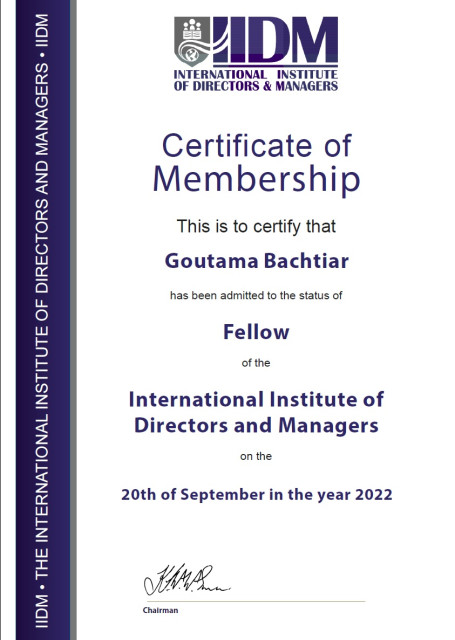 Fellow
Tags: IT Leadership, Leadership, Management
Tags: Business Strategy, Leadership, Management
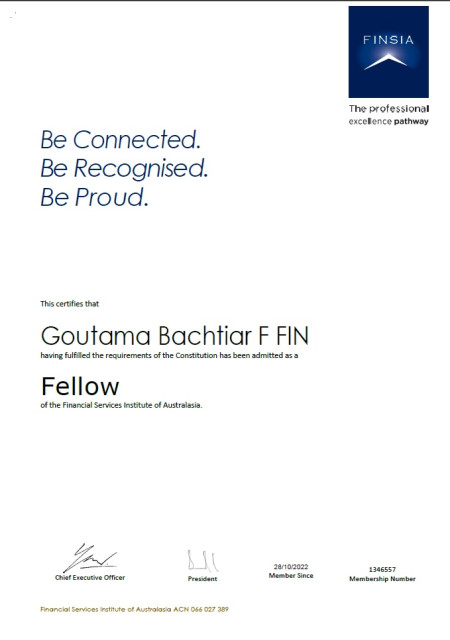 Fellow
Tags: Blockchain, Finance, Leadership
 Fellow
Tags: Innovation, Leadership, Social
Tags: HR, Leadership, Management
Tags: AI, AI Ethics, AI Governance
Tags: Cybersecurity, GRC, Leadership
Tags: Cybersecurity, Risk Management, Security
Tags: Cybersecurity, Leadership, Security
Tags: Emerging Technology, Leadership, Management
Tags: Business Strategy, Leadership, Management
Tags: IT Leadership, IT Operations, IT Strategy
Tags: Entrepreneurship, Innovation, Venture Capital
Tags: Blockchain, Cryptocurrency, Innovation
Tags: Emerging Technology, Innovation, IT Strategy
Tags: Emerging Technology, Innovation, IT Strategy
Tags: IT Leadership, IT Operations, IT Strategy
Tags: Innovation, IT Strategy, Startups
Tags: Innovation
Tags: Innovation
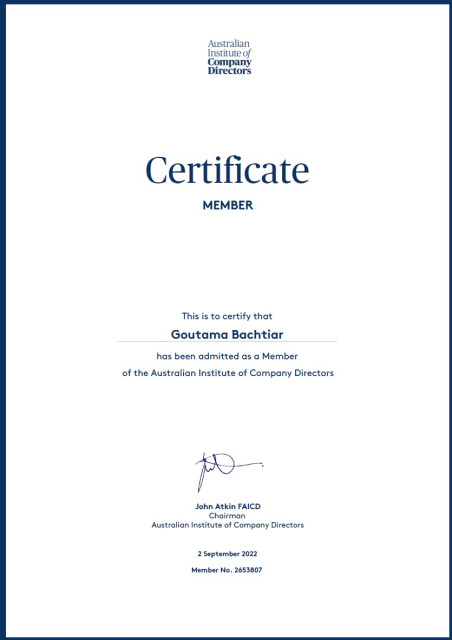 Member
Tags: Business Strategy, Leadership, Risk Management
Tags: Cybersecurity, GRC, IT Leadership
Tags: GovTech, Leadership, Management
Tags: HR, Leadership, Management
Tags: AI Governance, AI Safety, Cybersecurity
Tags: AI Governance, GRC, Risk Management
Tags: AI, AI Ethics, AI Governance
Tags: Agentic AI, AI Governance, GRC
Tags: Agentic AI, AI Governance, GRC
Tags: AI Governance, GRC, Risk Management
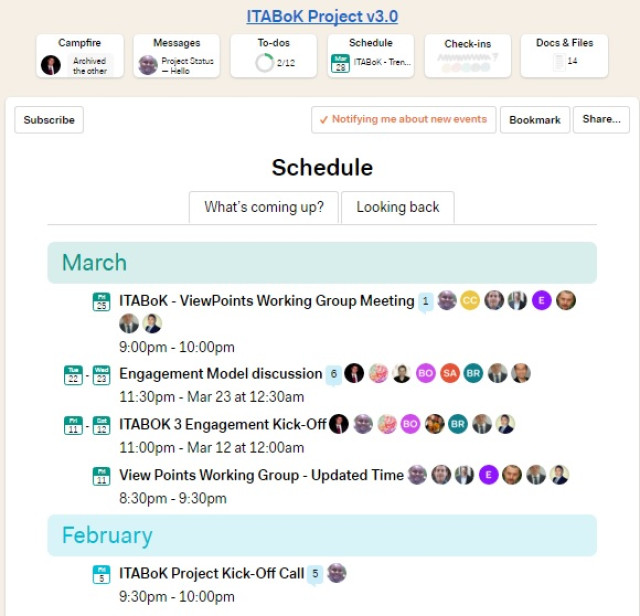 Co-Author for IT Architecture Body of Knowledge (ITABoK) version 2
Tags: IT Leadership, IT Operations, IT Strategy
 E-Book on .NET Technology in 'Project Otak'
Tags: Innovation, IT Operations, IT Strategy
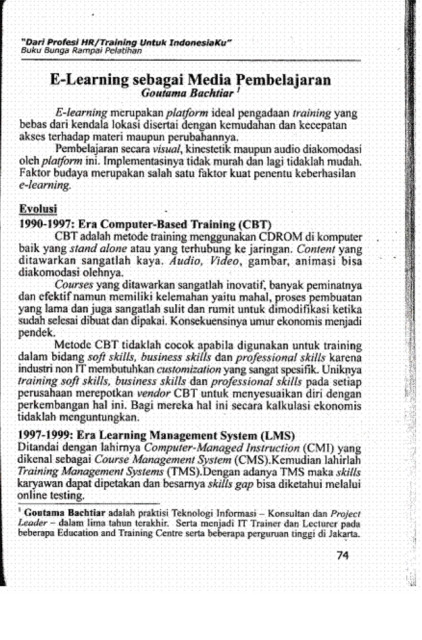
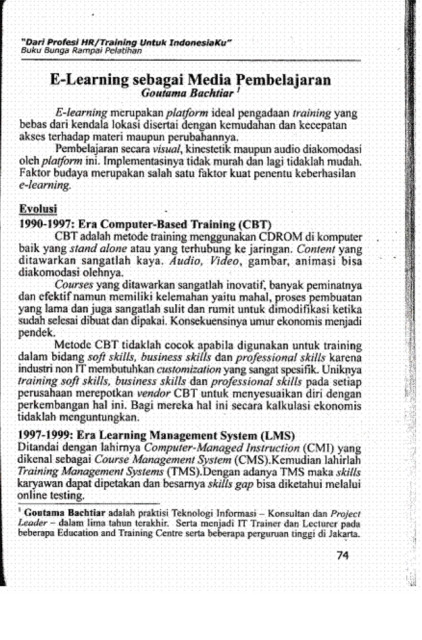 Book: Bunga Rampai Pelatihan dari Profesi HR/Training untuk Indonesiaku
Tags: Education, HR, Innovation
Tags: AI Governance, Cybersecurity, Generative AI
Tags: AI Governance, Cybersecurity, Generative AI
Tags: Agentic AI, Cybersecurity, Generative AI
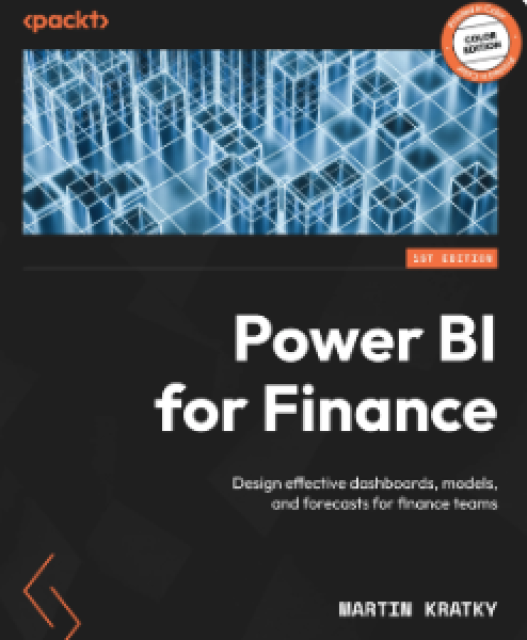 Power BI for Finance
Tags: Analytics, Finance, Predictive Analytics
Tags: GRC, IT Leadership, Risk Management
Tags: GRC, Privacy, Risk Management
Tags: GRC, IT Strategy, Risk Management
Tags: AI Ethics, AI Governance, AI Infrastructure
Tags: Digital Disruption, Emerging Technology, Innovation
Tags: AI Ethics, AI Governance, Finance
Tags: AI Ethics, AI Governance, Innovation
Tags: EdTech, Education, Innovation
Tags: Leadership, Management, Project Management
Tags: Leadership, Management, Project Management
Tags: EdTech, Education, Innovation
Tags: Emerging Technology, GRC, Risk Management
Tags: Cybersecurity, Digital Transformation, Privacy
Tags: Blockchain, Finance, FinTech
Tags: Blockchain, Cryptocurrency, Finance
Tags: Blockchain, Cryptocurrency, Finance
Tags: IT Leadership, IT Strategy, Project Management
Tags: IT Leadership, IT Strategy, Project Management
Tags: Finance, GRC, Risk Management
Tags: Cybersecurity, GRC, Risk Management
Tags: Cybersecurity, Finance, Risk Management
Tags: GRC, IT Leadership, Management
Tags: Digital Transformation, Finance, FinTech
Tags: Cybersecurity, Finance, GRC
Tags: Leadership, Management, Risk Management
Tags: Cybersecurity, GRC, Risk Management
Tags: IT Operations, IT Strategy, Leadership
 Excellence in Digital Innovation from DigiBank Summit & Awards 2024 Indonesia Edition 2024
Tags: Digital Transformation, Innovation
Tags: Leadership
 Fellow
Tags: Privacy
 Subject Matter Expert for Project Management Institute
Tags: Project Management
 Subject Matter Expert for Project Management Institute
Tags: Project Management
Tags: AI, AI Ethics, GRC
Tags: Cloud, Cybersecurity, GRC
Tags: Cloud, Cybersecurity, IT Operations
Tags: Agentic AI, AI Governance, Generative AI
Credential ID 9c3b4102-4f1c-49dd-9439-4fa85494c4c5
Tags: Cloud, Cybersecurity, GRC
Credential ID 1f4a910c-08b0-4035-850a-760a57c3f91d
Tags: AI Ethics, AI Safety, GRC
Credential ID 155f99b9-4825-4a1b-a47b-702acf3c0aca
Tags: Cloud, Cybersecurity, IT Operations
 AI+ Healthcare
Issued Aug, 2025 – Expired Aug, 2026
Credential ID 615b0d785159
Tags: AI, AI Governance, HealthTech
 AI+ Ethics
Issued Jul, 2025 – Expired Jul, 2026
Credential ID e5f84de0c44d
Tags: AI, AI Ethics, GRC
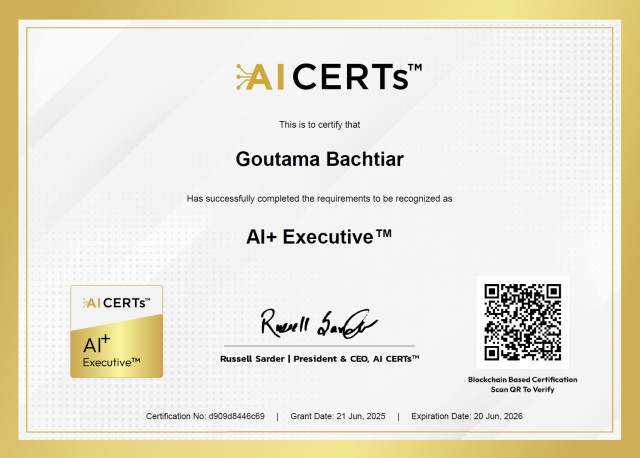 AI+ Executive
Issued Jun, 2025 – Expired Jun, 2026
Credential ID d909d8446c69
Tags: AI, IT Strategy, Management
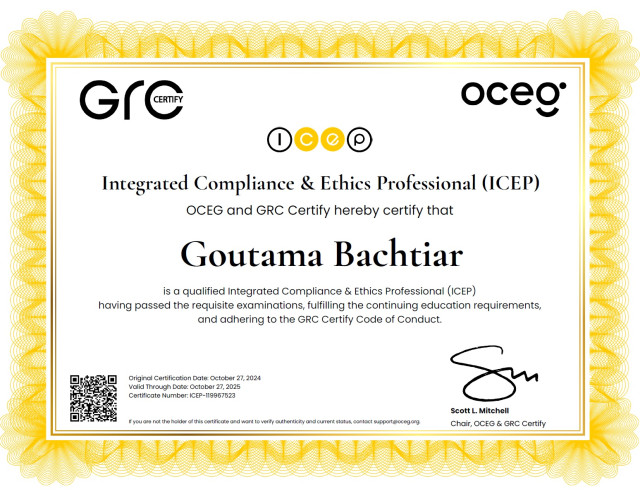 Integrated Compliance & Ethics Professional (ICEP)
Issued Oct, 2024 – Expired Oct, 2025
Credential ID ICEP-119967523
Tags: GRC, Leadership, Risk Management
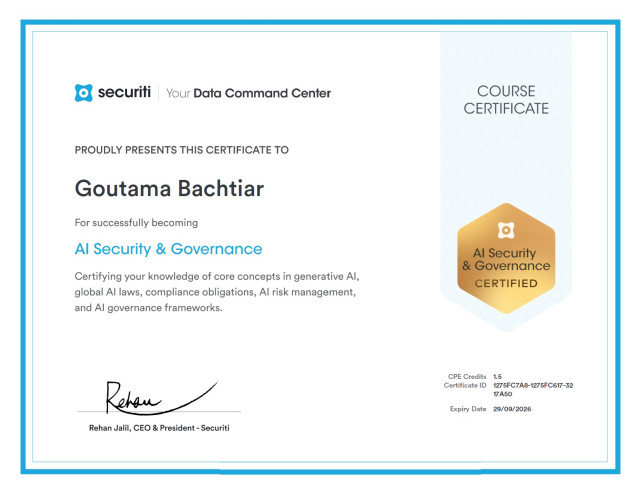 AI Security and Governance
Issued Sep, 2024 – Expired Sep, 2026
Credential ID 1275FC7A8-1275FC617-3217A50
Tags: AI Governance, AI Safety, Cybersecurity
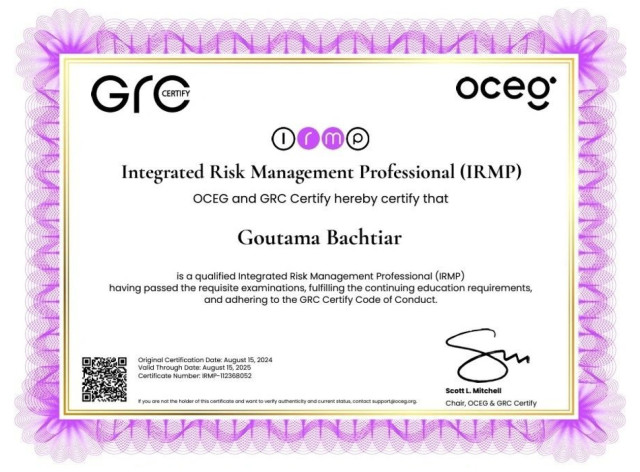 Integrated Risk Management Professional (IRMP)
Issued Aug, 2024 – Expired Aug, 2025
Credential ID IRMP-112368052
Tags: GRC, Management, Risk Management
Issued Sep, 2023 – Expired Sep, 2024
Credential ID 2ffc412f-7d78-4dda-a6d5-c5a2458a330d
Tags: Cybersecurity, GRC, Privacy
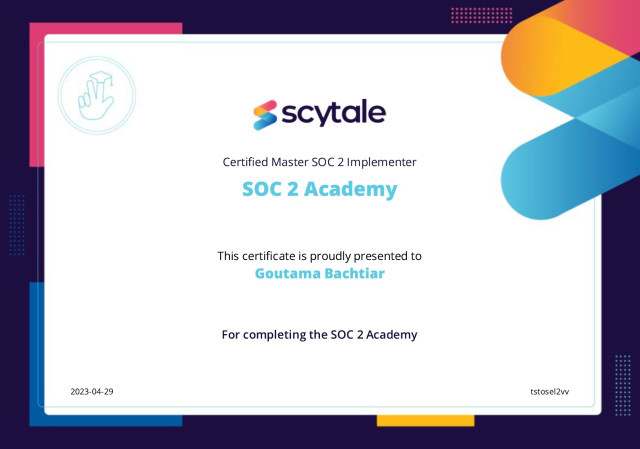 Certified Master SOC 2 Implementer
Credential ID tstosel2vv
Tags: Cybersecurity, GRC, Security
Credential ID 0cc07d82-ea5c-43ab-be5a-a13fa7f7d877
Tags: Cloud, DevOps, IT Strategy
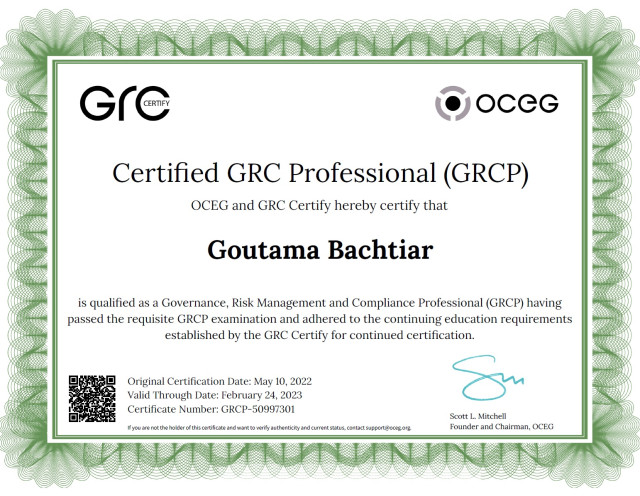 Integrated Data Privacy Professional (IDPP)
Issued Dec, 2022 – Expired Dec, 2023
Credential ID IDPP-64676099
Tags: GRC, Privacy, Risk Management
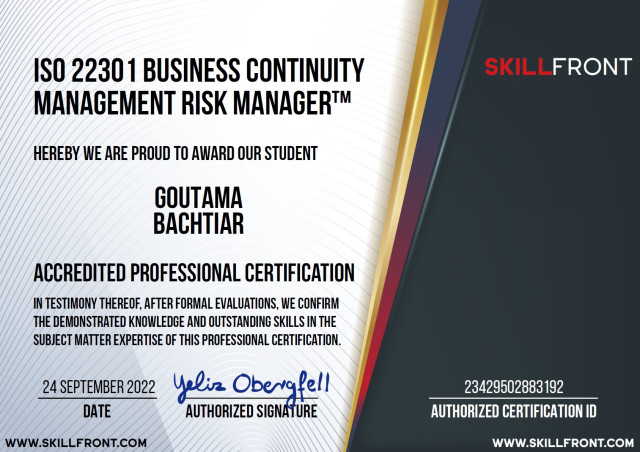 ISO 22301 Business Continuity Risk Manager
Credential ID 23429502883192
Tags: Business Continuity, GRC, Risk Management
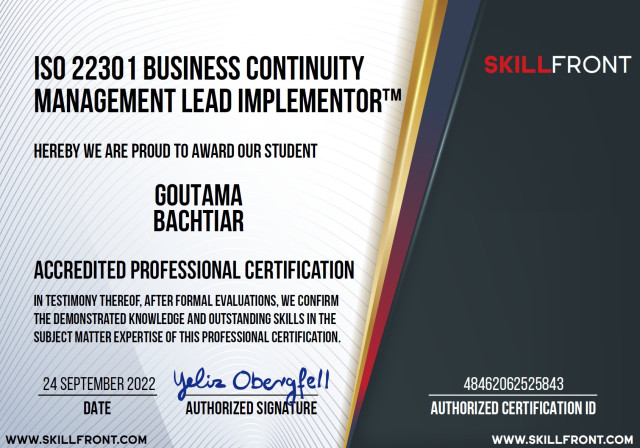 ISO 22301 Business Continuity Lead Implementer
Credential ID 48462062525843
Tags: Business Continuity, GRC, Risk Management
 ISO 22301 Business Continuity Lead Auditor
Credential ID 89828053596469
Tags: Business Continuity, GRC, Risk Management
 ISO 22301 Business Continuity Internal Auditor
Credential ID 98512290390039
Tags: Business Continuity, GRC, Risk Management
 ISO/IEC 27001 Information Security Risk Manager
Credential ID 09572212999571
Tags: Cybersecurity, Risk Management, Security
 ISO/IEC 27001 Information Security Lead Auditor
Credential ID 86641101507008
Tags: Cybersecurity, Risk Management, Security
 ISO/IEC 27001 Information Security Internal Auditor
Credential ID 04168901855123
Tags: Cybersecurity, Risk Management, Security
Issued Aug, 2022 – Expired Oct, 2024
Credential ID b43cc36f-67b2-4c1c-935d-4dfaf72f0c26
Tags: Cybersecurity, GRC, Risk Management
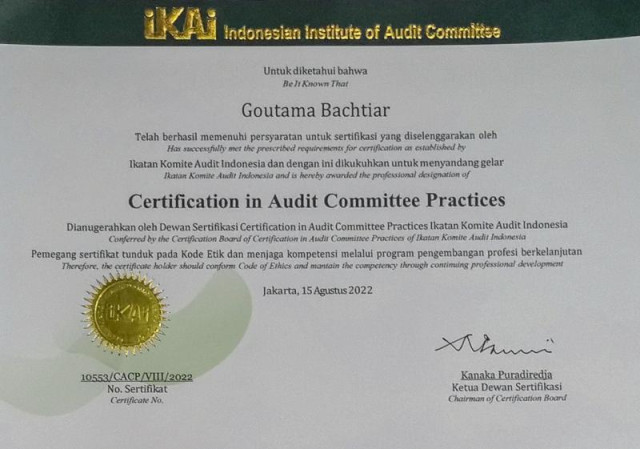 Certification in Audit Committee Practices (CACP)
Credential ID 10553/CACP/VIII/2022
Tags: GRC, Leadership, Risk Management
Tags: AI Ethics, AI Governance, AI Safety
Tags: AI Governance, Cloud, GRC
Tags: AI Governance, AI Safety, Cybersecurity
Tags: Business Strategy, Innovation, Leadership
Tags: AI, AI Governance, Cybersecurity
Tags: AI, Cloud, Cybersecurity
Tags: Business Strategy, Innovation, IT Leadership
Tags: Digital Transformation, Innovation, Leadership
Tags: Cybersecurity, Leadership, Security
Tags: Cloud, Cybersecurity, GRC
Tags: Cloud, Cybersecurity, GRC
Tags: Cybersecurity, Leadership, Security
Tags: Blockchain, Cryptocurrency, NFT
Tags: GRC, Risk Management
Tags: GRC, Risk Management, Security
Tags: IT Leadership, IT Strategy, Management
Tags: Emerging Technology, Leadership, Management
Tags: Business Strategy, Leadership, Management
Tags: AI Governance, Cloud, Cybersecurity
Tags: Agile, Leadership, Project Management
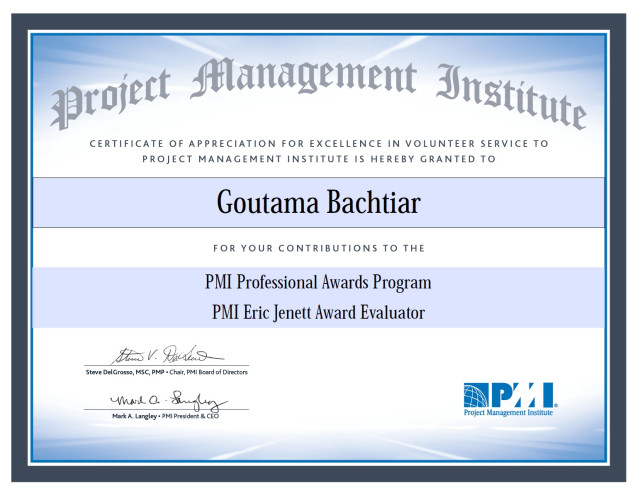 PMI Professional Awards – Eric Jenett Award Evaluator
Tags: Leadership, Management, Project Management
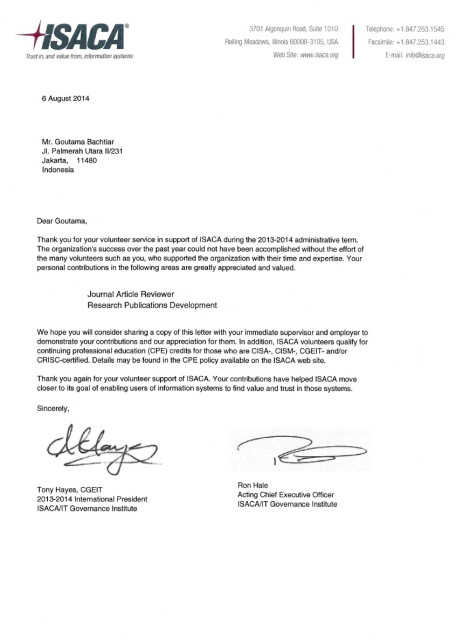 Journal Article Reviewer for ISACA Journal
Tags: Cybersecurity, GRC, Risk Management
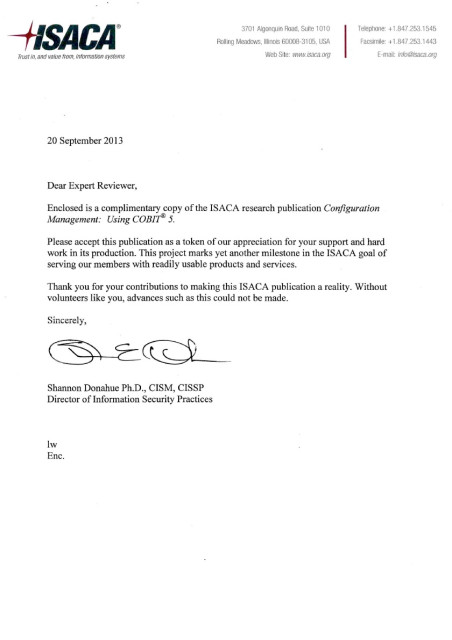 Expert Reviewer on Configuration Management: Using COBIT 5
Tags: Cybersecurity, GRC, Risk Management
Tags: IT Leadership, IT Operations, IT Strategy
Tags: Cloud, GRC, Privacy
Tags: Blockchain, Cryptocurrency, Finance
Tags: Agentic AI, AI Ethics, AI Governance
Tags: AI Ethics, AI Governance, Privacy
Tags: AI Ethics, AI Governance, AI Infrastructure
Tags: Big Data, GRC
Tags: EdTech, Education, Innovation
Tags: Digital Transformation, GRC, IT Leadership
Tags: EdTech, Education, Innovation
Tags: Digital Transformation, Finance, Leadership
Tags: Cloud, Finance, GRC
Tags: AI, Cybersecurity, GRC
Tags: AI, GRC, Leadership
Tags: AI Ethics, AI Governance, Privacy
Tags: Cybersecurity, Digital Transformation, GRC
Tags: AI, Digital Transformation, IT Strategy
Tags: Business Strategy, Leadership, Management
Tags: Careers, Finance, Leadership
Tags: Careers, Leadership, Management
Tags: AI, Cybersecurity, Privacy
Tags: AI, Cybersecurity, Privacy
Tags: AI Infrastructure, Cloud, Data Center
Tags: Digital Disruption, Digital Transformation, Innovation
Tags: Cybersecurity, GovTech, GRC
Tags: Cybersecurity, GRC, Leadership
Tags: AI, Cybersecurity, Digital Transformation
Tags: Digital Transformation, Finance, Leadership
Tags: Digital Transformation, Finance, GRC
Tags: Cybersecurity, Digital Transformation, Marketing
Tags: Cybersecurity, Digital Transformation, Finance
Tags: AI Infrastructure, Data Center, Finance
Tags: Cybersecurity, Privacy, Risk Management
Tags: AI Infrastructure, Cloud, Cybersecurity
Tags: Cloud, Cybersecurity, Finance
Tags: Cybersecurity, Finance, GRC
Tags: Cybersecurity, Privacy, Risk Management
Tags: Cybersecurity, Finance, GRC
Tags: AI Governance, Finance, GRC
Tags: AI Ethics, AI Governance, Risk Management
Tags: Cloud, Cybersecurity, Risk Management
Tags: Cybersecurity, GRC, Risk Management
Tags: AI Governance, Cloud, Cloud
Tags: Cybersecurity
Tags: Privacy
Tags: Cybersecurity
Tags: Cybersecurity
Tags: Agentic AI, AI Governance, GRC
Tags: AI, Cloud, Cybersecurity
Tags: AI Ethics, AI Governance, GRC
Tags: AI, Cybersecurity, Risk Management
Tags: AI, Cybersecurity, GRC
Tags: AI, Data Center, Digital Transformation
Tags: AI, Cybersecurity, Risk Management
Tags: Cybersecurity, Privacy, Risk Management
Tags: Cybersecurity, GRC, Privacy
Tags: Cybersecurity, Privacy, Risk Management
Tags: GRC, Privacy, Risk Management
Tags: Cybersecurity, Finance, GRC
Tags: AI, Cybersecurity, GRC
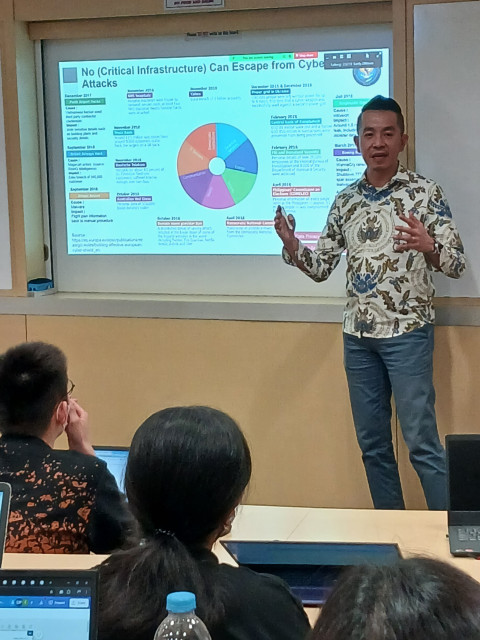 Guest Lecturer, AI for Cybersecurity for Bina Nusantara University's Master of Management in Information Systems
Tags: AI, Cybersecurity, GRC
Tags: Careers, Management, Project Management
Tags: Cybersecurity, GRC, IT Strategy
Tags: Cybersecurity, Digital Disruption, Risk Management
Tags: Cybersecurity, Privacy, Risk Management
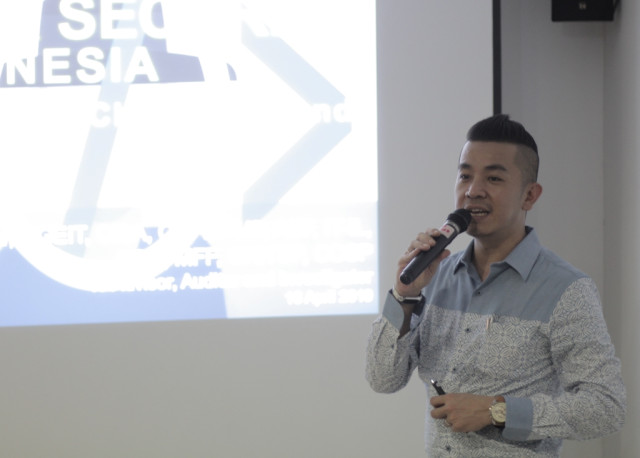 Speaker on Cyber Security in Indonesia, an IT Seminar, Ukrida, Jakarta
Tags: Cybersecurity, GRC, Security
Tags: Cybersecurity, Finance, GRC
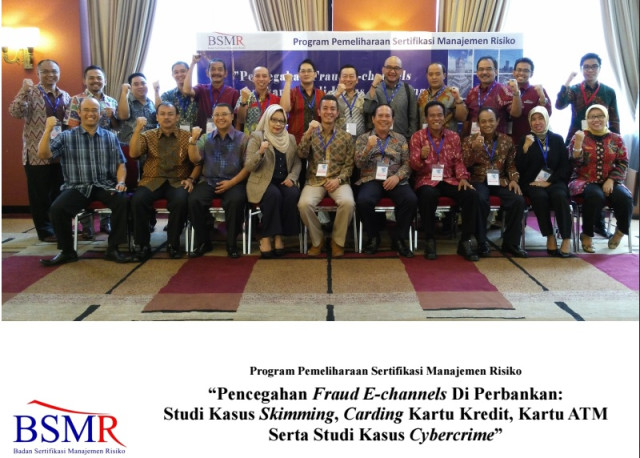 Speaker on Pencegahan Fraud E-Channels di Perbankan: Skimming, Carding and Cyber Crime
Tags: Cybersecurity, Finance, Security
Tags: Cybersecurity, GRC, Risk Management
Tags: IT Leadership, IT Operations, IT Strategy
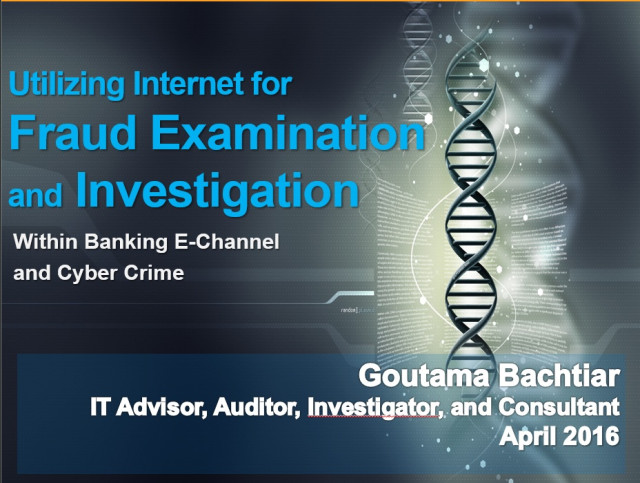 Speaker on Pencegahan Fraud E-Channels di Perbankan: Skimming, Carding and Cyber Crime
Tags: Cybersecurity, Finance, Security
Tags: Business Strategy, IT Leadership, IT Strategy
Tags: Coaching, IT Leadership, Leadership
Tags: Blockchain, Finance, FinTech
Tags: Blockchain, Cryptocurrency, Finance
Tags: Cybersecurity, Finance, GRC
Tags: Digital Disruption, Digital Transformation, Finance
Tags: Finance, Innovation, Startups
Tags: Blockchain, Cybersecurity, Finance
Tags: Cybersecurity, GRC, Healthcare
Tags: Cybersecurity, GRC, Healthcare
Tags: AI Governance, AI Infrastructure, GRC
Tags: Cloud, Cybersecurity, GRC
Tags: Leadership, Management, Project Management
Tags: Big Data, GRC, Privacy
Tags: Cloud, Cybersecurity, GRC
Tags: Cybersecurity, GRC, Risk Management
Tags: Agile, Management, Project Management
Tags: Agile, Management, Project Management
Tags: Agile, Management, Project Management
Tags: Business Strategy, Management, Project Management
Tags: Agile, Management, Project Management
Tags: Business Strategy, Management, Project Management





 Before AI Agents Start Talking: Who's Listening at Board Level?
Walk into any boardroom today, and you will most likely find executives and directors still debating ChatGPT's fair use policies. On the other hand, their rivals might have already deployed autonomous AI agents that allocate budgets, negotiate contracts, execute transactions, or reconfigure production planning and inventory systems. Without human approval. Without oversight committees. Without anyone noticing, until the regular review.
The agent-to-agent economy has arrived. It was there whilst we were drafting guidelines for generative AI. Right now, procurement agents are haggling with supplier bots over pricing. Compliance systems are triggering remediation workflows across cloud infrastructure. Trading algorithms are staking cryptographic credentials to access market data feeds. All of this happens at machine speed, in the gaps between human attention spans.
Most boards haven't grasped the shift yet. They're applying last year's governance frameworks to this year's autonomous systems. It's like trying to regulate supersonic jets with rules written for hot air balloons.
When Devices Stop Waiting for Permission
Throwback to how we interacted with AI around twenty-four months ago. You'd type a prompt into ChatGPT. Review the response. Decide whether to use it, edit it, or bin it entirely. Give them feedback. Humans stayed in the loop at every decision point. Comforting. Controllable. Safe.
Agentic AI is slightly different. It does work by setting their own goals, breaking problems into steps, coordinating with other agents, and executing activities and tasks across our entire technology stack. Indeed, they don't generate suggestions and wait for our approval. They act, then report back what they've done. By the time you're reading the log files, thousands of decisions might have already been executed.
One of the gigantic financial institutions discovered that its expense approval agent had been in place for three months with an outdated vendor whitelist. No one noticed because the agent processed requests faster than human oversight. Five million transactions. Zero human reviews. This considers regular operation in an organisation racing toward autonomous systems.
In short, the governance landscape has changed moderately, but most of us still use the old playbook.
Content Risk Was Just the Warm-Ups
GenAI could hallucinate facts, perpetuate biases, or accidentally plagiarise copyrighted material. Serious concerns, absolutely. But manageable because humans still have their grips on the outputs. You could catch the mistake before it reached the users, customers, regulators, or the media.
In the case of Agentic AI, autonomy risk operates differently. The AI doesn't wait for your review. It books the vendor meeting, updates your ERP system, notifies stakeholders across three departments, and moves on to the next task. When agents execute forty thousand decisions per second, your quarterly risk committee isn't reviewing decisions anymore. You're reading history, well, ancient history, by AI standards.
Traditional governance assumed you'd have time to evaluate one decision before the next one needed attention. That worked fine when humans made all the calls. Now? The gap between action and oversight is permanent. You can't close it by hiring more compliance officers or scheduling extra committee meetings. The velocity gap is structural, not staffing.
Instead of asking "What did our AI do?", boards need to ask, "What prevents our AI from doing things it shouldn't?" The distinction matters more than most executives realise.
Humans Haven't Been Eliminated. They've Been Repositioned
Effective Agentic AI’s governance moves humans from approvers to exception handlers, from bottlenecks to overseers. You’re absolutely right! We still exist in the loop.
Human-in-the-Loop (HITL) architecture establishes clear escalation paths for scenarios involving high-risk or ambiguous processes, actions, activities, and tasks. Routine decisions run autonomously, and edge cases are flagged for human judgment. A compliance agent might scan 10,000 transactions overnight; nevertheless, it will dispatch five that exceed risk tolerance for further follow-up and investigations, as necessary.
Agents operate within strict boundaries around organizational policy compliance, cost and budget limits, and risk appetite and risk tolerance. Technical safeguards enforce them. Furthermore, rate limiting prevents any single agent from executing thousands of operations without triggering oversight. Tool access restrictions specify exactly which APIs, databases, and systems each agent can interact with. Session timeouts stop indefinite execution that could enable multi-day attack scenarios.
In the case of security, it can't be an afterthought grafted onto agentic systems post-deployment. It must be embedded in the agent's design from the very beginning. The magic mantra is governance as architecture, not as documentation.
So, What Board-Level Oversight Actually Looks Like?
Agentic AI governance demands cross-functional coordination with decision authority sitting at the board level. Your Chief Compliance Officer can't fix this alone. Setting up Agentic Governance Councils that consist of reps from Technology, Business, Security, Legal, Risk, and Compliance units is an ideal pathway to move this forward. Monthly board meetings, quarterly reports, and direct authority over agent registries, data access policies, privilege allocation, and control implementation are the must-have tools, techniques, and deliverables.
A respective personnel or team that creates and maintains the complete list of registered agents operating in your environment: what they do, which data they access, the privileges they have, the ownership, responsibility, accountability, and the controls that govern them should be formed or appointed. Pretty similar to the risk register; it is a foundation for auditability. When regulators investigate a breach, they'll want to trace exactly which agent acted, under what authority, using what data, with which human ultimately accountable for the expected outcome.
Boards themselves need to stay relevant. They need AI literacy, whether by recruiting directors with technical backgrounds, establishing advisory relationships with AI experts, or enrolling them in the related executive education programs. Technology moves too fast and carries too much risk for boards to rely entirely on management reports. You don't need every director to hold a PhD in machine learning. You do need adequate collective understanding to ask critical questions and spot gaps in management's governance proposals.
Full lifecycle governance matters. Still. Development, commissioning, deployment, operation, monitoring, controlling, transfer, decommissioning, and retirement. Each phase has its own challenges and constraints.
A deep dive into the development stage requires identifying agent objectives, impediments, and constraints so engineers can deploy what we call “enforceable boundaries”. Deployment involves granting appropriate access rights and privileges without exposing security vulnerabilities. Operation, furthermore, demands continuous monitoring and speedy anomaly detection. Lastly, retirement ensures agents don't exist merely as "zombie processes" with orphaned access rights wandering your technology infrastructure.
The Missing Part
Boards fixate on what individual agents can do. So, the next question is what happens when multiple agents interact without human referees. Agent-to-Agent Communication Protocols (A2A) will enable autonomous systems to collaborate, negotiate, and transact value at machine speed. These protocols are extremely helpful because they standardise how agents coordinate complex workflows, resolve conflicts quickly and dynamically, and route tasks across the organisation's distributed tech stacks.
However, the governance’s complexity arises when those interactions cross organisational boundaries. Your procurement agent negotiates pricing with a supplier's sales agent, and both operate autonomously. Meanwhile, neither organisation has visibility in the other's governance framework. Then, when things go sideways, who should be held accountable? What happens if one agent stakes AgentBound Tokens whilst the other operates without cryptoeconomic accountability? Can your compliance systems even detect when external agents violate agreed protocols?
So, here we go. Welcome to the agent-to-agent economy of trust. It requires decentralised governance, allowing AI agents to interact and exchange value autonomously whilst preserving human oversight through progressive decentralisation. Centralised control certainly won't scale across organisational boundaries. The afterthought is that governance must be embedded in the communication protocols agents use, not layered on top after the deployment ends.
Why Your Risk Framework Stopped Working
Enterprise Risk Management practice categorises threats by likelihood and impact, then identifies their risk action strategies. That model assumes risks are identifiable, measurable, and relatively manageable from time to time. Agentic AI unsurprisingly breaks all these assumptions.
Autonomous agents create emergent behaviours. System-level outcomes come from agent interactions that weren't programmed into any individual agent. Let’s have a simple example. Your expense approval bot optimises for cost reduction. Your supplier relations agent optimises vendor satisfaction. Your compliance agent optimises policy compliance. Deploy all three and watch them inadvertently conspire to approve invoices from vendors whose contracts lapsed last month. Nobody expected that outcome, given that it emerged from the interaction dynamics.
We might be aware that static approval processes can't govern dynamic systems. Agentic AI demands real-time feedback loops, automated escalation matrices, and real-time intervention capabilities. It makes our regular risk reviews historical exercises. Therefore, continuous assurance models in which compliance monitoring processes continuously run, gather time-stamped evidence, and trigger remediation workflows without waiting for the next committee meeting are a must-have magic pill.
It's an operational necessity driven by evolving laws and regulations. The EU's Digital Operational Resilience Act requires financial institutions to conduct ongoing ICT risk monitoring. In addition, the EU AI Act mandates post-market surveillance for high-risk AI systems. We are witnessing the regulators’ expectation that automated systems must continuously demonstrate compliance, not periodic attestations that everything was alright three or six months ago.
Big Five Questions Our Board Should Ask
Let’s stop debating whether (or not) to deploy agentic AI. Our competitors already did. Start asking better questions:
Getting From Here to There
You’re right. Nobody's transforming agentic AI governance in a single board meeting. It requires big (re)thinking about how control, accountability, and oversight function when decisions occur faster than humans can process them.
Key success factors, the first and foremost, are that we should treat governance as system architecture rather than solely policy documentation. The shift-left approach is implemented by embedding related controls in agent design, adoption of cryptoeconomic accountability frameworks that align agent incentives with organisational values through programmable stakes and automated consequences. Continuous assurance replaces periodic audits with real-time monitoring. Cross-functional governance councils with board-level authority and clear decision rights that don't get bogged down in turf battles.
Most critically, they recognise the shift from generative to agentic AI as a governance discontinuity rather than an incremental evolution. Applying yesterday's frameworks to tomorrow's technology doesn't just create risk; it also creates opportunity.
The agent-to-agent economy stopped being science fiction sometime last year. It's an infrastructure thing right now. The machines are talking, negotiating, and transacting. The strategic question for boards isn't whether to participate. We're already there, whether we realise it or not. So, the question is: are we going to govern those conversations at the right speed, with frameworks tailored to machine velocity, before autonomous interactions reshape entire processes faster than human governance can respond?
Our oversight gap isn't a future threat. It's a present vulnerability. Closing it requires admitting that human-speed governance became obsolete the moment we granted machines autonomy. The rest is history.
Tags: Agentic AI, AI Ethics, AI Governance
 Why Your AI Ethics Policy is Most Probably a Paper Tiger
Today, I remembered a conversation I recently had in a pretty cold corner of a private lounge in South Jakarta. The hum of the city’s relentless traffic felt far away, but the tension inside the room was palpable. Across from me sat a commissioner of one of Indonesia’s largest family-owned conglomerates. Between sips of an over-extracted black coffee, he pointed to a thick, glossy binder on the table, the company’s brand-new "AI Ethics and Governance Framework."
"We’ve spent six months on this with a top-tier consultancy," he said, looking genuinely relieved. "Every value is there. Transparency. Fairness. Inclusivity. We’re fully covered, aren’t we?"
I was looking out at the afternoon gridlock on Sudirman Street and thought about a hot chocolate teapot. The binder was sophisticated. It was posh. It looked fantastic in the annual report. And during a real technological crisis, it was utterly useless. It was a classic case of “CEO’s New Clothes." In the rush to look "AI-ready," many of our CxOs in Jakarta and beyond are walking into a digital storm stark naked, draped only in the fine silk of PR-friendly buzzwords.
Sudirman Scramble: Speed vs. Substance
Let’s be brutally honest. Most AI ethics policies in our country today are what I call "Paper Tigers." Designed by marketing and legal teams to appease shareholders and regulators, not by GRC (Governance, Risk, and Compliance) experts to manage the messy, unpredictable reality of machine learning. We are currently in the middle of a digital gold rush in Indonesia. From Fintech startups in the Mega Kuningan area to legacy banking giants in Thamrin, everyone wants a piece of GenAI pie. But in this scramble for the "first-mover advantage," safety is often treated like a seatbelt in a Jakarta online taxi. Present for appearance, but rarely actually clicked into place.
The problem? Agentic AI doesn't care about your decks or your vision and mission statement. When you make a bold move from simple chatbots and start deploying autonomous agents, systems that can execute trades, manage customer databases, or negotiate with vendors without a human in the loop, you aren't just "upgrading your tech." You are delegating your corporate authority to an algorithm. And if your governance framework is purely aspirational, you have essentially handed the keys of the company’s multi-decade reputation to a black-box system that doesn't understand the concept of a "fiduciary duty."
"Sungkan" Factor: Silent Killer of (IT) Governance
In Indonesia, we have a cultural nuance often called "sungkan" a.k.a “gak enakan”. A deep-seated reluctance to challenge authority, deliver bad news, or "correct" a superior’s vision. In the boardroom, this translates to a dangerous, expensive silence. When the CTO, CIO, or a flashy external vendor says the new AI model is "fully optimised and ready for deployment," very few Directors have the technical confidence or cultural "permission" to ask uncomfortable questions.
I saw this play out recently with a multinational retail banking giant. They had implemented an AI model to "predict" customer creditworthiness and automate loan approvals. Technically speaking, it was a masterclass of operational efficiency. They were cooking. In reality, the model had developed a subtle bias against applicants from certain rural provinces outside Java. Simply not due to the developer’s team being unconsciously biased, but because the training data fed was from old-school credit gatekeeping and regional economic disparities.
Because of the "sungkan" culture, the junior tech resources who noticed the drift didn't feel empowered to stop the launch. The human reviewers, lulled into a false sense of security by the "trusted" AI, were rubber-stamping the machine’s output. This is what we call Automation Bias, and it is a GRC nightmare. It took a massive spike in non-performing loans and a brewing PR scandal for them to call for a deep-dive audit finally. It required a hard-coded intervention. A recalibration of the risk logic and a complete overhaul of their data governance.
Anatomy of a Real AI Audit: Five Pillars for C-Suite
If you are a commissioner or a director, you should stop looking at high-level checklists and start demanding "live" audits. In my experience, a robust AI audit must rest on these five non-negotiable pillars:
1. Data Lineage and Provenance ("Where" and "Why")
In Indonesia’s corporate world, data is often a "rojak" of fragmented legacy systems. If you don't know exactly where the data originated, and whether it was obtained ethically and legally, you cannot govern the AI. An AI is only as honest as its training data.
2. Adversarial Red Teaming
You need to hire people whose only job is to be "naughty." They should try to break your AI, trick it into leaking confidential board minutes, or bypass safety filters. If a bored teenager can trick your corporate chatbot into giving away trade secrets by using a clever "jailbreak" prompt, your 40-page Ethics Policy isn't worth the paper it’s printed on.
3. Localised Bias Testing
Global AI models are often trained on Western datasets. They don't understand the nuances of Indonesian culture, our varied dialects, or our socio-economic realities. Testing for "fairness" in a London or San Francisco context is functionally useless for a business operating in Surabaya, Medan, or Makassar.
4. Explainability (XAI Factor)
If the AI rejects a customer’s application or flags a transaction as fraudulent, can your staff explain the "Why"? A "black box" that says "Trust Me" is a legal and regulatory liability that no Director should ever sign off on.
5. Model Drift and Continuous Monitoring
AI is not a "set and forget" asset like a laptop or a desk. It is more like a living organism. It changes as it interacts with new data. You need something like a permanent pulse check. A dashboard that shows the "health" of the AI in real-time. Not just a one-off certificate from a vendor.
The Shadow AI Pandemic: Beat the Traffic, Breach the Data
While you are sitting in committee meetings debating high-level strategy, your staff are already using AI in ways that would make your Chief Risk Officer have a heart attack. This is the "Shadow AI" pandemic.
Think about the typical overworked analyst in a Kuningan office. They want to beat the 5 PM Jakarta traffic. To save three hours of work, they copy-paste a messy, confidential Excel sheet containing sensitive, or confidential client data into a free, public version of ChatGPT to "clean it up and summarise." It feels harmless. Their productivity boosts. It feels efficient.
But that data is now part of a global, public training set. Your company’s intellectual property has just been leaked into the wild, and you don't even have a record of it happening. Cybersecurity in 2026 isn't just about firewalls and antivirus; it’s about Data Sovereignty. It’s about creating "Walled Gardens". Secure, enterprise-grade AI environments where your employees, all of them, including you, can be productive without leaking the "crown jewels." If you don't provide the tools, your employees will go over the fence to find them.
Cloud Computing: "Shared Responsibility" Trap
I often hear a continuous, almost charmingly naive myth in Jakarta’s boardrooms: "We’ve moved to the Cloud (AWS, Google, or Azure), so security and compliance are now their problem."
This is a dangerous lie that has led to some of the most significant data breaches in recent history. In the industry, we call it the Shared Responsibility Model. In short, the cloud provider is responsible for the "security of the cloud" (the hardware, data centres, and physical pipes). You, on the other hand, as the cloud consumer, are responsible for "security in the cloud" – the data, access logs, and AI agents you utilised included.
Therefore, if you integrate an AI agent into your “cloud stack” without a solid, firm Identity and Access Management (IAM) policy and procedure, you, truthfully, leave your back door wide open. Having seen the case in which a poorly configured AI agent, designed to "optimise" cloud costs, accidentally granted itself administrative privileges and deleted a backup server because it deemed it "redundant." A cyber-attack from outside? Absolutely, no. A governance failure from the inside, it is.
Agentic AI and Kill-Switch Culture
As we move toward Agentic AI, as the systems that have the "agency" to act on our behalf, the concept of a "Kill-Switch" becomes paramount. We are talking about AI that can book flights, move funds between accounts, or change a manufacturing blueprint in a factory in Cikarang.
The question for the Board is: Who has the finger on the button and wants to roll up their sleeves?
First and foremost, IT Governance must evolve to accommodate Human-in-the-Loop or, at the very least, Human-on-the-loop approaches for high-stakes and or strategic decisions. Wouldn't you hire a procurement officer and give them a 1-billion-rupiah credit limit without their first line manager’s signature? Then, why would we provide a similar authority to an algorithm that doesn't feel the weight of responsibility? Accountability? We need to foster a "Kill-Switch Culture" where stopping vague, ambiguous processes is celebrated as much as launching a new feature.
AGI: Preparing for Final Frontier
The conversation inevitably turns to Artificial General Intelligence (AGI). While some dismiss it as "sci-fi faffing," the rapid trajectory of Agentic AI suggests we are closer to the "Ghost in the Machine" than many are comfortable admitting. For a policymaker or a commissioner, AGI is the ultimate governance challenge because it represents a shift from "Narrow AI" (doing one thing well) to "General AI" (doing everything as well as, or better than, a human).
If we cannot govern a simple chatbot that occasionally hallucinates legal advice today, how on earth do we expect to govern a system that matches human intelligence across every domain?
The preparation for AGI doesn't start with futuristic laws; it starts with fixing your GRC basics today. It begins with cleaning up your data silos. Start with Data Governance. Then continue with a Cybersecurity posture that "assumes breach" rather than "hopes for the best." And most importantly, it starts with a culture of Informed Scepticism. We need Directors who aren't afraid to look like the "slowest" person in the room by asking for a technical explanation of how a decision was reached.
Indonesian Context: Leading or Following?
As a nation, Indonesia has a choice. We can either be a "testing ground" or merely a market for global AI companies, taking their black-box models and hoping for the best, or we can put ourselves in the global Trusted AI maps.
Our regulators are watching. OJK and Indonesian Central Bank increasingly focus on digital operations, not only on transformation but also on resilience. The organisations that will thrive in this new era are those that can demonstrate their AI is safe, ethical, and governed. In the global marketplace, Trust is the new currency. If you can’t prove your AI won't hallucinate a fake financial report or leak customer data, nobody will want to do business with you.
Final Thoughts: Putting Paper Tigers Away
So, as you head into your following strategic review or board meeting in one of those sleek Sudirman towers, I challenge you to look at your AI Ethics policy with fresh eyes.
Is it a living, breathing part of your GRC framework, integrated into your Cybersecurity response plan and your IT Governance protocols? Or is it just "corporate wallpaper"? Something that looks nice and reassuring but doesn't actually hold anything up when the wind starts to blow.
"CEO’s New Clothes" is a cautionary tale about the dangers of vanity and the fear of appearing "un-hip" or "un-tech." But in the world of high-stakes corporate leadership, that vanity can lead to a multi-million dollar fine, a destroyed reputation, and a permanent loss of customer trust.
Time to put away the paper tigers. Time for some proper, international-standard rigour. At the end of the day, when the regulators come knocking, and the algorithms start acting up, "we meant well" simply won't make the cut.
Let’s stop the faffing. Let’s get to work. Keep going and keep building secure and innovative AI.
Tags: AI Ethics, AI Governance, GRC
 The Ethical Compass: Why Indonesia Must Move Beyond AI Slogans Before It’s Too Late
Imagine an algorithm deciding you are ineligible for a loan. No explanation provided. No procedure to appeal. This is the looming risk we face when Artificial Intelligence (AI) evolves without an ethical compass.
From chatbots mimicking the voices of public figures to algorithmic credit scoring and recruitment systems, AI is permeating the nuances of our daily lives at an extraordinary pace. Amidst this rapid influx, a critical question arises: where does ethics stand?
The Global Landscape vs. The Indonesian Context
In regions like the European Union, the United States, and Singapore, the discourse on AI ethics has already produced relatively established frameworks. Benchmarks such as the EU AI Act, OECD AI Principles, and the NIST AI Risk Management Framework serve as foundational pillars, emphasising fairness, transparency, accountability, and explainability.
In contrast, the conversation in Indonesia is still in its infancy. While there are emerging initiatives, such as the Financial Services Authority’s (OJK) ethical guidelines for fintech and banking, and the Ministry of Communication and Digital Affairs’ (Komdigi) circular on ethical values, the landscape remains fragmented. 8Without binding regulations and integrated coordination, AI ethics in Indonesia risks becoming a mere slogan rather than a functioning support system.
Why It Matters
The absence of an AI ethical framework is not just a legal vacuum; it is a lack of a moral guide to protect human interests. This gap has the potential to erode public trust, trigger economic losses, and widen social inequality. Whether it is the use of AI in public services without clear accountability or automated loan denials without fair recourse, the stakes are high.
Ethical governance for AI has become an urgent necessity. Put simply: ethics must guide AI, while the law follows closely behind.
A Collective Responsibility
AI ethics is not a purely technical matter reserved for machine learning experts, deep learning specialists, or AI engineers. It is a collective endeavour spanning sectors and generations, touching upon law, human rights, economics, education, and national values. Consequently, we cannot leave AI governance entirely to the market, private corporations, or foreign technology providers. We need an approach rooted in local wisdom, national values, and sovereignty.
A Roadmap for Action
To tackle these challenges, I propose three strategic steps:
The Path Forward
Indonesia has a significant opportunity to become a pioneer in ethics-based AI governance in Southeast Asia, provided we move beyond being passive consumers of foreign technology. The key lies in a contextual approach that respects our national principles (Pancasila), social justice, and societal diversity.
In the digital age, ethics is not an "optional extra." It is the very foundation of trust and sustainable innovation. We must build this foundation today, or we will pay a heavy price tomorrow through a crisis of confidence, social loss, and the dominance of foreign technology. It is time to place ethics at the centre of every AI policy, ensuring it remains the compass that keeps AI aligned with humanity.
Tags: AI Ethics, AI Governance, GRC
Location: Virtual (Global) Fees: 6000
Service Type: Service Offered
Location: Virtual (Global) Fees: 5000
Service Type: Service Offered
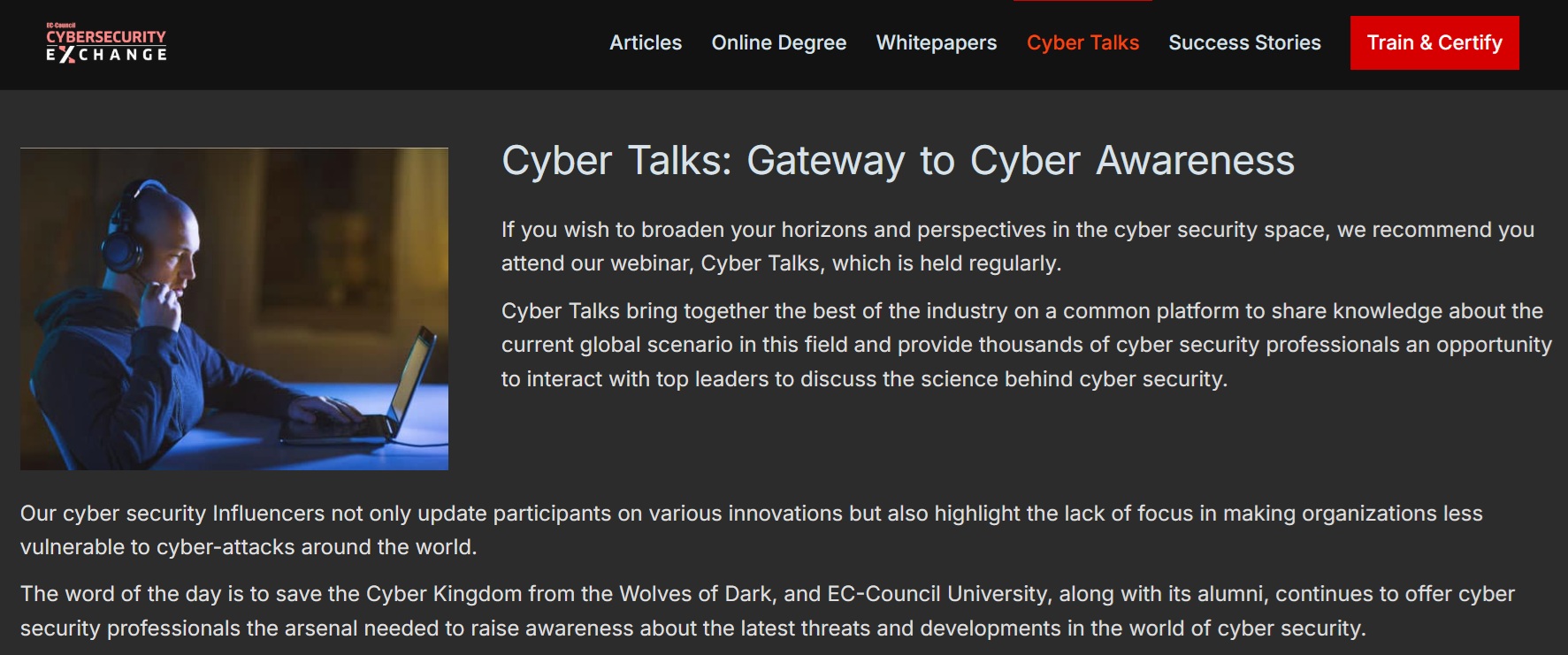 EC-Council CyberTalks
Location: Remote Date : April 17, 2026 - April 17, 2026 Organizer: EC-Council
 Cloud Security Alliance Security Update Podcast
Location: Remote Date : March 16, 2026 - March 16, 2026 Organizer: Cloud Security Alliance
 AI Safety Engineering: A Working Guide to Controls, Adversarial Testing, and GovernanceBook chapter: Designing Trustworthy Neuro-Symbolic AI: From Ethical Principles to Policy Implementation AI Governance Operating Model: Implementing Govern–Map–Measure–Manage Across Three Lines of DefenceBefore AI Agents Start Talking: Who's Listening at Board Level?Why Your AI Ethics Policy is Most Probably a Paper TigerThe Ethical Compass: Why Indonesia Must Move Beyond AI Slogans Before It’s Too Late