May14

The concept of the "superior man" in the ancient text of the I Ching forms a foundational cornerstone for understanding the behaviors and results described in "Awakening the Power Within." The I Ching, or Book of Changes, a profound philosophical document from ancient China, outlines the superior man not in terms of dominion or external achievement, but through virtues of wisdom, ethical conduct, and self-cultivation.
This ideal emphasizes continuous self-improvement, harmony with the cosmos, and a deep responsiveness to the changing realities of life. The superior man is depicted as someone who embodies moral integrity and intellectual insight, always striving to act in accordance with the greater good and the higher laws of nature.
These timeless principles are mirrored in the behaviors such as self-discovery, vulnerability, compassion, and purposeful living, fostering a life that not only seeks personal growth but also contributes positively to the well-being of others and society at large.
The meanderings and teachings in "Awakening the Power Within" present a profound and holistic view of what it means to be a "superior" person, transcending traditional notions of superiority to focus on inner mastery, wisdom, and the integration of diverse aspects of self. This superior person, according to the text, embodies the following behaviors and results:
Behaviors:
Results:
These behaviors and results are not only indicative of a superior person's character but also serve as a guide for anyone seeking to lead a more fulfilled and impactful life, harmonizing personal development with social responsibility.
By Zen Benefiel
Keywords: Culture, Leadership, Personal Branding
 "The AI may in fact be conscious." Really?
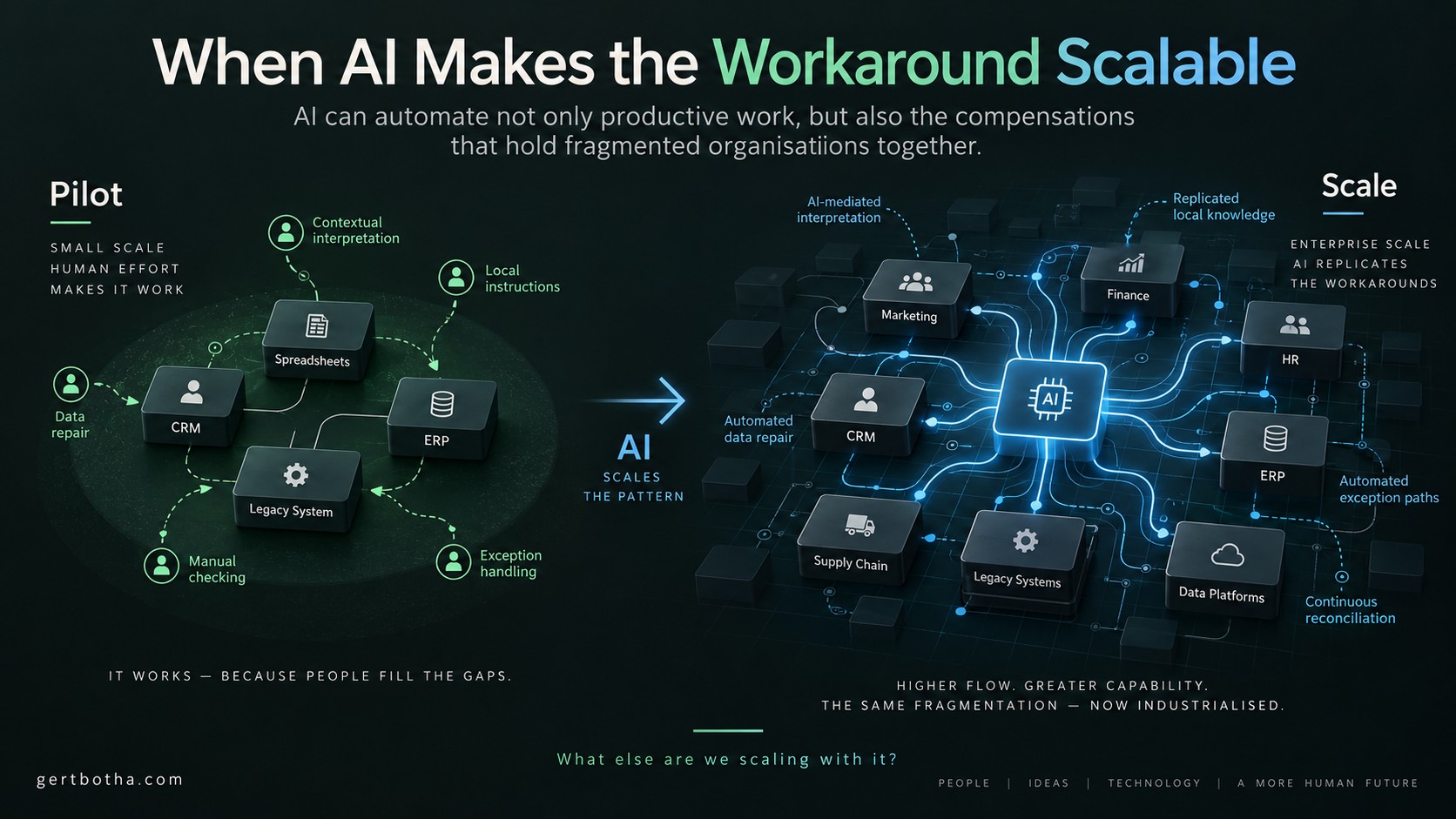 When AI Makes the Workaround Scalable
 The Age of Continuous Shocks: Why the coming downturn will be decided in your supply chain
 Friday’s Leader Reflection Quote – Saeculum Leadership Leaders Accept Decisions Create Responsibilities
 The Corix Partners Friday Reading List - October 9, 2026