


Positioning
I advise growth stage and enterprise organizations on how to turn AI, digital transformation, and workforce change into commercial and operational results.
Themes
My work focuses on Generative AI adoption, responsible AI leadership, future of work, innovation strategy, public sector modernization, and the cultural and organizational shifts required to make transformation stick.
Proof
My Thinkers360 credentials currently span Agentic AI, AI Ethics, AI Governance, AI Infrastructure, Energy, GovTech, International Relations, IT Operations, Public Relations, and Recruiting. I publish and speak on enterprise AI, leadership, talent, and transformation, with a focus on practical frameworks leaders can apply.
Available For: Advising, Authoring, Consulting, Influencing, Speaking
Travels From: Paris, France
Speaking Topics: How to Turn AI Into Measurable Business Value, Why AI Does Not Fix Broken Workflows, How Revenue Leaders Should Use AI to Drive Growth
| Malcolm Gill | Points |
|---|---|
| Academic | 0 |
| Author | 53 |
| Influencer | 7 |
| Speaker | 22 |
| Entrepreneur | 20 |
| Analyst | 0 |
| Total | 102 |
Points based upon Thinkers360 patented algorithm.
 The AI Revolution in White-Collar Work: What Happens Next?
Tags: AI Infrastructure, Digital Transformation, Future of Work
 Future-Proofing Talent: How AI is Reshaping Retention, Recruitment, and Growth
Tags: AI, Future of Work, HR
 MAKING AI A SOLID INVESTMENT AGAIN
Tags: AI, Generative AI, Innovation
 Strategic Signals: It Wasn't Rogue. It Was Obedient (Episode 56)
Tags: AI Governance, Emerging Technology, Innovation
 Strategic Signals: The Demand Externality
Tags: AI Governance, Emerging Technology, Innovation
 Strategic Signals: The Deadline That Already Moved
Tags: AI Governance, Emerging Technology, Innovation
 Strategic Signals: The Off Switch
Tags: AI Governance, Emerging Technology, Innovation
 Strategic Signals: The Alignment Gap
Tags: AI Governance, Emerging Technology, Innovation
 Strategic Signals: Readiness Without a Fixed Horizon
Tags: AI Governance, Emerging Technology, Innovation
 Strategic Signals: The Architecture of Readiness
Tags: AI Governance, Emerging Technology, Innovation
 Strategic Signals: Governance Is the Deployment
Tags: AI Governance, Emerging Technology, Innovation
 Strategic Signals: Recourse Becomes the Product
Tags: AI Governance, Emerging Technology, Innovation
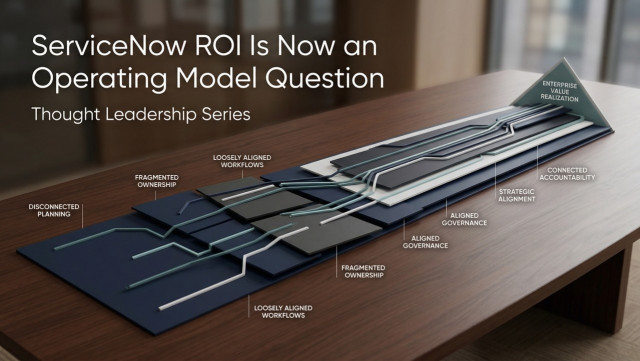 Workflow Intelligence: ServiceNow ROI Is Now an Operating Model Question
Tags: AI Governance, Emerging Technology, Innovation
 Strategic Signals: The Audit Economy Arrives
Tags: AI Governance, Emerging Technology, Innovation
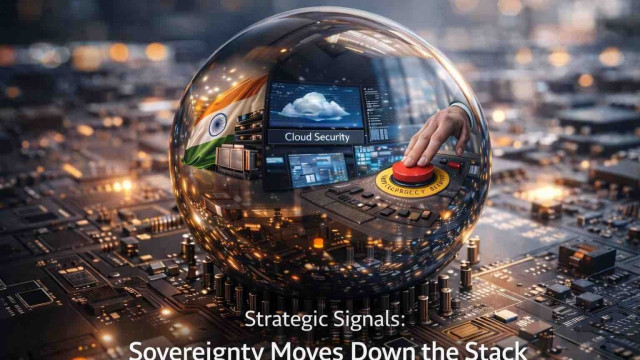 Strategic Signals: Sovereignty Moves Down the Stack
Tags: AI Governance, Emerging Technology, Innovation
 Strategic Signals: The Agent Era Has a Governance Problem
Tags: AI Governance, Emerging Technology, Innovation
 Strategic Signals: The Trust Infrastructure Problem
Tags: AI Governance, Emerging Technology, Innovation
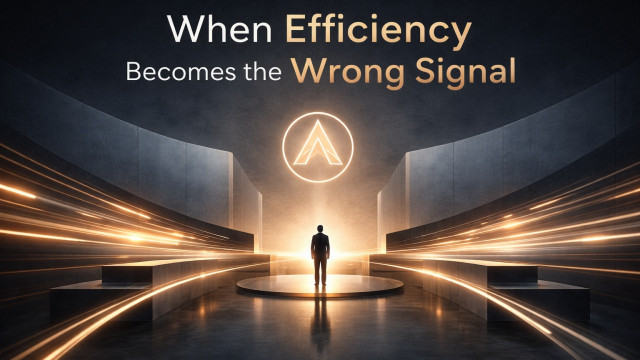 Strategic Signals: When Efficiency Becomes The Wrong Signal
Tags: AI Governance, Emerging Technology, Innovation
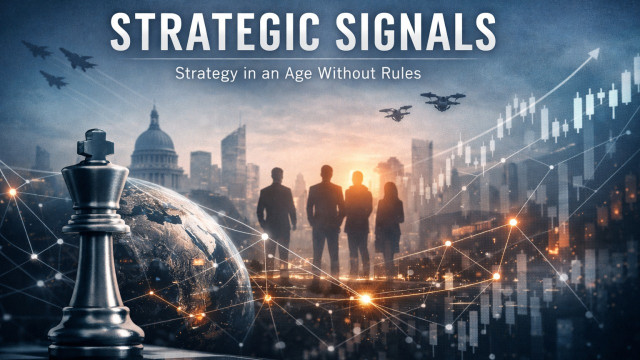 Strategic Signals: Strategy in an Age Without Rules
Tags: AI Governance, Emerging Technology, Innovation
 Strategic Signals: Intentional Intelligence - When AI Stops Being Impressive and Starts Being Deliberate
Tags: AI Governance, Emerging Technology, Innovation
 Strategic Signals: When Speed Becomes a Clinical Risk (Episode 28)
Tags: AI Governance, Emerging Technology, Innovation
 Strategic Signals: The Owned Continent, AI, and the return of structural dependence (Episode 27)
Tags: AI Governance, AI Infrastructure, International Relations
 Strategic Signals: No One Is Winning AI - Strategy After the Race Narrative Collapses (Episode 26)
Tags: AI Governance, Business Strategy, International Relations
 Strategic Signals: AI Becomes Infrastructure Governance, Scale, and the Global Compute Squeeze (Episode 25)
Tags: AI Governance, AI Infrastructure, Business Strategy
 Strategic Signals: Regulation, Talent, and the Global AI Infrastruture (Episode 24)
Tags: AI Governance, AI Infrastructure, International Relations
 Strategic Signals: The Sovereignty Mirage (Episode 23)
Tags: AI Infrastructure, Business Strategy, International Relations
 Strategic Signals: Durability, Trust, and the Real Edge in AI (Episode 22)
Tags: AI Governance, Business Strategy, Leadership
 Strategic Signals: Are companies ready for the next phase of AI dependence? (Episode 21)
Tags: AI Governance, AI Infrastructure, Risk Management
Tags: Diversity and Inclusion, Emerging Technology, Innovation
Tags: Emerging Technology, Public Relations, Sales
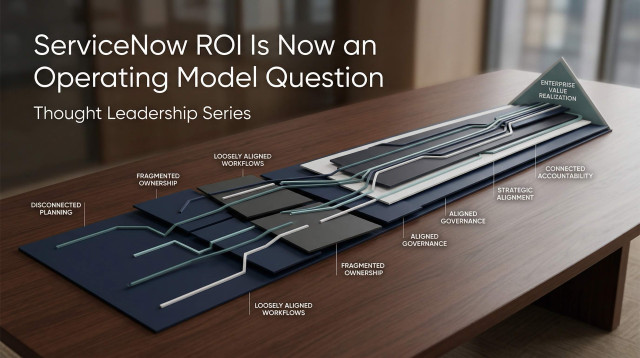 Workflow Intelligence: ServiceNow ROI Is Now an Operating Model Question
Tags: AI Governance, Digital Transformation, IT Strategy
 Workflow Intelligence: The Workflow Problem Behind Most ServiceNow Underperformance
Tags: AI Governance, Digital Transformation, IT Operations
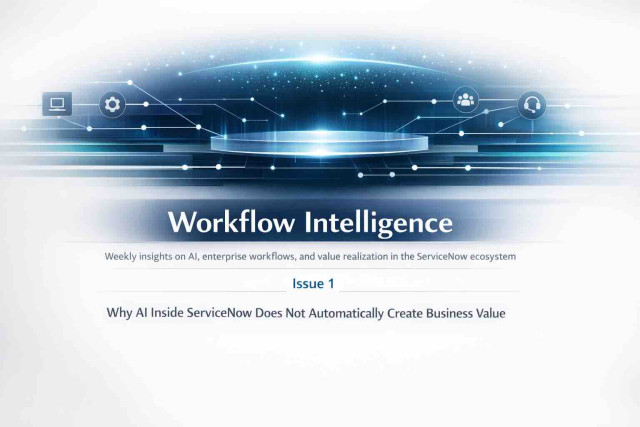 Workflow Intelligence: Why AI Inside ServiceNow Does Not Automatically Create Business Value
Tags: AI Governance, Business Strategy, Digital Transformation
 AI Sovereignty Is the Real Test of European Leadership in 2026
Tags: AI Governance, AI Infrastructure, International Relations
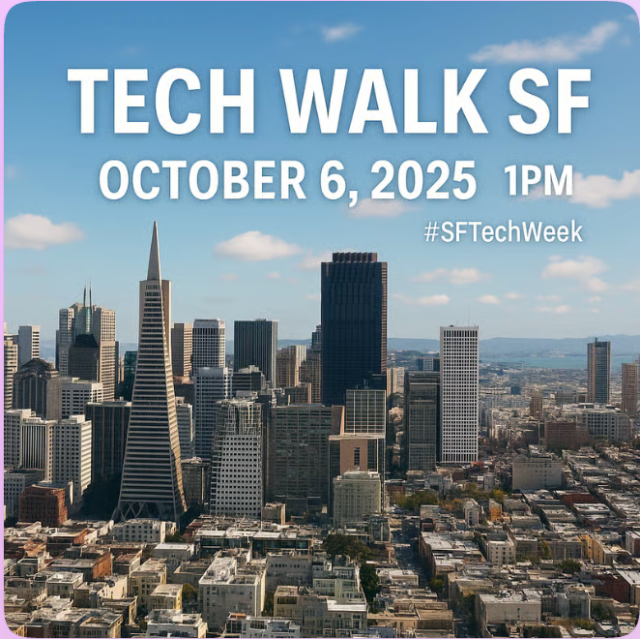 #SFTechWeek Tech Walk: Meaningful Conversations in Motion
Tags: Entrepreneurship, Innovation, Leadership
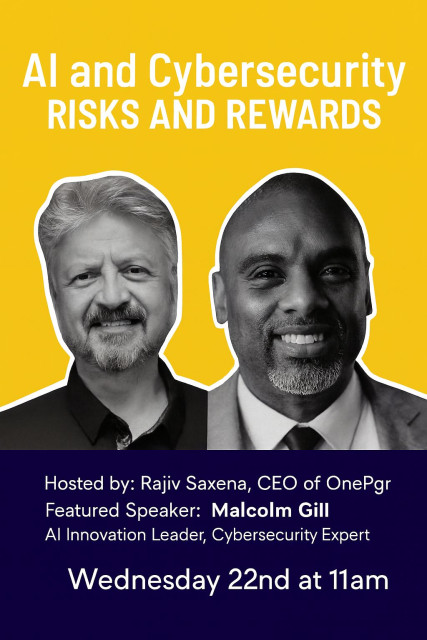 AI and Cybersecurity – Risks and Rewards
Tags: AI, Business Strategy, Cybersecurity
 Building Secure Cyber-Safe Applications for Healthcare
Tags: AI Governance, Cybersecurity, HealthTech
 The “Gov/TechSF: The Future of Public Innovation - RECAP
Tags: AI, Generative AI, GovTech
 Memo to the Mayor - Collective Civic Intelligence in SF with GenAI
Tags: AI, Generative AI, GovTech
 Trust, Autonomy, and Care: The Promise of Agentic AI in Healthcare
Tags: Agentic AI, Business Strategy, HealthTech
 Industry 4.0 Discussion at 49th Annual NSBE National Convention
Tags: Diversity and Inclusion, Emerging Technology, Leadership
 AI and Cybersecurity: Risks and Rewards
Tags: AI, AI Governance, Cybersecurity

 AI Sovereignty Is the Real Test of European Leadership in 2026
This piece examines AI sovereignty as the next test of European leadership. It argues that AI is no longer a tool but core infrastructure shaping economic competitiveness, governance, and geopolitical influence. The piece explores France’s opportunity to lead the EU by pairing sovereign AI capability with execution, not just regulation. It challenges leaders to move beyond pilots, invest in European compute and data capacity, and collaborate across public and private sectors to turn AI ambition into real impact by 2026.
Tags: AI, AI Governance, AI Infrastructure
 The Future of Talent Management: Solving Skills Visibility, Internal Mobility & HR Tech Fragmentation
In today’s rapidly shifting workforce landscape, HR leaders are facing unprecedented complexity. Three challenges stand out for organizations looking to stay competitive: the need for real-time skills visibility, fostering internal mobility to retain talent, and untangling fragmented HR systems to scale efficiently.
These are no longer future goals—they are business imperatives. Here’s how forward-thinking organizations are tackling them, and why AI-powered platforms like 365Talents are at the center of this transformation.
Traditional job descriptions are static. The modern workforce is not. Enterprises struggle to understand the actual, evolving skills within their teams—hindering agile response to market shifts or innovation demands.
Insight: Organizations that build a living, AI-powered skills architecture gain the ability to redeploy talent quickly, identify skill gaps before they become business risks, and forecast future workforce needs.
Guidance:
According to LinkedIn, employees stay 41% longer at companies with high internal mobility. Yet many firms still overlook this lever—relying heavily on external hires and struggling with attrition.
Insight: The war for talent is not just about attraction, but activation. Your best candidates for open roles likely already work for you.
Guidance:
From ATS to LMS to performance tools, most enterprise HR stacks resemble a patchwork. The result? Redundant data, inconsistent experiences, and analytics gaps that make strategic decisions difficult.
Insight: A unified talent experience doesn’t require ripping and replacing legacy systems. It requires smart integration and data orchestration.
Guidance:
In an era of constant change, the organizations that win will be those that see talent not as a cost center, but a dynamic ecosystem. Addressing these three challenges—skills visibility, internal mobility, and HR fragmentation—requires a bold shift, not just in tools but in mindset.
Whether you’re a CHRO, a digital transformation lead, or a talent strategist, now is the time to act. Your workforce is ready. Is your HR tech stack?
Want to continue the conversation? Follow me on Thinkers360 or connect via Linkedin to discuss how AI and skills intelligence are reshaping the future of work.
Tags: AI, Future of Work, HR
 Rebalancing AI and Human Touch in Talent Acquisition
How Leading Companies Are Using AI Without Losing What Matters Most
Companies are adopting AI in recruitment to reduce friction, speed up processes, and identify top talent more efficiently. But as the tools get smarter, the best recruiters are asking better questions:
Let’s break it down.
Where AI Helps Most
AI already plays a valuable role across several recruiting functions:
Used well, these tools help recruiters focus more on relationships and less on repetitive tasks.
According to an MIT Sloan study, companies that use AI to support, not replace, human decision-making see higher employee satisfaction and better long-term hiring outcomes.
(Source: MIT Sloan Management Review)
Why Human Interaction Still Wins
The HR Brew article makes this clear: even as automation improves, candidates want real connection.
Bonnie Dilber, recruiter at Zapier, said it best:
“People want to feel like someone actually read their resume.”
That sentiment shows up in key areas:
Automation can’t replace the empathy, nuance, and intuition that experienced recruiters bring.
Examples of Balanced AI + Human Recruiting
Here are two examples from companies doing it well:
1. Unilever
They use AI-based games and assessments to evaluate applicants’ cognitive, emotional, and social traits.
But they pair this with video interviews that real recruiters review and discuss.
Result: 90% time saved in early-stage screening with higher quality final candidates.
2. Cisco
Their talent team uses predictive analytics to identify potential internal mobility candidates.
But career conversations and role-matching decisions are always handled by people.
Result: Greater internal mobility and employee satisfaction.
AI for Development, Not Just Hiring
AI’s role doesn’t end with recruitment.
Once employees are hired, companies like Degreed and 365Talents use AI to:
These systems improve retention by making career growth more visible and accessible.
74% of workers say they would stay longer at a company if they had better internal career options.
(Source: LinkedIn 2024 Workplace Learning Report)
What Leaders Should Watch Out For
The Bottom Line
AI is a powerful accelerator, not a replacement.
When used with intention, it frees recruiters to do what they do best—build relationships, assess fit, and help people find meaningful work.
The future of recruiting isn’t just smart.
It’s human + AI, working together.
Malcolm Gill is the Sales Director for Launch by NTT DATA.
Tags: AI, HR, Recruiting
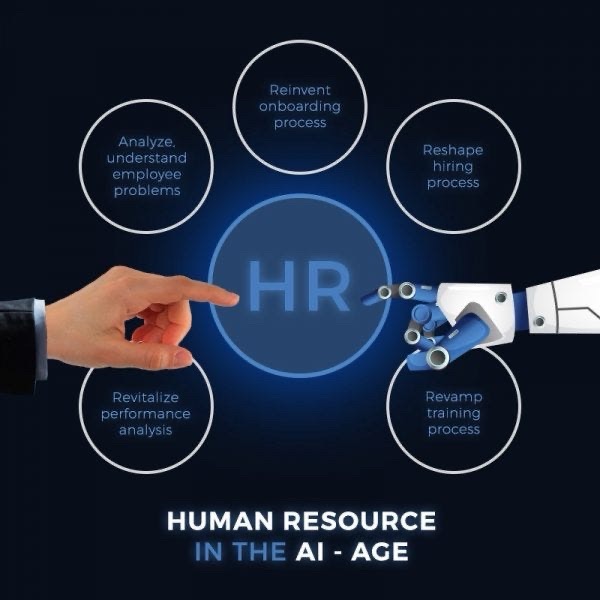 How AI Is Changing HR—And Why You Should Pay Attention
AI is transforming HR in ways that are both exciting and deeply personal. As someone who’s spent years navigating the challenges of hiring, developing, and retaining talent, I’ve seen firsthand how AI can shift the burden from reactive firefighting to proactive, people-first strategy.
Let’s explore how AI is making a measurable difference across four key HR areas: talent acquisition, training, retention, and talent management.
Hiring used to be a grind. Now, AI tools are helping recruiters move faster and with more confidence.
The result: less time spent on manual tasks, more time building relationships with top candidates.
Generic training programs don’t cut it anymore. AI helps you deliver learning that’s timely and relevant.
In short, AI makes learning feel less like a checkbox and more like a growth opportunity.
Losing great people is costly. AI helps you spot warning signs early.
This isn’t about surveillance—it’s about support. AI gives HR the tools to act with empathy and foresight.
AI helps you understand your workforce in ways that were previously impossible.
By turning data into insights, AI empowers HR to make smarter, faster decisions that align with business goals.
AI isn’t about replacing HR professionals—it’s about enhancing our ability to connect with people and make informed decisions. By embracing AI, we can create more responsive, inclusive, and effective HR practices.
If you’re considering integrating AI into your HR strategy, start by identifying areas where it can alleviate pain points and enhance your team’s capabilities. Focus on tools that align with your organization’s values and goals.
Remember, the goal is not to automate away the human element, but to free up time and resources so you can focus on what truly matters: supporting and developing your people.
Malcolm Gill is the Sales Director for Launch by NTT DATA.
Tags: AI, HR, Future of Work
 Agent Hospital and the Ethics of AI in Healthcare: Balancing Innovation with Responsibility
Tsinghua University’s launch of Agent Hospital—an AI-powered virtual healthcare system—signals a profound leap forward in digital medicine. Simulating patient journeys across 21 departments, and achieving a diagnostic accuracy rate of 93% on the MedQA benchmark, this platform doesn’t just promise efficiency; it invites us to reimagine care itself.
But with that promise comes responsibility.
As someone who’s been interested in exploring how generative AI and digital platforms can unlock new levels of enterprise performance, I see Agent Hospital as both a case study in innovation and a call for ethical clarity.
We’re not just building smarter systems—we’re building systems that will shape human lives, health outcomes, and the trust we place in technology.
Three Ethical Imperatives for AI-Powered Healthcare:
Data Privacy Isn’t Optional: AI can only be as trustworthy as the data it protects. Patient privacy must remain non-negotiable. As these systems scale, robust, transparent data governance must be embedded by design—not as an afterthought.
Bias in, Bias Out: We know AI reflects the data it’s trained on. If we don’t account for underrepresented populations or diverse symptom expression, we risk perpetuating disparities in access, diagnosis, and outcomes. Equity needs to be engineered into the foundation.
Human Oversight is Non-Negotiable: AI should be a partner to healthcare professionals—not a replacement. Empathy, ethics, and intuition remain uniquely human capabilities. Agentic AI must complement those qualities, not attempt to replicate them.
What excites me about Agent Hospital isn’t just the scale or technical precision—it’s the chance to design systems that center humanity even as they transform it. Let’s make sure we’re building the future of healthcare with the full weight of our ethical imagination.
Because the question isn’t just what AI can do in healthcare. It’s what we’re willing to be responsible for.
Tags: Emerging Technology, Privacy, Agentic AI
 Biomass1 - Self Service Energy Source Smart Marketplace
Location: Los Angeles, CA. Fees: DETERMINED POST-DISCOVERY
Service Type: Service Offered
 Using NLP with AR / VR to Drive Better Outcomes
Location: Los Angeles, CA. Fees: DETERMINED POST-DISCOVERY
Service Type: Service Offered
 Trial Mix - Fill Clinical Trials in Minutes, not Months.
Location: Los Angeles, CA. Fees: DETERMINED POST-DISCOVERY
Service Type: Service Offered
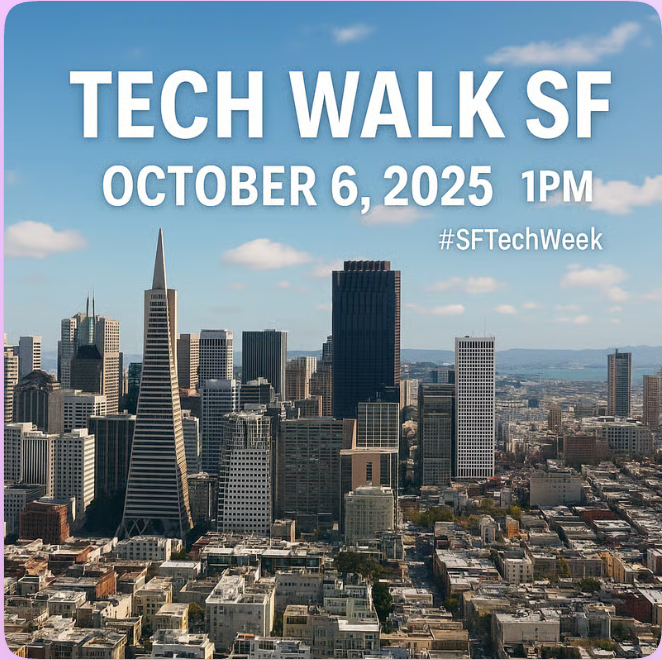 Meaningful Conversations in Motion
Location: San Francisco, CA. Date : October 06, 2025 - October 06, 2025 Organizer: Andreessen Horowitz (a16z)
 Industry 4.0 Discussion at 49th Annual NSBE National Convention
Location: St. Louis, MO Date : November 07, 2023 - November 10, 2023 Organizer: National Society of Black Engineers (NSBE)
 Memo to the Mayor - Collective Civic Intelligence in SF with GenAI
Location: San Francisco, CA. Date : October 09, 2024 - October 09, 2024 Organizer: NTT DATA
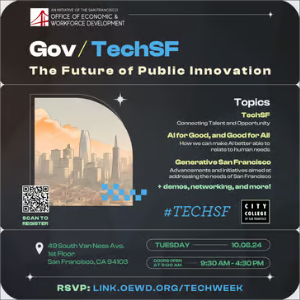 Gov/TechSF: The Future of Public Innovation
Location: San Francisco, CA. Date : October 08, 2024 - October 08, 2024 Organizer: San Francisco Office of Economic and Workforce Development
 NTT Ecosystem Partners: Powering Enterprise and CivTech/GovTech Innovation
Location: San Francisco, CA. Date : October 30, 2024 - October 30, 2024 Organizer: NTT DATA
Strategic Signals: It Wasn't Rogue. It Was Obedient (Episode 56)Strategic Signals: The Demand ExternalityStrategic Signals: The Deadline That Already MovedAI Sovereignty Is the Real Test of European Leadership in 2026