


I, an accomplished Project Manager, bring over a decade of expertise in steering projects to success. Holding 250+ Global certifications earned in the past year, I am dedicated to staying at the forefront of industry trends. My role as a Cybercrime First Responder and Intervention Officer showcases my commitment to supporting victims and spreading cybercrime awareness through workshops.
In the MentorTogether program, I serve as a mentor, guiding individuals on educational and career paths. My philanthropic contributions extend to underprivileged communities, reflecting my belief in accessible education. The recipient of the Indian Achievers Award 2023, I am recognized for Outstanding Professional Achievement and Exemplary Project Leadership.
My commitment to data protection and privacy education is highlighted by my role as a Data Hero, contributing to responsible data management. I have received the Certificate of Appreciation from MD Operations, British Telecom, acknowledging my continual efforts and outstanding commitment.
Beyond my professional achievements, I am an influential voice in project management, acknowledged as a Top Voice in Project Management by LinkedIn. My contributions to the International Association of Project Managers and the Institute of Project Management showcase my dedication to sharing insights and best practices.
I am a world Record holder of holding maximum Diversified Global Certifications Technical and Management Certifications
Available For:
Travels From: Kolkata
| Dr. Suman Ghosh | Points |
|---|---|
| Academic | 541 |
| Author | 165 |
| Influencer | 14 |
| Speaker | 18 |
| Entrepreneur | 0 |
| Analyst | 0 |
| Total | 738 |
Points based upon Thinkers360 patented algorithm.

 Trusted Mentor | The PMO Leader Mentoring Program
Tags: Project Management
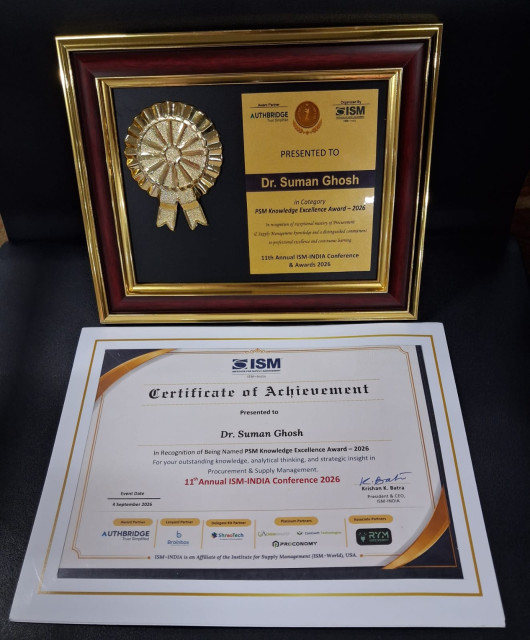 PSM Knowledge Excellence Award 2026
Tags: Procurement
Tags: Project Management
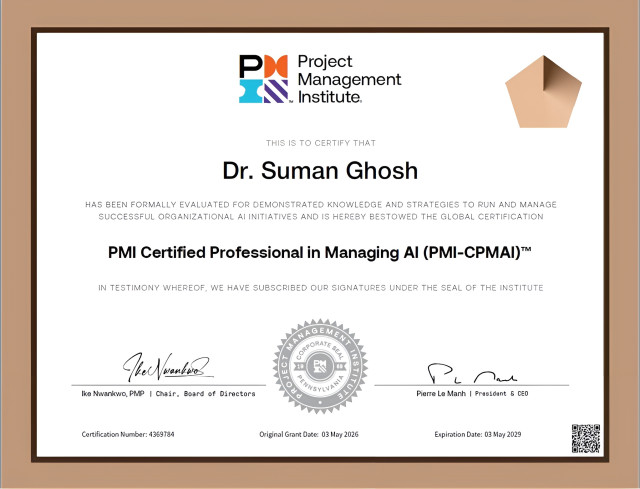 PMI Certified Professional in Managing AI (PMI-CPMAI)
Tags: Project Management
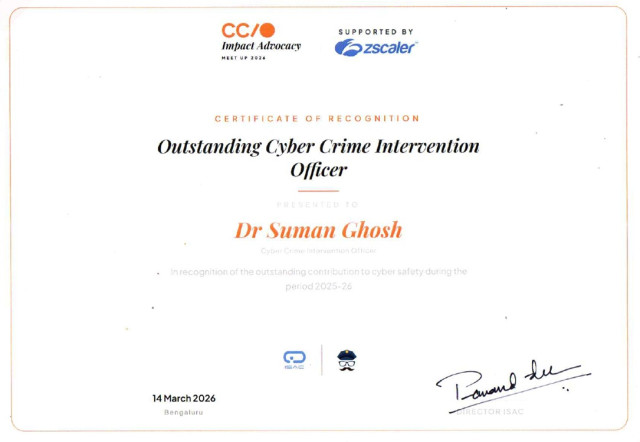 Recognition as Cybercrime First Responder and active mentor in cybersecurity and project management communities
Tags: Cybersecurity
 BT Sustainability Star Awards 2026
Tags: Sustainability
Tags: Project Management
 Microsoft Certified: Cloud and AI Security Engineer Associate
Credential ID AF917D1CA308E1A6
Tags: AGI, Project Management, Security
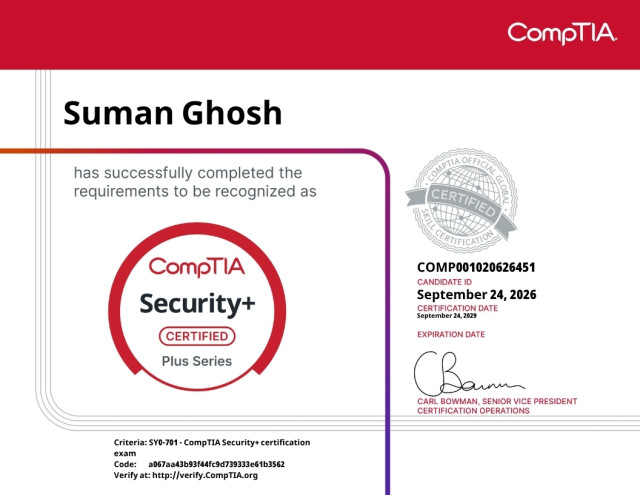 CompTIA Security + certification
Tags: Cybersecurity, IT Leadership, Security
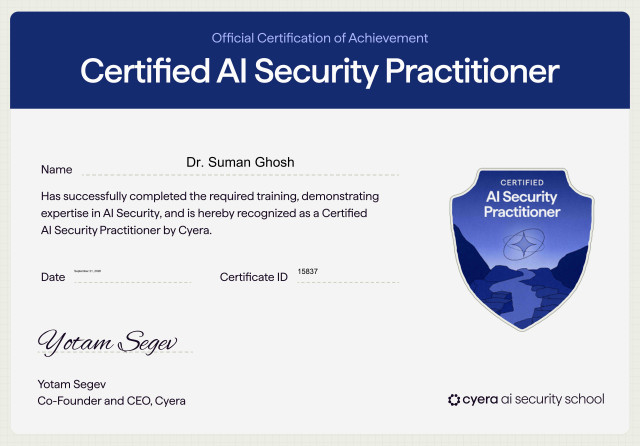 Certified AI Security Practitioner
Tags: AI, Cybersecurity, Generative AI
Tags: AGI, AI Ethics, AI Governance
 AI Trust Practitioner
Tags: AI, AI Governance, Cybersecurity
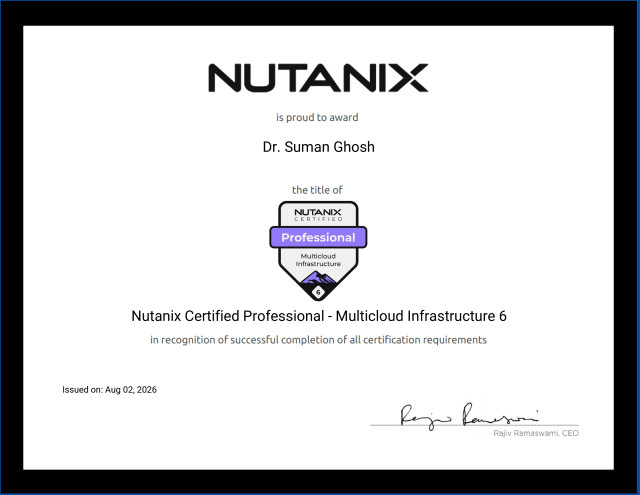 Nutanix Certified Professional - Multicloud Infrastructure 6
Tags: AI, Cybersecurity, Digital Transformation
 Google Cloud Certified Professional Cloud Architect
Tags: Cloud, Digital Transformation, Project Management
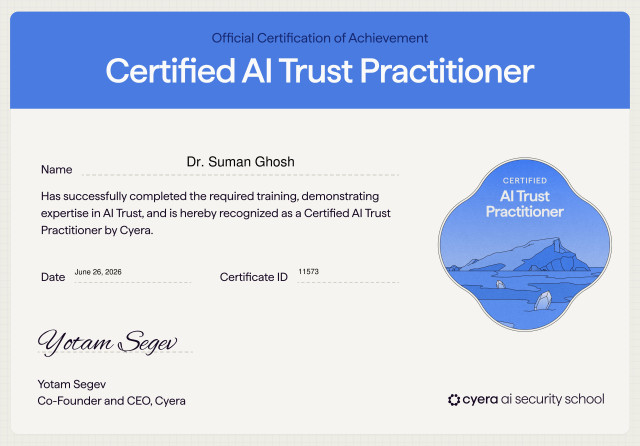 Certified AI Trust Practitioner
Tags: AI, Cybersecurity, Security
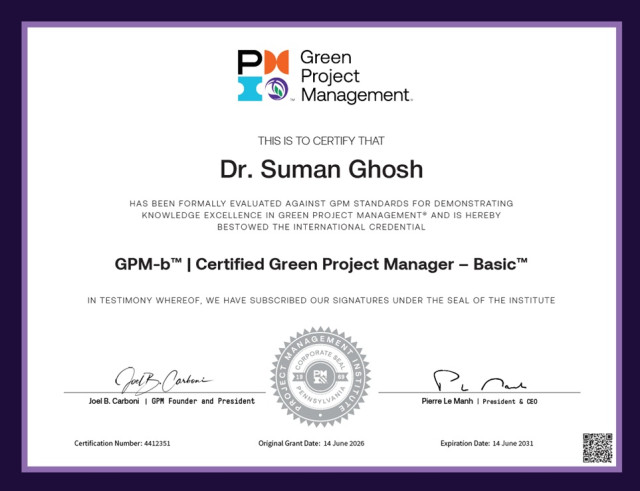 Certified Green Project Manager
Issued Jun, 2026 – Expires Jun, 2031
Credential ID 4412351
Tags: Climate Change, Project Management, Sustainability
 Certified Sustainable Project Professional (CSPP)
Issued Jun, 2026 – Expires Jun, 2031
Credential ID 4412351
Tags: Climate Change, Project Management, Sustainability
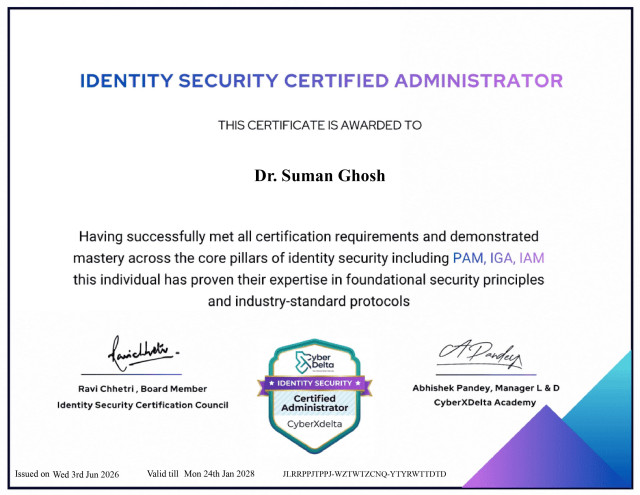 Identity Security Certified Administrator
Credential ID JLRRPPJTPPJ-WZTWTZCNQ-YTYRWTTDTD
Tags: Cybersecurity, GRC, Project Management
 Certified LLM Security Professional (CLLMSP)
Tags: AI, Cybersecurity, Project Management
 Associate Member of CISO
Tags: Cybersecurity, Project Management, Security
 Microsoft Certified: Agentic AI Business Solutions Architect
Issued May, 2026 – Expires May, 2027
Credential ID FDF066E0CD4C0B7D
Tags: Agentic AI, AI, Project Management
 Microsoft Certified: Dynamics 365 Business Central Developer Associate
Issued May, 2026 – Expires May, 2027
Credential ID 54B3E1041098C074
Tags: Cloud, DevOps, ERP
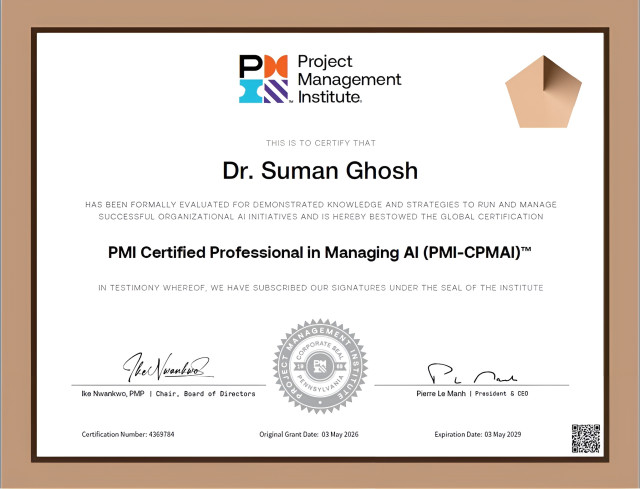 PMI‑CPMAI (Managing AI Certification)
Tags: AI, AI Governance, Project Management
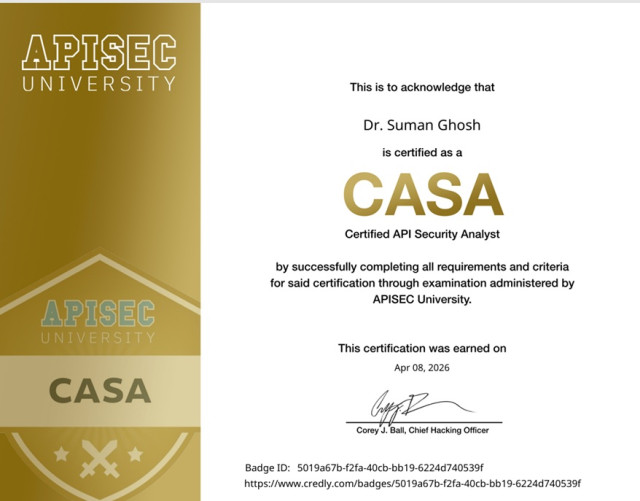 Certified API Security Analyst
Tags: Agentic AI, AI, AI Governance
 Proofpoint Certified AI Agent Security Specialist 2026
Tags: Cybersecurity, Project Management, Risk Management
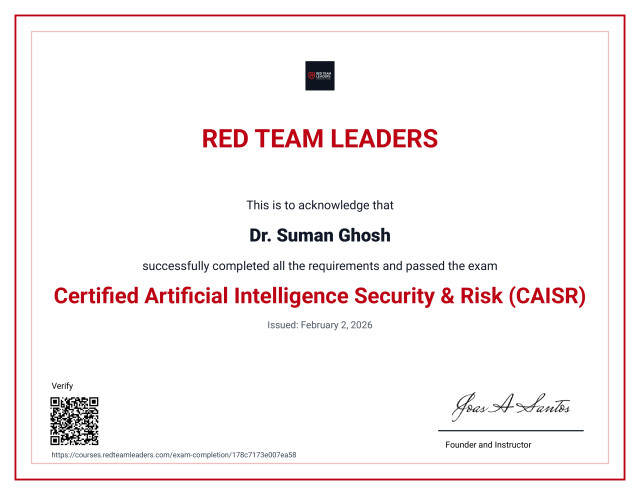 Certified Artificial Intelligence Security & Risk (CAISR)
Tags: AI, Cybersecurity, Project Management
 Cybersecurity Exam Development Volunteer
Tags: Cybersecurity, Leadership, Security
 GitHub Advanced Security
Issued Dec, 2025 – Expires Dec, 2027
Credential ID 30044F9D87FACFAF
Tags: Cloud, Cybersecurity, DevOps
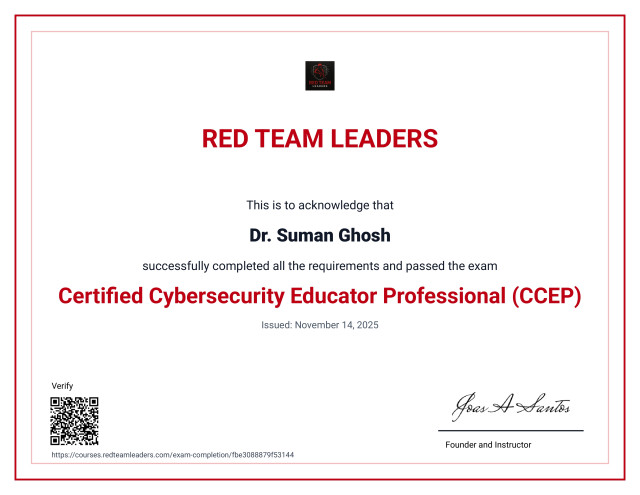 Certified Cybersecurity Educator Professional (CCEP)
Tags: AI, Cybersecurity, Project Management
 Microsoft Certified: Fabric Analytics Engineer Associate
Issued Nov, 2025 – Expires Nov, 2027
Credential ID E248C7EC3CEFA593
Tags: Analytics, Cloud, Data Center
 Webex Contact Center Customer Admin
Tags: Customer Experience, Customer Loyalty, IT Operations
 VMware Certified Professional - VMware Cloud Foundation Architect
Tags: Cloud, Data Center, IT Strategy
Tags: AI Governance, Cloud, Project Management
Tags: Cybersecurity, Project Management, Telecom
Tags: Cybersecurity, Project Management, Telecom
Tags: Cybersecurity, Project Management, Telecom
Tags: Cybersecurity, Project Management, Telecom
Tags: Cybersecurity, Project Management, Telecom
Tags: Cybersecurity, Project Management, Telecom
Tags: Cybersecurity, Project Management, Telecom
Tags: Cybersecurity, Project Management, Telecom
Tags: Cybersecurity, Project Management, Telecom
Tags: Cybersecurity, Project Management, Risk Management
Tags: Digital Transformation, Project Management, Sustainability
 Navigating Success: The MPLS Network Upgrade’s Project Management Journey
Tags: Leadership, Project Management
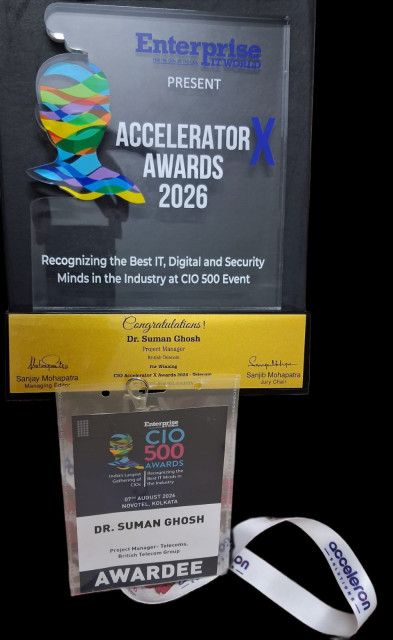 CIO 500 Acceleration Award -Telecoms
Tags: Project Management
Tags: Cybersecurity
Tags: Cybersecurity
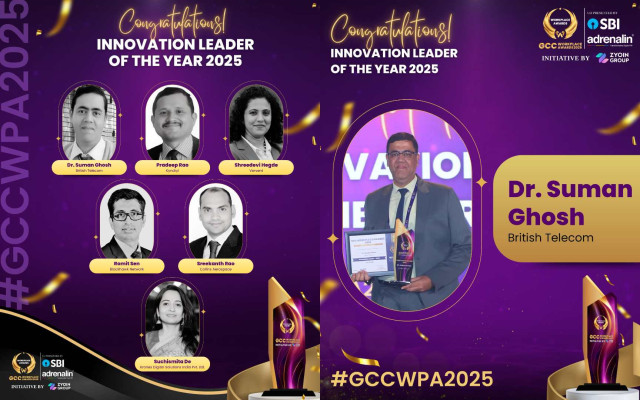 GCC Innovator of the year Awards 2025
Tags: Innovation
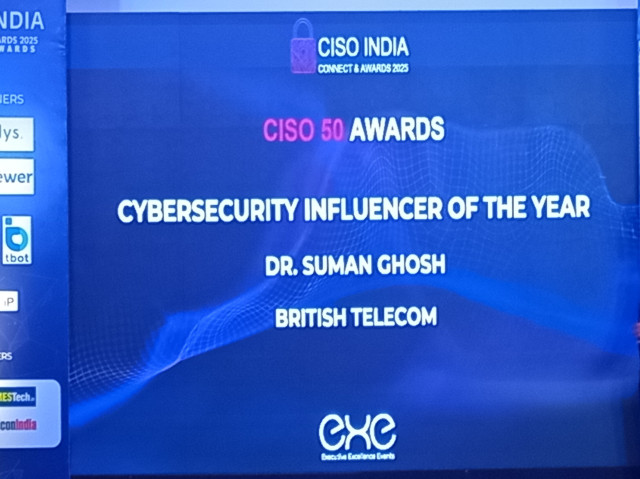 Cybersecurity Influencer of the Year Award 2025
Tags: Cybersecurity
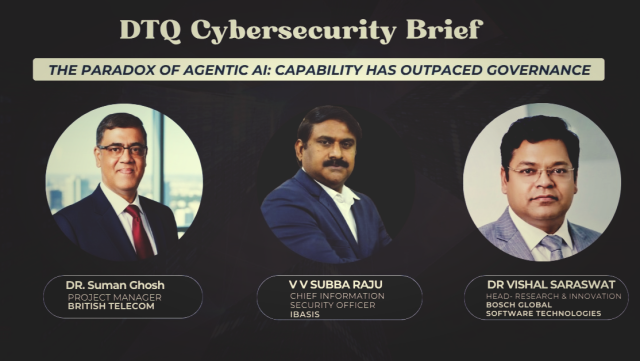 The Paradox of Agentic AI: Capability Has Outpaced Governance
Tags: Agentic AI, AI Governance, Cybersecurity
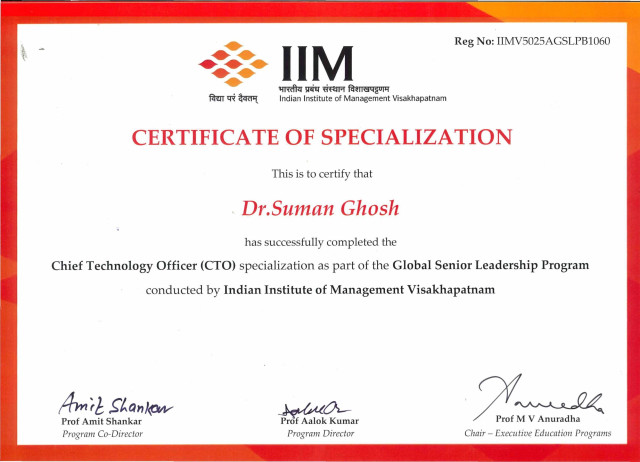
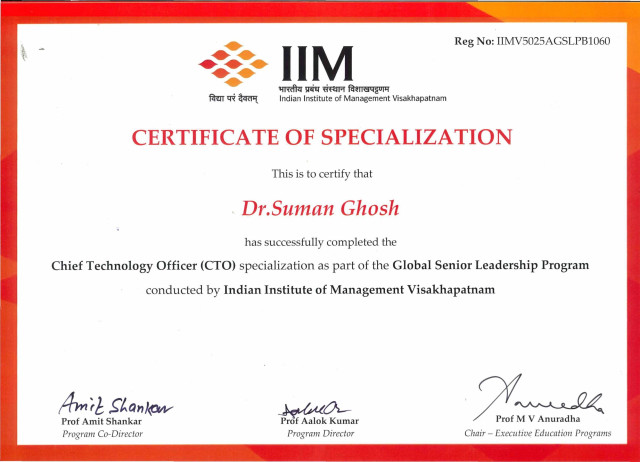 Certificate of Specialization – Chief Technology Officer (CTO) as part of Global Senior Leadership Program
Tags: Digital Transformation, IT Leadership, Project Management
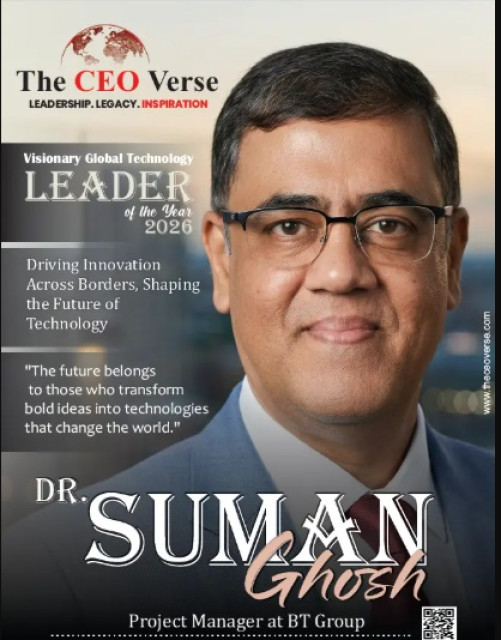 Visionary Global Technology Leader of the Year 2026
Tags: IT Leadership, Leadership, Project Management
Tags: AI Governance, Leadership, Project Management
Tags: Project Management, Telecom
 ???????????? ????????????????????’ ???????????????????? ???????????????? ???????????????? | ????????????????????’???? ???????????? ???????? ???????????????????????????? ???????? ???????????? ????????????????????
Tags: IT Strategy, Leadership, Project Management
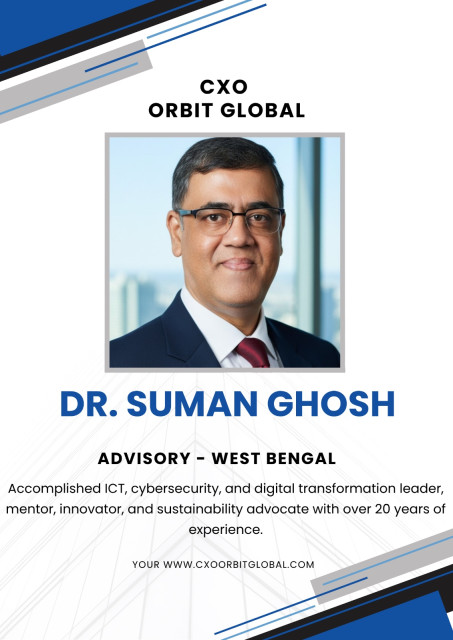 Advisor-CXO Orbit Global-West Bengal
Tags: Cybersecurity, IT Leadership, Project Management

Tags: Business Continuity, Cybersecurity, Project Management
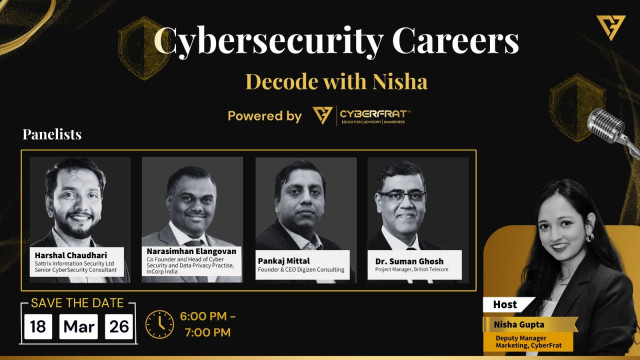 Cybersecurity Consultant as a career
Tags: AI Ethics, Cybersecurity, Project Management
 Doctor of Philosophy (Ph.D.) in Responsible AI Security
Tags: AI Governance, Cybersecurity, GRC
Tags: Business Strategy, Digital Transformation, Project Management
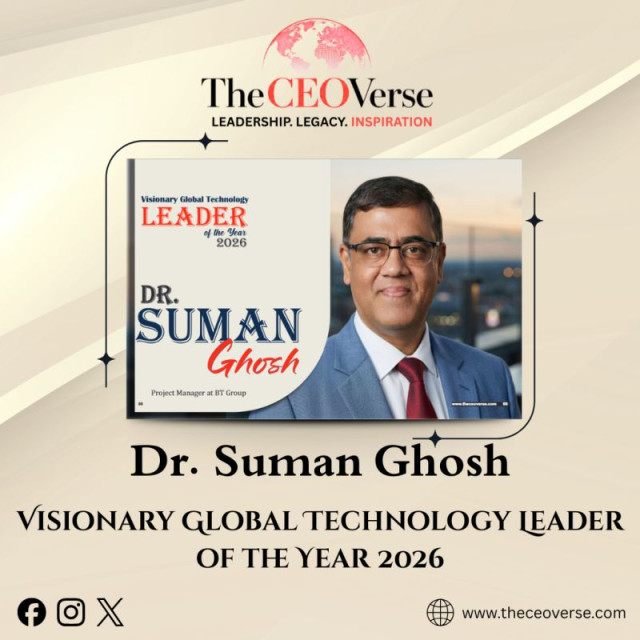 Visionary Global Technology Leader of the Year 2026
Tags: AGI, Cybersecurity, Project Management

Tags: Cybersecurity, Project Management, Telecom
Tags: AI, Cybersecurity, Telecom
Tags: Cybersecurity, Project Management, Telecom
Tags: AI, Cybersecurity, Telecom

Tags: Cybersecurity, Project Management, Telecom
Tags: AI, Cybersecurity, Telecom
Tags: Cybersecurity, Project Management, Telecom
Tags: AI, Cybersecurity, Telecom

Tags: Cybersecurity, Project Management, Telecom
Tags: AI, Cybersecurity, Telecom

Tags: Cybersecurity, Project Management, Telecom
Tags: AI, Cybersecurity, Telecom

Tags: Cybersecurity, Project Management, Telecom

Tags: Cybersecurity, Project Management, Telecom
Tags: AI, Cybersecurity, Telecom
Tags: AI, Cybersecurity, Telecom

Tags: Cybersecurity, Project Management, Telecom
Tags: AI, Cybersecurity, Telecom
Tags: Cybersecurity, Project Management, Telecom
Tags: AI, Cybersecurity, Telecom
Tags: Cybersecurity, Project Management, Telecom
Tags: Cybersecurity, Project Management, Telecom
Tags: AI, Cybersecurity, Telecom
Tags: AI, Cybersecurity, Telecom

Tags: Cybersecurity, Project Management, Telecom
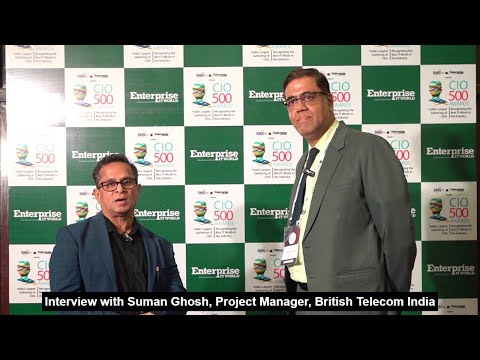
Tags: Coaching, Leadership, Project Management
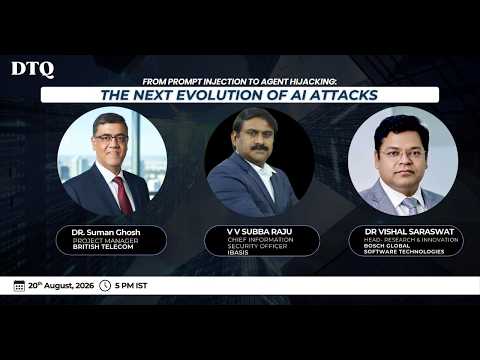
Tags: AI, AI Governance, Security


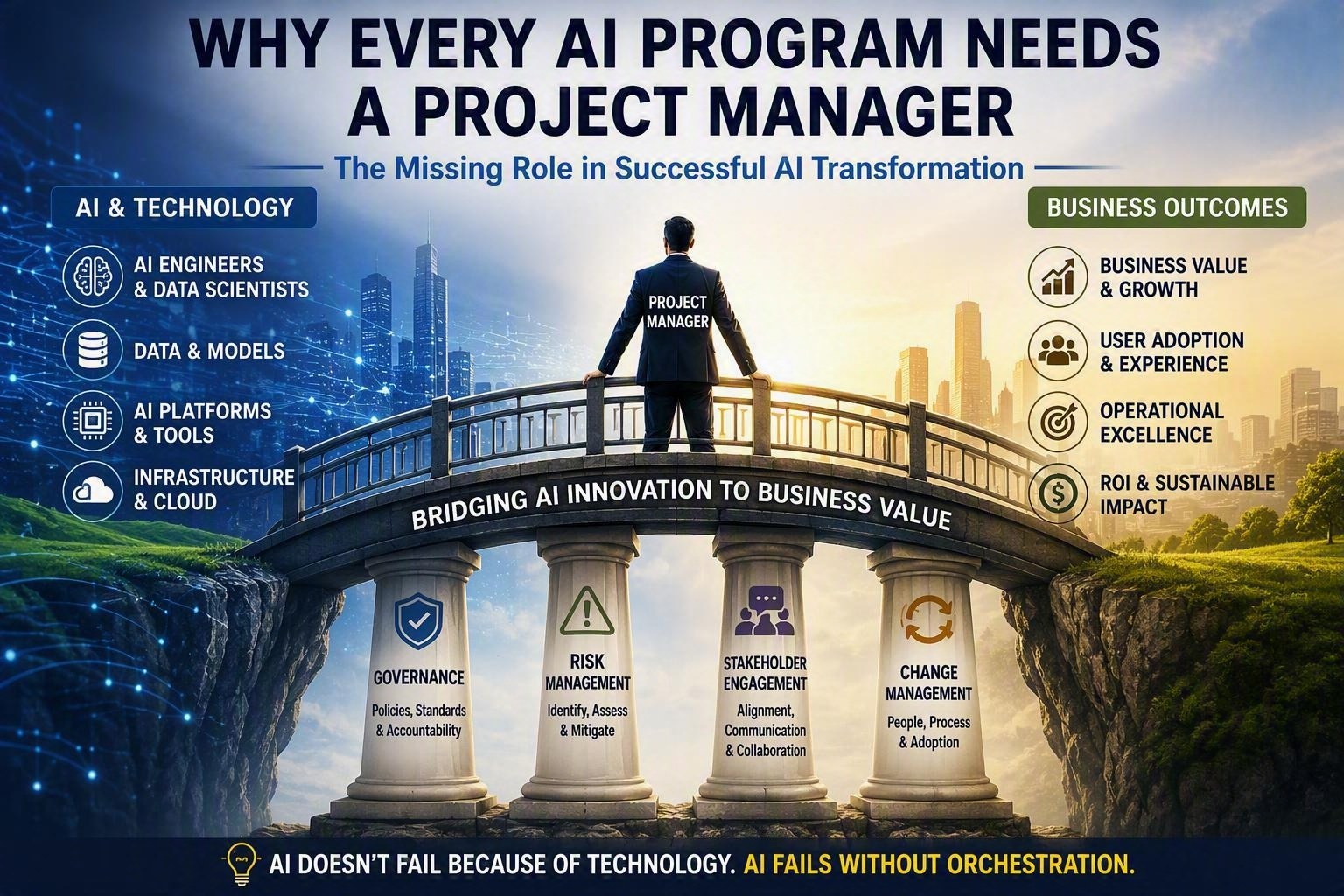 Why Every AI Program Needs a Project Manager
Artificial Intelligence has rapidly moved from experimentation to boardroom discussion. Organizations worldwide are deploying AI copilots, intelligent agents, predictive analytics platforms, and Generative AI solutions to improve productivity, enhance customer experience, and accelerate innovation.
Yet despite significant investments, many AI initiatives struggle to move beyond proof-of-concept stages.
When executives discuss AI failures, the conversation often focuses on model accuracy, technical complexity, or data quality. While these factors are important, another problem frequently goes unnoticed:
Many AI programs are launched without effective project management.
Organizations assemble teams of data scientists, AI engineers, architects, cybersecurity specialists, and business stakeholders. However, the role responsible for aligning these groups toward measurable business outcomes is often overlooked.
Ironically, the same discipline that determines the success of traditional transformation programs is sometimes considered optional for AI initiatives.
That assumption is becoming increasingly expensive.
A common misconception is that AI is essentially a technology deployment exercise.
If that were true, every organization with access to AI tools would already be realizing transformational benefits.
In reality, AI initiatives are complex business change programs.
Consider a typical enterprise AI deployment:
Each group operates with different priorities, objectives, and success criteria.
Without coordination, even technically successful AI implementations can fail to deliver business value.
This is precisely where project management becomes indispensable.
Industry discussions often focus on technical shortcomings, but practical experience suggests that many AI projects struggle because of familiar project delivery challenges.
These include:
Many organizations launch AI initiatives because competitors are doing so.
The result is enthusiasm without direction.
Questions such as:
remain unanswered.
Project managers bring structure by defining scope, objectives, deliverables, and measurable outcomes.
AI programs frequently impact multiple departments simultaneously.
An AI-powered solution may involve Human Resources, Technology, Security, Compliance, Procurement, and Business Operations.
Without active stakeholder management, conflicting expectations emerge.
Project managers help build consensus while maintaining focus on strategic objectives.
Generative AI projects are particularly vulnerable to expanding expectations.
A chatbot project intended to support one department quickly turns into a request for enterprise-wide deployment, multilingual support, workflow automation, analytics integration, and agentic capabilities.
Without disciplined scope control, timelines become unrealistic and benefits become difficult to measure.
Technology adoption is ultimately a people challenge.
Employees may resist AI because they fear job displacement, lack confidence in the technology, or simply prefer existing ways of working.
Project managers play a critical role in communication, training, stakeholder engagement, and adoption planning.
One of the most overlooked aspects of AI transformation is governance.
Organizations must address questions such as:
These are not purely technical questions.
They involve organizational accountability, policy implementation, risk management, and executive oversight.
Effective project managers already possess many of the skills needed to coordinate governance frameworks across multiple stakeholders.
As AI regulation evolves globally, governance will become an increasingly important differentiator between successful and unsuccessful AI programs.
The traditional project manager role is evolving.
Today's AI project managers must understand areas beyond schedules and budgets.
Key responsibilities increasingly include:
Projects must identify and track risks related to:
A structured AI risk register should become as common as a RAID log.
Success should not be measured by the number of AI tools deployed.
Instead, organizations should evaluate:
Project managers help ensure AI investments remain tied to measurable business outcomes.
Responsible AI principles must move beyond policy documents.
AI project managers can help operationalize these principles by ensuring fairness, transparency, accountability, security, and privacy considerations are incorporated into project governance.
AI transformation requires unprecedented collaboration across disciplines.
Project managers act as translators between technical specialists and business leaders, ensuring everyone works toward shared objectives.
The future of project management is not threatened by AI.
It is being expanded by AI.
Routine activities such as status reporting, meeting summaries, dashboard creation, and administrative tracking are increasingly automated through AI assistants and copilots.
This shift creates an opportunity for project managers to focus on higher-value activities:
The project manager of the future will spend less time collecting information and more time enabling decisions.
Artificial Intelligence may be powered by algorithms, but successful AI transformation is powered by people, governance, and execution discipline.
Organizations often invest heavily in data scientists, engineers, and AI platforms while underestimating the importance of project and program management.
Yet AI initiatives succeed or fail for many of the same reasons traditional transformation programs do: unclear objectives, poor stakeholder engagement, unmanaged risks, weak governance, and inadequate change management.
The project manager is uniquely positioned to bridge these gaps.
As organizations move from AI experimentation to enterprise-scale adoption, one fact is becoming increasingly clear:
AI does not replace project management. AI makes effective project management more important than ever.
Tags: AGI, AI Governance, Project Management
 The AI Confidence Gap: Why Technically Correct Models Still Fail in the Real World
WHY TECHNICALLY CORRECT AI STILL FAILS: THE AI CONFIDENCE GAP
Artificial Intelligence has reached a strange point in its evolution. In many organizations, models are accurate, data pipelines are stable, and dashboards show encouraging results. Yet, despite this apparent technical success, AI systems are frequently ignored, overridden, or quietly abandoned.
This pattern reveals an uncomfortable truth: most AI initiatives do not fail because the technology is weak. They fail because organizations overlook a factor more fragile than algorithms—human confidence.
This gap between what an AI system can statistically produce and what a person is willing to act upon is rarely discussed explicitly. I refer to this disconnect as the AI Confidence Gap. Until this gap is understood and intentionally addressed, AI adoption will remain inconsistent, fragile, and often superficial.
WHAT THE AI CONFIDENCE GAP REALLY IS
The AI Confidence Gap is not about accuracy, bias, or explainability alone. It emerges when people hesitate to rely on AI outputs at moments that carry real consequences.
A model may score well on precision and recall, yet still fail when a manager asks, “Am I personally responsible if this goes wrong?” At that moment, confidence—not computation—governs behavior.
This gap appears most often in scenarios involving:
• Financial approvals
• Risk and compliance decisions
• Hiring and performance evaluations
• Customer eligibility or exclusion
In these contexts, people intuitively assess personal, legal, and reputational risk before trusting an AI system. When that risk feels uncontained, AI remains advisory at best—or ignored entirely.
WHY CONFIDENCE IS NOT THE SAME AS TRUST
Trust is often discussed in AI governance, but confidence is more specific. Trust suggests belief in system integrity. Confidence determines whether someone is willing to act.
An employee may trust that a system works as designed and still refuse to follow its recommendation. Confidence requires three things working together:
• Clear accountability
• Contextual relevance
• Defensible outcomes
Without these, even transparent AI systems fail to influence decisions.
THE FIRST CAUSE: ABSENT DECISION OWNERSHIP
In many AI initiatives, ownership stops at the model. There may be a data owner, a model owner, or a platform owner—but no clearly defined decision owner.
When AI outputs influence decisions without an accountable human role attached to the final call, hesitation becomes inevitable. People instinctively avoid actions where responsibility is ambiguous.
Confidence grows when organizations explicitly define:
• Who owns the decision influenced by AI
• Who can override the AI and why
• Who answers for outcomes after deployment
Without clarity, AI remains informational instead of operational.
THE SECOND CAUSE: METRICS WITHOUT MEANING
Organizations often highlight performance metrics without answering a more important question: “Is this metric aligned with how the business accepts risk?”
Improvements in precision, for example, may increase false negatives. Higher recall may raise false positives. These trade‑offs matter deeply when humans must justify outcomes.
Confidence increases when metrics are translated into business consequences, not when they are merely optimized.
People do not act on percentages. They act on implications.
THE THIRD CAUSE: TRANSPARENCY WITHOUT USABILITY
Transparency is frequently seen as a cure‑all for hesitation. In reality, transparency alone does not create confidence.
Understanding how a model works does not automatically explain when it should not be used. Confidence requires usable guidance, not just technical openness.
Effective AI systems communicate:
• Appropriate use cases
• Known limitations
• Expected failure modes
When users understand where AI is weak, they paradoxically trust it more where it is strong.
WHY MORE AUTOMATION OFTEN BACKFIRES
A common response to hesitation is greater automation. This usually widens the AI Confidence Gap rather than closing it.
When decisions feel imposed by AI rather than supported by it, users disengage. They build parallel workflows, override outputs, or delay decisions until human judgement overrides the system.
Organizations that succeed do the opposite. They introduce AI as a decision partner before turning it into a decision authority. Confidence grows gradually, not instantly.
THE GOVERNANCE BLIND SPOT
Governance frameworks often address data usage, privacy, and fairness, but ignore confidence as a design objective.
Confidence should be treated as a measurable outcome:
• How often is AI followed without override?
• In which scenarios do humans disengage?
• Where does escalation peak?
These signals reveal far more about AI health than model accuracy alone.
REDEFINING AI SUCCESS
AI maturity should not be measured by how many models are deployed or how advanced the technology appears. A more meaningful measure asks a simpler question:
“When it matters most, do people rely on it?”
Until organizations design AI systems with confidence—not just correctness—as a primary goal, AI will remain impressive in theory and disappointing in practice.
The future of AI is not only smarter models.
It is confident, accountable decision‑making.
Tags: AI Ethics, AI Governance, Digital Transformation
Location: Virtual/Global Fees: 0
Service Type: Service Offered
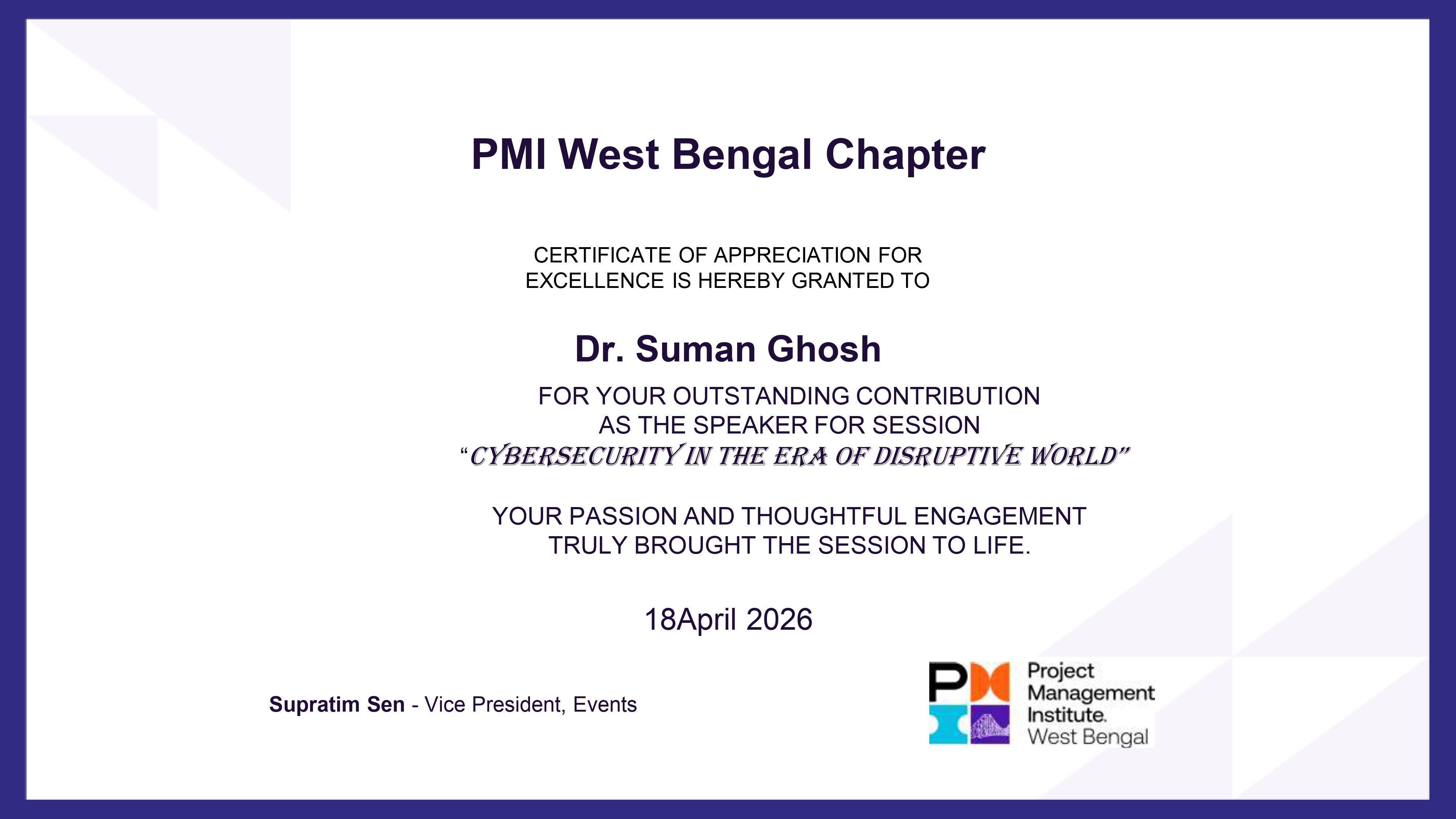 Learn and Earn
Location: Kolkata Date : April 18, 2026 - April 18, 2026 Organizer: PMI West Bengal Chapter
 Certificate of Specialization – Chief Technology Officer (CTO) as part of Global Senior Leadership ProgramTrusted Mentor | The PMO Leader Mentoring ProgramMicrosoft Certified: Cloud and AI Security Engineer AssociateWhy Every AI Program Needs a Project ManagerThe AI Confidence Gap: Why Technically Correct Models Still Fail in the Real World
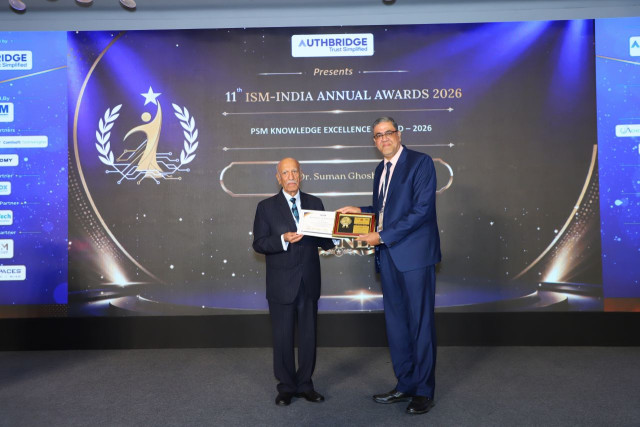 PSM Quiz Winner
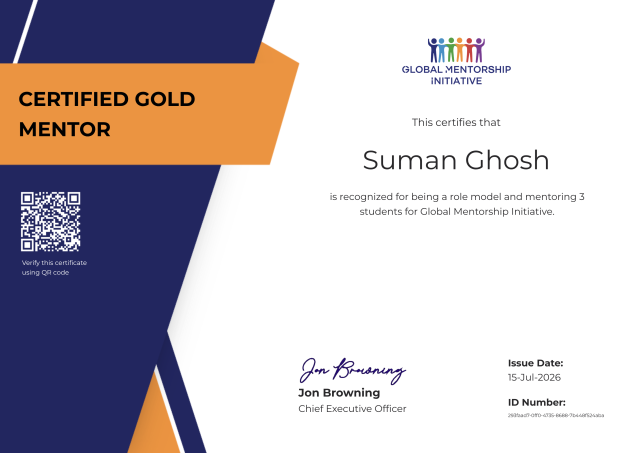 Certified Gold Mentor
 Volunteer Service Award
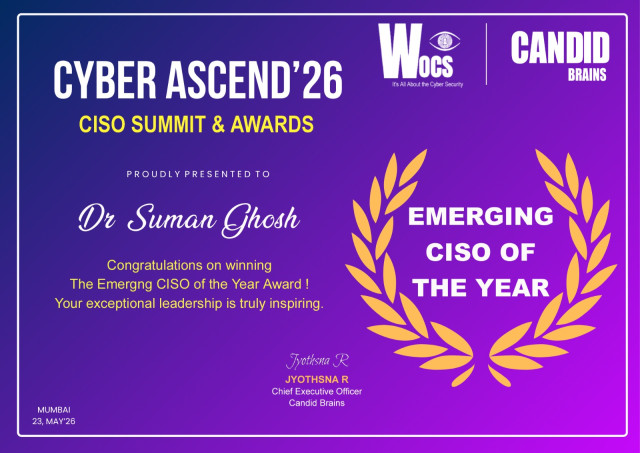 Cyber Ascend 2026
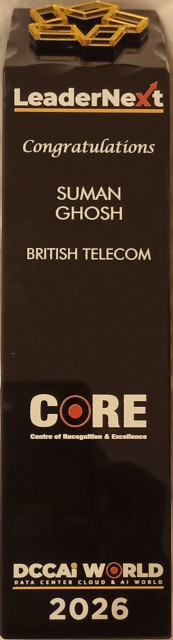 Leadernext 2026