Jul21
In the last few years, when conducting succession planning assessments, I’ve noticed an alarming pattern.
The leadership team is filled with people who have been with the company for 20, 25, or even 30 years. The organization also has a healthy population of employees with fewer than 10 years of experience.
But there is a noticeable gap in between.
Where are the professionals with 10 to 20 years of experience?
That "missing middle" is becoming more common, particularly in small and mid-sized businesses. While every organization has its own story, several “business factors” have combined to create this talent gap.
One reason dates back to the Great Recession.
During the economic downturn of 2008 and 2009, many organizations froze hiring, eliminated positions, or significantly reduced recruiting. Entry-level hiring slowed dramatically, and many early-career professionals postponed changing jobs (only to catch up later).
The result was a smaller cohort of employees entering many organizations during those years. Fast forward 15 years, and there are simply fewer professionals in that mid-career stage.
Another factor is the rise of external hiring.
For years, many companies have looked outside the organization whenever they needed experienced managers or technical specialists. Hiring externally often seemed faster than developing talent internally.
But every external hire represents one less opportunity for someone inside the organization to grow into a larger role.
Over time, organizations unintentionally weaken their internal pipeline.
Career mobility also plays a role.
Many ambitious professionals discovered that changing employers every few years accelerated both their compensation and career progression. Rather than waiting for opportunities to open internally, they pursued them elsewhere.
Companies that lacked clear career paths often became “training grounds” for competitors.
The pandemic added another layer of complexity.
Some experienced professionals reassessed their careers entirely. Others retired earlier than expected. Still others sought larger organizations that offered greater flexibility, broader opportunities, or remote work.
Small businesses simply could not compete.
The result is a plethora of organizations with highly experienced senior leaders and enthusiastic early-career employees—but relatively few people in the middle who are prepared to assume larger leadership responsibilities. Then they call me.
From a succession planning perspective, this creates a significant challenge.
Virtually every senior leader will retire within the next five to ten years (unless they are like Jamie Dimon, who is stuck). The next generation of employees often has tremendous potential, but they don’t yet possess the business judgment, cross-functional experience, or leadership maturity required for executive roles.
The traditional stepping stones have disappeared.
That does not mean organizations are out of options.
It does mean they must become much more intentional about accelerating leadership development.
High-potential employees need broader experiences earlier in their careers. They need exposure to customers, financial decisions, strategic planning, and cross-functional projects. They need mentors who can transfer institutional knowledge before it walks out the door.
Organizations may also need to supplement their internal pipeline by selectively recruiting experienced mid-career professionals who can strengthen the bench while mentoring the next generation of leaders.
The missing middle is not simply a hiring problem.
It is a leadership development challenge.
Companies that recognize the gap now can begin rebuilding it before today's senior leaders retire. Those that ignore it may discover they have plenty of employees—but very few leaders who are truly ready for what comes next.
Keywords: Entrepreneurship, HR, Leadership
 Friday’s Change Reflection Quote – Saeculum Leadership Leaders Build Beyond Their Stewardship
 Changing horizons, a business perspective
 The Corix Partners Friday Reading List - September 25, 2026
 What role should AI have in judging awards?
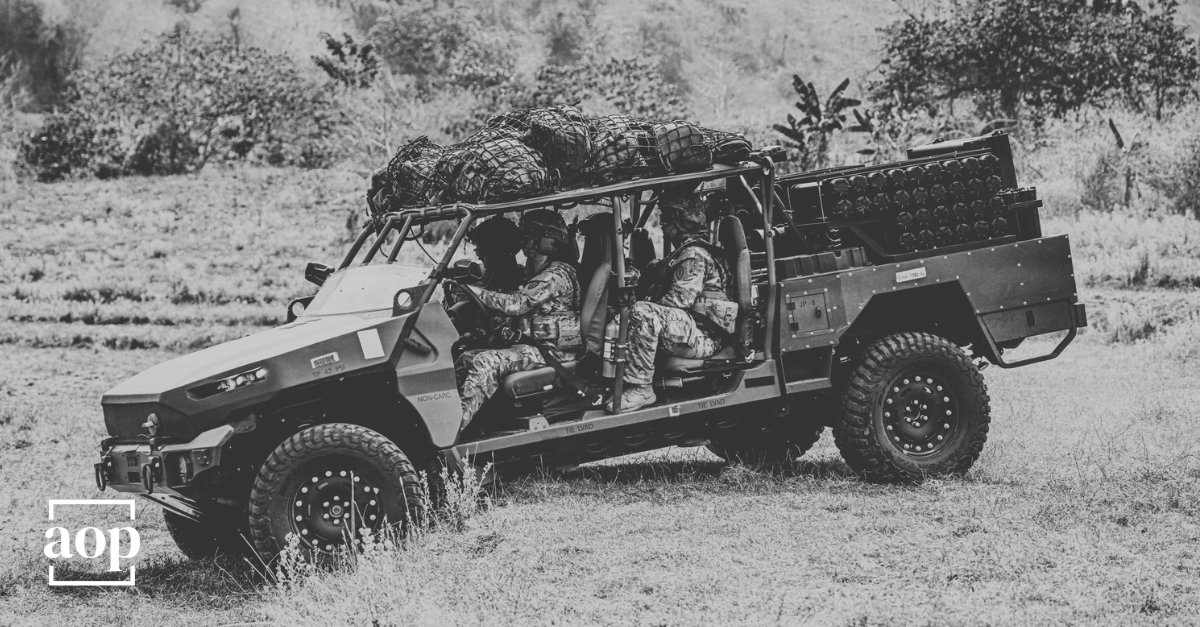 Two Clocks, One Truck: The Army's Need for Speed Meets New Defense Sourcing Rules