


Thinkers360
Interested in getting your own thought leader profile? Get Started Today.

Pete Ketchum

Washington DC-Baltimore Area, United States

Pete Ketchum is an organizational psychologist and founder of Ketchum Advisory. Before studying what makes people tick, he spent years in roles where reading people was the job: military interrogation, prison de-escalation, state trooper. Each taught him that trust isn't built through authority. It's built through structure, consistency, and follow-through. He later held leadership positions across finance, construction, and tech, where he found that most workplace best practices aren't flawed in theory. They're misapplied in ways that quietly undermine motivation, alignment, and engagement. Pete holds an M.S. in Industrial-Organizational Psychology from Purdue University Global and is the author of The Missed Meeting, a framework rooted in motivation science that helps leaders use one-on-ones to diagnose what's broken in the organizational system, drive real performance, and build the kind of trust that retains people. Learn more at peteketchum.com.

Pete Ketchum Points
Academic 0
Author 96
Influencer 96
Speaker 0
Entrepreneur 0
Total 192

Points based upon Thinkers360 patent-pending algorithm.

Thought Leader Profile

Portfolio Mix

Company Information

Areas of Expertise

Behavioral Science 61.30
HR 33.72
Leadership 31.43

Industry Experience

Publications & Experience

32 Article/Blogs
How Your Organization Is Accidentally Destroying Motivation
Pete Ketchum
March 23, 2026
This is the second post in a series adapted from my conversation on SHRM's Honest HR podcast. The first post, What Military Interrogation Taught Me About Managing People, covers why rapport, not pressure, is the foundation of effective leadership. If you want to see where these patterns are running through your own organization, take the ARC Self-Assessment or pick up The Missed Meeting on Amazon or Barnes & Noble.

See publication

Tags: Behavioral Science, HR, Leadership

What Military Interrogation Taught Me About Managing People
Pete Ketchum
March 20, 2026
This post is adapted from my conversation on SHRM's Honest HR podcast. If these patterns sound familiar, my book The Missed Meeting: What One Conversation Reveals About Everything Else goes deeper into the psychology behind organizational friction and gives you a practical framework for fixing it. Start with the ARC Self-Assessment to see where the friction lives in your organization.

See publication

Tags: Behavioral Science, HR, Leadership

Why organizational culture matters for scalable growth
Pete Ketchum
March 06, 2026
Companies in the top quartile for adaptive culture achieve 2.1x higher total shareholder returns over five years. This isn’t about ping pong tables or free snacks. Culture directly shapes decision speed, turnover rates, and whether your best people burn out. You’ll learn the psychological frameworks that explain why culture works, practical steps to reduce organizational friction, and how to implement culture change during rapid scaling without losing momentum.

See publication

Tags: Behavioral Science, HR, Leadership

Organizational development terminology: 70% fewer failures
Pete Ketchum
March 05, 2026
Most leadership teams believe they’re speaking the same language when discussing organizational change. They’re not. 70% of organizational development initiatives fail because senior leaders lack ownership and clarity about core terminology. This confusion turns well-intended interventions into friction generators, slowing decisions and burning out top talent. Mastering organizational development terminology rooted in behavioral science and systems thinking is how CEOs eliminate systemic friction and accelerate scalable growth.

See publication

Tags: Behavioral Science, HR, Leadership

Team dynamics in scaling: 40% faster decisions
Pete Ketchum
March 04, 2026
Scaling companies often struggle with sluggish decision-making and internal friction that stalls growth. Yet effective team dynamics can make decision-making up to 40% faster, transforming how leadership teams operate. The key lies in understanding and optimizing the psychological foundations of team function through the ARC framework: Autonomy, Relatedness, and Competence. This article shows CEOs how to diagnose dysfunction, correct common misconceptions, and implement systemic changes that reduce organizational friction while accelerating decisions.

See publication

Tags: Behavioral Science, HR, Leadership

Why Assess Organizational Health? 3X Returns Guide 2026
Pete Ketchum
March 03, 2026
This systemic nature means organizational health encompasses leadership effectiveness, cultural alignment, structural efficiency, and strategic clarity. When these elements work in harmony, companies scale without fracturing. Organizational health best predicts long-term resilience and value creation amid market volatility.

See publication

Tags: Behavioral Science, HR, Leadership

Feedback in Organizations: 26% Performance Boost in 2026
Pete Ketchum
March 01, 2026
Without structured feedback mechanisms, scaling organizations face predictable challenges. Teams operate with unclear expectations, leading to duplicated efforts and wasted resources. Top talent experiences burnout when their contributions go unrecognized or their concerns unheard. Decision-making slows as uncertainty spreads through the organization.

See publication

Tags: Behavioral Science, HR, Leadership

What Is Organizational Assessment? 35% More Resilient Growth
Pete Ketchum
February 28, 2026
Most leaders confuse organizational assessment with performance reviews. That misunderstanding costs them scalable growth. Real assessment reveals the systemic barriers strangling your organization’s potential, the hidden friction burning out your best people, and the structural issues blocking faster decisions. When you diagnose at the system level rather than the individual level, you unlock organizational clarity for scalable growth that preserves culture while accelerating performance.

See publication

Tags: Behavioral Science, HR, Leadership

6-Step Improving Workplace Culture Checklist for Leaders
Pete Ketchum
February 27, 2026
Workplace friction sneaks up on even the best teams. You might notice projects stalling, your top employees feeling stuck, or collaboration losing its spark. Figuring out what really holds your organization back often feels overwhelming when everyday issues pile up and team morale drops.

See publication

Tags: Behavioral Science, HR, Leadership

Leadership Psychology: Driving Scalable Team Success
Pete Ketchum
February 26, 2026
Every scaling founder eventually discovers that what worked at ten people breaks at fifty. Growth brings complexity, and with it comes invisible friction that stalls progress.

See publication

Tags: Behavioral Science, HR, Leadership

Role of Leadership in Growth: Unlocking Scalable Success
Pete Ketchum
February 25, 2026
Success for fast-growing tech startups is rarely accidental. The path between scaling to global influence and plateauing often hinges on one powerful factor

See publication

Tags: Behavioral Science, HR, Leadership

Top 7 Employee Engagement Survey Tools in 2026 for CEOs and executive leaders seeking effective solutions to enhance team productivity and morale.
Pete Ketchum
February 24, 2026
Motivated teams make all the difference when it comes to productivity and morale. CEOs and executive leaders searching for new ways to understand employee needs are turning to smart survey tools that reveal what inspires staff and where improvements matter most.

See publication

Tags: Behavioral Science, HR, Leadership
How to Resolve Leadership Conflict for Scalable Growth
Pete Ketchum
February 23, 2026
Frustrated by leaders clashing over decisions while your company’s growth stalls? Internal leadership conflict often stems from unmet needs like autonomy, trust, and clarity in roles

See publication

Tags: Behavioral Science, HR, Leadership

6 Organizational Psychology Best Practices for CEOs
Pete Ketchum
February 22, 2026
You may notice your team has the skills and drive but still gets bogged down by confusing priorities, slow decisions, or recurring friction. It feels like you solve one problem only for new ones to crop up. The truth is, these obstacles often stem from systemic issues that are invisible yet powerful—emotional tension, unclear roles, and bottlenecks that hold your organization back.

See publication

Tags: Behavioral Science, HR, Leadership

Role of Values in Organizations: Reducing Friction for Scalable Growth
Pete Ketchum
February 21, 2026
Scaling a tech startup often reveals that catchy slogans and polished mission statements fall flat when pressure mounts. Misunderstood or misaligned values lead to decision bottlenecks, interpersonal conflict, and frustration among high performers. For C-Suite executives, connecting values to real team behavior becomes a strategic lever for smoother execution. This guide clarifies which types of organizational values matter most, why common misconceptions stall growth, and how guiding principles drive alignment and reduce costly friction.

See publication

Tags: Behavioral Science, HR, Leadership

7 Team Building Best Practices for Executive Leaders
Pete Ketchum
February 19, 2026
Getting a team to truly work together can feel impossible when goals are unclear and communication stalls. Even the most talented professionals can lose direction without a shared purpose and practical ways to collaborate. The good news is that high-performing teams rely on proven strategies to stay focused, inspired, and effective.

See publication

Tags: Behavioral Science, HR, Leadership

Organizational Diagnosis Guide for Identifying Systemic Friction
Pete Ketchum
February 18, 2026
Growth brings unexpected friction that can stall even the most ambitious tech startups. CEOs leading fast-moving teams across continents know that hidden obstacles can threaten both momentum and company culture.

See publication

Tags: Behavioral Science, HR, Leadership

Organizational Alignment: Reducing Friction for Growth
Pete Ketchum
February 17, 2026
Scaling tech startups often discover that rapid growth exposes hidden cracks, from conflicting goals to missed messages. For leaders, the challenge is not just building impressive teams but creating organizational alignment that drives purpose and agility. Research shows that over half of modern teams struggle with internal and leadership alignment, making deliberate strategies for communication and structure more vital than ever

See publication

Tags: Behavioral Science, HR, Leadership

Systemic Issues in Organizations: Lasting Impact on Growth
Pete Ketchum
February 16, 2026
Struggling to retain high-impact talent and make clear decisions despite having impressive resources? Systemic issues often run deeper than flawed processes or individual setbacks, creating hidden barriers that ripple through every corner of the organization.

See publication

Tags: Behavioral Science, HR, Leadership

7 Steps to an Effective Team Development Checklist for CEOs
Pete Ketchum
February 15, 2026
Getting people to work together toward a common purpose can be challenging, especially when team members have different backgrounds, priorities, and communication styles. Without clear direction and mutual understanding, groups often struggle with confusion, frustration, and missed opportunities.

See publication

Tags: Behavioral Science, HR, Leadership
How to Improve Team Relatedness for Lasting Cohesion
Pete Ketchum
February 14, 2026
Stalled growth and persistent friction within teams can leave even the most experienced leaders searching for answers. For CEOs and executive leaders at mid-sized tech firms, addressing these challenges demands more than intuition. Tackling organizational obstacles requires a systematic, objective approach to assessing team dynamics and enhancing connections

See publication

Tags: Behavioral Science, HR, Leadership

Organizational Clarity: The Key to Scalable Growth
Pete Ketchum
February 12, 2026
Scaling a tech startup often means facing organizational friction that slows team progress and clouds expectations. Misunderstandings around clarity can lead to missed goals, wasted effort, and weakened performance. For leaders focused on growth, understanding the difference between clarity, performance, and effectiveness is a powerful step forward.

See publication

Tags: Behavioral Science, HR, Leadership

Top 5 TheGrowthCoach.com Alternatives in 2026 for Business Leaders Seeking Effective Coaching Strategies
Pete Ketchum
February 11, 2026
Finding the right coaching solution can shape the future of any business. Every leader searches for trusted guidance but not every coaching approach fits the same need. Some offer personal attention while others provide structured plans with unique methods.

See publication

Tags: Behavioral Science, HR, Leadership

Top 6 Best Organizational Assessment Tools 2026
Pete Ketchum
February 10, 2026
Organizations are constantly searching for new ways to understand what makes their teams tick. From tracking workplace culture to spotting hidden strengths or challenges, the right assessment tool can make all the difference. Choosing the best option is not always simple

See publication

Tags: Behavioral Science, HR, Leadership

Organizational Psychology: Driving Systemic Growth
Pete Ketchum
February 09, 2026
Every founder eventually faces moments when rapid growth exposes cracks in team dynamics and productivity. Understanding organizational psychology matters because it offers proven methods for uncovering hidden barriers and elevating performance in global tech environments

See publication

Tags: Behavioral Science, HR, Leadership

4 Author Newsletters
Top 8 truconsulting.com Alternatives 2026
Pete Ketchum
March 02, 2026
Finding the right consulting partner can change everything for a growing business or project. With so many choices out there, it is not always easy to know where to start. Each platform brings a different set of strengths, ideas, and experiences that could help you reach your goals faster.

See publication

Tags: Behavioral Science, HR, Leadership

Role of Psychology in Leadership: Catalyzing Scalable Growth
Pete Ketchum
February 20, 2026
Every leader scaling a technology company eventually hits invisible walls where process tweaks and incentive plans no longer keep momentum. The real obstacle is often hidden friction fueled by unmet psychological needs across the organization. When you shift to psychologically informed leadership, you begin addressing the core drivers of autonomy, relatedness, and competence. This approach turns organizational dynamics from a source of friction into a foundation for high team performance and resilient growth.

See publication

Tags: Behavioral Science, HR, Leadership

Emotional Intelligence: The Strategic Lever Most Leaders Still Ignore
Linkedin
May 28, 2025
In leadership conversations, emotional intelligence still feels like a footnote.

Most development frameworks focus on the external:

→ Planning

→ Delegation

→ Strategic execution

See publication

Tags: Behavioral Science, HR, Leadership
The AI Resume Flood Is Real: Here’s How to Build a Smarter Hiring System
Linkedin
May 15, 2025

See publication

Tags: Behavioral Science, HR, Leadership
1 Book
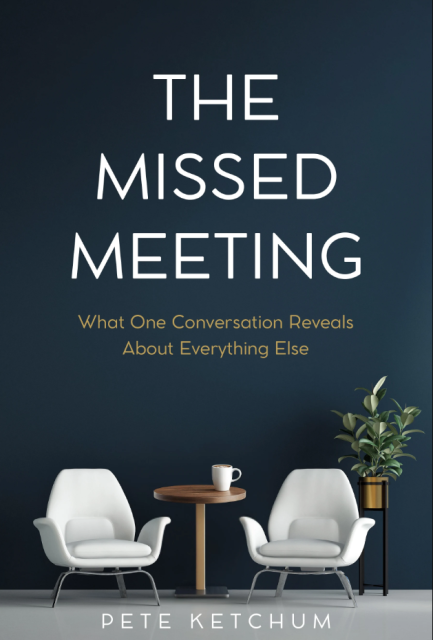
The Missed Meeting: What One Conversation Reveals About Everything Else
PublishDrive
March 23, 2026
Everything wrong with your culture is showing up in one meeting. You're just not seeing it yet.
Most leadership books tell you to have better one-on-ones. This one tells you why yours keep failing, and what that failure is actually trying to tell you.

The Missed Meeting applies Self-Determination Theory, the science of Autonomy, Competence, and Relatedness, to the most misunderstood 30 minutes in business. Pete Ketchum, an industrial-organizational psychologist and former military intelligence professional, draws on decades of field experience across finance, construction, government, and tech to reveal a pattern hiding in plain sight: organizations don't have a motivation problem. They have a demotivation problem. And the one-on-one is where it becomes visible.

Inside you'll find:
- The Sustain-Improve Framework, a feedback structure built on how humans, actually process information.
- Meeting cadences calibrated to role and psychological need
- Red flags that reveal when the meeting isn't the problem—the organization is
- The ARC Self-Assessment for diagnosing friction across your team
- A Pocket Playbook you can reference before every meeting

This book is for managers, founders, HR leaders, and anyone who's ever left a one-on-one wondering why they bothered. It's short, practical, and grounded in science, not corporate platitudes.

Stop trying to motivate people. Start removing what's demotivating them.

See publication

Tags: Behavioral Science, HR, Leadership

Thinkers360 Credentials

2 Badges

Radar

Blog

Opportunities

Events

Contact Pete Ketchum

Book a Video Meeting

Media Kit

Share Profile

Contact Info

  Profile

Pete Ketchum


Latest Activity

Search
How do I climb the Thinkers360 thought leadership leaderboards?
What enterprise services are offered by Thinkers360?
How can I run a B2B Influencer Marketing campaign on Thinkers360?