Unlock access to Thinkers360 AI to fast-track your search for analysts and influencers.
This feature is available for Enterprise Lite and Enterprise Members Only.
Upgrade to Enterprise Lite or Enterprise to see complete company ranking data for your organization and competitors. Plus, elevate your profile with always-on content amplification engineered to boost your SEO, AIO, and generative search footprint.
You have been temporarily restricted. Please be more thoughtful when adding content for your portfolio. Your portfolio and digital media kit and should be reflective of the professional image you wish to convey. Accounts may be temporarily restricted if we receive reports of spamming or if the system detects excessive entries.
Membership
Publish your original ideas on the Thinkers360 platform!
This feature is available for Pro and Pro-Plus Members Only.
Speaker Bureau functionality whereby individuals can be featured speakers within our Speaker Bureau service and enterprises can find and work with speakers.
This feature is available for Pro, Pro-Plus, Premium and Enterprise Members Only.
Highlight your featured products and services within our company directory for enhanced visibility to active B2B buyers worldwide as well as improved
SEO, AIO and generative search footprint.
This feature is available for Pro, Pro Plus, Premium and Enterprise Members Only.
Publish on the Web’s #1 Thought Leadership Blog.Join the elite. Ranked the top thought leadership blog by Feedspot (2021–2025), Thinkers360 offers you more than just a platform - it offers authority. Share your insights with our community and tap into a combined network of over 100M followers through our peer-to-peer marketplace.
You’ve reached your daily limit for entering quotes. Please only add personally-authored content which is reflective of your digital media kit and thought leadership portfolio.
Thinkers360 Content Library
For full access to the Thinkers360 content library, please join ourContent Planor become a contributor by posting your own personally-authored content into the system viaAdd PublicationorImport Publication.
Dashboard
Unlock your personalized dashboard including metrics for your member blogs and press releases as well as all the features and benefits of our member plans!
Interested in getting your own thought leader profile? Get Started Today.
Dr. Ajaya Sankar R
Muscat, Oman
> Highly motivated Revenue Growth Lead with a proven record of achieving exceptional results. Focused on developing and implementing strategic initiatives to drive revenue growth and increase market share. Strong analytical skills and expertise in identifying expansion opportunities. Committed to delivering measurable outcomes and exceeding targets.
> 20+ years of experience in sales and marketing roles in Business Development (B2B & B2C), consistently delivering results by implementing commercial strategies.
Dr. Ajaya Sankar R
Points
Academic
0
Author
59
Influencer
60
Speaker
0
Entrepreneur
0
Total
119
Points based upon Thinkers360 patented algorithm.
Thought Leader Profile
Portfolio Mix
Company Information
Areas of Expertise
Agile
AI 30.03
AI Governance 30.06
Architecture
Big Data
Business Continuity 30.23
Business Strategy 30.37
Careers
Change Management 30.06
Climate Change 30.11
Coaching 30.11
Construction
CRM
CSR 31.13
Culture 30.09
Customer Loyalty
Design Thinking
Digital Transformation 30.03
Digital Twins
Diversity and Inclusion 30.34
Ecosystems 30.51
Education
Emerging Technology
Energy 30.72
Entrepreneurship 30.59
Future of Work 30.30
Generative AI
GovTech
GRC 30.63
Innovation 30.09
International Relations 30.09
Leadership 30.61
Management 30.45
Marketing 30.05
Mental Health
Mergers and Acquisitions
Personal Branding
Predictive Analytics
Product Management
Project Management
Renewable Energy
Retail
Robotics
Sales 30.19
Smart Cities
Social 30.11
Startups
Sustainability 30.60
Transformation 30.64
Industry Experience
Publications & Experience
56 Article/Blogs
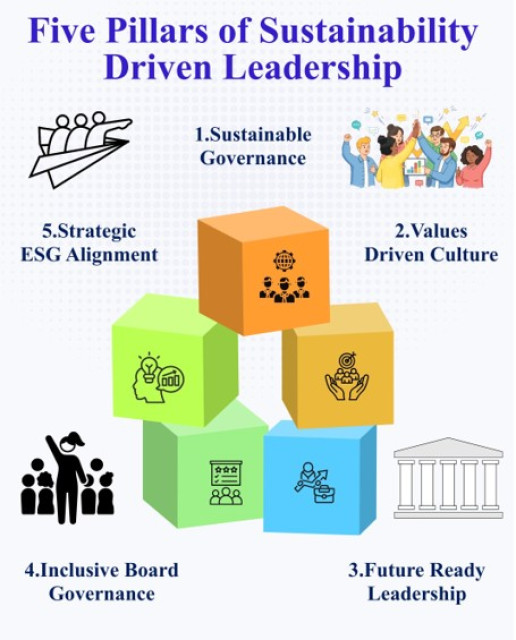
Sustainability in Governance and Culture: Embracing the Future-Ready Leader
Blog
August 29, 2026
The issue of sustainability has taken a decisive role in modern leadership where organisations are experiencing an escalating environmental, social and governance (ESG) challenges. Organizational culture and governance systems are now significant enough to determine how leaders are responsive to global risks like climate change, social inequality and regulatory scrutiny. Recent studies emphasize that those companies that implement sustainability in governance and leadership activities enjoy greater resilience and sustainability (Chopra et al., 2024; Aguilera et al., 2021). In its turn, this has given rise to the notion of the future-ready leader a leader that can match the strategic decision-making and sustainable governance with the value-driven culture.
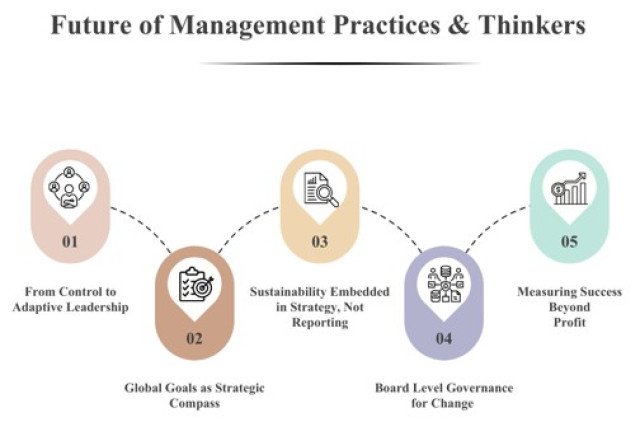
Future of Management Practices & Thinkers: Managing Change – Harnessing Global Goals for Sustainable Success
Blog
August 21, 2026
Rapid change in technology, climatic pressures, uncertainty in geopolitics, and transformed expectations of various societal groups are forcing management practices to be redefined fundamentally. Conventional efficiency models are no longer adequate to address the complex and interrelated issues of contemporary organizations. New studies also underline that the concepts of resiliency, adaptability, and purpose-driven leadership have become elements of long-term organizational success (Chandel et al., 2025). Therefore, modern management thought is that change should be managed using sustainable strategies according to global development priorities.
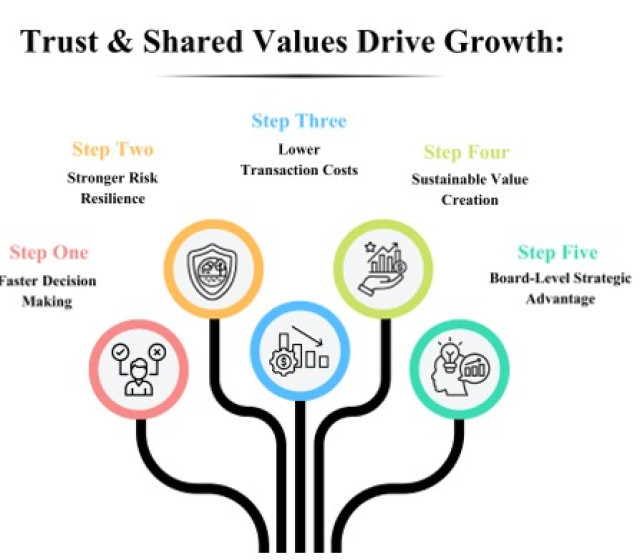
Trust and Shared Values as Growth Drivers in Principled Partnerships
Blog
August 15, 2026
In the current unstable and globalized economy, organizations are turning to principled alliances to experience resilience and sustainable development. Other than contractual terms, these partnerships are based on trust and shared values and allow firms to work together in the face of uncertainty, regulatory pressure, and stakeholder scrutiny. According to recent studies on management, trust-based and values-aligned relations contribute to greater cooperation, fewer coordination failures, and the ability to create value over the long-term, making them a as a strategic necessity of modern organizations (Ansell et al., 2022; Rodgers et al., 2022).
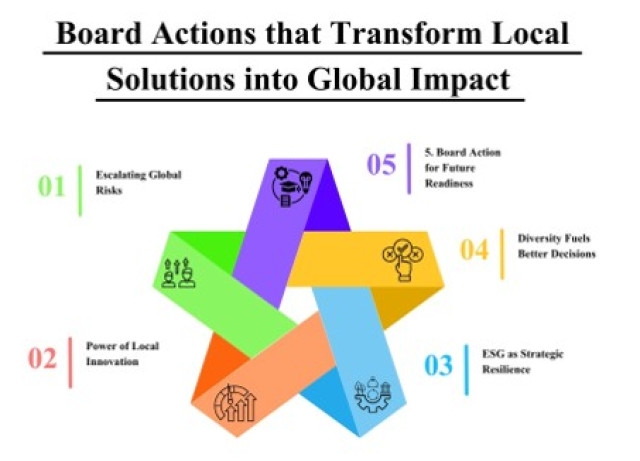
Bringing Local Solutions to Global Challenges: Empowering Innovation
Blog
August 07, 2026
The existing issues facing the globe, such as climate change, political instability, online misinformation, and social inequality, are more complex than ever before and pose a level of uncertainty previously unheard of for the functioning of organizations worldwide. Researchers increasingly acknowledge that these substantively complex issues require locally based but globally scaled solutions that are both innovation-based (Kramskyi et al., 2024). Local solutions are premised on contextual knowledge, institutional closeness, and stakeholder involvement, which assist organizations in responding more effectively to global pressures. In this respect, boards play a key role in advancing the innovation strategies that combine local efforts with global sustainability and resilience objectives.
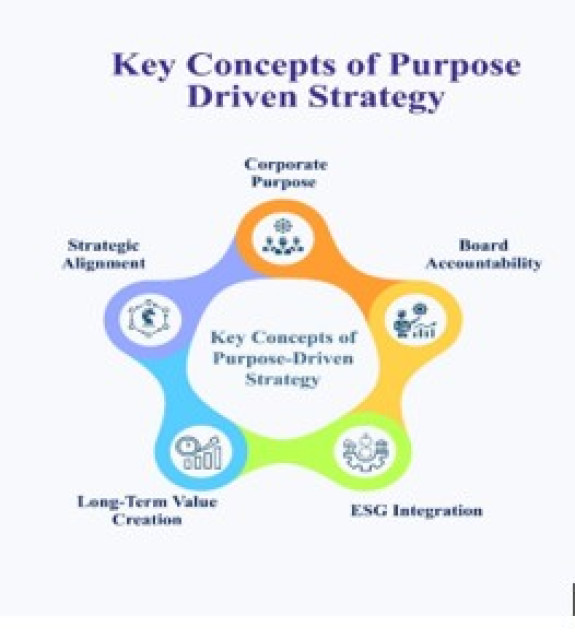
Global Goals and Purpose: Aligning Strategy with Purpose
Blog
July 28, 2026
Over the past few years, the corporate purpose and global goals have ceased to be peripheral issues, but they have become central in the process of strategic decision-making. Organizations are progressively anticipated to align their strategies to more widespread societal and environmental goals, especially those portrayed in the United Nations Sustainable Development Goals (SDGs). Purpose-driven strategy is the intentional alignment of organizational purpose to strategic long-term goals to generate long-term sustainable value to various stakeholders. Studies indicate that organizations that match purpose with strategy are more resilient, have better stakeholder trust, and better long-term performance, particularly in those environments where there are uncertainty and high rates of global change (Erbetta et al.,2023).
The UN Sustainable Development Goals as a Business Value Blueprint
Blog
July 17, 2026
The United Nations Sustainable Development Goals (SDGs), which have been adopted as part of the 2030 Agenda to Sustainable Development have transformed into a global development agenda to a business value creation strategy. In addition to the conventional corporate social responsibility, SDGs continue to influence the core business strategy, risk governance and long-term competitiveness. It has been indicated that the more sustainability goals and strategic choices are aligned within an organization, the more financial resilience, trust among stakeholders, and more successful in the results of innovations, they are (King, 2025); Srivastava et al., 2022). In the face of increasingly high regulatory burdens, investor activism, and systemic risks worldwide, boards are supposed to incorporate the SDGs into governance and strategic management to future-proof organizational value creation (Benn et al., 2021).
Tags: Business Strategy, Management, Sustainability
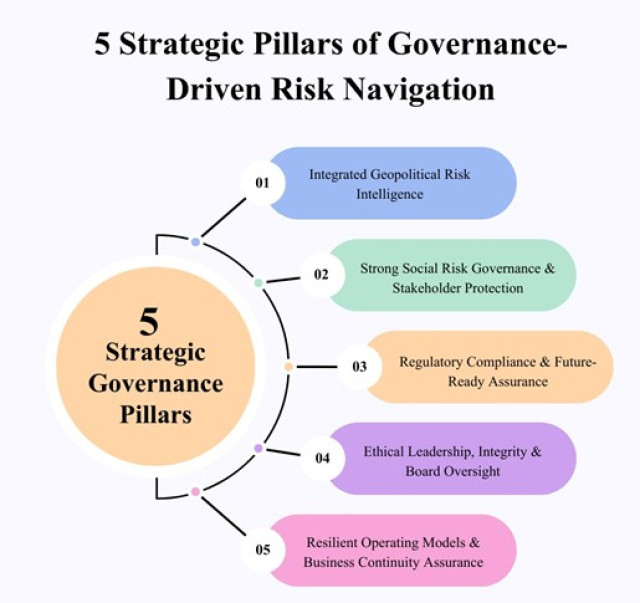
GEOPOLITICAL, SOCIAL, AND REGULATORY RISKS CAN BE NAVIGATED WITH ROBUST GOVERNANCE AND ASSURANCE
Blog
June 27, 2026
Geopolitical instabilities, social instabilities, and the increasing regulatory frameworks have built an environment in which risk is not an isolated event anymore but is endemic. Strong governance systems and guarantees systems allow organisations to foresee, decode and act on such pressures discipline and transparency. Governance combines control, ethical decision-making, and strategic alignment, and assurance is what supports the evidence, monitoring, and verification to retain the trust of the stakeholders
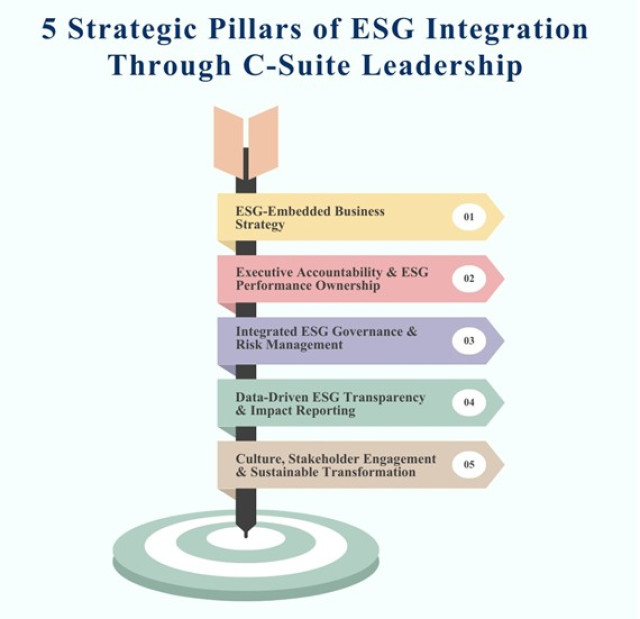
INTEGRATING ESG INTO BUSINESS OBJECTIVES AND INVOLVING C-SUITE: LEADERS DIRECTLY IN SUSTAINABILITY PERFORMANCE IS THE CORE OF ESG INTEGRATION
Blog
June 10, 2026
Environmental, Social and Governance (ESG) integration can be defined as the systematic process of integrating aspects of sustainability into the context of business goals, decision making and systems of leadership accountability. It requires organisations to take the step of progressing beyond reporting and integrating ESG metrics with strategic KPIs, risk management and executive performance expectations. This has become inevitable as investors; regulators and the global markets increase the vigilance over sustainability disclosures. By 2026, the global ESG assets are expected to grow to USD 33.9 trillion (PwC, 2022), which confirms that the capital markets are beginning to compensate companies that show a tangible ESG improvement. Simultaneously, the regulations have increased pressure on companies with the EU Corporate Sustainability Reporting Directive 2025 and the ISSB global standards 2024 raising the stakes of ESG integration as a strategic requirement versus an ethical decision (Europa, 2025; CSE, 2025).
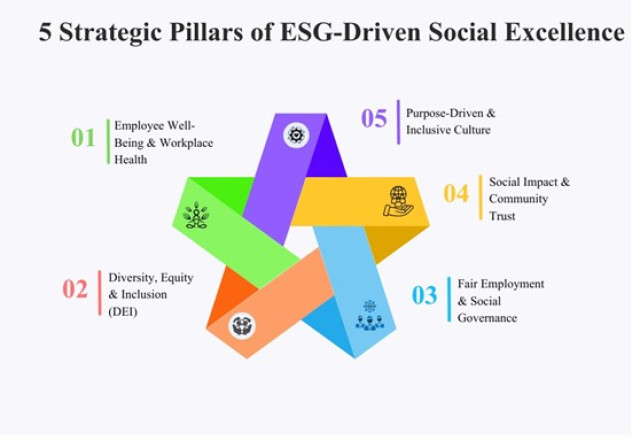
ESG ON THE SOCIAL SIDE: EMBEDDING EMPLOYEE WELL-BEING, DIVERSITY, AND INCLUSION INTO COMPANY CULTURE FOR TALENT RETENTION AND BRAND VALUE
Blog
May 29, 2026
Implanting the social aspects of “Environmental, Social and Governance (ESG)” model into a corporate DNA has gained growing traction to secure both brand value and talent retention (Rosário & Cruz, 2025). The ‘social’ aspect underscores diversity, inclusion and employee well-being, which extend apart from mere compliance to serve as a strategic differentiator. The key topic headings, explanation on their relevance in current context with supporting examples and statistics have been discussed in this assignment, highlighted actionable suggestions for strategy and boards, aided with expert commentary. A conclusion derived for boards with actionable recommendations to hold tight their organisations in a continuous transforming global landscape.
Tags: Diversity and Inclusion, GRC, Sustainability
INCORPORATING ESG INTO BUSINESS STRATEGY FOR PROFITABILITY AND COMPETITIVE ADVANTAGE: MOVING BEYOND COMPLIANCE
Blog
May 15, 2026
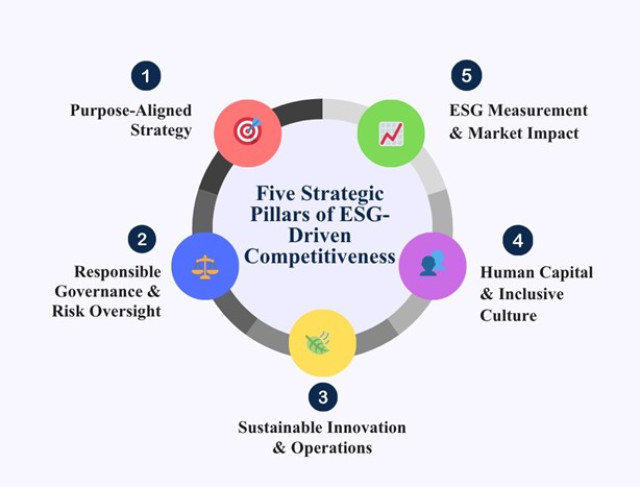
Unification of ESG as the “Environmental, Social, and Governance” drivers in the business model refers to consideration of ESG issues in the present business framework; that is also defined by four determinants (value creation, value proposition, value capture and value delivery) (Aldowaish et al., 2022). The addressal of “Environmental” pillar demonstrates into the organizational efficiency to manage its footprint on the ecological premises (for instance, resource use, waste and carbon emissions). The way in a business manages its relationships with suppliers, employees, communities and customers (for instance, labour practices, human rights and diversity) refer to the “Social” pillar. The “Governance” pillar meanwhile, concerns the way in a business is governed (for instance, executive pay, board composition, accountability and transparency). Hence, a rigorous ESG measure strives beyond only risk-mitigation or, regulatory compliance. Instead, it serves ESG as the key element of the business framework, in particular as an action plan complied with the values growth aspirations and vision of the firm (SG Analytics, 2025). Businesses emphasize to boost competitive advantage, adhere with stakeholder demands and drive profitability through striving apart from compliance towards strategic integration.
A NEW PLAYBOOK FOR LEADERSHIP: PURPOSE, INCLUSION, AND HUMAN-CENTERED SKILLS
Blog
April 07, 2026
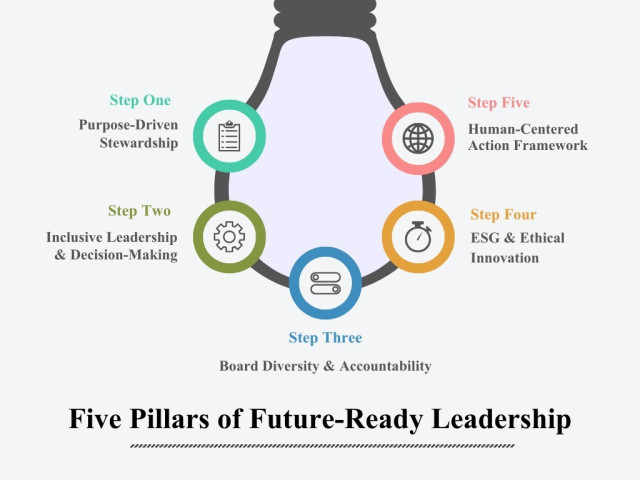
This modern leadership playbook is mostly defined as inclusive decision-making, human-centered skill development, and purpose-driven governance, simultaneously for boards and leaders (Ghobakhloo et al., 2025). In the face of rapid geopolitical shifts, rising stakeholder expectations and technological transformations, boards need to reframe their strategy to blend diversity, social impact, and purpose alongside financial goals (WE Forum, 2025). Thereby, reframing leadership emphasis has become necessary to sustain global human resource trends and remain their organizations’ competitive remarks in the saturated global context.
Corporate Strategy Integrates Indigenous Wisdom: A Corporate Governance Framework for the Future
Blog
March 23, 2026
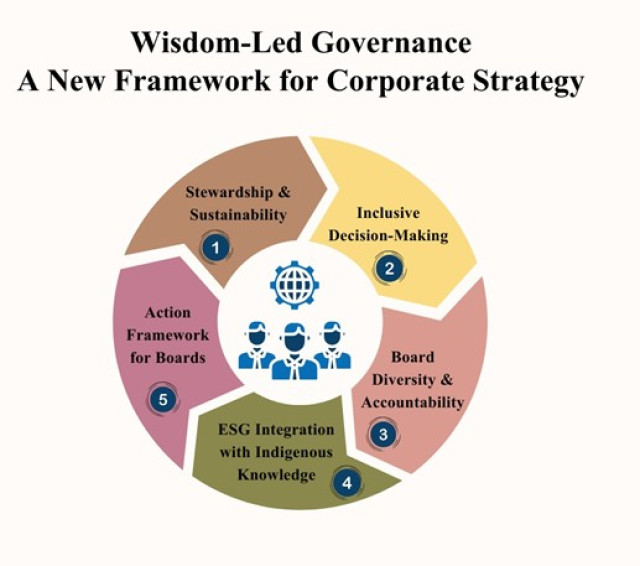
In the face of social change, environmental issues, and fast globalization, existing “corporate governance (CG)” operations have encountered notable scrutiny corresponding with their diversity and resilience. Indigenous wisdom’s centralization in business tactics has called for a transforming procurement that aided sustainable operations, sustained value gains and ethical leadership. Governance by the Indigenous community has positioned corporate boards with a uniform framework to guide the rapid business environment’s rigidity by underscoring uniform decision-making, intergenerational obligations, and natural resources management.
Leadership for Regenerative Digital Transformation in the Age of Artificial Intelligence
Blog
March 06, 2026
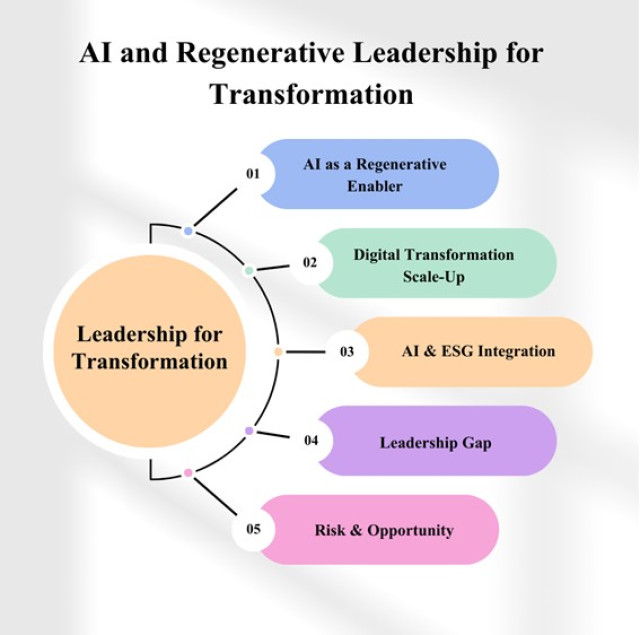
Leadership in the age of Artificial Intelligence (AI) is no longer about merely driving efficiency or adopting the latest digital tools. Instead, it is about embracing regenerative digital transformation—an approach that affirms organizations do not just sustain but actively restore and regenerate value for society, the environment, and economies. This model goes beyond compliance and resilience to embed purpose, ecosystem thinking, and adaptive intelligence into leadership strategies.
Designing Organizations Based on Nature-Inspired Management Systems
Blog
February 24, 2026
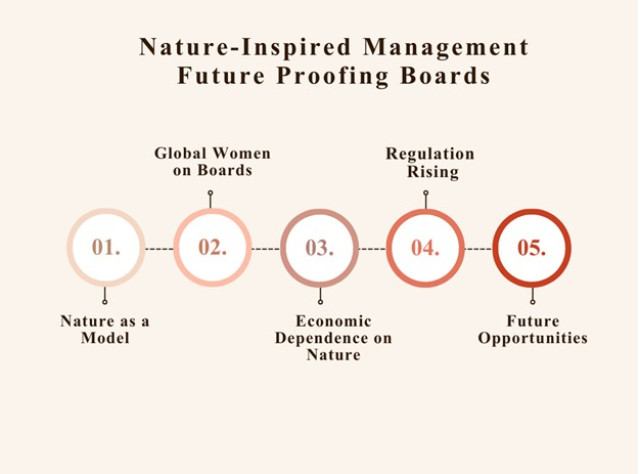
Nature-inspired management systems are approaches to organizational design that draw on principles, structures, and processes found in natural ecosystems. These systems emphasize adaptability, resilience, feedback loops, diversity, and efficient resource use. When applied to management, they offer more than metaphoric value: they can reshape how organizations operate, strategize, and sustain themselves in uncertain environments. This article defines key concepts, discusses why this approach is increasingly relevant, and highlights what it means for boards and strategy, presents expert voices, uses infographics to show trends, and offers practical recommendations and conclusion to future-proof organizations
Stakeholder capitalism: Circular Leadership Models
Blog
February 07, 2026
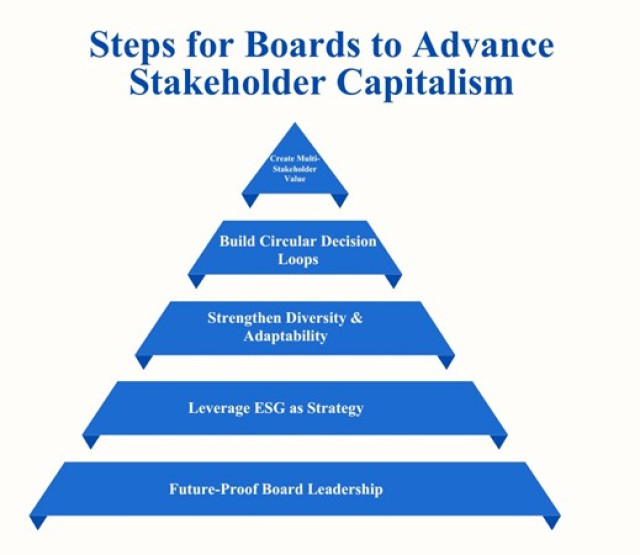
The biggest changes affecting capitalism over a century has taken place in the last ten years. Corporations have now been required to reveal value for their customers, suppliers, workers, communities, and the environment along with reporting their financial earnings. Stakeholder capitalism, a phrase commonly utilizes to remark this change. Circular leadership models that emphasize regenerative tactics, feedback-centric decision-making and participatory governance have gained potential within this paradigm, as instrumental technique. These frameworks have been evident to be vital to enforce long-term value and resilience as firms currently dealing with geopolitical unpredictability, rapid technological transformation and climate change.
A Spirit of Dialogue: Davos 2026
Blog
January 23, 2026
The A Spirit of Dialogue theme of Davos 2026 underscores the dire necessity of reestablishing cooperation and trust in a global environment growing ever more fragmented. The increasing geopolitical tensions, the deterioration of multilateral institutions, rapid technological upheaval, growing inequalities, and rising climate risks have increased global uncertainty and the complexity of governance. Unilateral and reactive leadership styles thus do not work (World Economic Forum, 2023; World Economic Forum, 2024). International risk reports have identified geopolitical conflict, misinformation, and environmental degradation as highly intertwined threats. In the future, Davos 2026 will focus on collaboration in the world of contention, responsible innovation, people investment, and prosperity within the boundaries of the planet, making dialogue one of the strategic needs of resilient and legitimate global leadership (McKinsey & Company, 2026; World Economic Forum, 2026a).
Organizational recovery after a crisis: Regenerative Leadership
Blog
January 09, 2026
Corporations move aside recovery towards regeneration in the face of structural hazards, spanning from COVID-19 and value-chain disruptions to climatic crises and geopolitical conflicts. Interim survival approaches are deficient for the today’s interdependent, yet unstable global landscape, as per a research upon crisis leadership (Touat, 2024). Elkington's notion of “triple bottom line” that balanced social, environmental and economic performances for sustainable recovery is pursuant to emphasis of regenerative leadership on stakeholder trust, long-term value and renewal (Abraham, 2024). Corresponding to the recent insights gathered from World Economic Forum in 2023, executives have placed a large attention on resilience and regeneration. In regard of ensuring that enterprises strongly recover from crises and equipped for the better future, boards shall integrate inclusivity, adaptation and sustainability into strategy and governance.
Diverse Board Composition Impacts Corporate Strategy When Expanding Globally
Blog
December 13, 2025
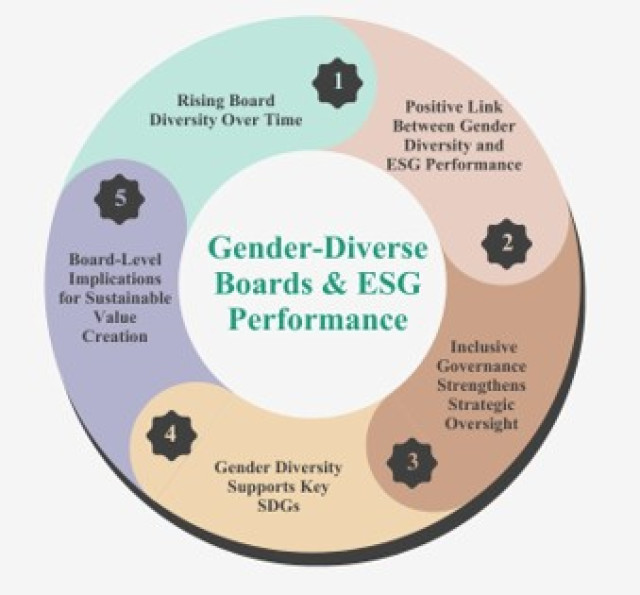
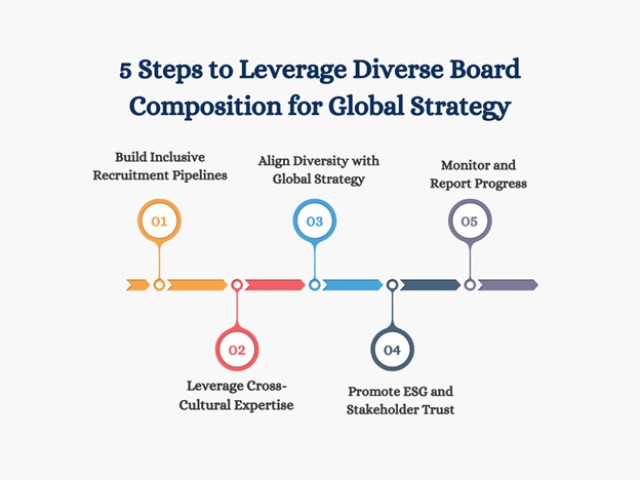
Board diversity refers to the inclusion of individuals from diverse backgrounds, including gender, ethnicity, age, skills, and professional experience, on a company’s board of directors. It is increasingly recognized as a vital component of effective governance and strategic decision-making. In the context of global expansion, diverse boards bring broader perspectives, cultural awareness, and innovative approaches that strengthen organizational adaptability (Dimingu & Mogaji, 2024). Recent studies highlight that companies with more diverse boards outperform peers in international markets due to enhanced risk assessment and stakeholder engagement (Battaglia et al., 2025). Regulators and investors increasingly demand robust diversity disclosures, linking board representation to sustainable growth, highlighted by studies showing that board diversity improves ESG transparency and boosts firm value.” (Alodat & Hao, 2025)
The Effectiveness of Corporate Governance Initiatives Based on Digital Transformation
Blog
November 26, 2025
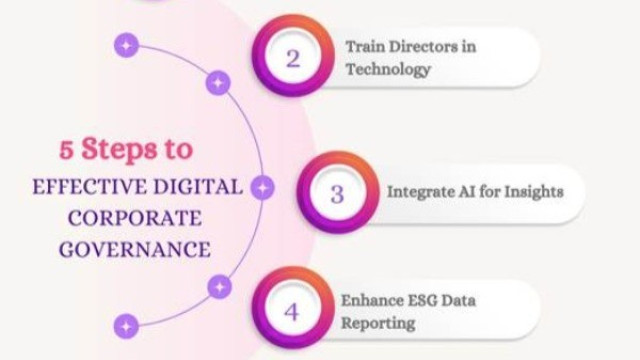
Corporate governance refers to the mechanisms, rules, and procedures that guide the leadership and management of companies, ensuring accountability, fairness in stakeholder relationships, and transparency (Efunniyi et al., 2024). Digital transformation, in turn, entails improving business operations through the use of digital technologies, including artificial intelligence, blockchain, and big data analytics, to optimize efficiency and drive innovation (Akter et al., 2022).
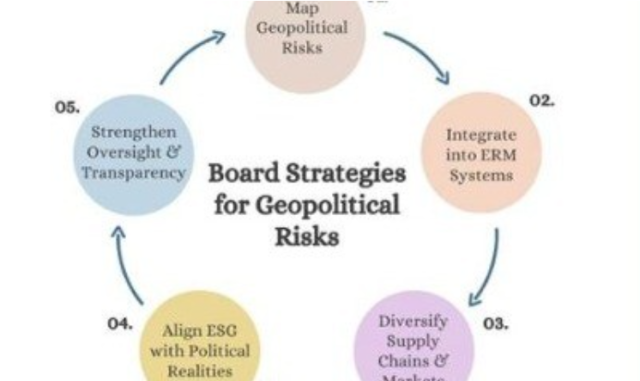
Implications of Geopolitical Tensions for International Business: Strategic Insights for Boards
Linkedin
October 16, 2025
Geopolitical tensions have become one of the greatest threats to business activities in the current globalized economy. The supply chain, regulatory risk, and reputation are new direct threats that are linked to cyber threats, wars, sanctions, and protectionist strategy (Ifraimu, 2024). Multiple events, including the U.S. China trade war, invasion of Ukraine by Russia, and the Israel Gaza conflict, have altered markets and created more political risks. The IMF (2023) reports that more than 60 per cent of CEOs have now listed geopolitical instability as one of the highest business risks compared to 38 per cent in 2019.
Tags: Entrepreneurship, Future of Work, Leadership
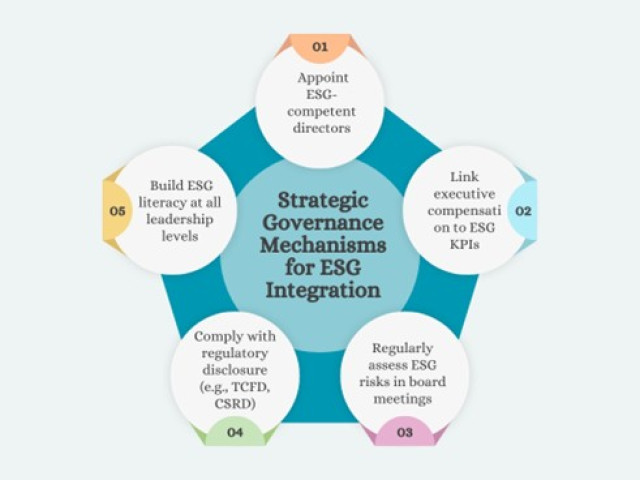
Integrating Sustainability and ESG Criteria into Corporate Strategy: From Risk Mitigation to Value Creation
Blog
September 12, 2025
In the new era of global accountability and stakeholder scrutiny, Environmental, Social, and Governance (ESG) integration can no longer be treated as a second priority; it is a core initiative. The business community is under increasing pressure globally, particularly in fast-developing areas such as the Gulf, to integrate sustainability into its fundamental decision-making processes, driven by regulatory requirements, investor expectations, and consumer demands. The same survey conducted by PwC (2023) Global Investor Survey indicates that 79% of the investors have listed ESG risks as a critical component in the assessment of long-term company performance. It is this change in expectations that is causing companies to develop beyond ad-hoc sustainability activities to incorporate ESG considerations as part of their business model, their governance system, and their overall long-term strategy.
Keywords: Sustainability Integration, ESG Criteria, Corporate Strategy, Risk Mitigation, and Value Creation
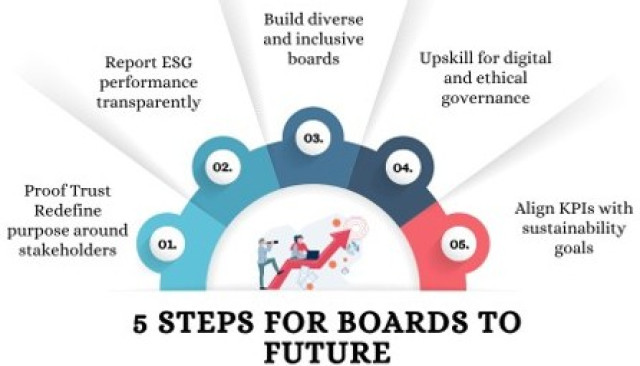
Building Long-Term Value: How Evolving Corporate Governance Is Reshaping Stakeholder Trust
Blog
August 15, 2025
In the current global world, characterised by disaster-hyped circumstances, the area of corporate governance has evolved into a more strategic asset that enhances stakeholder confidence and creates long-term value (Akinsola, 2025). Governance practices are currently being realigned with the expectations of other stakeholders, including customers, employees, regulators, investors, and communities as a tradition that was strictly focused on serving the interests of the shareholders. As people become more critical and societal demands change, firms must ensure that their governance models align with this evolving scenario.
Keywords: Corporate Governance, Stakeholder Trust, Long-Term Value, Board Accountability
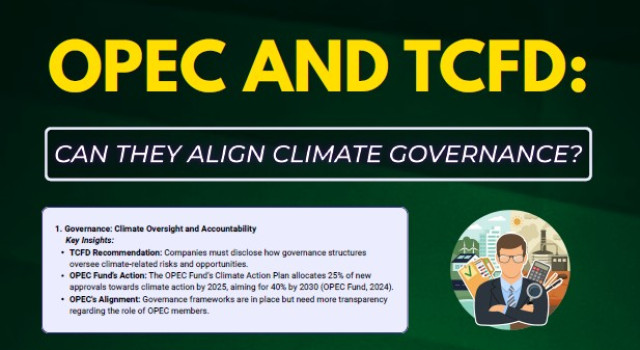
OPEC and TCFD: Can They Align Climate Governance
Blog
August 01, 2025
Driven by the urgency of climate change, transparency and accountability frameworks have gained widespread adoption across sectors. How does the Financial Stability Board (FSB) Task Force on Climate-related Financial Disclosures (TCFD) assist corporations in disclosing climate-related financial risks? This is essential news for OPEC, which is the biggest whale when it comes to ALL oil markets, and people fond of climate action. This blog examines governance, strategy, risk management, and metrics to determine whether OPEC is walking the TCFD talk.
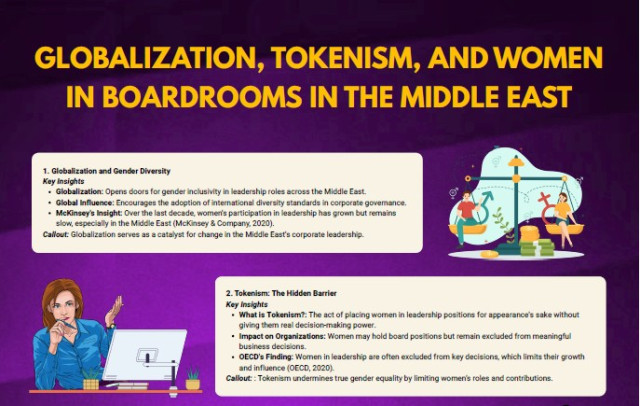
Globalization, Tokenism, and the Middle East's Women Boards
Blog
July 19, 2025
Over the last two decades, gender diversity, particularly in terms of women on boards, has gradually increased across Middle Eastern firms. Globalization, through the establishment of inclusive frameworks and global norms, has facilitated these developments. Some women are still stuck with a status of tokenism—attractive board members instead of influential ones, although representation has improved. Explore how globalization has influenced Middle Eastern women's representation in boardrooms, tokenism, and meaningful inclusion in this blog.
Tags: Diversity and Inclusion, Leadership, Transformation
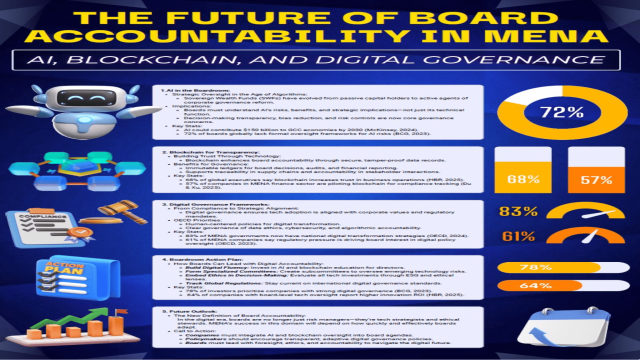
The Future of Board Accountability in MENA: AI, Blockchain, and Digital Governance
Blog
July 11, 2025
The corporate governance landscape in MENA is quickly evolving and becoming more wide-ranging as the pace of digital transformation accelerates. As a result, AI, Blockchain, and digital governance frameworks are changing the expectations of boards with a focus away from simply managing the business to becoming leaders in driving digital strategy and innovation. Such new tools are vital to the responsible, ethical, and transparent business activities of MENA board accountability. In this blog, we consider (1) AI and blockchain as a catalyst for boardroom supervision; (2) enhancing accountability through digital governance; and (3) what MENA boards need to do to keep pace
Entrepreneurship & Leadership Management - Fascinating Tactics That Can Ensure Business Grow
I Manager's - Journal on Management
September 01, 2022
The current article focuses on "Fascinating Business Growth Tactics – Entrepreneurship & Leadership Management”, in which the learner (Ajay) highlights the key strategic roles of a leader that help sustain a business. This assessment is based on secondary sources, and it is developed by the learner to be more infographic-oriented so that the reader has access to the necessary information. The assessment commences with a brief piece of information about entrepreneurship and entrepreneurial leadership skills before an attempt is made to highlight the potential strategies that are needed for business growth.
The learner encloses key factors that help in the growth of a business, for instance, the right strategic orientation, strategic foresight, creativity, and the role of a leader in an enterprise's growth. Further, the role of sound strategies in business growth, which includes effective digitalization strategies, innovative ecosystems, product innovation, and engaging the right people, is discussed with relevant examples from diversified industries.
Tags: Business Strategy, Entrepreneurship, Transformation
Thinkers360 Credentials
6 Badges
Radar
Blog
Opportunities
Events
Video
Become a Member
Join Thinkers360 for free! Are you a Reader/Writer, Thought Leader/Influencer (looking to increase your earnings), or an Enterprise User (looking to work with experts)?



 Sustainability in Governance and Culture: Embracing the Future-Ready Leader
 Future of Management Practices & Thinkers: Managing Change – Harnessing Global Goals for Sustainable Success
 Trust and Shared Values as Growth Drivers in Principled Partnerships
 Bringing Local Solutions to Global Challenges: Empowering Innovation
 Global Goals and Purpose: Aligning Strategy with Purpose
 The UN Sustainable Development Goals as a Business Value Blueprint
 GEOPOLITICAL, SOCIAL, AND REGULATORY RISKS CAN BE NAVIGATED WITH ROBUST GOVERNANCE AND ASSURANCE
 INTEGRATING ESG INTO BUSINESS OBJECTIVES AND INVOLVING C-SUITE: LEADERS DIRECTLY IN SUSTAINABILITY PERFORMANCE IS THE CORE OF ESG INTEGRATION
 ESG ON THE SOCIAL SIDE: EMBEDDING EMPLOYEE WELL-BEING, DIVERSITY, AND INCLUSION INTO COMPANY CULTURE FOR TALENT RETENTION AND BRAND VALUE
 INCORPORATING ESG INTO BUSINESS STRATEGY FOR PROFITABILITY AND COMPETITIVE ADVANTAGE: MOVING BEYOND COMPLIANCE
 A NEW PLAYBOOK FOR LEADERSHIP: PURPOSE, INCLUSION, AND HUMAN-CENTERED SKILLS
 Corporate Strategy Integrates Indigenous Wisdom: A Corporate Governance Framework for the Future
 Leadership for Regenerative Digital Transformation in the Age of Artificial Intelligence
 Designing Organizations Based on Nature-Inspired Management Systems
 Stakeholder capitalism: Circular Leadership Models
 A Spirit of Dialogue: Davos 2026
 Organizational recovery after a crisis: Regenerative Leadership
 Diverse Board Composition Impacts Corporate Strategy When Expanding Globally
 The Effectiveness of Corporate Governance Initiatives Based on Digital Transformation
 Implications of Geopolitical Tensions for International Business: Strategic Insights for Boards
 Integrating Sustainability and ESG Criteria into Corporate Strategy: From Risk Mitigation to Value Creation
 Building Long-Term Value: How Evolving Corporate Governance Is Reshaping Stakeholder Trust
 OPEC and TCFD: Can They Align Climate Governance
 Globalization, Tokenism, and the Middle East's Women Boards
 The Future of Board Accountability in MENA: AI, Blockchain, and Digital Governance
 Entrepreneurship & Leadership Management - Fascinating Tactics That Can Ensure Business Grow