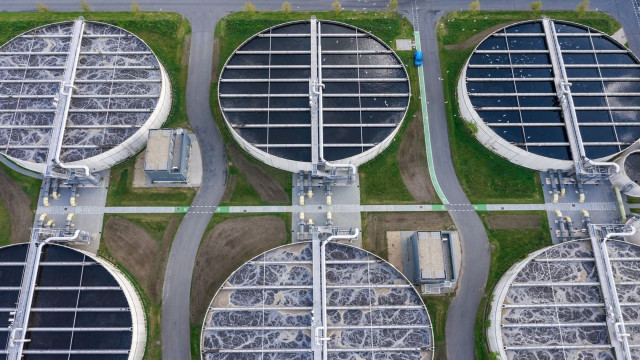
 NEREDA: A Sustainable Solution for Saudi Arabia's Wastewater Treatment Introduction
LinkedIn
November 05, 2024
The LinkedIn article titled "NEREDA: A Sustainable Solution for Saudi Arabia's Wastewater Treatment" by Cem Cesur PMP, P.E., explores the potential of the Nereda technology to address Saudi Arabia's escalating wastewater management challenges. As urbanization accelerates and environmental regulations tighten, traditional treatment methods are increasingly inadequate. Nereda offers a compact, energy-efficient, and low-maintenance alternative, utilizing aerobic granular sludge to achieve high pollutant removal efficiency.
Key advantages of implementing Nereda in the Kingdom include:
• Enhanced Water Quality: Superior removal of organic matter, nutrients, and suspended solids, ensuring compliance with stringent discharge standards
• Reduced Operational Costs: Lower energy and chemical consumption, coupled with decreased sludge production, result in significant cost savings.
• Compact Footprint: The system's design requires less space, making it ideal for urban areas with limited land availability.
• Robustness and Reliability: Nereda systems are resilient to fluctuations in wastewater flow and composition, minimizing operational challenges.
• Sustainability: The technology aligns with environmental goals by reducing carbon footprint and promoting resource conservation.
The article emphasizes that adopting Nereda technology can significantly contribute to Saudi Arabia's Vision 2030 by enhancing water quality, conserving resources, and promoting environmental sustainability. By embracing such innovative solutions, the Kingdom can ensure the long-term viability of its water infrastructure.
See publication
Tags: Business Strategy, Project Management, Sustainability
 Building a Brighter Future: The Evolving Landscape of Utilities Infrastructure
LinkedIn
July 13, 2024
In "Building a Brighter Future: The Evolving Landscape of Utilities," Cem Cesur examines the transformative shifts in utility infrastructure, emphasizing developments in Saudi Arabia and the UAE.
The article also discusses challenges such as high initial investment costs, integration complexities of renewable sources, and the need for a skilled workforce. However, it underscores the vast opportunities these advancements present, including enhanced sustainability, energy security, operational efficiency, and job creation. Cesur concludes that by embracing these innovations, the region is poised to lead in the global energy landscape, fostering a sustainable and secure future.
See publication
Tags: Architecture, Smart Cities, Sustainability
 Building a Safer Future: AI and Computer Vision Revolutionize Workplace Safety
LinkedIn
July 06, 2024
The LinkedIn article titled "Building a Safer Future: AI and Computer Vision Revolutionize Workplace Safety" by Cem Cesur, PMP, P.E., explores the transformative impact of artificial intelligence (AI) and computer vision technologies on enhancing safety in construction environments. Traditional safety measures often rely on human oversight, which can be limited and reactive. In contrast, AI-driven systems offer proactive monitoring by analyzing real-time video feeds to detect unsafe practices, such as improper use of equipment or absence of personal protective equipment (PPE). Upon identifying potential hazards, these systems can promptly alert workers and safety personnel, facilitating immediate corrective actions. Moreover, the accumulation and analysis of safety data enable the identification of patterns, informing targeted training and preventive strategies. The integration of AI and computer vision not only reduces workplace accidents but also fosters a culture of safety, enhances training effectiveness, and improves overall productivity. The article emphasizes that successful implementation requires collaboration between technology providers and construction firms, ensuring that AI tools complement human expertise to create safer work environments.
See publication
Tags: AI, Risk Management, Robotics
 Building a Safer Future: AI and Computer Vision Revolutionize Workplace Safety
LinkedIn
July 04, 2024
The LinkedIn article titled “Building a Fortress: AI-Driven Risk Management for a Secure Construction Future” by Cem Cesur, PMP, P.E., explores the transformative role of artificial intelligence (AI) in enhancing risk management within the construction industry. It contrasts traditional, reactive risk management methods—which often depend on intuition and historical data—with AI-powered approaches that offer proactive, data-driven insights.
See publication
Tags: AI, Construction, Risk Management
 Mastering Mega Projects: The Art of Turning Vision into Reality
LinkedIn
December 23, 2024
In "Mastering Megaprojects: The Art of Turning Vision into Reality," Cem Cesur emphasizes the critical role of project controls in the successful execution of large-scale infrastructure projects, particularly wastewater treatment plants. He outlines how effective project management addresses the inherent complexities of such projects by ensuring multidisciplinary coordination, stakeholder alignment, adherence to timelines and budgets, risk mitigation, and compliance with environmental regulations.
Cesur further explores the transformative impact of digitalization on megaproject outcomes. He discusses the integration of technologies such as Building Information Modeling (BIM), Internet of Things (IoT) sensors, digital twins, and predictive analytics in enhancing design accuracy, real-time monitoring, efficient scheduling, cost management, and sustainability.
The article concludes by asserting that the synergy of robust project management and advanced digital tools is essential in translating visionary infrastructure concepts into tangible, sustainable realities that serve public health and environmental needs.
See publication
Tags: Design Thinking, Digital Twins, Project Management
 AI Revolutionizes Wastewater Treatment: The Rise of Nereda Systems
LinkedIn
November 13, 2024
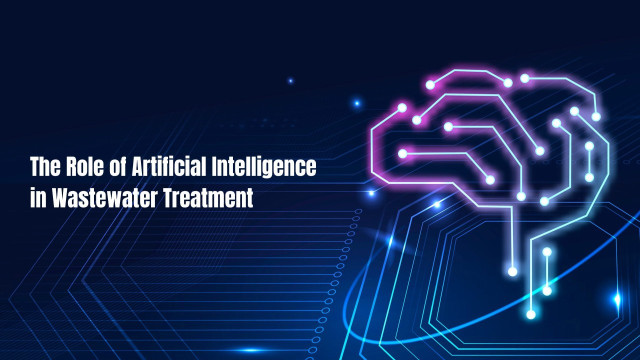
The LinkedIn article titled "AI Revolutionizes Wastewater Treatment: The Rise of Nereda Systems" by Cem Cesur, PMP, P.E., explores the transformative impact of integrating Artificial Intelligence (AI) with the Nereda wastewater treatment technology.
Nereda Technology Overview:
Nereda is an advanced biological wastewater treatment process that employs aerobic granular sludge. This innovation offers several advantages over traditional activated sludge systems, including:
Enhanced Efficiency: Superior pollutant removal capabilities.
Energy Savings: Reduced energy consumption due to lower aeration requirements.
Compact Design: Smaller footprint, making it suitable for urban installations.
Operational Robustness: Resilience to fluctuations in wastewater flow and quality.
Role of AI in Enhancing Nereda Systems:
The integration of AI into Nereda systems amplifies their effectiveness through:
Real-Time Monitoring and Control: AI-powered sensors continuously track parameters like pH, temperature, and dissolved oxygen, enabling dynamic adjustments for optimal performance.
Predictive Maintenance: AI algorithms analyze historical data to foresee potential equipment failures, allowing for proactive interventions and minimizing downtime.
Optimized Process Control: AI fine-tunes operational parameters such as aeration rates and sludge retention times, enhancing treatment efficiency and reducing costs.
Improved Energy Management: AI-driven systems identify and implement energy-saving strategies, further lowering operational expenses.
See publication
Tags: AI, Construction, Project Management
 AI Revolutionizes Quantity Surveying: Transforming the Construction Landscape in the Middle East
LinkedIn
July 12, 2024
The newsletter titled "AI Revolutionizes Quantity Surveying: Transforming the Construction Landscape in the Middle East" by Cem Cesur PMP, P.E., explores the transformative impact of Artificial Intelligence (AI) on quantity surveying (QS) practices within the Middle Eastern construction industry. It addresses the limitations of traditional QS methods—such as manual data entry, complex contract analysis, and limited stakeholder collaboration—and highlights how AI technologies are overcoming these challenges.
See publication
Tags: AI, Construction, Management
 Building Green with AI: Training Algorithms for Sustainable Design Decisions
LinkedIn
July 10, 2024
The newsletter titled "Building Green with AI: Training Algorithms for Sustainable Design Decisions" by Cem Cesur PMP, P.E., explores the transformative role of artificial intelligence (AI) in promoting sustainable practices within the construction industry. It addresses the limitations of traditional design methods, which often overlook energy efficiency due to constraints in expertise and limited exploration of design alternatives.
Cesur highlights how AI algorithms, trained on extensive datasets encompassing building designs, energy performance metrics, and sustainable construction practices, can revolutionize the design process. These AI systems can automate energy performance analyses, recommend energy-saving features (such as high-performance windows and solar panels), assess materials based on embodied energy, and optimize designs for sustainability without compromising structural integrity or aesthetics.
Cesur emphasizes that the successful implementation of AI for sustainable design necessitates collaboration between architects and engineers. Understanding AI capabilities and integrating its suggestions into the design process can enhance creativity and optimize outcomes, rather than replacing human expertise. By harnessing AI, the construction industry can move towards a future where sustainable building practices are standard, reducing environmental impact and fostering energy-efficient development.
See publication
Tags: AI, Architecture, Sustainability
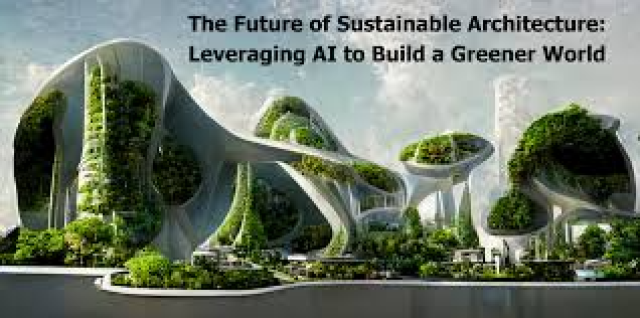 Building Smarter: How AI Minimizes Construction Waste and Maximizes Resource Efficiency
LinkedIn
July 09, 2024
The LinkedIn article "Building Smarter: How AI Minimizes Construction Waste and Maximizes Resource Efficiency" by Cem Cesur explores the transformative role of artificial intelligence (AI) in promoting sustainable construction practices.
Traditional construction methods often lead to excessive material consumption, inefficient designs, and limited visibility into material usage, resulting in significant waste and environmental impact. AI addresses these challenges through several key applications:
AI-Powered Design Optimization: AI analyzes building plans to suggest alternative designs that reduce material requirements while maintaining structural integrity and functionality.
Material Takeoff Automation: By examining blueprints and specifications, AI generates accurate material quantity estimates, preventing over-ordering and minimizing waste.
Real-Time Inventory Management: AI systems track on-site material usage, offering real-time insights into consumption patterns and identifying opportunities for waste reduction.
Predictive Maintenance: Analyzing historical data and sensor readings, AI predicts when materials may require repair or replacement, enabling proactive maintenance and reducing waste from preventable damage.
Implementing AI in construction leads to reduced waste generation, enhanced sustainability, improved cost management, and streamlined processes. While AI is not a standalone solution, it serves as a powerful tool for achieving sustainable construction practices. The article encourages companies to invest in AI technologies and train their workforce to effectively adopt these innovations, paving the way for smarter and greener construction projects.
See publication
Tags: AI, Construction, Sustainability
 Bridging the Gap: AI-powered Communication Platforms Revolutionize Construction Collaboration
LinkedIn
July 02, 2024
The LinkedIn newsletter titled "Bridging the Gap: AI-powered Communication Platforms Revolutionize Construction Collaboration" by Cem Cesur, PMP, P.E., explores the transformative impact of AI-driven communication tools in the construction industry. It addresses common challenges such as fragmented communication, language barriers, and limited access to information that often hinder project efficiency.
Cesur highlights how AI-powered platforms, including chatbots and virtual assistants, serve as centralized communication hubs. These tools facilitate real-time information sharing, provide instant access to project documents, and offer real-time language translation, thereby enhancing collaboration among diverse stakeholders.
The newsletter emphasizes the benefits of these AI solutions, including improved collaboration, reduced delays, increased efficiency, and enhanced project visibility. However, it also notes the importance of addressing data security concerns and ensuring user adoption to fully realize the potential of AI in construction communication.
Overall, Cesur advocates for the integration of AI-powered communication platforms as a means to create a more connected and efficient construction ecosystem.
See publication
Tags: AI, Construction, Project Management





 Unpacking the Complexity of City Development Projects in Saudi Arabia — and Why the World, Especially the U.S., Should Pay Attention