


With 28 years of AI experience, I show business leaders how to accelerate AI adoption by explaining AI and switching the focus from tools to people … through keynotes & advice.
Available For: Advising, Consulting, Speaking
Travels From: Portland, OR, USA or Zurich, Switzerland
Speaking Topics: AI adoption, AI in healthcare, Beyond the AI hype, The human factor, How to succeed with AI, What's in it for me?
| Jack Lampka | Points |
|---|---|
| Academic | 60 |
| Author | 165 |
| Influencer | 36 |
| Speaker | 205 |
| Entrepreneur | 0 |
| Total | 466 |
Points based upon Thinkers360 patent-pending algorithm.

 Analytical AI & Generative AI: Why, What, How
Tags: Change Management, Generative AI, Predictive Analytics
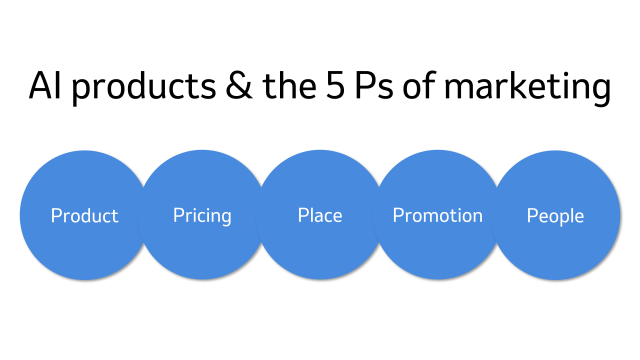 How to market AI products to internal customers?
Tags: AI, Change Management, Predictive Analytics
 11 building blocks for a successful data strategy
Tags: AI, Change Management, Predictive Analytics
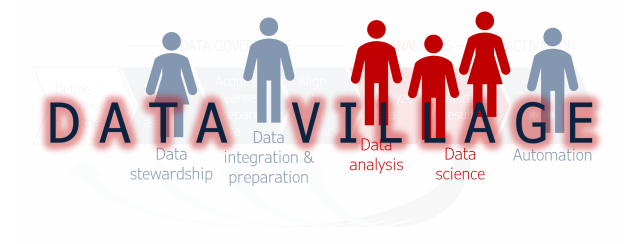 It takes a data village
Tags: AI, Change Management, Predictive Analytics
 Data Science in Pharma RELOADED
Tags: Change Management, Healthcare, Predictive Analytics
 Data Science in Pharma
Tags: AI, Change Management, Healthcare
 Future of Patient Data
Tags: AI, Change Management, Healthcare
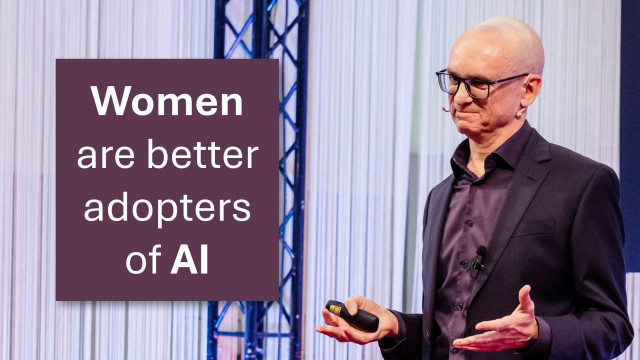 Women are better adopters of AI
Tags: AI, Change Management, Generative AI
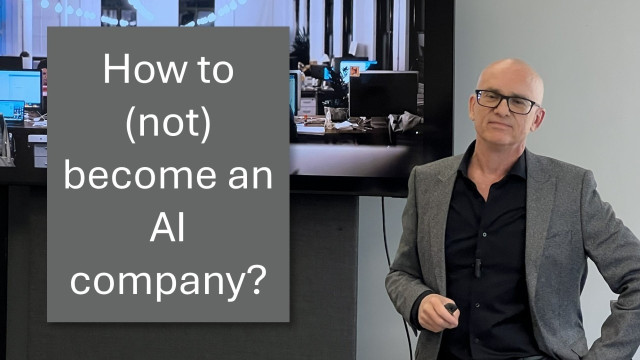 How to (not) become an AI company?
Tags: Change Management, Generative AI, Predictive Analytics
 Change management is dead. Long live change management!
Tags: AI, Change Management, Generative AI
 GenAI doesn’t take away jobs, it creates them.
Tags: Agentic AI, AI, Generative AI
 New book: "AI - The human factor"
Tags: AI, Change Management, Predictive Analytics
 The myth about AI replacing people
Tags: AI Ethics, Change Management, Predictive Analytics
 What is AGI and why you should ignore it
Tags: AGI, Change Management, Predictive Analytics
 Regulate AI chatbots!
Tags: AI Ethics, Generative AI, Privacy
 How data leaders shape business success with AI
Tags: AI, Change Management, Predictive Analytics
 AI hype is over. Let’s get real with AI.
Tags: AI, Change Management, Predictive Analytics
 AI-first fails: Personal experience
Tags: AI Ethics, Change Management, Predictive Analytics
 What do businesses gain from the AI race? NOTHING!
Tags: AI, Change Management, Predictive Analytics
 Why human-first AI beats AI-first?
Tags: AI, Change Management, Predictive Analytics
 Think of AI as a dishwasher.
Tags: AI, Change Management, Predictive Analytics
 Telling AI stories
Tags: AI, Change Management, Predictive Analytics
 Can GenAI be creative?
Tags: AI, Change Management, Generative AI
 What is that Analytical AI?
Tags: AI, Change Management, Predictive Analytics
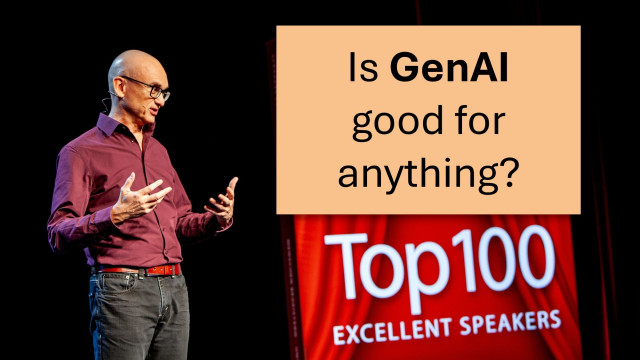 Is GenAI good for anything?
Tags: Change Management, Generative AI, Predictive Analytics
 Technology investments required for AI: ZERO
Tags: AI, Change Management, Predictive Analytics
 Enterprise vs. consumer AI agents
Tags: Agentic AI, AI, Change Management
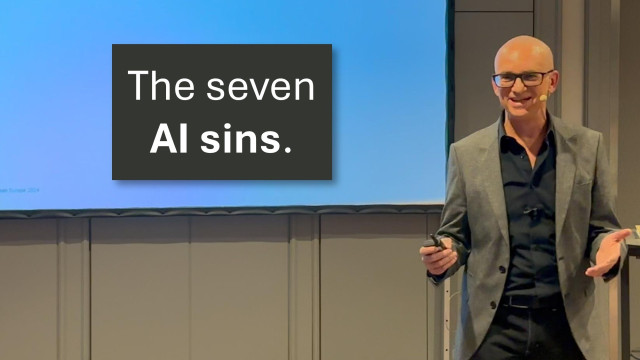 The seven AI sins.
Tags: AI, Change Management, Predictive Analytics
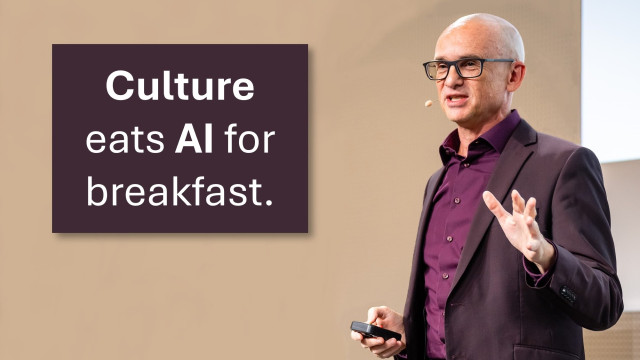 Culture eats AI for breakfast.
Tags: AI, Change Management, Predictive Analytics
 What is AI strategy?
Tags: AI, Change Management, Leadership
 AI agents to the rescue!?
Tags: Agentic AI, Change Management, Predictive Analytics
 If it works for pharma, it will work for you.
Tags: AI, Change Management, Healthcare
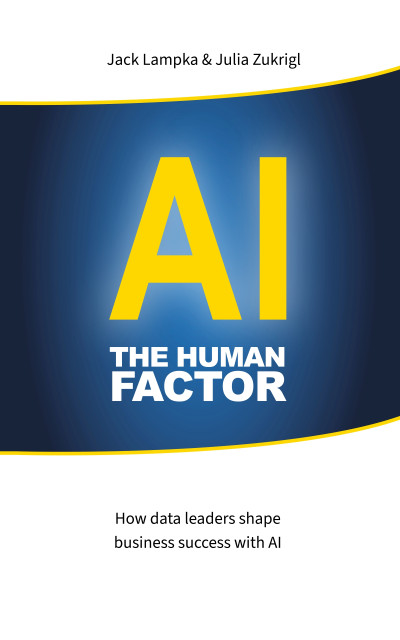 AI - The human factor
Tags: AI, Change Management, Healthcare
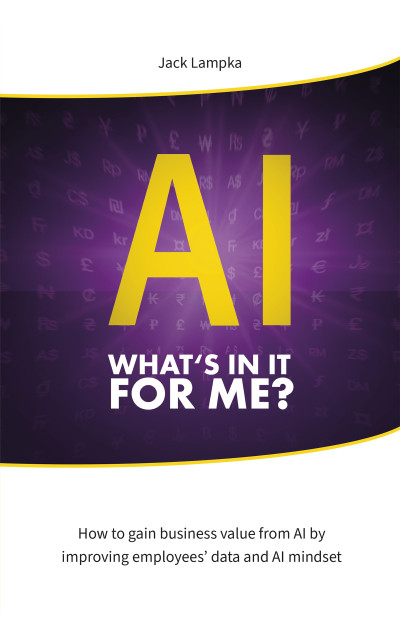 AI What's in it for me?: How to gain business value from AI by improving employees' data and AI mindset
Tags: AI, Change Management, Healthcare
 Between ChatGPT and Terminator
Tags: Change Management, Healthcare, Predictive Analytics
 AI Agents - The Good, the Bad and the Ugly
Tags: Agentic AI, Change Management, Predictive Analytics
 Was ist KI und was bringt mir das?
Tags: AI, Change Management, Predictive Analytics
 AI - What's in it for me?
Tags: AI, Change Management, Predictive Analytics
 Business Analytics Masterclass 2025
Tags: AI, Change Management, Predictive Analytics
 The AI train ride.
Tags: Change Management, Generative AI, Predictive Analytics
 Between ChatGPT and Terminator: What can AI do for pharma?
Tags: AI, Change Management, Healthcare
 Ignite the power of AI: What’s in it for me?
Tags: AI, Change Management, Healthcare
 Why AI projects fail: The seven AI sins
Tags: AI, Change Management, Predictive Analytics
 How to open ears, minds, doors, and budgets for data products with data storytelling
Tags: AI, Change Management, Predictive Analytics
 What is AI & how can it help to redefine electronics?
Tags: AI, Change Management, Predictive Analytics
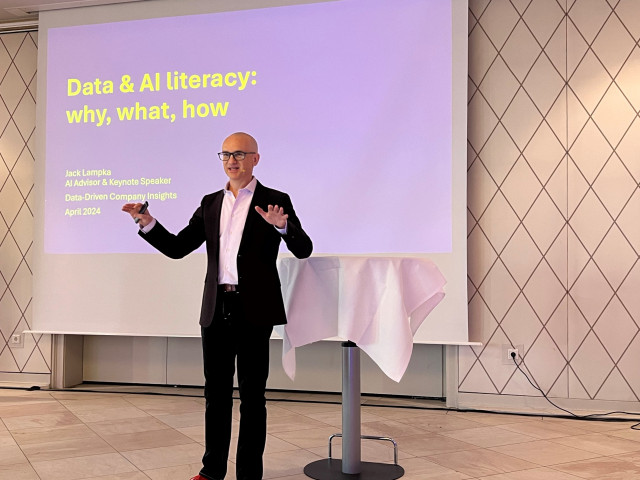 Data & AI literacy: why, what, how
Tags: AI, Change Management, Predictive Analytics
 It takes a data village
Tags: AI, Change Management, Predictive Analytics
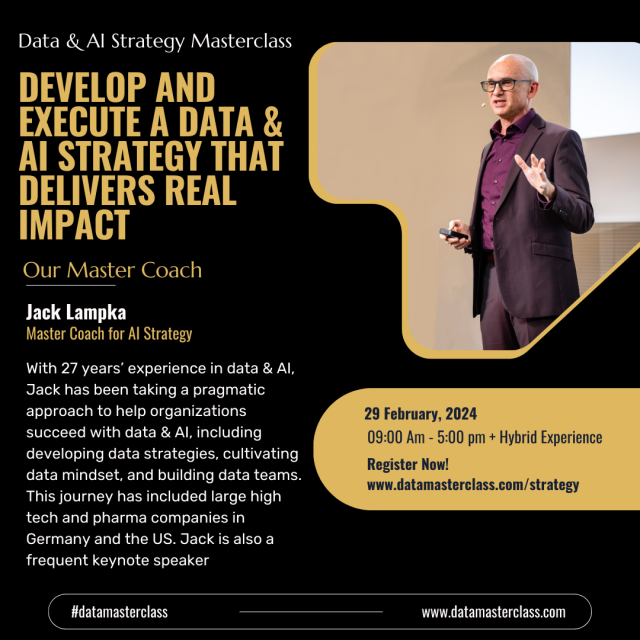 Data & AI strategy: It always starts with …
Tags: AI, Change Management, Predictive Analytics
 How to market AI products to internal customers?
Tags: AI, Change Management, Predictive Analytics
 Data literacy
Tags: Change Management, Healthcare, Predictive Analytics
 It takes a Data Village: How do you become a successful data-driven company?
Tags: AI, Change Management, Healthcare
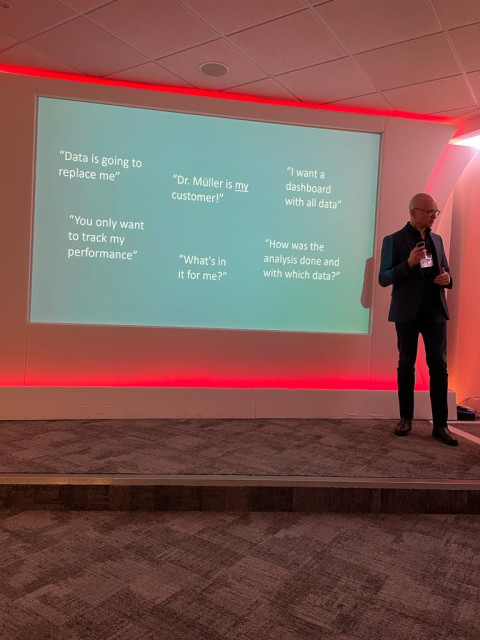 Data literacy in pharma
Tags: AI, Change Management, Healthcare
Tags: Business Strategy, Change Management, Leadership
Tags: Engineering
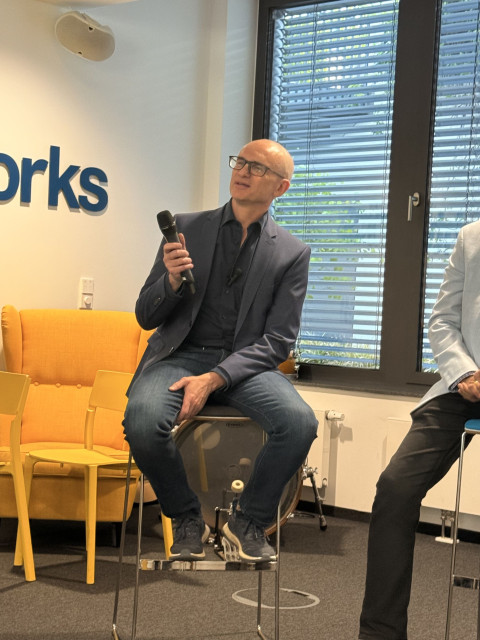 AI Impact: The Future of Work in IT.
Tags: AGI, Change Management, Predictive Analytics
 How to build a guiding coalition for your Data & AI transformation?
Tags: AI, Change Management, Predictive Analytics
 Developing data & AI strategy
Tags: AI, Change Management, Predictive Analytics
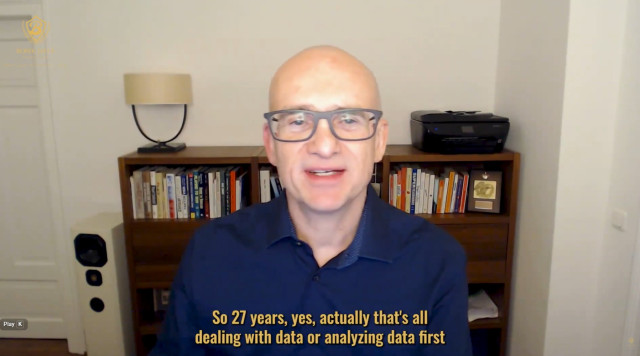 How To Market AI Products To Internal Customers
Tags: AI, Change Management, Predictive Analytics
 AI Agents – the Good, the Bad and the Ugly
Tags: Agentic AI, AI, Predictive Analytics
 AI Agents for Speakers, Trainers, and Coaches - part 1
Tags: Agentic AI, AI, Generative AI
 AI Agents for Speakers, Trainers, and Coaches - part 2
Tags: Agentic AI, AI, Generative AI

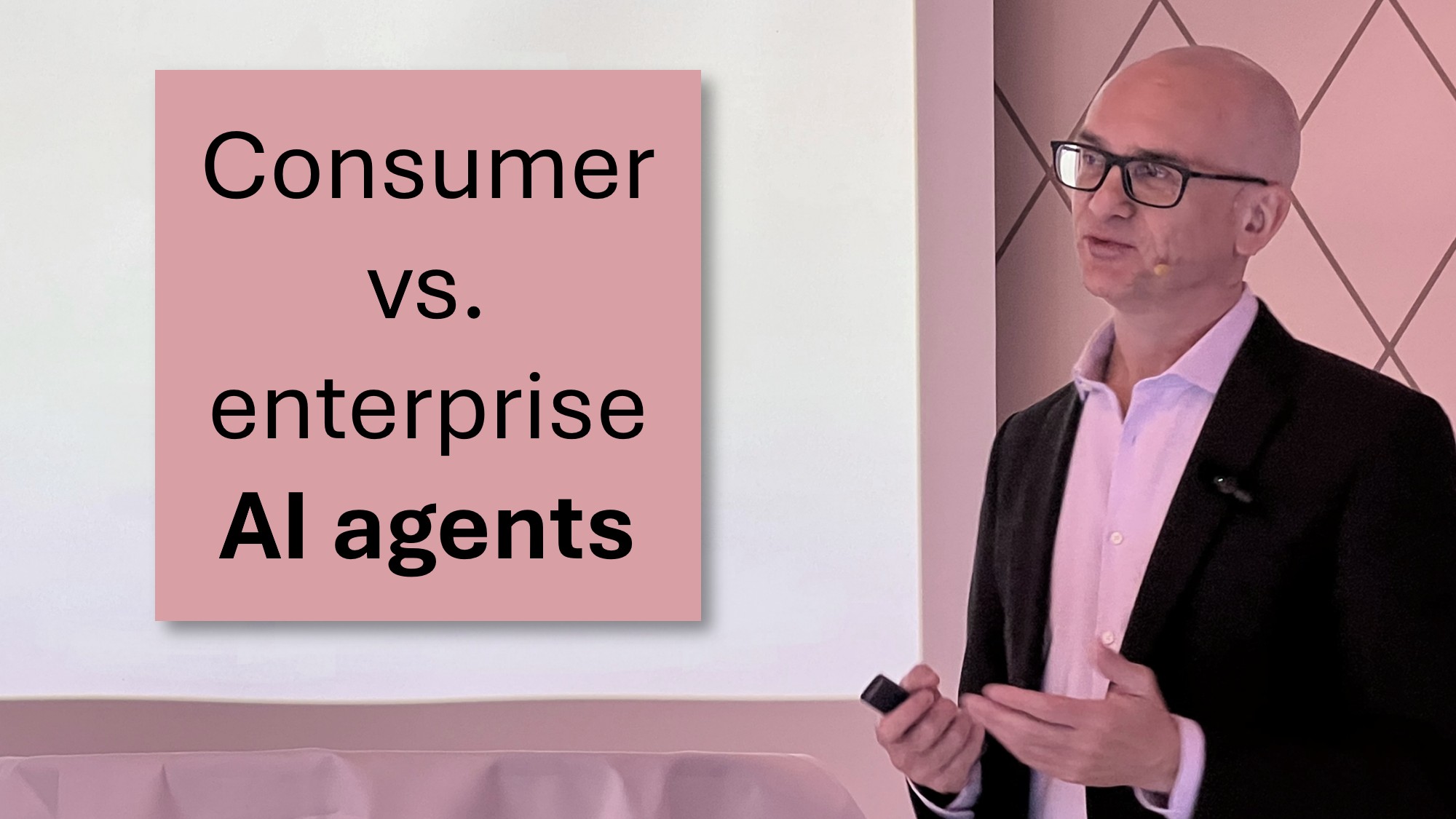 Consumer vs. enterprise AI agents
Are you wondering about the AI agents that people keep posting about on social media? Are you curious how only a few clicks are needed to create them? And are you wondering how these AI agents can improve productivity in your company?
No worries. As with many things AI these days, there is more smoke than fire.
Many of the AI agents you read about on social media are what I call consumer AI agents. People are using AI agents in personal lives and as self-employed or small business owners. These AI agents include auto-replying to new comments on Instagram, summarizing emails from Gmail and sending them to WhatsApp, or automatically generating content for social media.
There are many vendors who popped up this year to offer no-code platforms to develop AI agents. They claim that no technical background is necessary. Anybody without any data or programming experience supposedly can use them.
Sometimes it works, usually when there is no additional information or data required. But whenever data is needed, not having any data and programming experience may be a detriment. Often, AI agents use Large Language Models (LLMs) to extract, digest, and summarize information. Like with any AI chatbot, the results may be hallucinations.
I tried some of them.
I created an AI agent to first extract a list of companies from a website based on their annual revenues. In the second step, the agent was supposed to find people on LinkedIn who work at these companies in specific roles. To verify this for accuracy, I run this process manually in parallel. The output from the first step was incorrect after comparing it with real data. In the second step, the AI agent wasn’t able to find people in these specific roles, although I was able to do that manually.
The failures of this AI agent were due to LLM hallucination and inconsistent data structure. During the first step, the LLM ignored instructions and “explored” other alternatives. And in the second step, it struggled with the data structure on LinkedIn.
AI agents may work well in situations with streamlined data flows, low complexity with only a few interdependencies, and requiring tools and code repositories that are fairly common and vetted by experts. Apparently my task was already too complex for this simple AI agent that I created.
Despite all the errors and hallucinations, consumers keep using AI agents because the consequences are negligible. Nobody loses money when the comment reply on Instagram sounds cringe. Nobody gets hurt when the email is incorrectly summarized. And nobody gets fired for posting AI slop on LinkedIn.
The consequences in enterprise are consequential.
The key difference between consumer and enterprise AI agents is not only where they are used, but also the organization, process, and data complexity they need to address.
In business, AI agents don’t run independently of the business process. They are embedded in existing processes, they connect with company’s software systems, and they use enterprise data to execute tasks.
Without repeating much of my blog article from a month ago, AI agents are created to address a specific business need. They analyze data and triggers to take actions, sometimes independently of a human. Hence, they require a clear understanding of the business processes they are supposed to automate. Enterprise AI agents range from complex AI systems to intelligent process automation with a pinch of AI thrown in.
And here is where data and programming experience comes in.
People experienced with AI know that AI needs data. They know that data is never perfect and oftentimes needs to be cleaned and prepared before it can be used. And they know that LLMs tend to hallucinate and their outputs often need to be verified for accuracy.
Experts also know that errors multiply. An AI agent involves several process steps. The more steps, the higher the overall error rate. Being generous and assuming an average accuracy of 90% at each step, the total average accuracy is 73% with only three steps. The automation will be accurate only 73% of the times it runs. And that only with three steps. Just imagine what the accuracy would be for a 10-step process left to its own devices … 35%!
Companies such as ServiceNow and Salesforce are successful with AI agents. But for them it’s simply AI and they use the terms “AI agents” or “Agentic AI” for marketing purposes. They employ experts – data scientists, data engineers, ML engineers, software engineers, etc. – since AI agents are nothing more than AI embedded in process automation. You need expertise for that. Drag-and-drop solutions from no-code platforms won’t suffice in enterprise.
How are AI agents relevant for AI adoption in business, you may ask. Good question since after all, most AI agents are just rebranded AI solutions or intelligent process automations.
Keep in mind that successful AI adoption happens if the AI solutions are embraced by business users because they see value in using them. If these AI solutions don’t work, provide false recommendations, or screw up business processes, they will never be accepted.
Despite the marketing claims of AI providers, AI agents are not easy in enterprise. They need technical expertise to function properly within the enterprise system. They need the same level of technical rigor and attention that have been applied to all AI solutions. Without that, there won’t be any AI adoption.
Tags: Agentic AI, Generative AI, Predictive Analytics
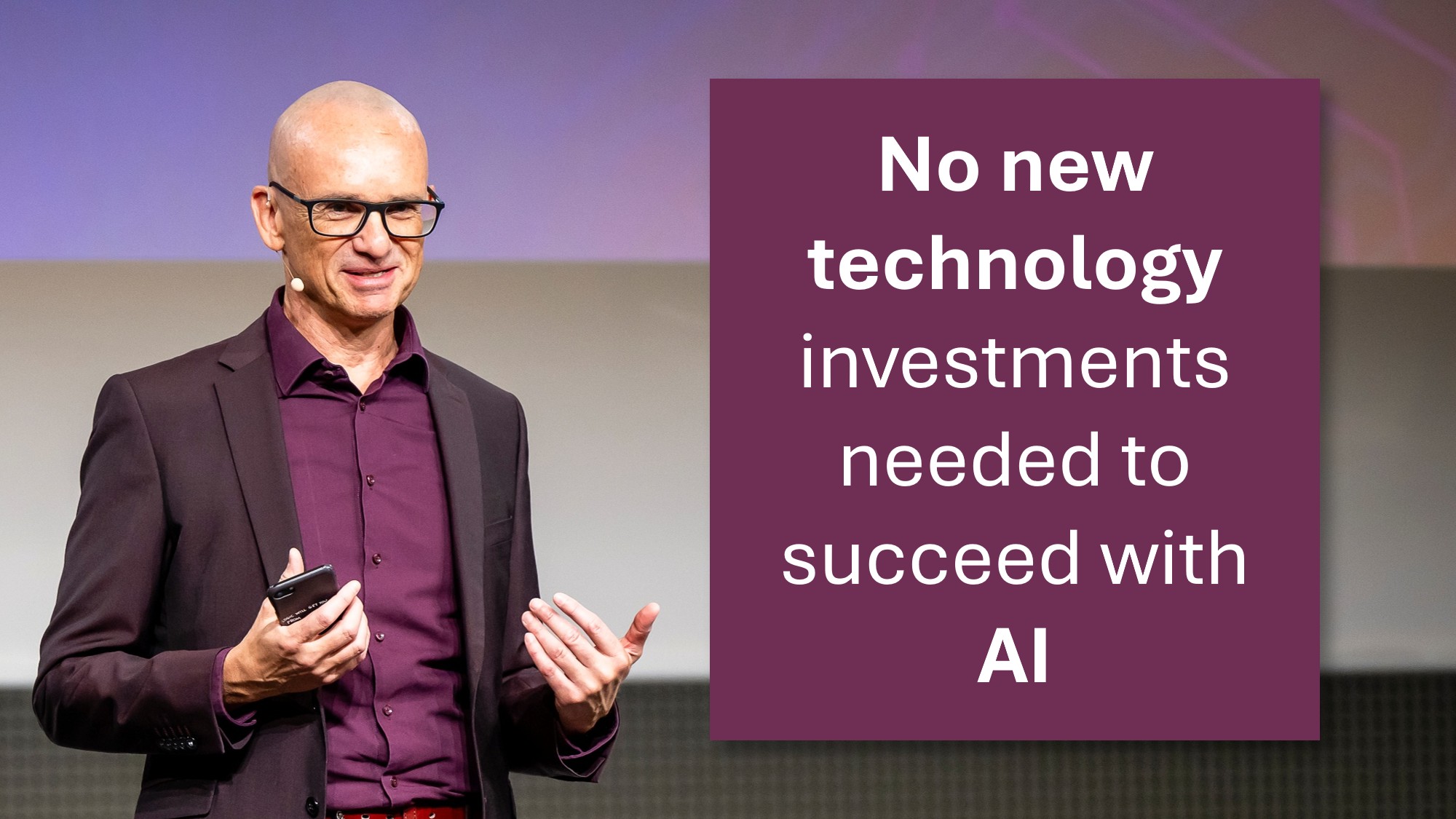 No new technology investments needed to succeed with AI
You probably hear almost every day about the fastest, the biggest, and the most powerful AI chatbot. Most of the time, this is about a new Large Language Model (LLM) that has been trained on more data and can process more information in a shorter amount of time.
But so what?
These chatbot enhancements may be relevant for about 1% of organizations whose core business is to create content, e.g., movie studios, media publishers, and marketing agencies. For almost everybody else, companies already have enough technology to succeed with AI today. Unfortunately, many believe they need more.
This misperception is driven by three factors:
Propaganda: AI vendors make most companies believe that they need the latest chatbot to succeed with AI. Tech companies race against each other to develop the best LLM and imply that you need to use the latest version to be successful.
FOMO (Fear Of Missing Out): Some companies have a low understanding of what is possible with data & AI today. They believe that they will be missing out if they don’t use the latest technology. The latest hype about AI agents is an example of this FOMO, where some companies think they need AI agents too.
Numbers, facts, figures: It’s easy to quantity technology. You can identify the product specs and its price. Usually, the more the better. AI adoption, on the other hand, is difficult to measure. It’s driven by people who can’t be put into numbers, facts, and figures.
Recent announcements from several pharma companies are great examples of this misperception.
Novo Nordisk, Roche, BMS, and Eli Lilly recently announced partnerships with Nvidia or hyperscalers with big numbers accompanied by pomp and circumstance. Apparently the more technology they have the more of an AI company they will become. Since these companies haven’t been known for leveraging data & AI before the ChatGPT hype started four years ago, announcements like these feel like AI washing. Even these companies have had sufficient technology to use AI for years, but haven’t done so. Why should that be different now?
https://www.novonordisk.com/news-and-media/news-and-ir-materials/news-details.html?id=916594
https://www.roche.com/media/releases/med-cor-2026-03-16
Technology usually improves over time. But for AI, it’s not the mathematical algorithms behind AI that improve, it’s the computing power to process data with these algorithms.
After all, many algorithms behind AI solutions have been defined in the 1950s. Some are even over 200 years old, including the method of least squares outlined by the German mathematician Carl Friedrich Gauss or the Bayes' theorem that predicts probabilities described by the English statistician Thomas Bayes.
In addition to computing power, technology progress is also driven by physics and the real world environments where these AI solutions are being used. Autonomous driving is a great example. This is, to the best of my knowledge, the only formalized and structured definition of an AI system used in the physical world with well-defined progress stages.
For autonomous driving there are clear definitions of the six levels of AI maturity. It starts with Level 0 with no automation at all and the human fully in charge of all the driving. Automation starts with L1, including basic help in some situations, and continues over five levels to full automation at L5 with no human driver required.
Today, aside from a few thousand fully autonomous cars operating in a dozen cities, the most autonomous vehicles are at Level 3 (conditional automation). At this level, the machine can take full control under certain conditions while the human must always be ready to take over. Almost every new car sold today has at least Level 1 automation (driver assistance) at the basic configuration.
Technology improvements matter also for LLMs. LLMs can get better, faster, and more accurate with better technology. But, for most organizations, already basic LLMs are sufficient.
And, LLMs, which are Generative AI solutions, provide only 20% of the business value that AI can deliver. According to McKinsey, 80% of the business value that AI delivers comes from Analytical AI. These are the machine learning and deep learning solutions that have been used by innovative companies for over twenty years. Sufficient technology for these solutions has been available for years.
Most companies already have the required technology for almost all AI.
You may not need new technology to develop a recommendation engine for sales reps, so they can be more productive and successful when engaging with customers. You may not need new technology for a predictive maintenance system that reduces expenses by suggesting servicing a machine earlier than normally scheduled to avoid costly failures. And for sure, you don’t need new technology to increase revenues with the same marketing investments by optimizing your marketing mix.
These are just a few examples of AI solutions that most likely can be implemented with the technology you already have. However, investments are required, but not investments in new technology. You need to invest in internal technical experts, including data scientists, data engineers, and machine learning engineers, to develop these AI solutions. Investments in data may be required if you don’t have a solid data infrastructure and data governance in place, which are needed for AI to function.
And you need to invest in data & AI literacy of non-technical employees. Don’t expect them to use AI just because you make it available. The right data & AI mindset is needed to ensure that AI solutions are adopted.
If the new partnerships between pharma companies with Nvidia and hyperscalers will be successful will depend on these non-technology investments. It will depend on whether these companies digitize their business processes like innovative companies have done thirty years ago. It will depend on whether they embed data in the decision making process like innovative companies have done twenty years ago. And it will depend on whether they build internal data science teams like innovative companies have done ten years ago.
Sometimes I hear from executives that they are not sure where to start with AI or whether they should wait until AI is more advanced. But many innovative companies have been successfully using AI to grow profit already for years or even decades. They have not been waiting for the latest technology to emerge. And they know that people are the biggest driver of success with AI.
The best time to start using AI was yesterday. The second best time is now.
Tags: AI, Change Management, Healthcare
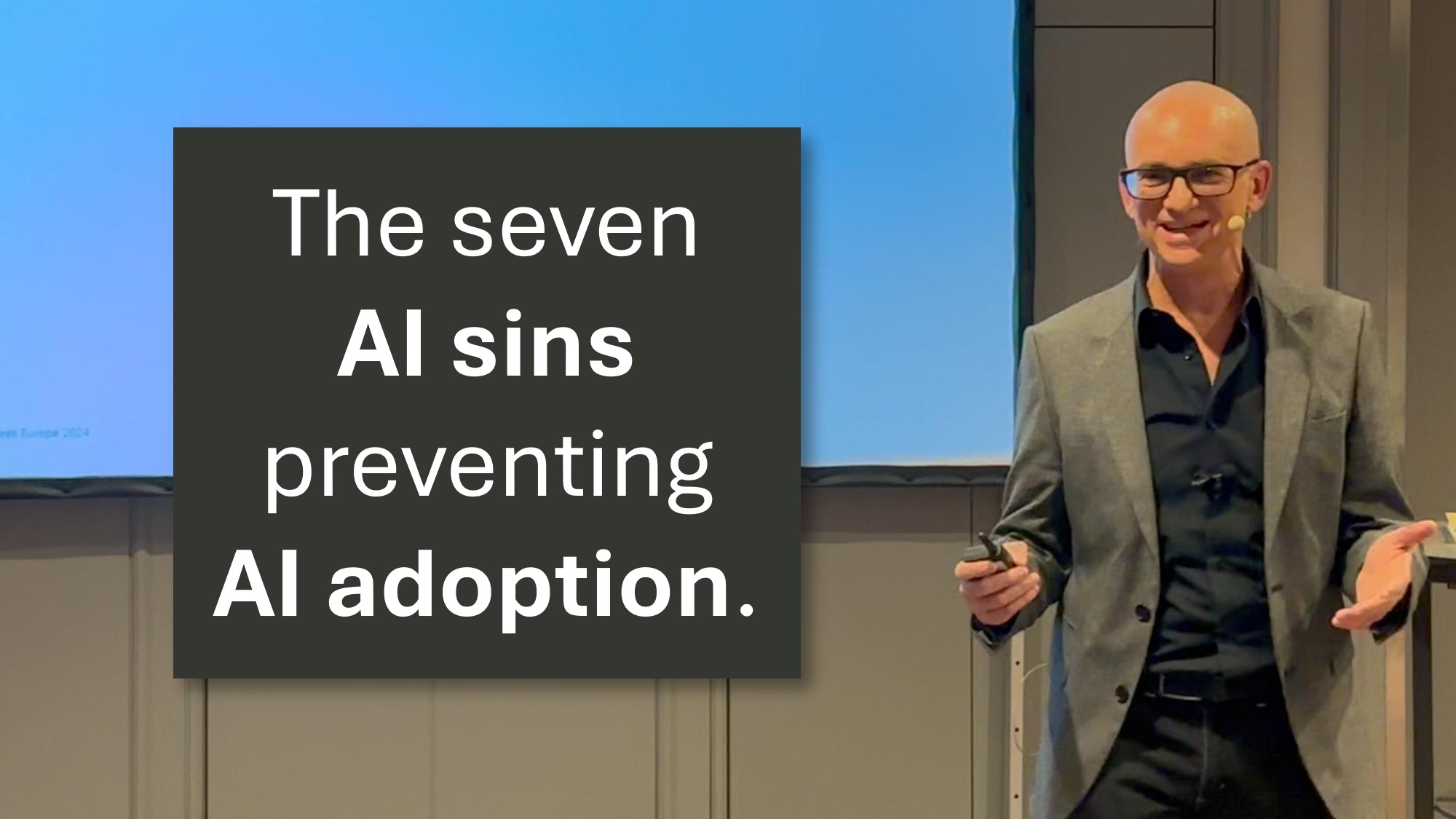 The seven AI sins preventing AI adoption
70% of AI projects fail. It’s not because of technology or lack of data. They fail because of people: executives, users, and developers. I call it the human factor of AI. As confirmed again and again, this is the main reason for AI failures.
Each of these three roles influences different areas relevant for success with AI. Over the years, I have identified seven sins that these three groups commit, sometimes intentionally, but most often unintentionally. Evaluating these seven AI challenges and the human factor is key to understanding how ready your organization is for AI and how successful AI adoption will be.
EXECUTIVES are responsible for providing strategic directions, allocating resources, and being a role model. Their sins, or let’s call them challenges if “sins” sounds too harsh, are:
Starting with technology, by implementing IT tools and only then asking what problems they can address (think of all the FOMO-driven ChatGPT implementations without clear business objectives)
Disregarding company culture, by forgetting how changes are embraced (or not) in the organization
USERS are non-technical employees and their management teams who are supposed to use AI solutions. Their challenges are:
Ignoring employees, when people managers assume that their employees will do what they are told to do
Lack of data & AI mindset, sometimes due to limited understanding how data and AI can assist employees in their daily work
DEVELOPERS are data scientists, data engineers, and other data professionals with their management teams who develop AI solutions to be used in the organization. Their sins are:
Project mindset, by delivering a solution and “moving on”
Being oblivious to users, by ignoring if and how AI solutions are used by internal business customers
Focusing on facts, by overlooking the “fight or flight” decision process of the human brain
Leveraging my experience dealing with these sins, I offer the following seven recommendations during engaging keynotes, lunch & learn sessions, and interactive deep dive workshops.
Always start with business needs
To avoid technology solutions looking for a business problem, define first the business challenges that could potentially be addressed with AI. Second, identify what data is required to address these business needs. Only then evaluate which AI is best to address these business needs. Sometimes you may even realize that AI is not the right solution, a dashboard or a process change may suffice.
Beware of your company culture
Since culture eats AI for breakfast, your company culture will determine if AI will deliver the financial performance you expect. Is your company culture encouraging doing things differently than has been done in the past? Is it supporting employees to take calculated risk? Is it allowing experimentation? All of these are required for success with AI. If you answered “no” to even one of these questions, start the cultural change ASAP.
Answer “What’s in it for me?”
Some data and AI users in non-technical functions are afraid that AI will replace them. Others trust only the data and insights they have created themselves. And for many, it’s not clear what’s in it for them from using data and AI. Do your employees understand the value that AI will bring for them? If not, answer for every employee the question “What’s in it for me?”.
Improve data & AI mindset
Are your non-technical employees using data & AI products as intended? If you have a dashboard created for 1000 employees, how many are using it on a regular basis? If you have an AI recommendation system, how many of these recommendations are being implemented? If the answers are not satisfactory, develop and launch a multi-year data & AI literacy program to improve the mindset. This program needs to be custom-designed based on today’s level of the data & AI mindset in your organization.
Shift from project to product mindset
People developing data & AI solutions often have a project mindset. They create a dashboard or an AI recommendation system and throw it over the proverbial fence to business users, with the hope it will stick and be used. It seldom does. By shifting from project to product mindset, developers not only develop AI solutions, but are also aware how these solutions will be used by non-technical colleagues.
Create & execute a marketing plan
Your company runs marketing programs to convince your external customers to buy your products. Otherwise, your external customers may not understand the value of your products. Why should that be different for AI products you are providing to internal customers? Most employees don’t understand the value of AI. Leverage the framework of 5 Ps of product marketing to create and execute internal marketing plans for your AI solutions.
Tell data stories
The human brain processes new information first to identify if it’s a threat and second how relevant it is. If the new AI solution is perceived as a threat, it will be resisted. Don’t overwhelm business users and executives with technical features, numbers, and facts, which often are perceived as threats or irrelevant at best. Instead, upskill your technical teams to tell data stories. Turn the facts into an emotional story.
To succeed with AI adoption, change is needed across all three groups: executives, users, and developers. I developed this 7-AI-sins framework as a guideline to assess challenges that companies face across all these stakeholders. Unlike the typical assessments applied by consultants that focus on technology, this assessment focuses on people. After all, people are the biggest driver of AI adoption.
Tags: AI, Change Management
 How crucial is the company culture for AI adoption?
Company culture is the aggregation of the behaviors of all employees in the organization, skewed heavily towards behaviors at the executive level. It’s deeply ingrained in the organization and is driving how the organization operates. These are the unwritten rules of how decisions are made in the company.
Without being explicitly documented anywhere, company culture also determines how new ideas, new processes, and new technologies are embraced within the organization.
Almost all AI solutions require that employees change how they operate. Implementing AI necessitates changes – sometimes small, sometimes big – to workflows, decision-making processes, or tools that employees use. AI also requires experimentation to test different approaches to sometimes still unproven AI solutions. And, any new technology or process, including AI, is not 100% perfect. Some initial failures are to be expected, which provide opportunities to learn.
To quickly check if your company culture is supportive of AI, answer for yourself these three questions:
If you answered “no” to even one of these questions, your AI adoption is most likely at risk due to your company culture.
Peter Drucker, the famous management guru, said: “Culture eats strategy for breakfast.”
Any strategy developed in the company, any planned investments, and any significant changes to existing processes will fail if they don’t align with the culture of the company. This applies also to your data strategy and to your success with AI. Your company culture will determine if AI will be accepted in your organization … or not.
Company culture is the mother of AI adoption.
Successful transformations are initiated and driven top down. Executives have the highest influence on shifting the culture to a more desired state.
The fish stinks from the head. But the opposite is true as well. Changes need to start with the executive team. And it’s more than just sponsorship. Executives need to be role models and show, for example, how they use AI in their work. They need to be frequently involved in the change process, not only during quarterly updates.
In large and distributed organizations, this change needs to include executives and leaders at all levels. After all, employees have more exposure to their direct managers, who need to be integrated into this change management program.
I now have used the sometimes dreadful “change management”. Dreadful because many change management programs are too general or too academic to successfully help with AI adoption.
That’s why I never liked the term “change management”. I have often experienced change management programs as something imposed by Human Resources. These programs were run by external coaches without deep understanding of the company culture. They were poorly defined without clear objectives. And the worst part: there was no executive-level involvement.
I have seen both.
When I joined a global pharma company to build analytics capabilities, the resistance to use data and AI was clear from the first meeting I attended:
“What is this new guy doing here? We don’t need any changes. We have been doing our jobs very well without any fancy analytics.”
Fortunately, at the time I joined this company, a worldwide digital transformation program was being rolled out (and I was brought in to lead the data and analytics part). This program was based on a long-term strategic vision and leadership commitment. There was a clear plan defined, including several stages with milestones, timelines, and budgets. The entire leadership team was involved. It was well executed … for a while.
A few years later the tide has turned.
Although the need to use data and AI has increased and the ChatGPT hype required even more continuous efforts to adapt the company culture, the executive involvement faded away. New executives had a different understanding of what is required for success with AI. They focused more on technology and having employees figure out how to use it. And they believed that somebody in Human Resources should run a training program.
There will always be resistance to change, any change. And AI necessitates change. Almost all AI solutions require employees to change how they operate. If that change doesn’t come naturally in your organization, your company culture may be limiting your AI adoption. Since changing company culture takes time, you may want to start the culture transformation right away.
Tags: AI, Change Management, Generative AI
 Why do I need an AI strategy to achieve AI adoption?
Is AI strategy about implementing an AI chatbot, automating business processes, or training employees? None of it. These may be tactics needed to achieve specific goals for AI adoption, but they are not a strategy.
To start with, it helps to understand what a strategy is. Strategy is a plan to achieve one or more long-term goals under conditions of uncertainty. It’s a formula for how a business is going to compete, what its goals should be, and what policies and resources are needed to reach those goals.
As Michael Porter, the Harvard Business School professor and famous strategy guru, put it: “Sound strategy starts with having the right goal.”
With that in mind, AI strategy is a plan to be(come) data-driven and to leverage data & AI for business decisions. You need to:
Define clear goals of what “data- and AI-driven” looks like
Identify actions needed to achieve these goals
Mobilize resources to execute the actions
By the way, the terms “data strategy” and “AI strategy” are often used interchangeably. Without data there is no AI. And data alone is like having a fully charged battery and not using it for anything. AI is used to extract insights from data and turn that into business decisions. Whether you call it data strategy or AI strategy, at the end it’s a plan to turn data into business advantage through AI.
Since the launch of ChatGPT, I have experienced several companies rushing to implement AI chatbots to not be left behind. They do that without any strategy in place. Often the IT department implements an off-the-shelf AI chatbot, such as Copilot or ChatGPT, and employees are left to “experiment”.
Even if you just want your employees to experiment with chatbots, define a business objective for that experimentation. Is the goal to improve AI mindset? To identify promising use cases? To compare chatbots? Having a clear goal in place helps to measure it and enables you to define how to take it to the next level.
Michael Porter also said: “The essence of strategy is choosing what not to do.”
Companies often take on too many objectives relative to the resources they have available. With the hype around Generative AI and now AI agents, many executives and business leaders believe they need to do something with AI. Without a clear strategy in place and without explicit choices of what not to do, this leads to many initiatives competing for the same resources.
Just ask yourself: How many AI pilots do you have currently running at your company?
Be pragmatic.
While defining the plan with goals, actions, and resources, keep in mind what is required for a successful data- and AI-driven organization. This may initially appear complex, but like with many other complex topics, it helps to break it down into smaller components. Where you start will depend on the current data maturity level in your company.
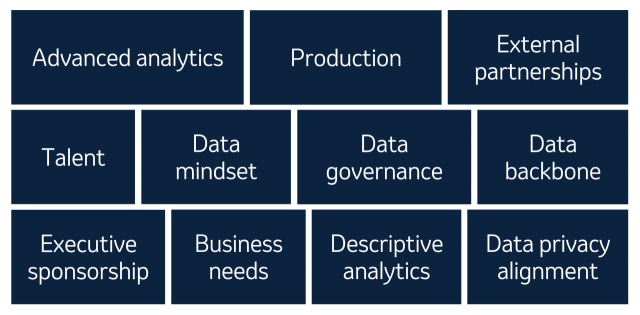
I have successfully used that pragmatic approach when developing data and AI strategies in large tech and pharma companies. It was always based on the data and AI readiness of the organization. This led to defining eleven building blocks of AI strategy, divided into three levels of maturity: crawling, walking, and running.
The CRAWLING stage covers the basic requirements needed for success with using data for business decisions. This involves executive sponsorship, first business use cases that can be addressed with proofs of concept, and robust descriptive analytics solutions. If you’re dealing with personally identifiable information, this crawling stage also needs to include alignment with data privacy.
Next is the WALKING stage where you expand on your initial success. You start creating in-house analytics teams to build and retain intellectual property instead of outsourcing this to consultants. You improve data and AI mindset. And, you establish clear data governance across all your data assets built around a solid data infrastructure.
In the final RUNNING stage, you develop AI minimum viable products (MVP) and move promising AI solutions from MVP to production. You optimize your AI products, automate them, and embed them into existing workflows. At least at this point you may realize that your internally available data could be enhanced through external partnerships.
AI adoption is built along the three stages. With first business use cases you show how AI addresses business problems. When improving data and AI mindset, your employees understand better how AI can help them. And once AI is embedded into existing workflows, employees understand its full value.
AI adoption is not one individual step. It is built over time. AI strategy defines how you build AI adoption.
Tags: AI, Business Strategy, Change Management
 The truth about AI agents
What do AI agents, big data, and data science have in common?
Everything. They are different incarnations of the same goal: turning data into insights that enhance business decisions using artificial intelligence (AI).
Some of these have been hyped over the years. Big data got hyped over twenty years ago. Data scientist was declared the "sexiest job of the 21st century" by the Harvard Business Review over ten years ago. AI agents shot to fame only last year.
AI agents are AI solutions that address a specific business problem. They analyze data and triggers to take actions, sometimes independently of a human.
AI agents are meant to execute processes autonomously. That’s only possible if the business processes and systems are clearly understood and documented. The AI component in the solution is often relatively small in comparison to the complex process automation.
Under the hood, AI agents are basically software systems talking to each other. They often do that through APIs, Application Programming Interfaces, which have been used to exchange information across computer systems since the 1990s. The newly created Model Context Protocol (MCP) is a specific exchange interface for Large Language Models (LLMs). Think of MCP as API for chatbots.
The current hype behind AI agents seems to imply that they became only possible with LLMs, such as ChatGPT or Copilot. This couldn’t be further from the truth. The core of AI agents lies in intelligent process automation. They don’t need LLMs for that.
But it’s also true that AI chatbots improve access to AI solutions and process automation by allowing communication with these systems in natural language. In the technology language, this is called on- and off-ramping. Here, instructions to execute processes can be provided in natural language through chatbots and outcomes can be explained to humans by chatbots. LLMs may add some value for non-technical employees in engaging with AI agents.
Yes and no.
The term “AI agents” surfaced only in 2023 and replaced the GenAI hype last year. So, you are not alone feeling yet another hype wave.
However, many of the AI solutions that are now labeled as AI agents have been used by companies for decades. This includes AI systems such as predictive maintenance in manufacturing, fraud detection in finance, and personalized product recommendations in e-commerce. So far, this was simply called AI.
The AI agent terminology has unfortunately spread now to almost everything that has to do with AI. Experts usually shy away from the latest buzzwords since the new labels don’t change the underlying concepts. However, maybe experts could benefit from adapting their communication to reclaim the AI space.
I was in a similar situation eight years ago.
Back then, I built and led a data science team at a pharma company. We have been developing machine learning solutions to segment customers, optimize marketing investments, and predict revenues. At that time, consultants started selling “AI” to executives while we were developing “only” machine learning solutions (which is one form of AI). So, we changed our approach. Before consultants label the things we have been doing for years as AI and sell it as the new greatest invention, we started labeling our work as AI, rightfully so.
Five years ago we developed a personalized recommendation system. These recommendations were for sales reps: which customers to contact this week, through which channels, and with which content. This AI system learned from the user behavior to refine its recommendations, was leveraging machine learning for optimization, and run autonomously every Monday. Back then this was simply called AI. Today, this is called an AI agent.
It’s easy to get distracted in a space that you just only learned about and that is being continuously hyped in (social) media. This is especially challenging if the terminology changes constantly. It’s hard to distinguish between true innovations and new labels.
AI agents are a new label. However, this doesn’t change the underlying approach of embedding AI solutions in business processes. By doing so, instead of throwing chatbots at employees, companies improve AI adoption.
And there is one benefit that AI agents bring: they require to define upfront what business needs the AI is supposed to address. Instead of simply taking AI as a technology and searching for a problem that it could solve, agentic AI forces companies to clearly describe their business challenges.
Companies who are successful with AI adoption have a clearly defined data and AI strategy in place, created based on their business goals. They understand what AI really is, allowing them to recognize and ignore the latest hype. They don’t chase new labels. Instead, they continue executing their plans to drive AI adoption.
PS
For a deeper dive into Agentic AI, including more technical aspects and examples, I recommend the book “Agentic Artificial Intelligence” by Pascal Bornet and other AI experts.
Tags: Agentic AI, Generative AI, Predictive Analytics
 Is AI adoption more difficult in healthcare?
I built and led data & AI teams in pharma for 6 years, one of the most highly regulated industries. Prior to that, I led teams and developed data & AI capabilities in tech for 21 years. It was a big change when I moved from tech to pharma. This experience was “enhanced” by the parallel move from the more progressive USA and to the more risk-averse Germany.
Yes, but not for the reasons most people think.
Aside from tech and pharma, I have seen it also in other industries. It’s believed that different laws and regulations across industries impact AI adoption. More regulated industries are supposedly limited in their use of data and AI.
It’s not that. It’s the mindset of the people and organizations in those industries.
When I joined the pharma company I was surprised about two things. First, I was surprised how much more data a pharma company in Germany had than I expected, especially in the commercial setting. And second, how little of that was being used to drive business decisions.
That was driven partly by the data mindset in the organization and partly due to the strong data privacy regulations in Germany. Although this was years before the General Data Protection Regulation (GDPR) was implemented in the European Union, Germany had strong data privacy rules already before then.
The more I tried to understand the supposedly data-protection-driven limitations, the more I realized how much more data use was possible than internally allowed. I also realized how a mutually respectful cooperation with data privacy (and legal) teams can benefit an organization to be more data- and AI-driven. More on that in a second.
Let’s keep in mind what the role of the data privacy and legal teams is. Their job is to minimize risk to the company. And what is the best way to minimize risk associated with using data and AI? Yes, the best way to achieve that is to not use any data or AI at all. Can you blame them? That’s their job.
Let that sink in.
Grab a coffee or tea and then come back to read this again: The ideal solution from a data privacy perspective would be to NOT use any data at all.
The mindset of what is risky differs across industries. It’s true that the more regulations an industry needs to follow, the more things could go wrong. That leads to higher risk aversion. But it’s seldom true regulations that limit data and AI use, it’s mainly the mindset in the industry.
Successful data- and AI-driven companies find the right balance, in any industry. They find the right balance between using as much data as financially beneficial for the company. And as little as possible to avoid potential fines and reputation damages.
In Europe, GDPR even has a clause allowing for the use of personally identifiable information: legitimate reason for specific business purposes, including vital interests. Financially successful companies leverage data for business decisions, so using data, including personally identifiable information, is of vital interest.
This is how I approached it too.
My team and I started small with developing customer profiles. Initially, this was considered illegal by data privacy. But I was able to find a precedent of a customer profile established decades ago and commonly used across the pharma industry. That led to the next step of uncovering other internally imposed restrictions on data use.
Whenever possible, I have discussed the benefits of using data and AI for the company with the data privacy and legal colleagues. At the end, the collaboration with data privacy became mutually respectful. My data science team has involved data privacy and legal right from the start whenever we had a new idea for a data implementation or an AI solution.
This collaboration exceeded even my own expectations. It got to the point where our data privacy and legal partners were proactively recommending suggestions to address data privacy concerns once they understood the business objectives. Instead of giving up on AI solutions that would have been considered not doable just a few years before, many times we together found a feasible approach.
In whatever industry you are, if your company wants to implement data and AI solutions, don’t fall into the trap of believing that you are restricted due to GDPR or the EU AI Act. Or similar regulations in the US, UK, and other countries.
If it works for pharma, it will work in your industry.
Successful AI adoption depends on people and their mindset. And that’s not only the end users, but also all relevant stakeholders. Make sure to involve them – like in this case, data privacy and legal – right from the start.
And if they are tainted by the historic risk aversion in the industry, start explaining the business benefits and potential trade-offs of using more data and AI. You may be surprised how far you get.
Tags: AI, Change Management, Healthcare
 Why is Generative AI today’s hammer?
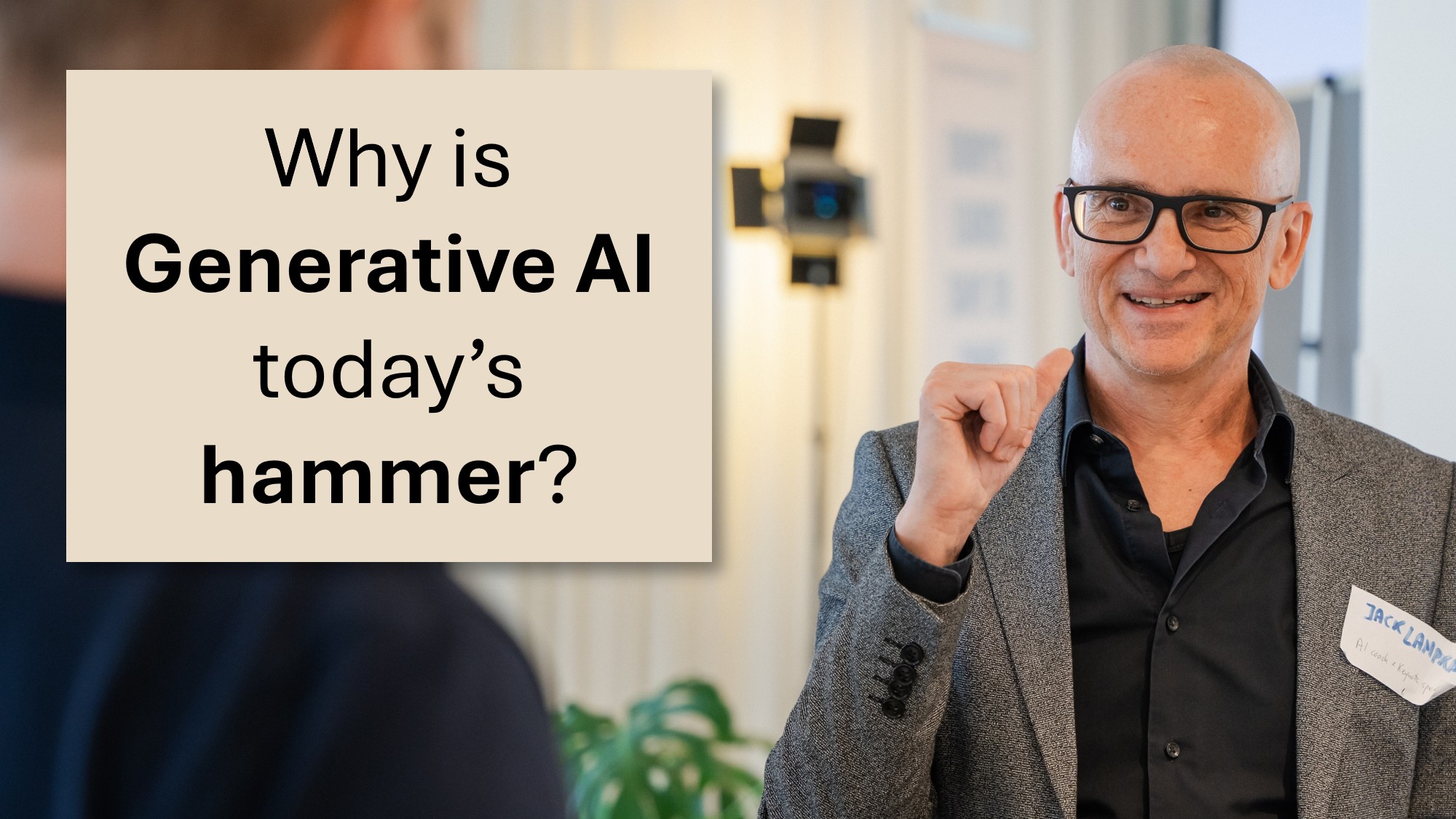
Mark Twain is attributed saying "To a man with a hammer, everything looks like a nail." If your tool kit has only hammers, you may end up treating every problem as a nail. And it doesn’t matter how many hammers you have, how fast they are, how cheap they are, how many parameters they have, and how the Chinese ones supposedly outperform US ones. It’s still a hammer.
Yes, I’m talking about AI chatbots.
This is how many companies treat these AI chatbots today. Because they have first encountered AI through ChatGPT, one of the GenAI chatbots, they treat AI chatbots as the only AI solution available. The constant product releases and updates from tech vendors also lead to high (social) media attention and the perception that GenAI is the only solution. GenAI is that hammer today.
At the same time, the expected business value from Generative AI is overhyped. There are only a FEW of industries with heavy content creation that financially benefit from Generative AI, such as the film and the advertising industries. Analytical AI solutions, on the other hand, have been implemented and proven to work in ALL industries and business functions. Analytical AI are solutions based on machine learning and deep learning that innovative companies have been using for decades.
McKinsey expects Generative AI to deliver only 20% of the overall value that AI can deliver for companies. 80% of the business value that AI delivers comes from Analytical AI.
AI is the machine's ability to perform cognitive functions we associate with humans. One of these cognitive functions is natural language processing. OpenAI, the company beyond ChatGPT, and other AI vendors have almost perfected replicating this human cognitive function in chatbots. But that’s chatbots’ main focus.
Another cognitive function is problem solving. Problem solving has been tackled by machines through machine learning, a subset of Analytical AI.
Which activity do you think is the most common business task? Natural language processing, so analysis and generation of text, or problem solving? This partly explains why 80% of the AI value comes from Analytical AI.
Despite all of this, chatbot vendors mainly ignore Analytical AI.
At least three explanations come to my mind.
First, billions of US dollars have been invested in chatbot vendors with the focus on Generative AI. Their investors expect high returns. It would be detrimental to admit that chatbots are only adding a small business value. This is true especially now since some of these companies, e.g., Open AI and Anthropic, are planning IPOs. So, they stick to chatbots as the only AI.
Second, while being stuck on the path of making chatbots bigger, faster, and cheaper, AI vendors pursue the holy grail of Artificial General Intelligence (AGI). They chase what is technically possible, instead of what is practical for business.
And third, Analytical AI solutions are decentralized. They are developed in-house by internal data teams, based on the company’s private data. Chatbots, on the other hand, are centralized since only a few companies have the capacity to train these models. And, these chatbots are trained on public data. The business model of AI vendors relies on this centralized approach. Hence, they keep focusing on chatbots as the only way to use AI.
All of that leads to the ongoing propaganda that AI chatbots are the universal AI to solve all business problems and everybody with a chatbot can do it.
I experience how successful that propaganda is on a regular basis. Recently, I talked about AI with a business consultant who recommends GenAI for his clients. I talked about the different forms of AI and how many businesses are still unaware of the financial benefits that Analytical AI delivers. What surprised me was the suggestion from the consultant to use a chatbot to create Analytical AI solutions for companies.
Apparently now business consultants have been primed by OpenAI & Co to ignore the fact that data is the key driver of AI. They believe that you can use AI chatbots trained on public data to address a company-specific business problem, which requires private company data.
They don’t understand that there is only limited value companies can gain from GenAI, which is built on publicly available information. An AI chatbot trained only on public data cannot magically deliver SPECIFIC recommendations for increasing revenues or reducing expenses for YOUR company.
Here is a summary of the different aspects relevant to understanding and using Analytical AI and Generative AI.
What are the business benefits?
Analytical AI: Forecasting, segmentation, optimization, anomalies detection, recommendations
Generative AI: Text summaries, content creation (text, images, videos, music), chatbots
Which data is used?
Analytical AI: Mostly company private data
Generative AI: Mostly public data
Who develops it?
Analytical AI: (In-house) data scientists supported by data engineers & machine learning engineers
Generative AI: AI vendors, e.g., OpenAI, Anthropic
Who can extract information?
Analytical AI: Data scientists, data & AI analysts, data translators
Generative AI: Anyone with sufficient prompting skills
Since when is it available?
Analytical AI: First machine learning models implemented at scale in 1990s
Generative AI: First usable LLM (ChatGPT) launched in 2022
Let’s come back to the hammer. Would you hire a plumber to fix your leaking bathroom fixtures if his only tool were a hammer? How about a hammer with a magnifying glass? Or with a folding knife on the side?
No matter how enhanced the hammer is, I wouldn’t.
I would look for an expert that understands the problem, knows the tool options, and applies the proper tool for that particular problem.
Why should that be different with AI?
Since AI is much more than chatbots, companies need to look beyond Generative AI for successful AI adoption.
Tags: AI, Generative AI, Predictive Analytics
 How to succeed with AI adoption?
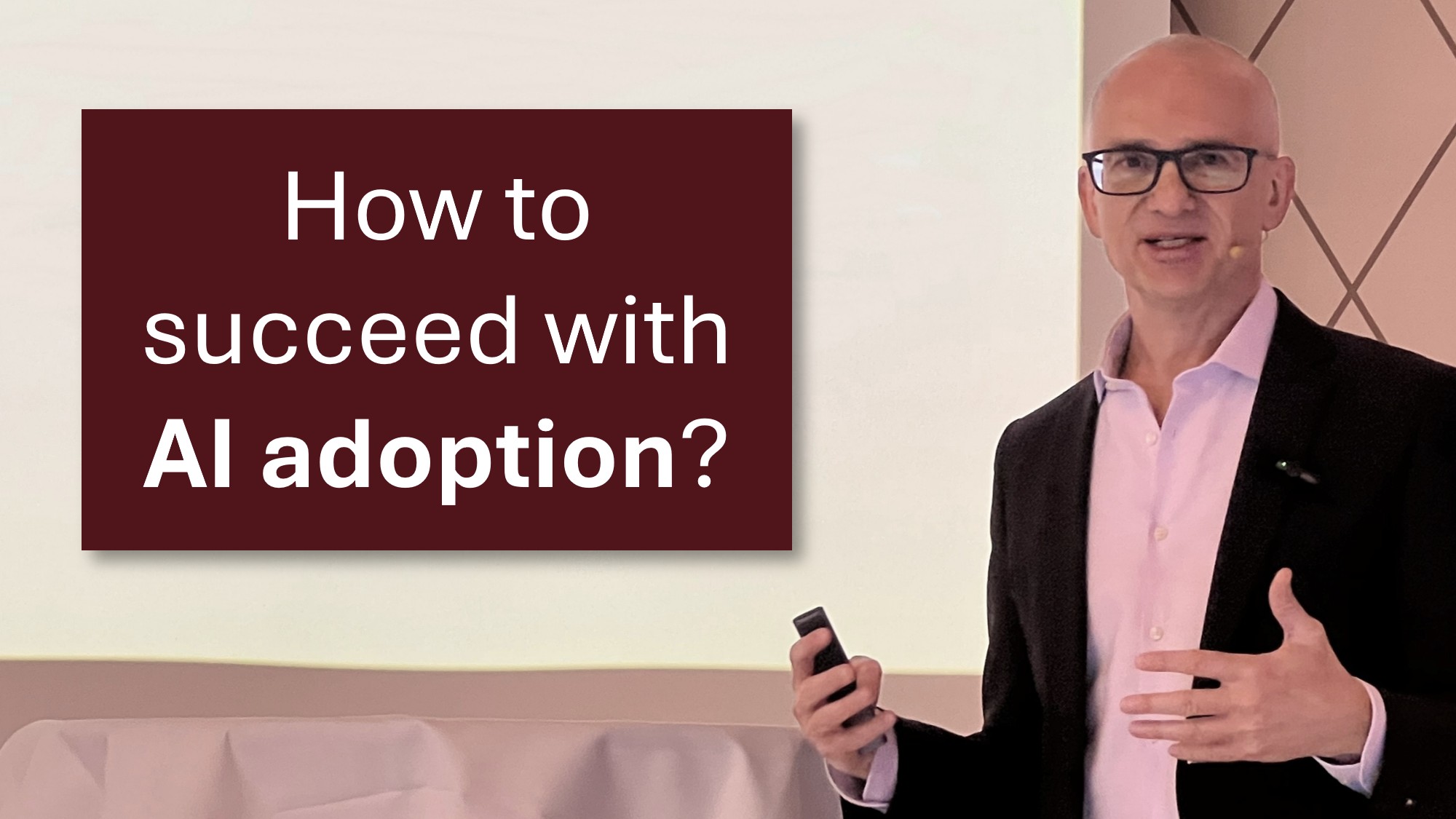
Fifteen years ago, I had an epiphany. I know, that’s a big word, but it describes very well how I realized the importance of the human factor, the importance of people, for success with AI.
Back then, at a large tech company in the US, we developed a marketing mix model to optimize marketing investments. We estimated that the company could reduce advertising expenses by 22% while maintaining the same revenues. This could have been $1 million savings, per year. As a data team we were excited about this and were ready to share it with the marketing director responsible for marketing investment decisions.
But his reaction?
“Ha ... what am I supposed to do with this AI? We've been doing very well with our marketing mix decisions for years. How do I even know that this black box will deliver anything useful? And then I'm supposed to change how I make investment decisions?”
That was heartbreaking after we devoted months and many weekends to develop this model. And disappointing, especially at a tech company where you would expect decisions to always be data-driven. The marketing director's reaction was actually not rational, he reacted emotionally to potential changes in his area.
And we? We focused on data, algorithms, and technology, not on people. Even at a tech company, people need to be brought along. You have to convince employees of the benefits of using new technology. And you need to be honest about what will change with AI.
AI almost always leads to changes, for both top managers and individual contributors, and everyone else in between. It doesn't matter whether it's the new Generative AI or the Analytical AI solutions, such as machine learning or deep learning, that companies have been using for years or sometimes decades. All AI leads to changes in employees’ workflows.
However, it’s interesting to see how people use AI in private lives. AI solutions that have been available for decades are part of our daily activities. We use AI in Google Maps, autocomplete, recommendations from Amazon, Netflix, or Spotify without even thinking about it. And why? Because we have known and used them for a long time. And more importantly, because we see their value. We know exactly ... what's in it for me.
In my more recent role at a pharma company in Germany, my team and I introduced an AI recommendation system, similar to Amazon's product recommendations. These recommendations were for sales reps: which customers to contact this week, through which channels, and with which content.
To ensure success this time, we did three things.
First, we involved two sales reps in the development process. Our developers learned what sales reps really need.
Second, we implemented a marketing campaign for this recommender system with short videos describing the tool, lunch & learn sessions, and informal data office hours. We even launched it at a big bang kick-off event with presentations, talk shows, and a splashy video reel. This felt almost like an iPhone launch.
And third, we started a data literacy program so that every employee understands the value of using data and AI.
This AI introduction was a success. We involved people right from the start. The employees felt engaged. They understood, “ah, that’s what’s in it for me”. AI wasn’t an enemy anymore. It was a new colleague who never takes vacation and never complains about the cafeteria food.
Yes, it is. Companies can succeed with AI. They just need to remember that it's not data or technology that are critical to success with AI. It's the people.
The better people understand how something works, the more willing they are to use it. And, if they see the benefit of using AI, they will embrace it.
For a successful AI adoption, answer for your employees the question: “What's in it for me?”
Tags: AI, Predictive Analytics, Change Management
 Women are better adopters of AIHow to (not) become an AI company?AI Agents – the Good, the Bad and the UglyConsumer vs. enterprise AI agentsNo new technology investments needed to succeed with AIThe seven AI sins preventing AI adoption



 AI for Pharma
 Demystifying AI